Your Guide to Cultivating Fresh Dill at Home
Calendula's Garden is reader suported This post may contain affiliate links, more on our Disclaimer page. Thank you!
Dill is one of my favorite herbs to grow in the garden. It grows fast, doesn’t need to be pampered, looks great, and tastes wonderful. It is so satisfying to be able to walk out the back door and harvest fresh herbs for meals.
And few herbs are as rewarding, or as wonderfully versatile, as dill. With its feathery fronds and delicate yellow blooms, dill brings beauty to your beds and bold flavor to your meals.
But dill is more than just a tasty treat in the herb garden. This ancient plant has been cherished for centuries, woven into folklore and folk medicine across cultures.
The ancient Egyptians used it as a soothing remedy, while medieval Europeans believed it could ward off witches and evil spirits. In Scandinavian tradition, dill was tucked into bridal bouquets to bring good fortune to newlyweds.
Whether you’re dreaming of tangy pickles, bright summer salads, or creamy dill sauce drizzled over salmon, growing your own dill is easier than you might think. This guide will walk you through everything you need to know.
From starting seeds indoors to harvesting and preserving your bounty. We’ll also explore the plant’s natural history, health benefits, and share three simple recipes that showcase this aromatic herb at its best.
Ready to grow your own? Let’s dig in.
Dill at a Glance: Plant Information Table
| Category | Details |
| Botanical Name | Anethum graveolens |
| Plant Type | Annual herb |
| USDA Hardiness Zones | 2–11 |
| Sun Requirements | Full sun (6–8 hours daily) |
| Soil Type | Well-drained, slightly acidic to neutral |
| Soil pH | 5.5–6.5 |
| Watering Needs | Moderate; keep soil consistently moist |
| Mature Height | 2–4 feet |
| Days to Harvest | 40–60 days from seed |
| Companion Plants | Cabbage, cucumbers, lettuce, onions |
| Avoid Planting With | Carrots, fennel, tomatoes |
The Natural History and Health Benefits of Dill
Dill has been cultivated for over 5,000 years, with its origins likely traced back to the Mediterranean and southern Russia. Ancient Greeks and Romans valued it not only as a culinary herb but also as a symbol of wealth and vitality.
Roman gladiators would rub dill oil on their skin before battle, believing it brought strength and courage.
Beyond its storied past, dill packs a surprising nutritional punch. The leaves and seeds are rich in vitamins A and C, along with minerals like calcium, iron, and manganese.
Traditionally, dill has been used to ease digestive discomfort, reduce inflammation, and even promote better sleep. Dill water, a gentle infusion of dill seeds, has long been given to colicky babies to soothe upset tummies.
Modern research supports some of these traditional uses. Studies suggest that compounds in dill may have antimicrobial and antioxidant properties, making it a valuable addition to a health-conscious diet.
More in-depth details about the benefits of dill plants from Nutrition Today, Dill: Potential Health Benefits
Picking the Perfect Dill: A Guide to Varieties
When I first started growing dill, I thought dill was just, well, dill. I grabbed the first packet of seeds I saw at the nursery and hoped for the best.
While that first crop was delicious, I soon learned that different varieties bring their own unique personalities to the garden and the kitchen. Some are bred to stay compact in pots, while others tower over the rest of the herb bed, ready to burst into those massive flower heads we love for pickling.
Here are a few of my favorite varieties to help you choose the right one for your garden and your plate.
Bouquet
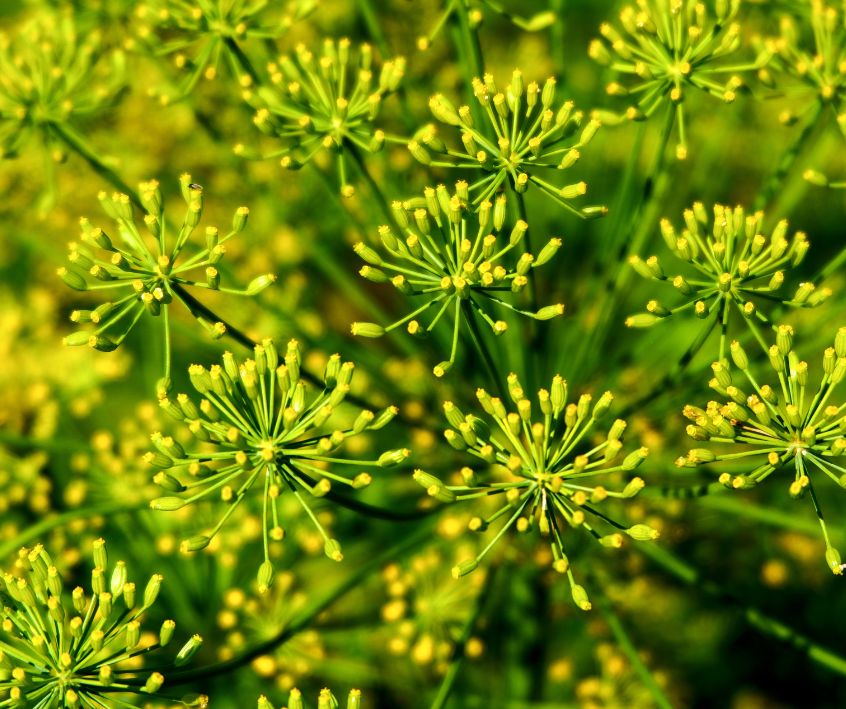
This is the classic, reliable friend of the dill world. If you buy a generic packet of seeds, it’s likely Bouquet. It grows tall and proud, often reaching three feet in height, with large yellow flower umbels that pollinators absolutely adore. It’s also known for going to seed quickly, which is a feature, not a bug, if you are after the seeds.
- Best Uses: This is the king of pickling. Because it produces large seed heads and matures early, it’s perfect for timing with your cucumber harvest. Use the flowers and seeds to pack into jars for traditional dill pickles.
Fernleaf
If you are short on space or gardening on a balcony, Fernleaf is a game-changer. It is a dwarf variety that stays compact, usually topping out at around 18 inches. It is slow to bolt (flower), which means it produces lush, dark green foliage for a much longer season than the taller types. It looks lovely tucked into a mixed container garden.
- Best Uses: Fresh eating and garnishes. Because it focuses its energy on leaves rather than seeds, it provides a steady supply of fresh dill weed for salads, fish dishes, and creamy potato salads all summer long.
Mammoth (Long Island Mammoth)
As the name suggests, this one is a giant. It can easily grow to four or five feet tall, making a dramatic statement in the back of a garden border. It is vigorous and hardy, producing an abundance of foliage before shooting up its massive stalks.
- Best Uses: High-volume processing. If you are planning to can dozens of jars of pickles or dry a large batch of herbs for winter, Mammoth gives you the sheer volume you need. Just make sure to stake it if you live in a windy area!
Dukat
Dukat is often praised by chefs for having the most intense flavor. It has a higher essential oil content than other varieties, which keeps the flavor bright and aromatic even after the leaves are chopped. It grows upright and offers plenty of vibrant green leaves.
- Best Uses: Cooking and sauces. Because the flavor is so distinct, it shines in dishes where dill is the star, like gravlax, tzatziki, or a simple dill butter. It’s also excellent for drying, as it retains its flavor better than most.
Hercules
This is a slower-growing variety, which is great if you want to extend your harvest. It takes its time before flowering, giving you a longer window to harvest the tender leaves. The foliage is a slightly lighter, blue-green color compared to others, adding a nice visual texture to the garden.
- Best Uses: A steady kitchen staple. If you hate it when your dill bolts just as you’re ready to make a salad, plant Hercules. It’s reliable for cut-and-come-again harvesting throughout the season.
Starting Dill Seeds Indoors: Getting a Head Start
If you’re eager to extend your growing season or live in a region with a shorter summer, starting dill seeds indoors is a smart move.
Dill has a taproot, which means it doesn’t love being transplanted. But with a little care, you can successfully start seeds indoors and give your plants a strong start.
Where to find seeds, plants, and supplies:
When to Start: Begin sowing seeds indoors about 4–6 weeks before your last expected frost date.
How to Start Seeds Indoors:
- Choose biodegradable pots or newspaper pots that can be planted directly into the garden. This minimizes root disturbance. Try: Back to The Roots Organic & Plantable Seed Starting Pots
- Fill each pot with a high-quality seed-starting mix. Back to The Roots Organic Seed Starting, Compressed Block
- Plant 2–3 seeds per pot, covering them lightly with about ¼ inch of soil.
- Water gently and place the pots in a warm spot with plenty of light. A sunny windowsill or grow light works well. Barrina T5 Grow Lights for Indoor Plants, 5000K Full Spectrum
- Keep the soil moist but not waterlogged. Seeds should germinate within 10–14 days.
- Once seedlings develop their first true leaves, thin to the strongest plant per pot.
Transplanting: When seedlings are about 3 inches tall and outdoor temperatures are consistently above 60°F, harden them off by gradually exposing them to outdoor conditions over a week. Then, plant the entire biodegradable pot directly into the garden to avoid disturbing the roots.
Direct Sowing: The Simplest Path to Success
For most gardeners, direct sowing is the easiest and most effective way to grow dill. Since dill doesn’t transplant well, sowing seeds directly into the garden helps you avoid any root disturbance.
When to Direct Sow: Sow seeds outdoors after the last spring frost, once soil temperatures reach at least 60°F.
How to Direct Sow:
- Choose a sunny spot with well-drained soil.
- Loosen the soil to a depth of about 6 inches and mix in compost for added nutrients.
- Scatter seeds thinly in rows or small patches, covering them with about ¼ inch of soil.
- Space rows 12–18 inches apart.
- Water gently and keep the soil consistently moist until germination.
- Thin seedlings to 6–12 inches apart once they’re a few inches tall. Don’t skip this step—crowded plants won’t thrive.
Succession Planting: Fresh Dill All Season Long
Dill grows quickly and tends to bolt (go to seed) once hot weather arrives. To enjoy a continuous supply of fresh leaves throughout the growing season, practice succession planting.
How It Works: Sow a new batch of dill seeds every 2–3 weeks from spring through midsummer. This staggered approach ensures that as one planting matures and bolts, the next is ready to take its place.
Tips for Success:
- Mark your calendar with sowing dates so you don’t forget.
- Consider planting in different garden areas to make the most of your space.
- In late summer, reduce planting frequency as cooler fall weather allows dill to grow more slowly and last longer.
Caring for Your Dill Plants
Dill is a low-maintenance herb, but a little attention goes a long way.
Watering: Keep the soil consistently moist, especially during dry spells. Dill prefers about 1–2 inches of water per week. Mulching around plants helps retain moisture and suppresses weeds.
From Straw to Wood Chips: Choosing the Right Mulch for Your Garden
Fertilizing: Dill isn’t a heavy feeder. A light application of compost or a balanced organic fertilizer at planting time is usually sufficient. Avoid over-fertilizing, which can lead to lush foliage with less flavor.
7 Best Garden Soil Amendments and Fertilizers
Weeding: Keep the area around your dill plants weed-free, especially when they’re young. Weeds compete for nutrients and water.
Support: Tall varieties may benefit from staking, especially in windy locations.
Pests, Problems, and Companion Planting
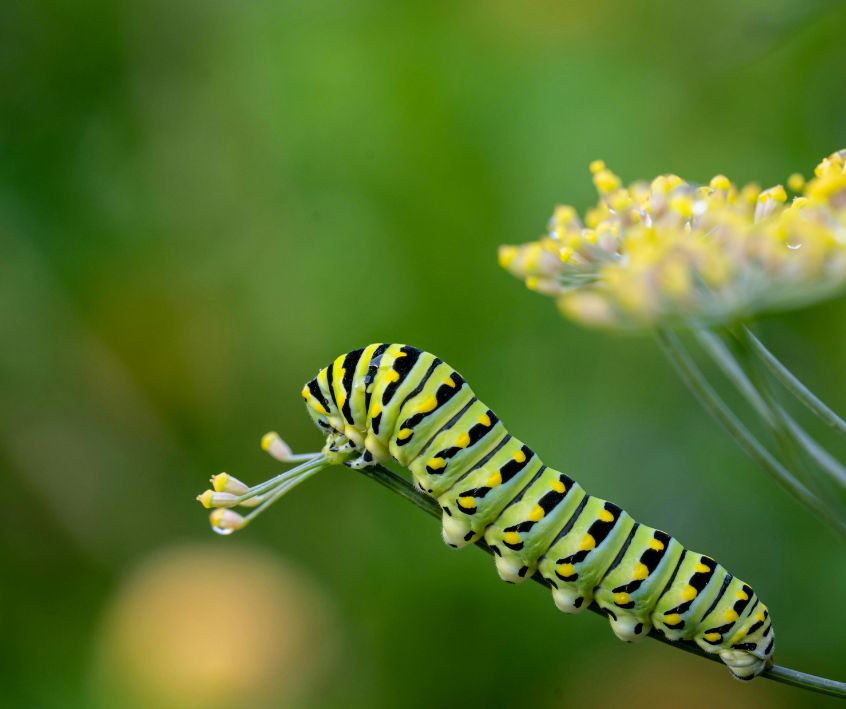
Dill is relatively pest-resistant, but a few common culprits may show up.
Common Pests:
- Aphids: These tiny insects cluster on new growth. Spray them off with a strong stream of water or use insecticidal soap.
- Tomato Hornworms: These large green caterpillars love dill. Hand-pick them or introduce beneficial insects like parasitic wasps.
- Parsley Worms (Swallowtail Caterpillars): These striking black-and-green caterpillars may munch on dill but will eventually transform into beautiful swallowtail butterflies. Many gardeners choose to share their dill with these helpful pollinators.
Companion Planting: Dill is a fantastic companion plant. It attracts beneficial insects like ladybugs, lacewings, and hoverflies, which prey on garden pests. Plant dill near cabbage, cucumbers, lettuce, and onions for mutual benefits.
Entice Bees, Butterflies, and Ladybugs – Start Your Own Insectary Garden!
What to Avoid: Keep dill away from carrots (they can cross-pollinate and produce odd-tasting offspring), fennel (they inhibit each other’s growth), and tomatoes (dill can attract pests harmful to tomatoes when mature).
How and When to Harvest Dill
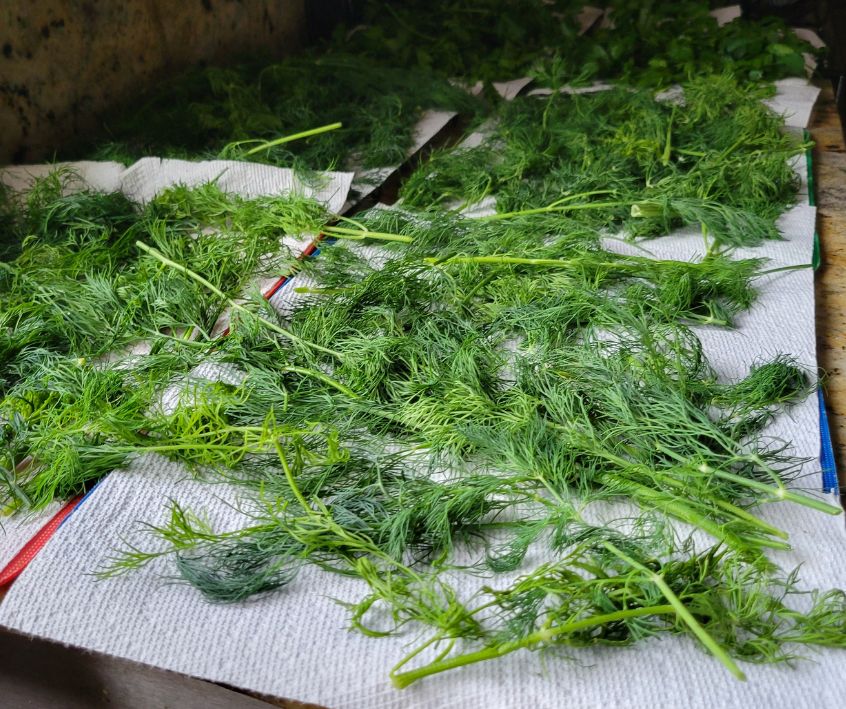
Knowing when and how to harvest dill ensures you get the best flavor and the most from your plants.
Harvesting Leaves (Dill Weed):
- Begin harvesting once plants are at least 8 inches tall.
- Snip leaves in the morning after the dew has dried but before the heat of the day.
- Cut outer leaves first, allowing the center to continue growing.
- For the most intense flavor, harvest just before the plant flowers.
Harvesting Seeds:
- Allow some plants to flower and form seed heads.
- Once the seeds turn brown and begin to dry (usually late summer), cut the seed heads and place them in a paper bag.
- Hang the bag in a warm, dry place for a week or two. The seeds will fall into the bag as they dry.
Harvesting Flowers:
- Dill flowers are edible and make a beautiful, flavorful garnish. Harvest them just as they open.
Preserving Your Dill Harvest
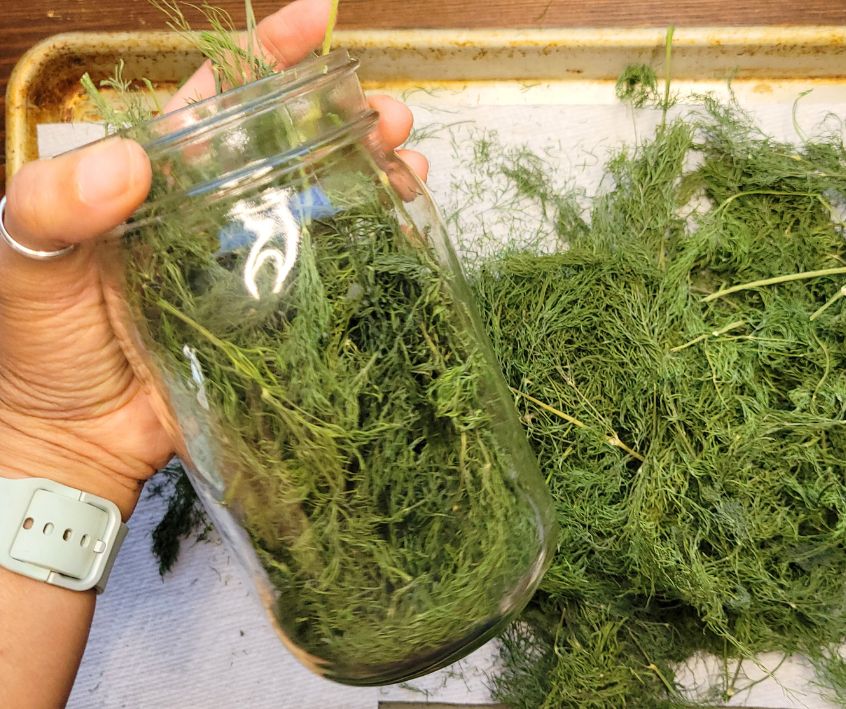
Fresh dill is delicious, but preserving it lets you enjoy your harvest long after the growing season ends.
Drying Dill:
- Rinse freshly cut dill and pat it dry.
- Bundle 4–5 stems together and secure with a rubber band.
- Hang the bundles upside down in a warm, dry, well-ventilated space away from direct sunlight.
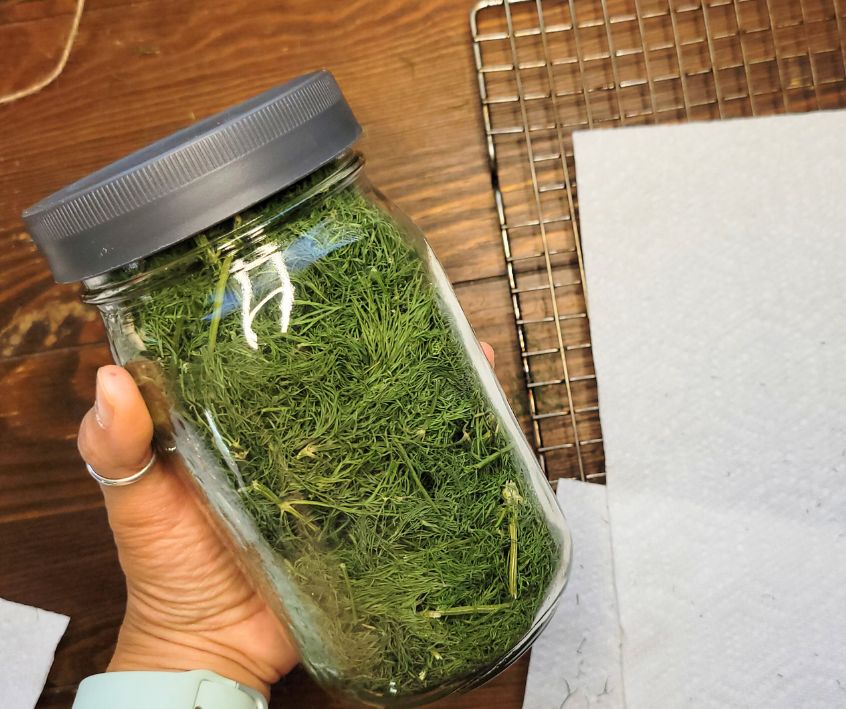
- Once completely dry (about 1–2 weeks), strip the leaves from the stems and store in an airtight container.
Freezing Dill:
- Wash and dry fresh dill thoroughly.
- Chop the leaves and place them in ice cube trays.
- Fill each compartment with water or olive oil and freeze.
- Pop out the frozen cubes and store them in a freezer bag. Add them directly to soups, stews, and sauces.
Dill Seeds: Store dried dill seeds in an airtight container in a cool, dark place. They’ll retain their flavor for up to a year.
Culinary and Medicinal Uses for Dill
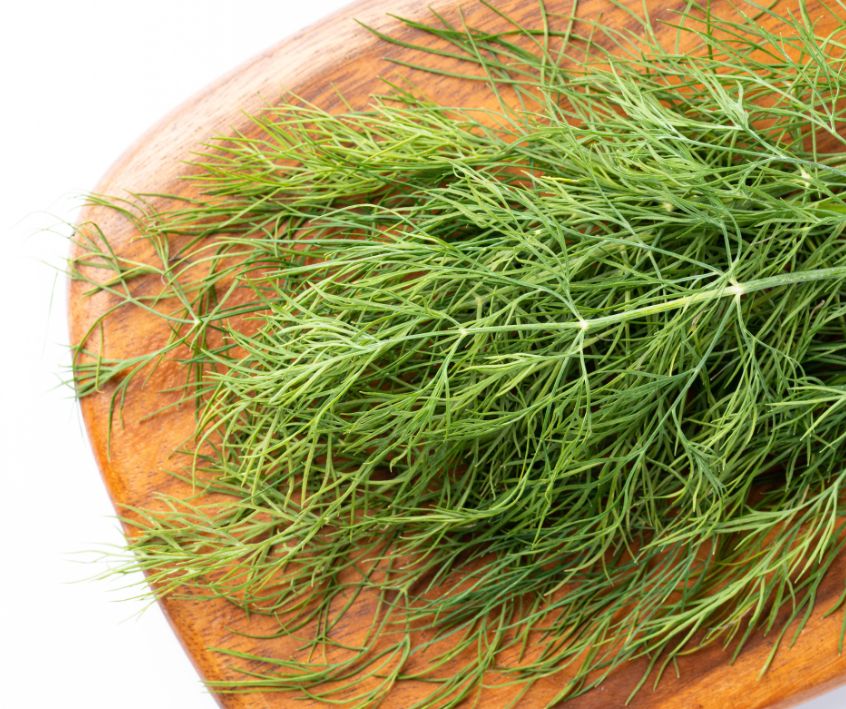
Dill’s bright, tangy flavor enhances countless dishes. Fresh dill is delicate and grassy, while dried dill has a slightly sharper taste. Dill seeds offer a warm, slightly bitter flavor reminiscent of caraway.
Culinary Uses:
- Toss fresh dill into salads, potato dishes, and grain bowls.
- Stir it into yogurt-based sauces or sour cream for a zesty dip.
- Add it to scrambled eggs, omelets, or frittatas.
- Use dill seeds in pickling brines, bread, and spice blends.
Medicinal Uses:
- Brew dill tea by steeping fresh or dried leaves in hot water to ease digestion and calm an upset stomach.
- Chew dill seeds after meals to freshen breath and support digestion.
- Apply dill-infused oil topically to soothe minor skin irritations (always test on a small area first).
Three Easy Recipes Featuring Fresh Dill
1. Classic Refrigerator Dill Pickles
Ingredients:
- 4 cups sliced cucumbers
- 1 cup white vinegar
- 1 cup water
- 2 tablespoons sugar
- 1 tablespoon salt
- 3 cloves garlic, sliced
- 3 sprigs fresh dill
- 1 teaspoon dill seeds
Instructions:
- Pack cucumbers, garlic, dill sprigs, and dill seeds into a clean jar.
- In a saucepan, bring vinegar, water, sugar, and salt to a boil.
- Pour the hot brine over the cucumbers and let cool to room temperature.
- Seal and refrigerate for at least 24 hours before enjoying. Pickles will keep for up to a month.
2. Creamy Dill Sauce
Ingredients:
- 1 cup sour cream or Greek yogurt
- 2 tablespoons fresh dill, chopped
- 1 tablespoon lemon juice
- 1 clove garlic, minced
- Salt and pepper to taste
Instructions:
- Combine all ingredients in a bowl and mix well.
- Refrigerate for at least 30 minutes to let flavors meld.
- Serve with grilled salmon, roasted vegetables, or as a dip for fresh veggies.
3. Dill and Lemon Butter for Vegetables
Ingredients:
- 4 tablespoons unsalted butter, softened
- 2 tablespoons fresh dill, minced
- Zest of 1 lemon
- Pinch of salt
Instructions:
- Mix butter, dill, lemon zest, and salt until well combined.
- Roll into a log using parchment paper and refrigerate until firm.
- Slice off rounds to melt over steamed potatoes, green beans, or corn on the cob.
Bring Dill Into Your Garden and Kitchen
Growing dill is one of the most satisfying gardening projects you can take on. It’s fast, forgiving, and incredibly productive. Whether you’re pickling cucumbers, whipping up a creamy sauce, or simply snipping a few fronds to brighten up dinner, this humble herb delivers every time.
From ancient folklore to modern kitchens, dill has earned its place as a garden favorite. So grab a packet of seeds, find a sunny spot, and start growing. Your taste buds and your dinner guests will thank you.
Visit the Garden Resources page for supplies and inspiration. Don’t forget to subscribe to the Calendula’s Garden Newsletter for more gardening tips.
Calendula’s Garden is reader supported. When you buy through links on our site, we may earn an affiliate commission. As an Amazon Associate, I earn from qualifying purchases. For more information, view our Disclaimer page. Thank you!