Your Guide to a Pollinator Friendly Spring Garden
Calendula's Garden is reader suported This post may contain affiliate links, more on our Disclaimer page. Thank you!
As the days grow longer and the air gets warmer, many of us feel the pull to get back into our gardens. There’s something special about digging in the soil and planning for the blooms to come.
But what if your garden could do more than just look beautiful? What if it could become a lively sanctuary for some of nature’s most important workers? This spring, you can create a garden that not only dazzles with color but also provides a vital habitat for pollinators.
Creating a pollinator-friendly garden is one of the most rewarding things a gardener can do. It’s about building a small ecosystem that supports the bees, butterflies, and hummingbirds that are essential for a healthy planet.
For a beginner gardener, it might sound like a big project, but it’s simpler than you think. This guide will walk you through everything you need to know, from understanding who these pollinators are to choosing the perfect plants to attract them. Get ready to watch your garden buzz with life!
Understanding Our Pollinator Pals
Before we start digging, let’s get to know the little critters we’re hoping to attract. Pollinators are animals that move pollen from one part of a flower to another, helping plants to reproduce. This process is crucial for the production of fruits, vegetables, and seeds.
Types of Pollinators
While there are many types of pollinators, here are a few you’re likely to see in your spring garden:
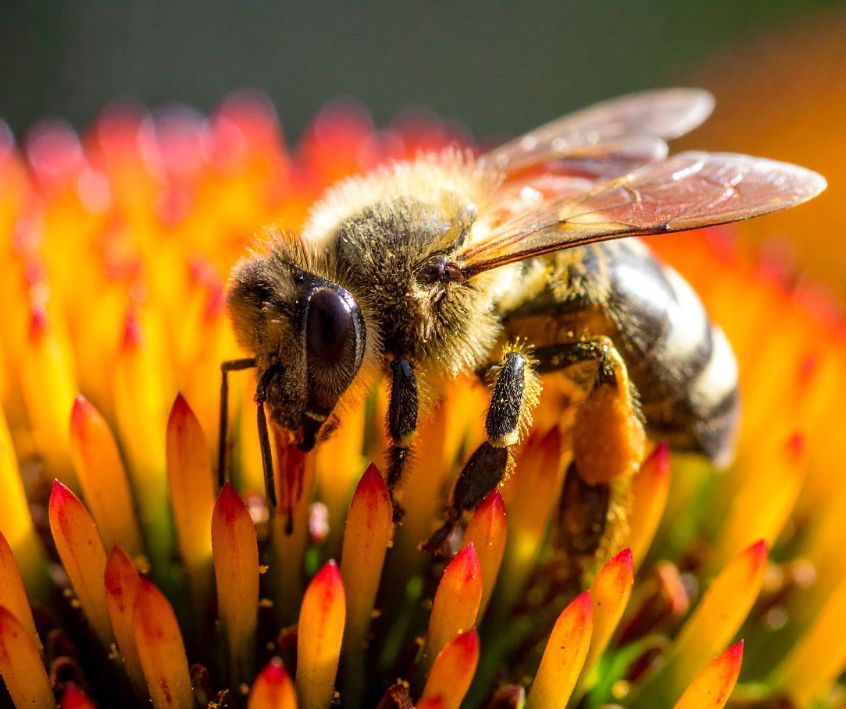
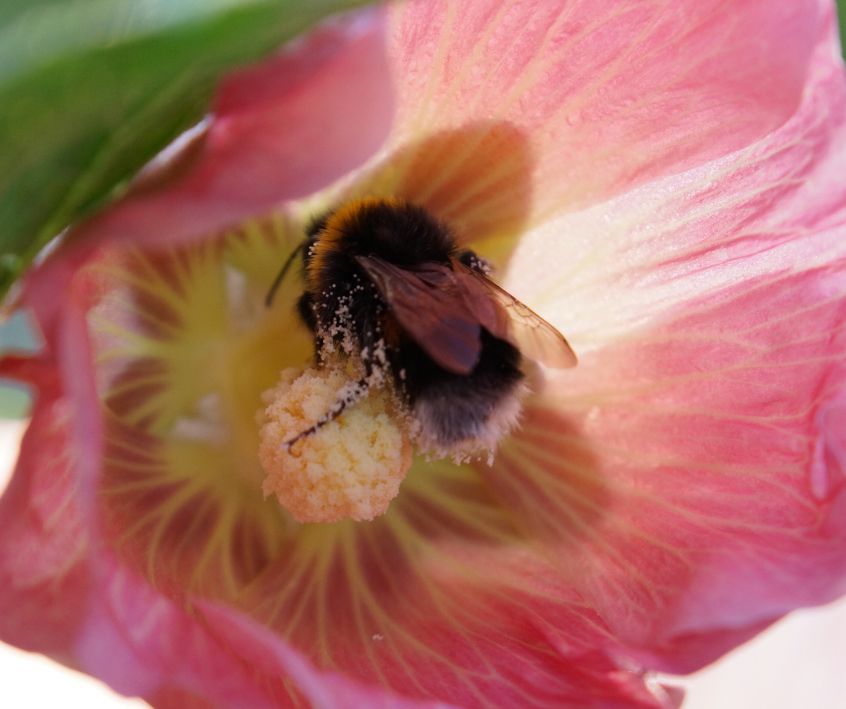
Bees
Often the first pollinator that comes to mind, bees are the superstars of the pollination world. From fuzzy bumblebees to industrious honeybees and solitary native bees, they are incredibly efficient at their job. They are particularly drawn to blue, purple, and yellow flowers.
Butterflies
These graceful insects add a touch of magic to any garden. They prefer brightly colored flowers, like red, orange, and yellow, that are clustered together and provide a good landing platform.
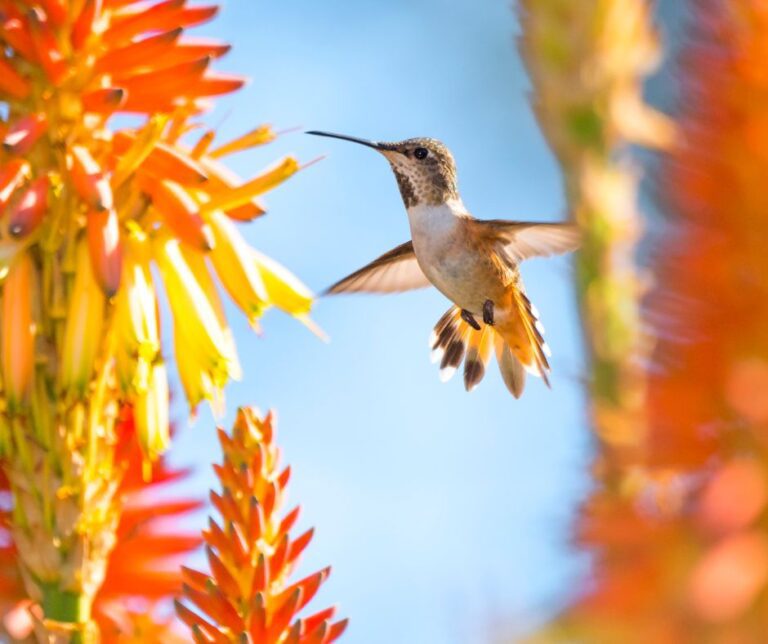
Hummingbirds
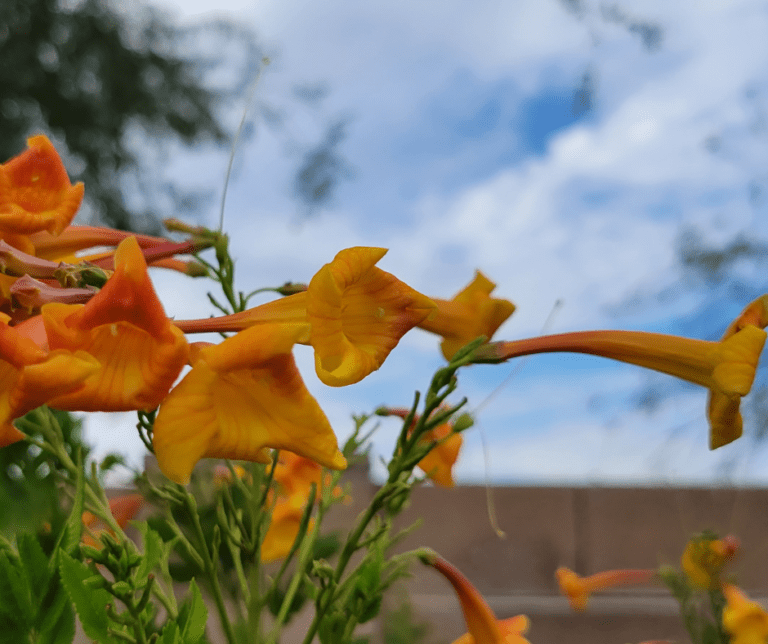
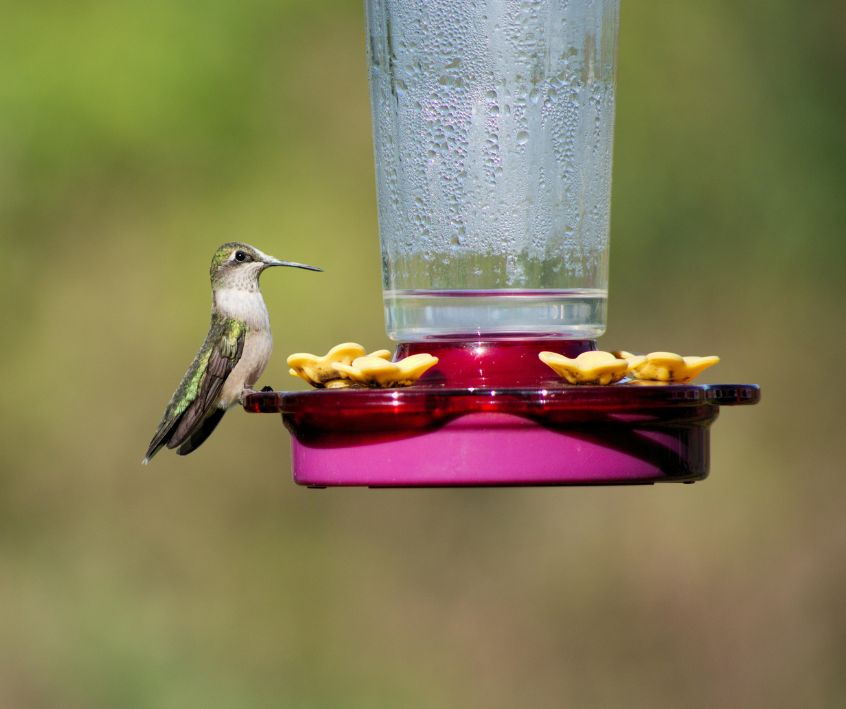
These tiny, energetic birds are a joy to watch. They are attracted to tubular-shaped flowers, especially in shades of red, and need a lot of nectar to fuel their high metabolism.
Why Pollinators Matter
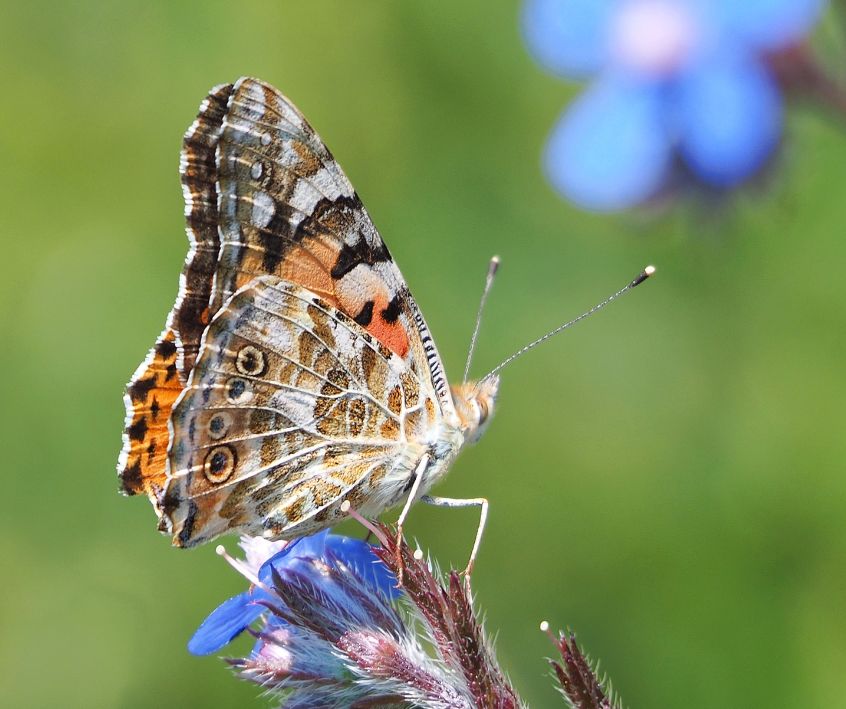
Pollinators are more than just pretty visitors; they are essential for a healthy ecosystem. About 75% of the world’s flowering plants and about 35% of the world’s food crops depend on animal pollinators to reproduce.
Without them, our food supply would be significantly reduced, and our natural landscapes would suffer. By creating a pollinator-friendly space, you’re not just beautifying your yard. You’re contributing to a healthier planet.
Planning Your Spring Pollinator Garden
A little planning goes a long way in creating a garden that both you and your pollinator friends will love.
Choosing the Right Spot
Most pollinator-friendly plants thrive in sunny locations. Find a spot in your yard that receives at least six hours of direct sunlight per day.
Good drainage is also important, as many of these plants don’t like to have “wet feet.” If you have heavy clay soil, consider adding some organic matter like compost to improve its structure and drainage.
Selecting a Variety of Plants
The key to a successful pollinator garden is diversity. Different pollinators are active at different times of the day and year, and they are attracted to different types of flowers.
Aim to have a variety of plants that bloom from early spring through late fall. This provides a continuous food source for pollinators. Choose flowers of different shapes, sizes, and colors to attract a wide range of visitors.
Where to find seeds, plants, and supplies:
Top Plants to Attract Spring Pollinators
Ready to get planting? Here are some excellent choices for your spring garden that pollinators will adore.
Flowers
Crocus (Crocus spp.)
These are some of the first flowers to bloom in spring, providing a crucial early food source for bees. They are easy to grow from bulbs and come in beautiful shades of purple, yellow, and white.
Planting Tip: Plant crocus bulbs in the fall in a sunny, well-drained spot. They look best planted in large drifts or clusters.
Tulips (Tulipa spp.)
While many hybrid tulips have been bred for looks over nectar, species tulips are fantastic for pollinators. Their bright colors are a beacon for early-emerging bees.
Planting Tip: Plant bulbs in the fall. Choose a location with full sun and well-draining soil.
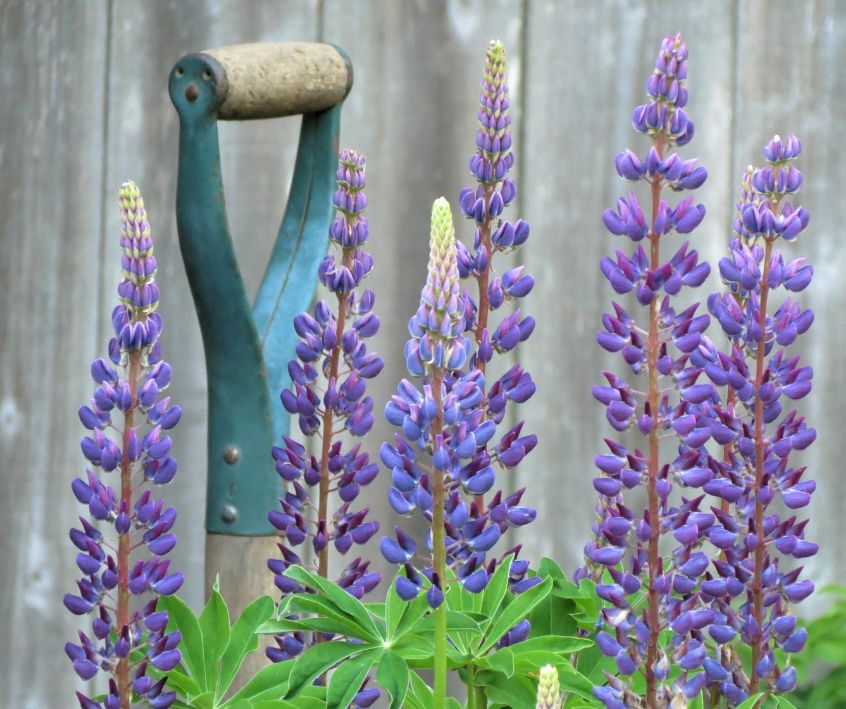
Lupine (Lupinus spp.)
With their tall, striking flower spikes, lupines are a favorite of both bees and hummingbirds. They come in a rainbow of colors and add a wonderful vertical element to the garden.
Planting Tip: Lupines prefer full sun and well-drained soil. They can be started from seed, but it’s often easier to buy young plants.
Herbs
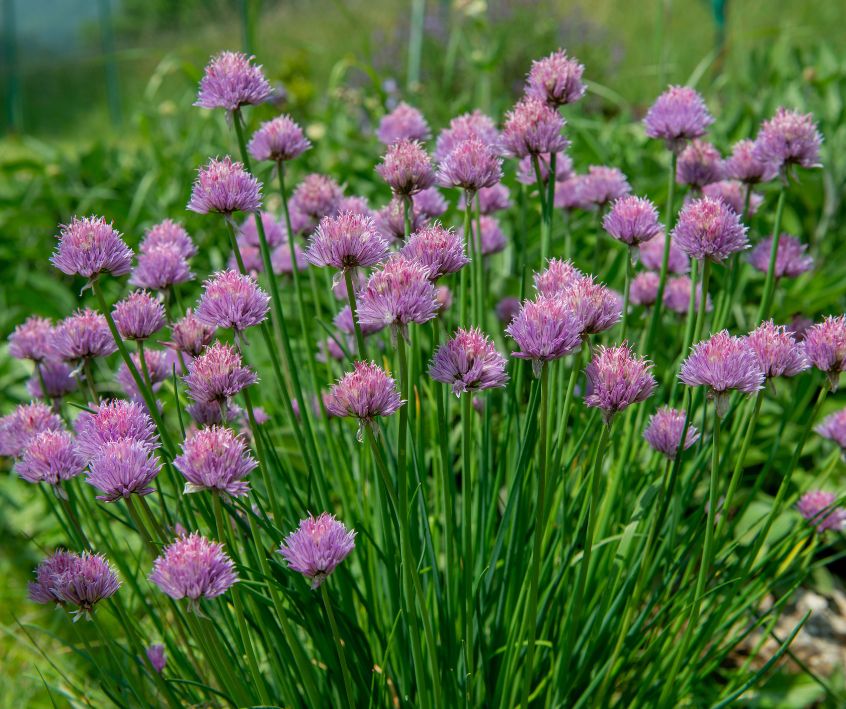
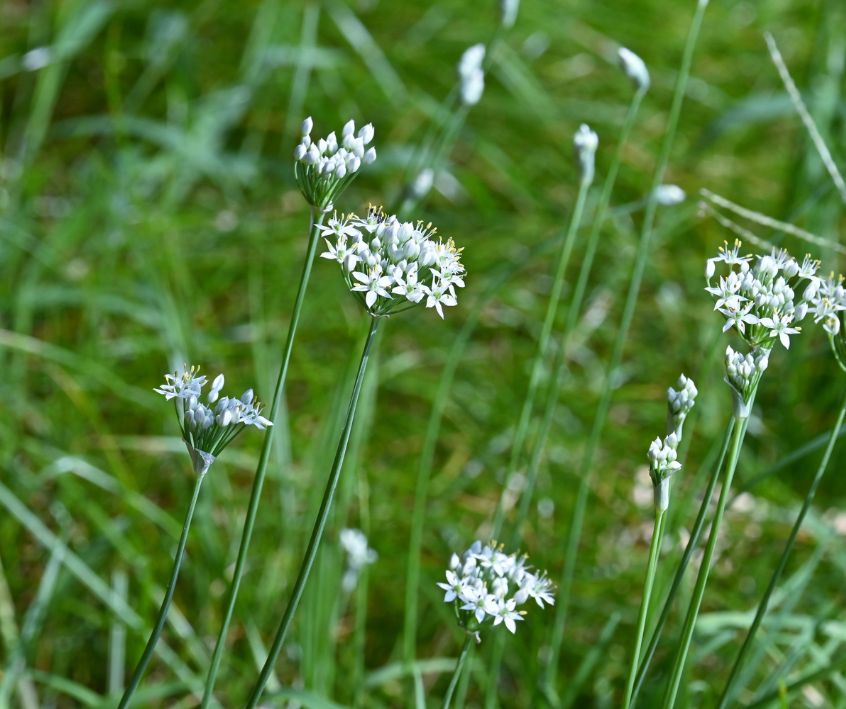
Chives (Allium schoenoprasum)
If you let your chives flower, you’ll be rewarded with lovely purple puffball blooms that are magnets for bees. Plus, you get to enjoy the tasty leaves in your kitchen!
Planting Tip: Chives are incredibly easy to grow. Plant them in a sunny spot in well-drained soil. They do well in both garden beds and containers.
Lavender (Lavandula spp.)
The fragrant purple spikes of lavender are irresistible to bees and butterflies. English lavender varieties are particularly hardy and bloom profusely in late spring and early summer.
Planting Tip: Lavender needs full sun and very well-drained, slightly alkaline soil. It’s drought-tolerant once established.
Lavender Love: A Beginner’s Guide to Growing Lavender in Your Garden
Shrubs
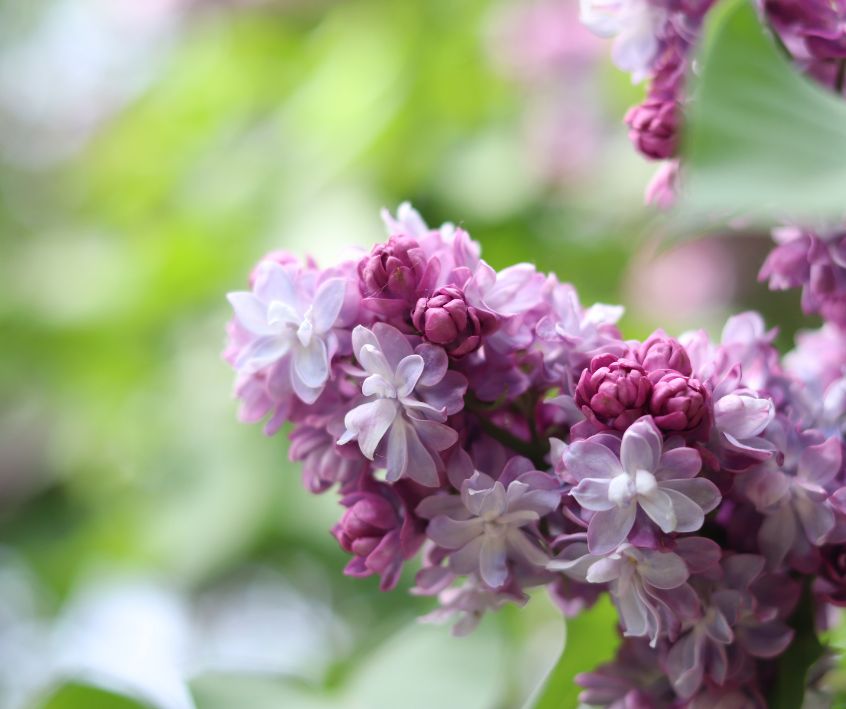
Lilac (Syringa vulgaris)
The intoxicating scent of lilacs is a hallmark of spring, and pollinators love them too. Their large flower clusters are a feast for butterflies and bees.
Planting Tip: Plant lilacs in full sun and well-drained soil. Give them plenty of space to grow, as they can become quite large.
Weigela (Weigela florida)
This hardy shrub produces masses of trumpet-shaped flowers that are perfect for hummingbirds. Modern varieties come in a range of sizes and foliage colors.
Planting Tip: Weigela is adaptable but does best in full sun with moist, well-drained soil.
Caring for Your Pollinator Paradise
Once your garden is planted, a little maintenance will keep it healthy and inviting for pollinators all season long.
Water, Mulch, and Fertilize
Water your new plants regularly until they are established. Once they’ve settled in, water them deeply but less frequently to encourage deep root growth.
A layer of mulch around your plants will help retain moisture, suppress weeds, and keep the soil cool. As for fertilizer, less is often more.
Most native plants and pollinator-friendly perennials prefer lean soil, and too much fertilizer can lead to lots of leaves but fewer flowers.
From Straw to Wood Chips: Choosing the Right Mulch for Your Garden
Avoid Pesticides
This is the golden rule of pollinator gardening. Pesticides, especially insecticides, can be incredibly harmful to bees, butterflies, and other beneficial insects.
If you must deal with a pest problem, look for organic or non-toxic solutions, like insecticidal soap or neem oil, and apply them in the evening when pollinators are less active. Herbicides can also be problematic, as they can kill the “weeds” that may be important food sources for pollinators.
Creating a Welcoming Environment
A truly pollinator-friendly garden offers more than just food.
Provide a Water Source
Pollinators need water to drink. A simple shallow dish or birdbath filled with fresh water is perfect. Add some pebbles or marbles to the dish so the insects have a safe place to land and drink without drowning.
Nurturing Nature: Pollinator Garden Water Source Ideas
Create Shelter and Nesting Sites
Many native bees are solitary and need places to nest. You can help them by leaving a small pile of branches or a patch of bare ground in a quiet corner of your yard.
You can also purchase or build a “bee hotel” to provide nesting tubes for certain species. Leaving some leaf litter on your garden beds over the winter can also provide shelter for overwintering insects.
Enjoy Your Buzzing Garden
Creating a spring garden for pollinators is a journey that connects you more deeply with the natural world. It’s about more than just pretty flowers; it’s about creating a living, breathing space that supports the tiny creatures that our planet depends on.
As you watch bees flit from flower to flower and see a butterfly land on a bloom you planted, you’ll feel a sense of accomplishment that goes beyond simple gardening.
So, this spring, why not make your garden a haven for pollinators? With a little planning and a lot of heart, you can create a beautiful space that buzzes with life and makes a real difference.
Visit the Garden Resources page for supplies and inspiration. Don’t forget to subscribe to the Calendula’s Garden Newsletter for more gardening tips.
Calendula’s Garden is reader supported. When you buy through links on our site, we may earn an affiliate commission. As an Amazon Associate, I earn from qualifying purchases. For more information, view our Disclaimer page. Thank you!