Your Complete Guide to Growing Happy Aloe Vera Plants
Calendula's Garden is reader suported This post may contain affiliate links, more on our Disclaimer page. Thank you!
Welcome to the wonderful, spiky, and incredibly rewarding world of aloe vera plants. If you have ever admired a plump, green succulent sitting happily on a sunny windowsill, you already know there is something undeniably charming about this plant.
Known scientifically as Aloe barbadensis miller, this resilient succulent is practically a must-have for anyone looking to bring a touch of green into their home.
What makes aloe vera truly special is its dual personality. On one hand, it is a striking architectural plant that adds a modern touch to any room or garden.
On the other hand, it acts as a living first-aid kit, packed with soothing gel that has been prized for thousands of years. It is a forgiving plant that asks for very little, making it an absolutely perfect starting point for beginner gardeners.
Throughout this guide, we are going to explore everything you need to know about welcoming an aloe plant into your life.
We will cover the fascinating history of this desert native, walk through the exact steps for growing it indoors and outdoors, and share tips for harvesting that famous soothing gel. Grab your gardening gloves, and let’s get started.
Aloe Characteristics Table
| Characteristic | Description |
| Common Name | Aloe Vera, Medicinal Aloe |
| Botanical Name | Aloe vera (syn. Aloe barbadensis) |
| Plant Type | Succulent evergreen perennial |
| USDA Hardiness Zones | Zones 10–12 (must be grown as a houseplant or brought indoors in cooler zones; cannot tolerate freezing temperatures) |
| Mature Height | 1 to 2 feet (flower stalks may rise to 3 feet) |
| Mature Spread | 2 to 3 feet (forms clumps via offsets, known as “pups”) |
| Light Requirements | Bright, indirect sunlight to partial sun (too much direct, intense sun can scorch leaves and turn them orange or brown) |
| Moisture Requirements | Low; highly drought-tolerant. Use the “soak and dry” method: water deeply, then allow the soil to dry out completely before watering again. Susceptible to root rot if overwatered. |
| Soil Preference | Sandy, gritty, fast-draining soil; commercial cactus or succulent potting mix is ideal. Prefers a neutral to slightly alkaline pH (7.0–8.5). |
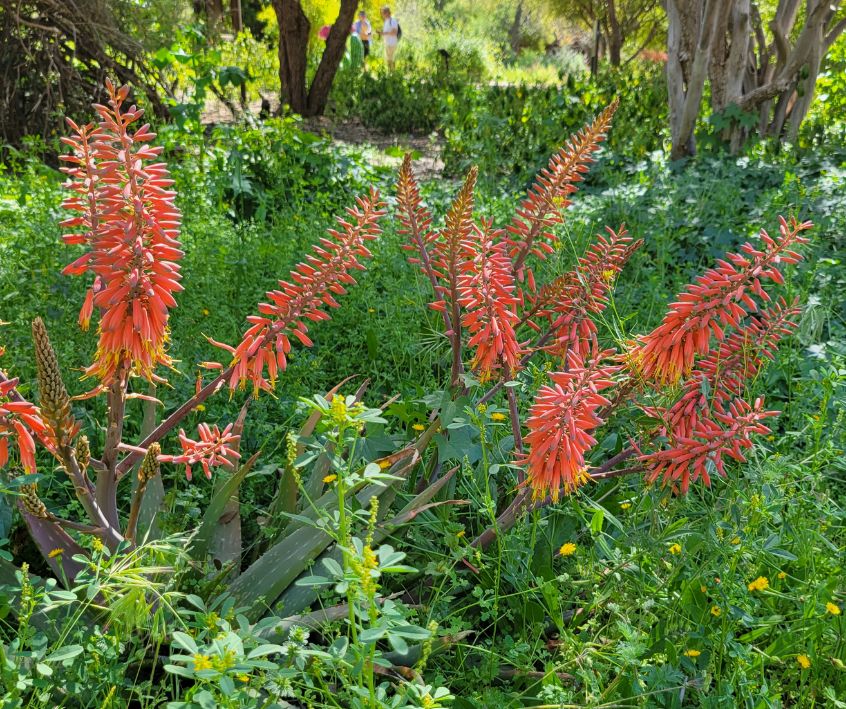
| Bloom Time | Summer (mature plants produce tall spikes topped with yellow or orange tubular flowers). Flowering is rare for indoor plants. |
| Harvest Time | Year-round once the plant is established. Harvest the thick, outer leaves as needed by cutting them cleanly near the base. |
A Glimpse into Aloe’s Natural History & Folklore
Before we dig into the soil, it is fun to look back at where this remarkable plant originated and how it earned its stellar reputation.
Where does aloe come from?
Aloe vera originally hails from the hot, arid climates of the Arabian Peninsula. Over centuries, human trade and travel spread this plant across the globe to regions like the Mediterranean, North Africa, and eventually the Americas.
Because it evolved in harsh desert environments, the plant developed thick, fleshy leaves designed to store water for long periods of drought. That natural adaptation is exactly why it is so easy to care for today.
Ancient uses and beliefs
Our ancestors recognized the value of aloe vera long before modern skincare existed. Ancient Egyptians revered it, famously calling it the “plant of immortality.”
Cleopatra and Nefertiti reportedly used aloe gel as part of their daily beauty routines to maintain their youthful complexions.
Meanwhile, ancient Greek scientists regarded it as a universal panacea, and Alexander the Great was even advised to conquer the island of Socotra simply to secure enough aloe to treat his wounded soldiers.
Fun facts and interesting tidbits
Did you know that aloe vera is just one of over 500 species in the Aloe genus? While many look similar, Aloe barbadensis miller is the variety most prized for its medicinal properties.
In some cultures, hanging an aloe plant above the doorway is thought to ward off evil spirits and bring good luck to the household.
Getting Started: What You Need to Grow Aloe
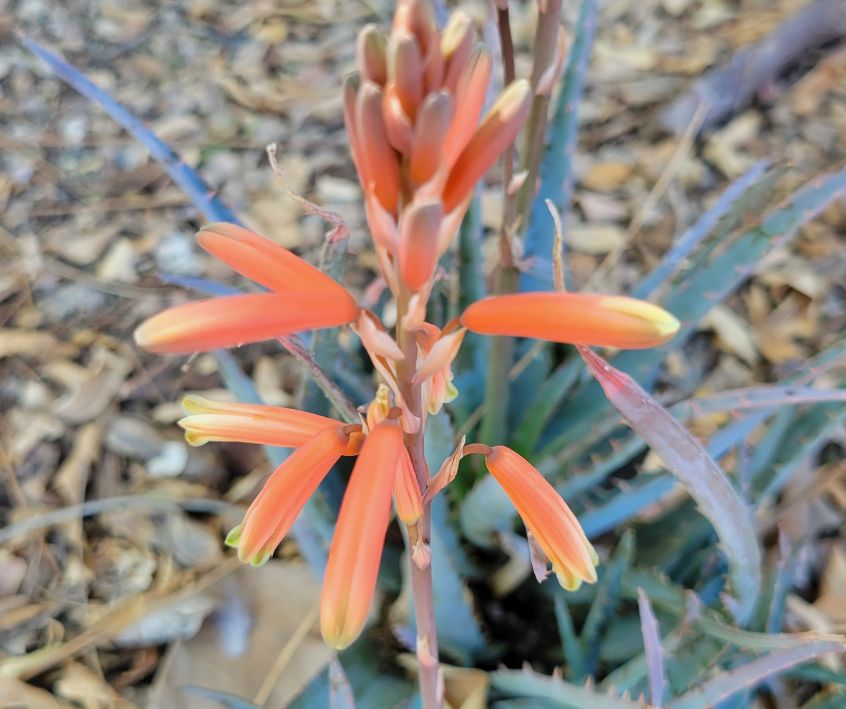
Setting yourself up for success begins with choosing the right materials. Fortunately, aloe vera does not require fancy equipment or an expensive setup.
The right plant: choosing a healthy aloe
When you visit your local nursery or garden center, look for a plant with bright green, plump leaves. The leaves should stand relatively upright and feel firm to the touch.
Avoid plants with soft, mushy spots, severe brown discoloration, or droopy leaves, as these are often signs of overwatering or poor health.
Costa Farms Aloe Vera Plant, Live Succulent, Easy Care Indoor Houseplant in Grower Pot
Essential supplies: pots, soil, tools
You only need a few basics to get started. First, pick up a bag of well-draining potting soil formulated specifically for cacti and succulents.
Regular potting soil holds too much moisture for desert plants. You will also want a pot with at least one large drainage hole at the bottom.
A small hand trowel and a pair of clean, sharp pruning shears will round out your beginner toolkit perfectly.
Supply List for Growing Aloe Plants
Potting Soil: Choose a well-draining soil mix designed for succulents or cacti to prevent root rot. You can also create your own mix by combining regular potting soil with sand or perlite.
Pots with Drainage: Select pots with drainage holes to allow excess water to escape. Terra cotta pots are a great choice as they help the soil dry out faster.
Watering Can: Use a watering can with a narrow spout to water at the base of the plant and avoid overwatering.
Pruning Shears: Keep a clean pair of sharp shears handy for trimming dead leaves and harvesting aloe gel if needed.
Gloves: A pair of gardening gloves will protect your hands while handling the plant, especially if you’re working with varieties with sharp edges.
Sunny Spot or Grow Light: Aloe plants thrive in bright, indirect sunlight. If natural light is limited, a grow light can help supplement their needs.
Growing Aloe Vera Indoors: Your Potted Companion
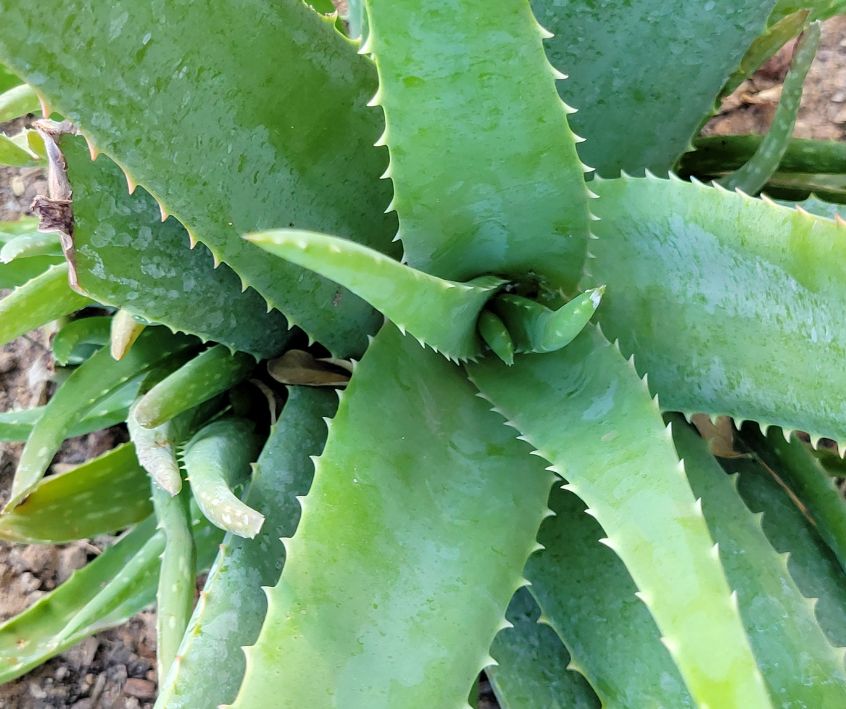
Most people grow aloe vera as a houseplant. It is incredibly well-suited to indoor environments, provided you meet a few of its basic desert-dwelling needs.
Choosing the perfect pot
Drainage is absolutely key. Aloe plants despise sitting in wet soil, which quickly leads to a fatal condition called root rot.
Terracotta or unglazed clay pots are fantastic choices because the porous material allows excess moisture to evaporate through the walls. Always ensure your pot has a drainage hole.
The best soil mix for happy roots
Your soil needs to drain rapidly. If you cannot find a commercial cactus mix, you can easily make your own by mixing regular potting soil with equal parts perlite, pumice, or coarse building sand. This creates the airy, gritty environment that aloe roots naturally crave.
From Drainage to Nutrients: Understanding Cactus Soil Requirements
Sunlight secrets: where to place your potted aloe
Aloe vera loves light. Place your potted companion near a bright, sunny window, ideally one facing south or west.
It needs about six to eight hours of bright, indirect sunlight each day. If the leaves start stretching out or turning pale green, the plant is likely searching for more light.
If the leaves turn a reddish-brown, it might be getting slightly sunburned and needs to be pulled back a few inches from the glass.
Watering wisdom: how much and how often
The most common mistake beginner gardeners make is showing their aloe too much love through overwatering.
Adopt the “soak and dry” method. Water the plant thoroughly until water runs out the bottom of the pot, and then do not water it again until the soil is completely dry all the way through.
In the summer, this might mean watering every two weeks. In the winter, when the plant is dormant, you might only water it once a month.
Feeding your aloe: when and what kind of fertilizer
Aloe plants are not heavy feeders. You can give your plant a gentle boost by applying a diluted liquid houseplant fertilizer (at half strength) just once or twice during the active growing season in spring and summer. Skip the fertilizer entirely during the fall and winter months.
If liquid fertilizer is a hassle Back to the Roots 100% Organic Succulent & Cacti Mix also works great.
Repotting rituals: when and how to give it more space
Because aloe vera has a relatively shallow root system, it does not need frequent repotting.
You will only need to upgrade its pot every two to three years, or when the plant becomes top-heavy and threatens to tip over.
When repotting, choose a container only one size larger than the current one to prevent excess soil from holding onto too much moisture.
Propagating pups: multiplying your aloe family
One of the most exciting parts of growing aloe is watching it produce babies, affectionately called “pups.” These small offsets sprout from the base of the mother plant.
Once a pup is a few inches tall and has its own small root system, you can gently unpot the plant, separate the pup with a clean knife, and plant the baby in its own small pot. Suddenly, you have a brand new plant to keep or give to a friend.
Growing Aloe Vera Outdoors: Sun-Kissed & Thriving
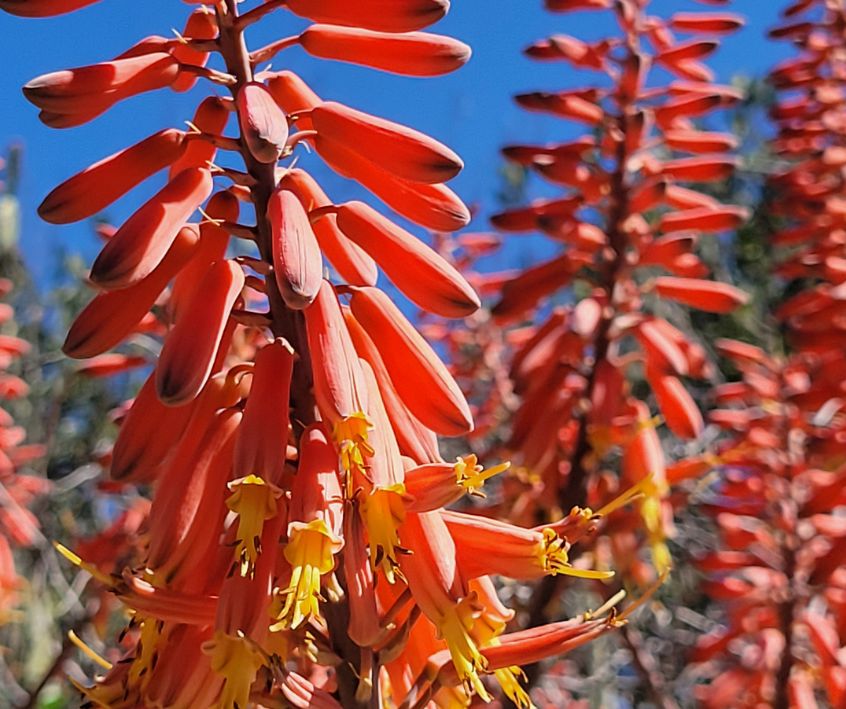
If you live in a warm climate, aloe vera can make a stunning addition to your outdoor garden beds or patio containers.
Ideal climate and location
Aloe plants thrive outdoors year-round in USDA Hardiness Zones 8 through 11. They need plenty of bright light, but in areas with scorching summer heat, they appreciate a little dappled afternoon shade to prevent their leaves from burning.
Preparing your outdoor space: soil and drainage
Just like indoor plants, outdoor aloes require excellent drainage. If your garden has heavy clay soil, consider planting your aloe in raised beds or mixing in generous amounts of coarse sand and gravel to improve the drainage.
Planting your aloe: steps for success
Dig a hole just wide and deep enough to accommodate the root ball. Place the plant in the hole, ensuring the base of the lowest leaves sits just above the soil line to prevent root rot.
Fill in the surrounding gaps with your gritty soil mix and gently press down to secure the plant. Wait a few days before giving it its first watering to allow any disturbed roots to heal.
Outdoor watering and care
Outdoor aloes established in the ground often survive entirely on natural rainfall. During extended dry spells or severe droughts, give them a deep soak every few weeks.
Potted outdoor aloes will dry out faster and will need water when the top two inches of soil feel completely dry.
Protecting your outdoor aloe from the elements
Aloe vera is composed of roughly 95% water, which means it is highly susceptible to freezing temperatures.
A hard frost will cause the water inside the leaves to freeze, turning the plant to mush. If a rare freeze is in the forecast, cover your outdoor plants with a frost cloth, burlap, or even a heavy blanket.
If your outdoor aloes are in pots, simply carry them into the garage or house until the cold front passes.
Common Aloe Vera Problems & How to Solve Them
Even the easiest plants occasionally run into trouble. Learning to read your aloe’s signals will help you correct issues before they become serious.
Yellow leaves, mushy stems: diagnosing issues
If the leaves on your aloe are turning yellow, becoming soft and mushy, or lying flat against the rim of the pot, you are almost certainly overwatering it.
Stop watering immediately, check that the pot is draining properly, and allow the soil to dry out completely.
If the base of the plant is black and squishy, root rot has set in. You may need to take the plant out, trim away the rotted roots, and repot it in fresh, dry soil.
Pests and diseases: identifying and treating
Aloe vera is wonderfully resistant to most pests, but it can occasionally attract sap-sucking insects like mealybugs and scale.
Mealybugs look like tiny bits of white cotton hiding in the crevices where the leaves meet the stem.
Scale insects look like small brown bumps on the leaves. Both can be treated by dipping a cotton swab in rubbing alcohol and gently wiping the bugs away.
Preventing problems before they start
The best defense against pests and diseases is a healthy plant. Provide your aloe with plenty of sunlight, avoid overwatering, and keep the leaves free of heavy dust by gently wiping them with a damp cloth every few months.
The Wonderful Uses of Aloe Vera: Beyond Decoration
Growing an aloe plant is rewarding in itself, but the real magic hides inside those thick, serrated leaves.
Home remedies
Aloe vera gel is a celebrated natural remedy with a wide range of topical uses.
- Sunburn relief: The cooling gel provides immediate relief for red, sun-parched skin, helping to reduce inflammation and speed up healing.
- Minor cuts and scrapes: Aloe possesses mild antibacterial and antiseptic properties, making it a soothing protective barrier for small kitchen burns or garden scrapes.
- Moisturizer and skincare: The gel is incredibly hydrating without being greasy. Many people use a thin layer as a daily facial moisturizer or a soothing mask to calm irritated skin.
More research about the benefits of aloe vera from the NCCIH: Aloe Vera: Usefulness and Safety
How to harvest aloe gel safely
When you are ready to harvest, select a thick, mature leaf from the outermost section of the plant. Using a clean, sharp knife, cut the leaf as close to the base as possible.
Stand the leaf upright in a cup for about ten to fifteen minutes. You will see a yellow sap, known as aloin, drain out. This sap can be highly irritating to the skin, so it is important to let it drain completely.
Once drained, wash the leaf, slice off the spiky edges, and carefully filet the green skin away from the clear, jelly like center.
You can blend this clear gel to make it smooth, then store it in a clean jar in the refrigerator for up to a week.
Important safety notes and precautions
While topical application of clear aloe gel is widely considered safe for most people, do a small patch test on your wrist first to ensure you do not have an allergic reaction.
Furthermore, aloe vera should not be consumed internally by humans or pets without expert medical guidance, as certain parts of the leaf can cause severe digestive distress and toxicity. Keep the plant out of reach of curious cats and dogs.
Fun Facts & Interesting Tidbits
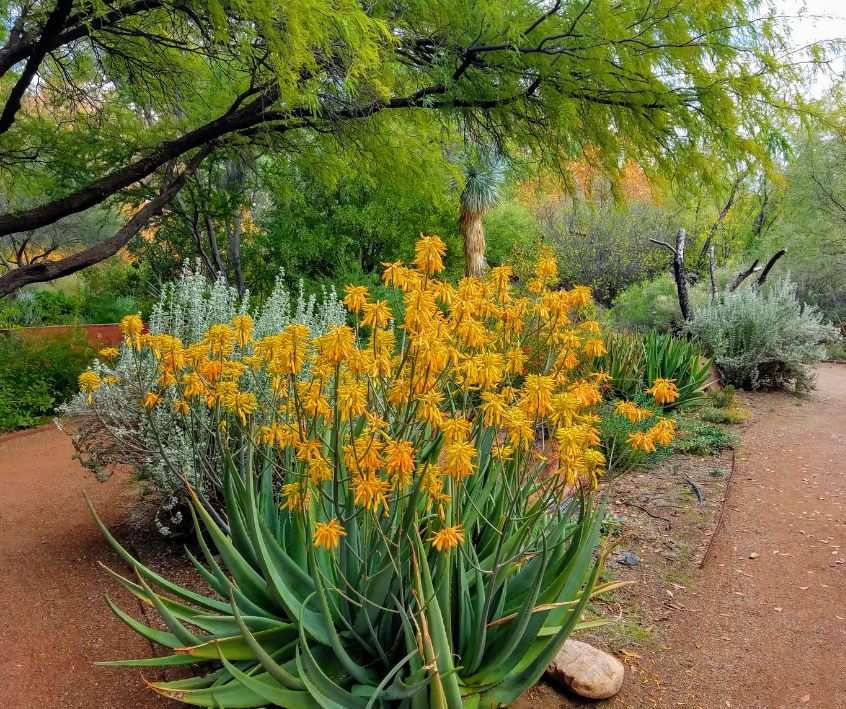
Here is something that often surprises beginner gardeners: happy aloe plants actually bloom!
When grown outdoors in bright light (and occasionally indoors under perfect conditions), mature aloe plants will send up a tall, striking stalk crowned with tubular, brightly colored flowers.
These blooms are usually vibrant shades of coral, yellow, or orange, and they are an absolute magnet for hummingbirds and bees. Seeing your aloe flower for the first time is a true gardening milestone.
Your Green Thumb Journey Begins
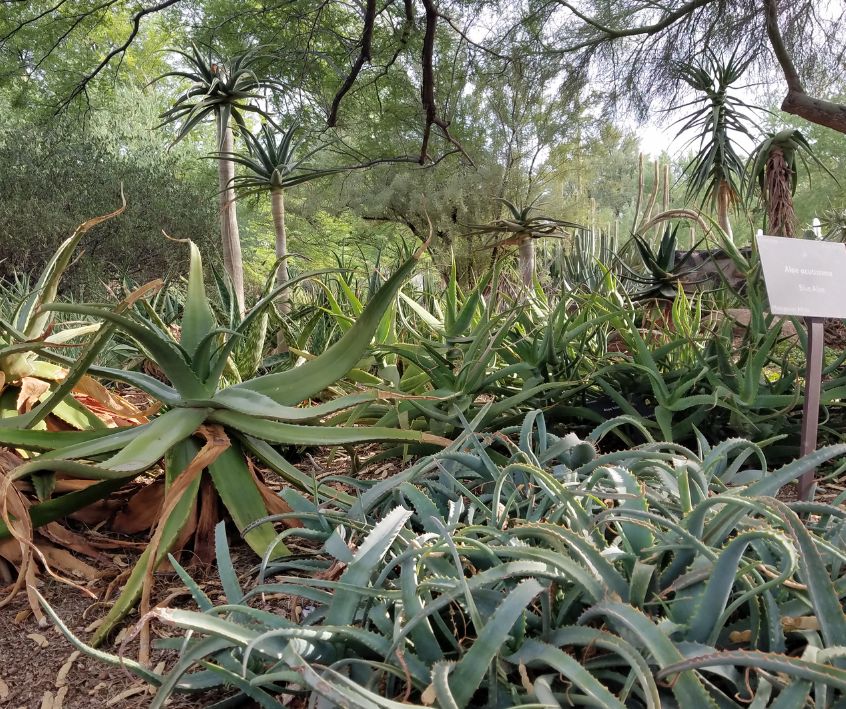
Bringing an aloe vera plant into your home or garden is a fantastic decision. Not only are you adopting a striking piece of living decor, but you are also gaining a rugged, forgiving companion that offers a wealth of natural remedies.
By giving your plant plenty of light, providing excellent drainage, and resisting the urge to overwater, you will be rewarded with a thriving succulent for years to come.
Do not be afraid to get a little dirt under your fingernails. The world of gardening is all about learning, experimenting, and enjoying the process. Welcome to the plant parent club, and enjoy every moment of growing alongside your new aloe.
Visit the Garden Resources page for supplies and inspiration. Don’t forget to subscribe to the Calendula’s Garden Newsletter for more gardening tips.
Calendula’s Garden is reader supported. When you buy through links on our site, we may earn an affiliate commission. As an Amazon Associate, I earn from qualifying purchases. For more information, view our Disclaimer page. Thank you!