Winter Proof Your Garden: The Ultimate Winter Garden Guide for New Gardeners
Calendula's Garden is reader suported This post may contain affiliate links, more on our Disclaimer page. Thank you!

Winter is right around the corner, and for new gardeners, this can be a daunting time. However, don’t let the thought of below-freezing temperatures discourage you from having a flourishing winter garden. Preparing your garden for winter is important to ensure that your plants survive the harsh climate.
As much as we love the cooler temperature and cinnamon everything, it’s also a sign that our gardens need some attention.
Prepping your garden for winter means that your plants will have a better chance of survival and come back healthier in the spring.
If you’re a new gardener or just unsure of what to do, don’t worry, we’ve got you covered. In this ultimate guide, we’ll discuss clean-up tasks, cold weather garden protection, appropriate plants for cold weather, and indoor alternatives such as microgreens.
Clean-up Tasks
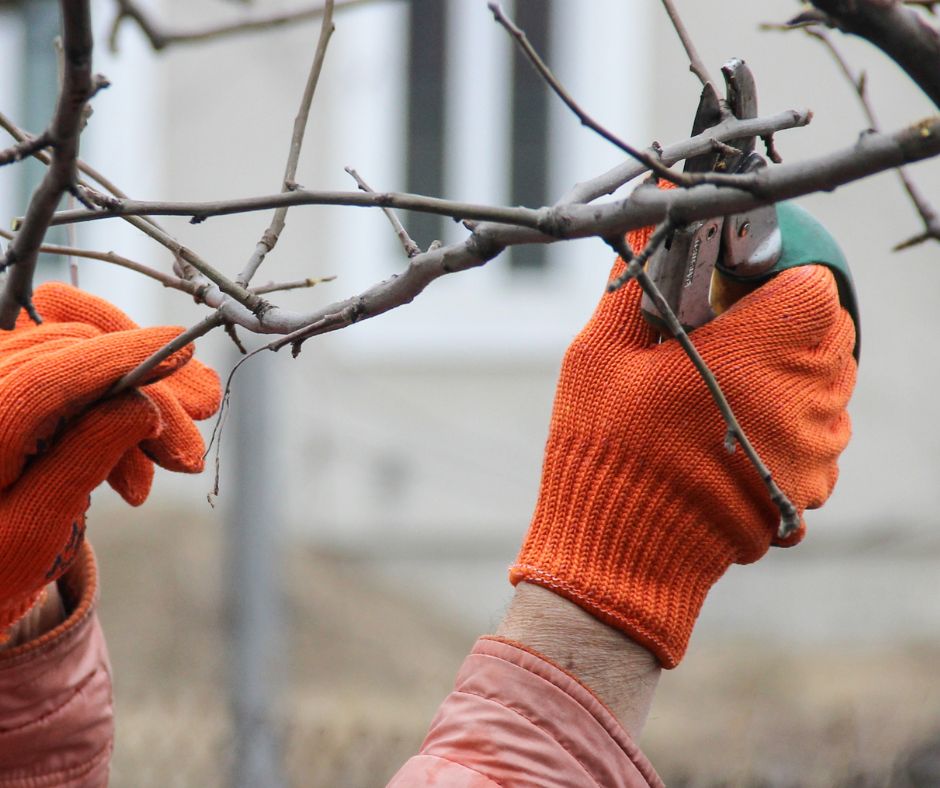
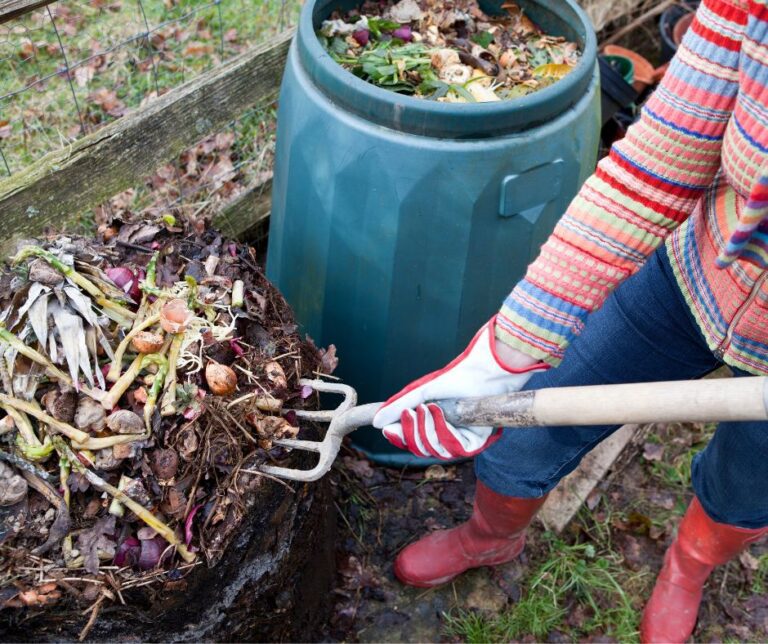
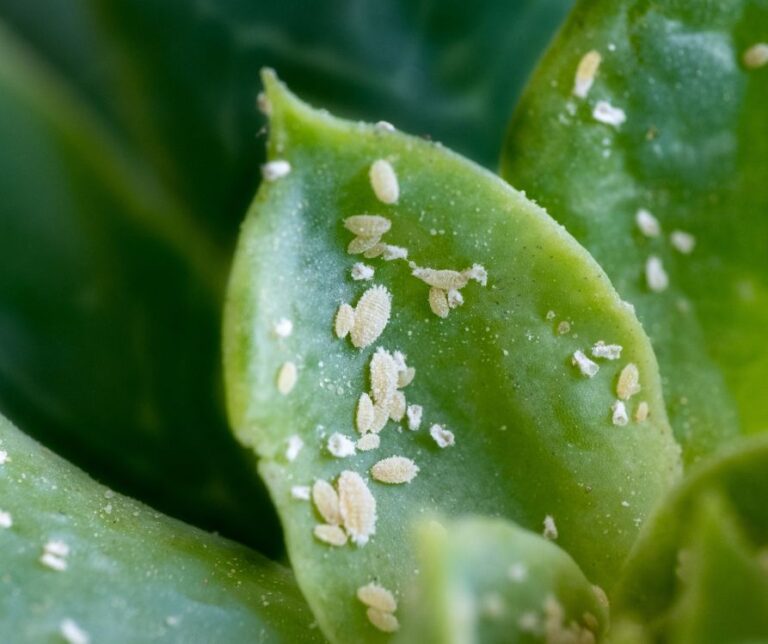
The first step to prepping your garden is to do a thorough clean-up. Start by removing all the dead plants and debris that have accumulated in your garden beds. Dead leaves and debris can harbor diseases and pests, which can damage your plants.
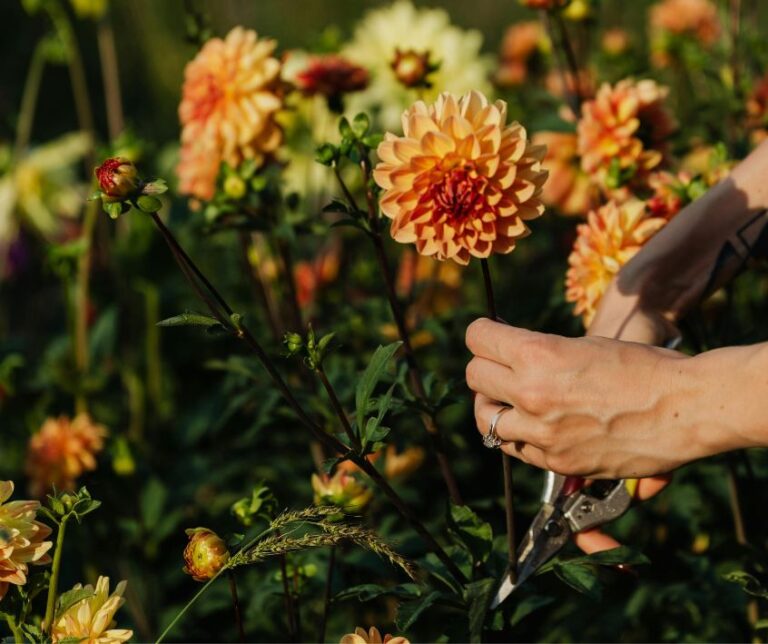
Once you’ve removed all the dead leaves, it’s time to prune. Don’t forget to prune your perennials and shrubs. This will enable them to produce healthy foliage and flowers in the upcoming season.
Prune away any dead or diseased foliage to prevent the spread of the disease come spring.
If you have had issues with pests during the growing season, this is a good time to spray dormant oil. After that, it’s time to mulch.
Mulching helps insulate your plants and prevent the roots from freezing come winter.
Cold-Weather Garden Protection

Protecting your garden against harsh weather conditions is critical. Mulch your garden beds with leaves, straw, or wood chips, creating an insulating layer that keeps the soil warm.
Heavy Duty Outdoor Aluminum Walk-in Green House Kit
Here are some protection tips for your cold-weather garden:
Cover your plants with row covers. Row covers act as blankets, trapping the heat inside and keeping your plants warm.
Use frost blankets or garden fabric to protect your plants from frost. These materials will help your plants retain warmth and prevent frost damage.
Invest in a greenhouse or cold frame. They can provide an insulated environment that protects your plants from the harsh outdoor elements.
Protect Water Faucets and Hoses From Freezing

As the temperatures drop, protecting your outdoor water bibs and hoses from freezing is crucial. Not only can frozen pipes cause inconvenience, but they can also result in costly damage to your home.
One of the easiest and most effective ways to prevent freezing is to ensure that all hoses are disconnected, drained of water, and stored inside. Additionally, covering outdoor bibs with an insulated cover can protect them from the harsh elements.
5 Easy Steps to Winterize Your Lawn Mower
Another helpful tip is to keep indoor temperatures above 55 degrees Fahrenheit, as this can prevent pipes from freezing. By following these simple steps, you can rest assured that your water bibs and hoses are well-protected during the colder months.
Plants that are Perfect for Cold Weather
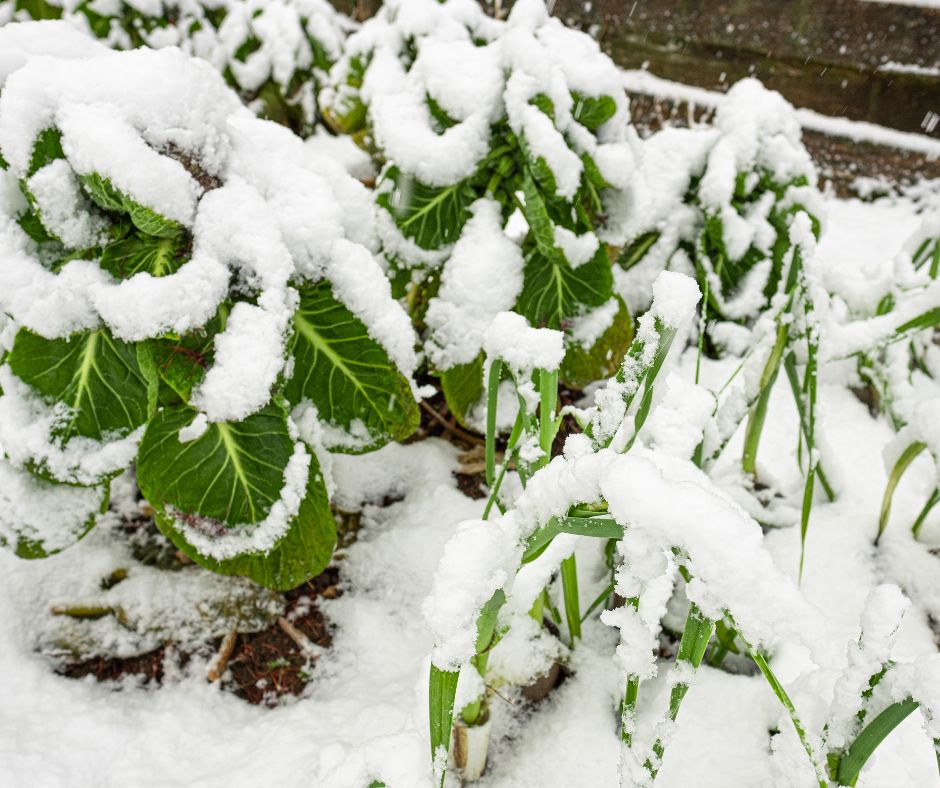
When choosing plants for the winter, hardy ones are your best bet. Winter bloomers such as Hellebores and Winter Jasmine can bring color to your garden even in the coldest of months.
You can also consider evergreen shrubs like Boxwoods or Hollies, which will provide some greenery even when other plants are dormant.
Order live bushes & shrubs. Over 70 live species.
There are many plants that can thrive in cold weather, even when the temperature drops below freezing. Here are a few examples:
Snowdrops: These pretty white flowers can bloom in the winter. They require well-draining soil and can survive temperatures below freezing.
Embrace the Cold: Easy Winter Container Garden Ideas
Hellebores: Also known as the winter rose, it comes in various colors and can bloom all winter long. It requires low maintenance and can survive temperatures below freezing.
Winter Jasmine: This plant produces yellow flowers that bloom in the winter. It requires full sun and can survive temperatures below freezing.
12 vegetable plants that thrive in cold winter weather
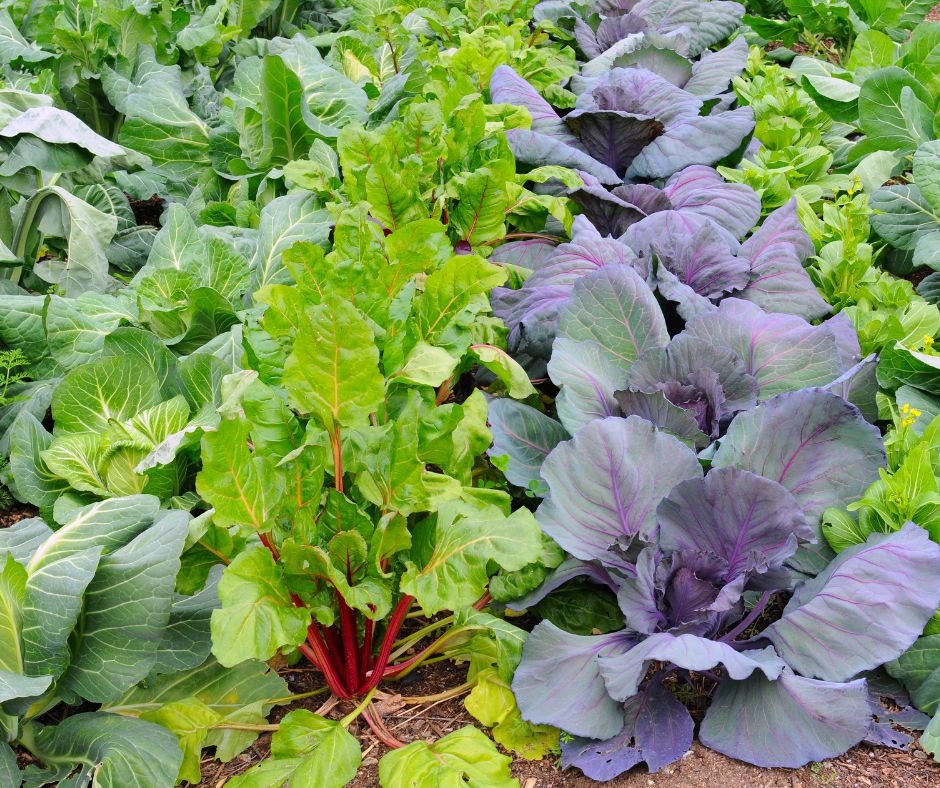
- Kale: This green leafy vegetable can withstand freezing temperatures and even becomes sweeter after a frost.
- Beets: These root vegetables can survive frost and their leafy tops can be used in salads or sautéed.
- Brussels Sprouts: They are winter-hardy and can endure freezing temperatures, offering high yields even in the coldest months.
- Cabbage: Cold weather actually enhances the sweetness and flavor of this vegetable.
- Carrots: They thrive in colder temperatures and can be harvested throughout the winter.
- Collards: This dark leafy green is perfect for cold weather and can be harvested multiple times throughout the season.
- Leeks: They are frost-tolerant and can be harvested even after the ground freezes.
- Parsnips: This root vegetable sweetens with frost and can be harvested throughout the winter.
- Peas: Certain varieties of peas, such as snow peas or sugar snap peas, can survive in colder temperatures and continue to produce pods.
- Spinach: Known for its resilience, spinach can survive in the cold and continue to grow well into winter.
- Swiss Chard: It can withstand frost and thrive in cold weather, continuing to produce yields late into the season.
- Turnips: Turnips are a double-duty plant with both the root and the greens being edible. They’re also frost-tolerant and do well in colder temperatures.
Indoor Alternatives such as Microgreens
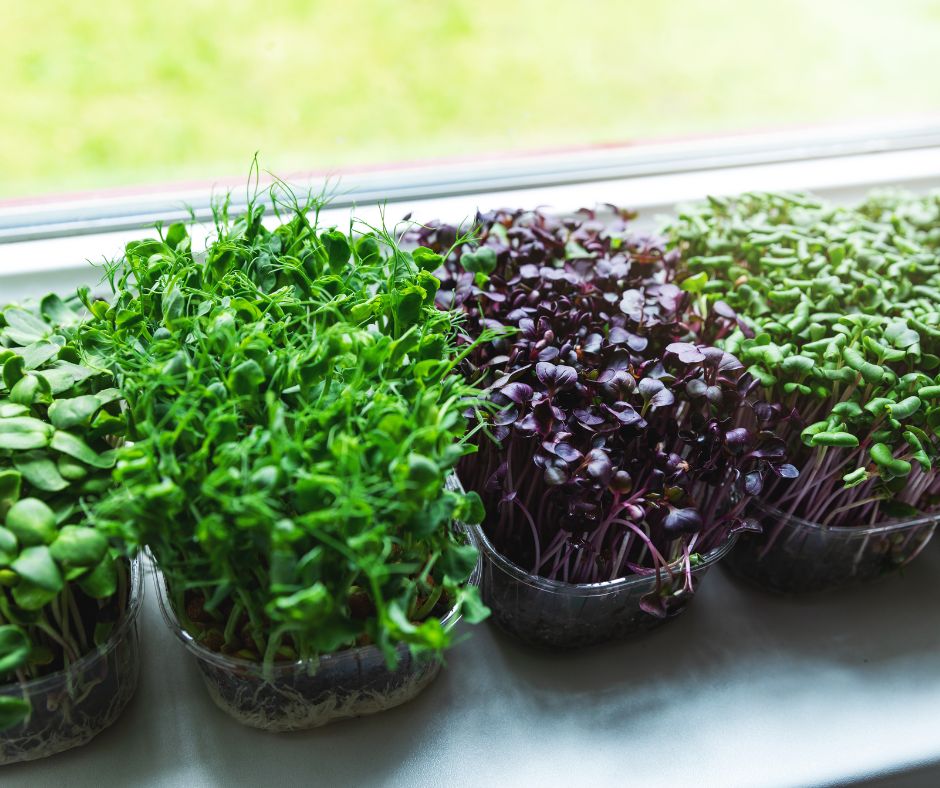
Unfortunately, most plants don’t thrive in winter. However, this doesn’t mean that you have to give up gardening altogether.
Indoor alternatives such as microgreens and herbs can be grown in pots on your windowsill.
How To Start Growing Delicious Microgreens
You can grow different types of microgreens, such as arugula, radish, or broccoli, and use them as an addition to your meals.
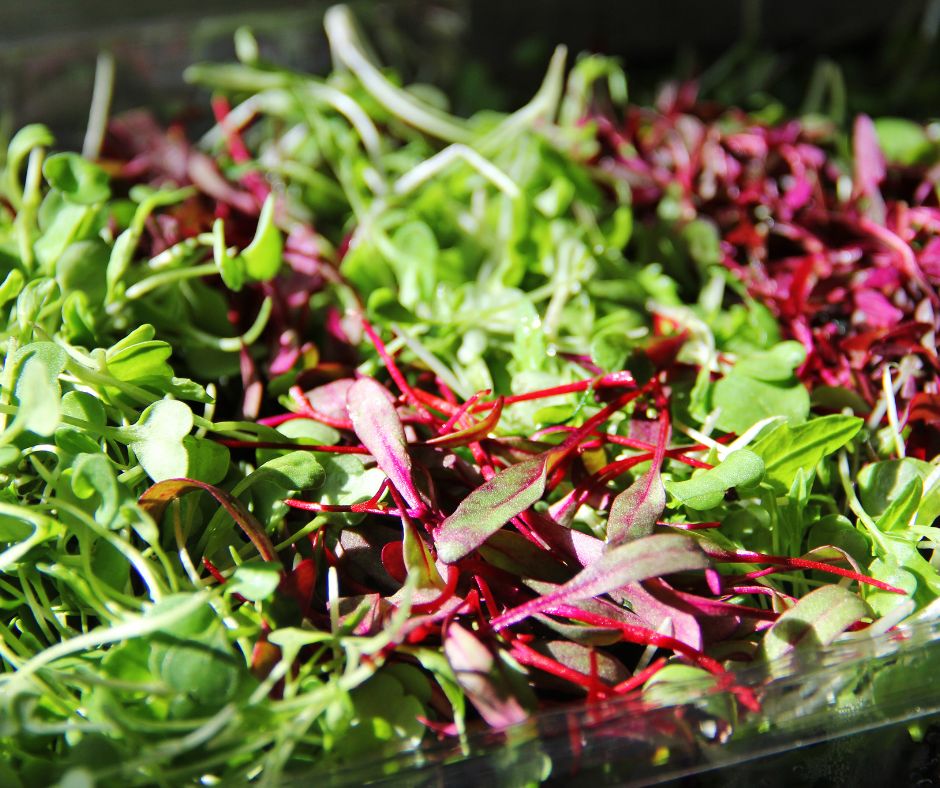
Microgreens are tiny and tender plants that grow in soil or water. They are nutrient-dense and require minimal space to grow.
The Battle of the Greens: Microgreens vs Sprouts
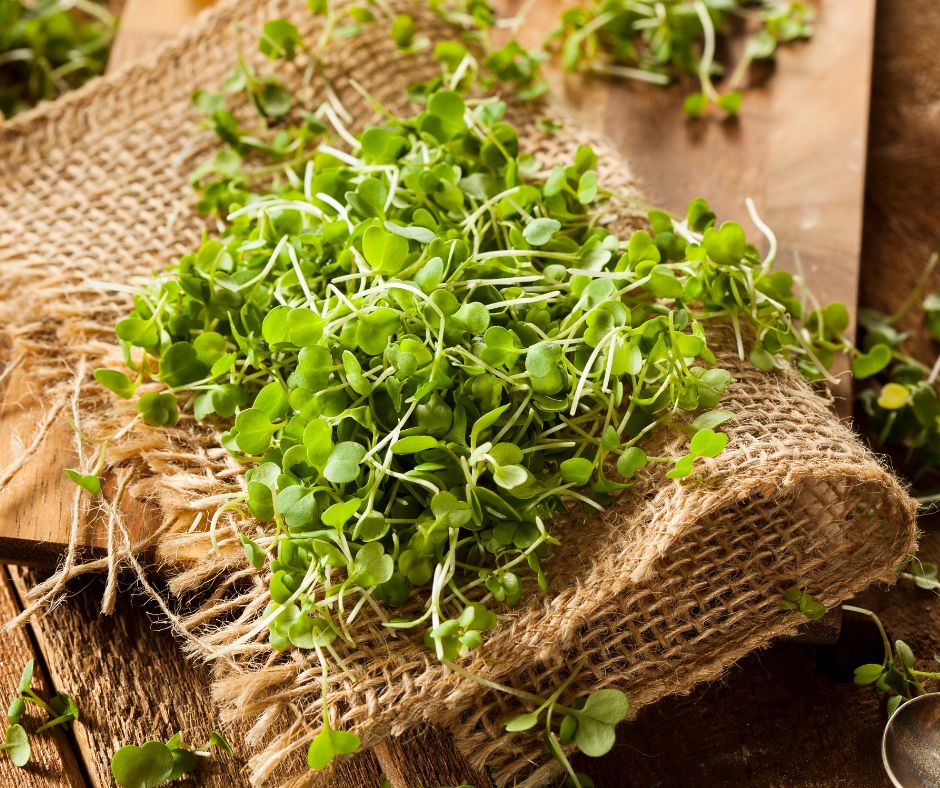
Here are some popular microgreens to try growing indoors:
Arugula: With a spicy and peppery flavor, it’s a popular choice for salads.
Radish: Adds a spicy crunch to salads and sandwiches.
Broccoli: Rich in Vitamin C and fiber, it’s great for a healthy diet.
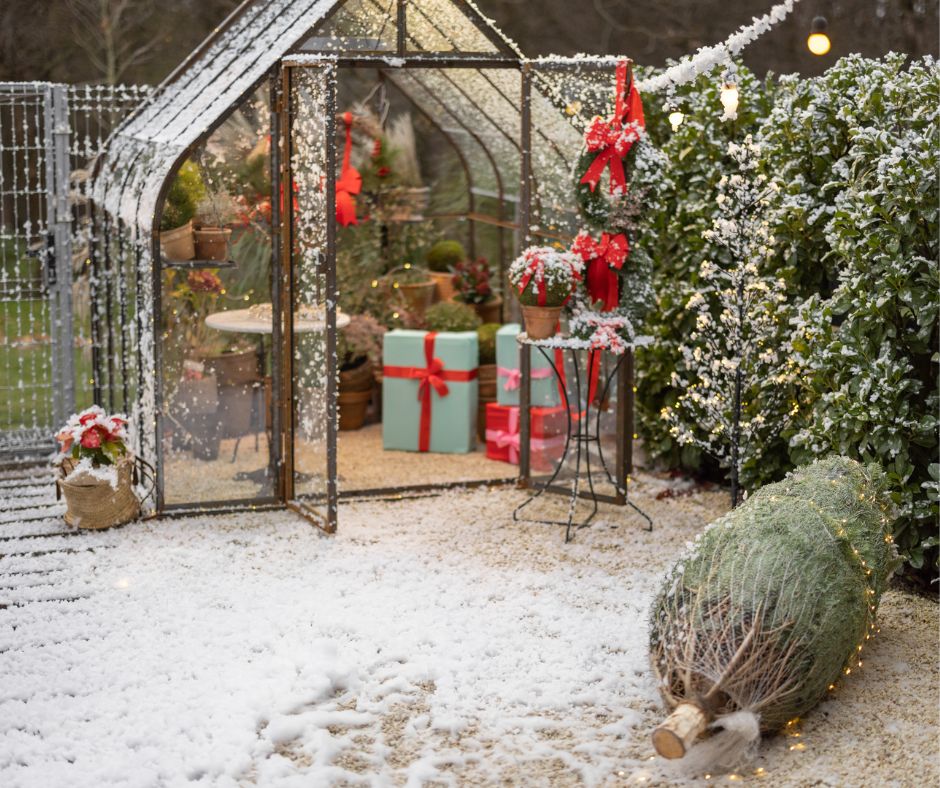
Preparing your garden for winter doesn’t have to be a daunting task. By following the tips and tricks in this article, you can winter-proof your garden and enjoy its beauty all year long.
Read about how tough weather makes kale and other brassicas produce more health-promoting compounds: Chilling and Freezing Temperature Stress Differently Influence Glucosinolates Content in Brassica oleracea var. acephala
Remember to clean up your garden, protect it against harsh weather conditions, choose plants that are perfect for cold weather, and try indoor alternatives like microgreens. With these steps, you’ll have a thriving garden, and the cold weather won’t stop you from being a green thumb.
Happy gardening!
Visit the Garden Resources page for supplies and inspiration. Don’t forget to subscribe to the Calendula’s Garden Newsletter for more gardening tips.
Calendula’s Garden is reader supported. When you buy through links on our site, we may earn an affiliate commission. As an Amazon Associate, I earn from qualifying purchases. For more information, view our Disclaimer page. Thank you!