Why We Love Growing Mexican Sunflower (Tithonia diversifolia)
Calendula's Garden is reader suported This post may contain affiliate links, more on our Disclaimer page. Thank you!
Mexican sunflowers (Tithonia diversifolia) have become a favorite in our garden. This versatile plant is a beautiful addition to any yard, and it offers a number of benefits to gardeners.
It thrives in the full hot desert sun, is a fast-growing, thick privacy/ windscreen, and has been the ultimate companion plant. This plant provides shade to our young, tender plants while attracting pests that destroyed our grapevines and other plants in previous seasons.
Due to its fast growth and high nutrient content, we have been able to use it as a green mulch to build soil on our property. In this article, we will cover how to take care of and use Tithonia diversifolia in your garden!
Mexican Sunflower Characteristics Table
| Characteristic | Description |
| Common Name | Mexican Sunflower, Tree Marigold, Tithonia |
| Botanical Name | Tithonia diversifolia |
| Plant Type | Large herbaceous perennial (often grown as an annual in cooler climates) or shrub |
| USDA Hardiness Zones | Zones 9–11 (perennial); Zones 4–8 (grown as an annual) |
| Mature Height | 4 to 10+ feet (can reach 15 feet in tropical conditions) |
| Mature Spread | 4 to 8 feet |
| Light Requirements | Full sun (requires at least 6–8 hours of direct sunlight daily for maximum blooming and sturdy growth) |
| Moisture Requirements | Moderate; fairly drought-tolerant once established. Water regularly during dry spells but avoid waterlogged soil. |
| Soil Preference | Poor to average, well-drained soil; tolerates low fertility well. Avoid overly rich soil, which can promote foliage growth at the expense of flowers. |
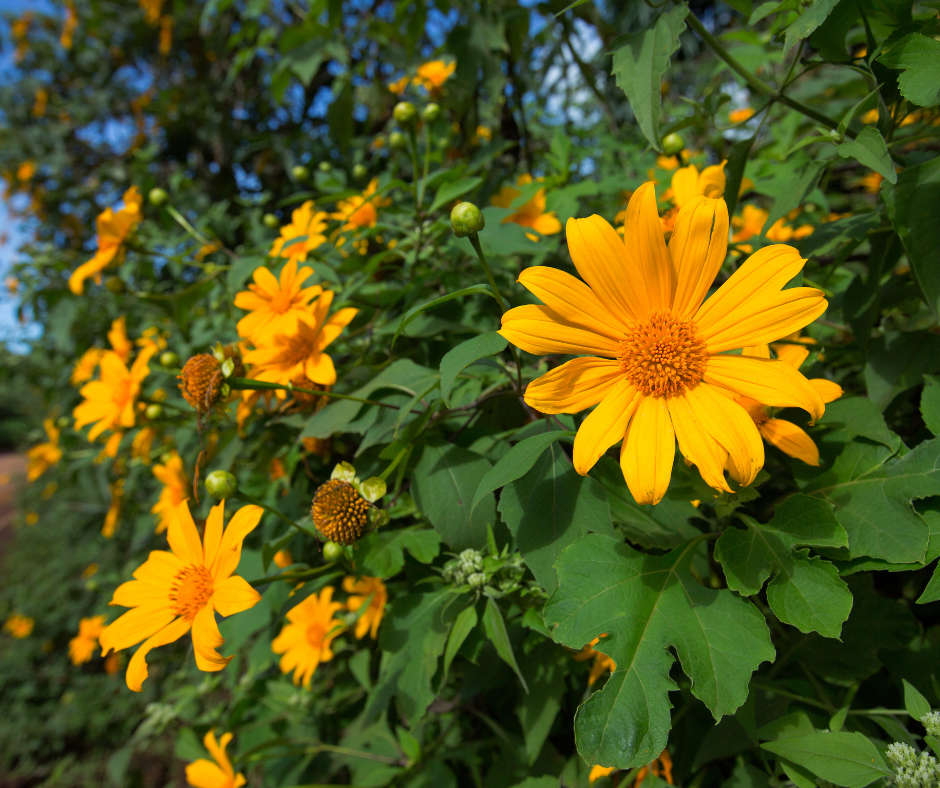
| Bloom Time | Late summer to first frost (in annual zones); late autumn to winter (in frost-free tropical zones). Flowers are large, bright orange-yellow, and daisy-like. |
| Ecological Benefits | Excellent pollinator plant that attracts bees, butterflies (especially Monarchs), and hummingbirds. Leaves are nutrient-rich and often used as “chop and drop” mulch or green manure. |
Mexican sunflower(Tithonia diversifolia) Overview
Mexican sunflower(Tithonia diversifolia), also known as Bolivian sunflower, is a beautiful and easy-to-grow large perennial flower that is native to Mexico and Central America.
It grows best in the warm, sunny climates of USDA Zones 9b- 11. This sunflower grows as a large shrub with large tropical-looking lobed leaves. It can quickly reach heights of up to 10-20 feet and 10-12 feet wide!
It flowers from September to March, pushing out a multitude of bright yellow flowers that attract bees and butterflies.
Why plant Mexican sunflower
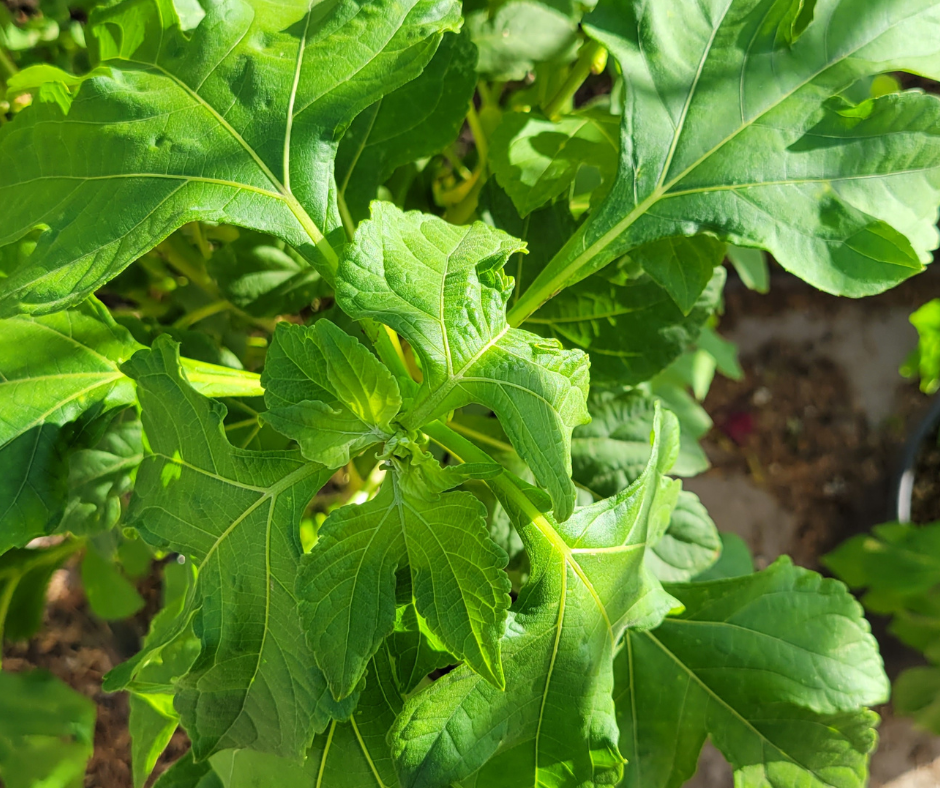
Mexican sunflower is much more than a pretty flower–it’s an extremely versatile plant with many uses in the garden. For example, it can be used as a living fence, windscreen, or privacy screen; its dense growth habit makes it an ideal candidate for this purpose. They get big fast, so space them at 4 -5 feet apart for a summer-time privacy screen.
Additionally, Mexican sunflowers are an excellent green manure crop. Simply chop and drop! When grown as green manure, it adds nitrogen, potassium, and phosphorus to the soil as it breaks down, making it an ideal way to fertilize the garden without using synthetic chemicals.
The leaves and stems break down quickly into microbe-rich material, helping build rich soil fast.
It breaks down so fast that it’s often beneficial to layer the clippings with material that breaks down more slowly, like wood-based mulch or silica-rich grass clippings such as vetiver.
Beneficial insects and pollinators are attracted to Tithonia diversifolia, making it an ideal companion plant for other flowers and vegetables.
It also does double duty as a catch crop, attracting sap-sucking bugs such as aphids and defoliating insects from less resilient plants. While continuing its rapid growth rate. We noticed it also served as a home to many beneficial insects, such as assassin bugs and lacewings.
So, if you’re looking for a plant that does it all, Mexican sunflower should definitely be on your list.
See How I Shape Mexican Sunflower Plants Into a Privacy Hedge
How to plant Bolivian sunflower
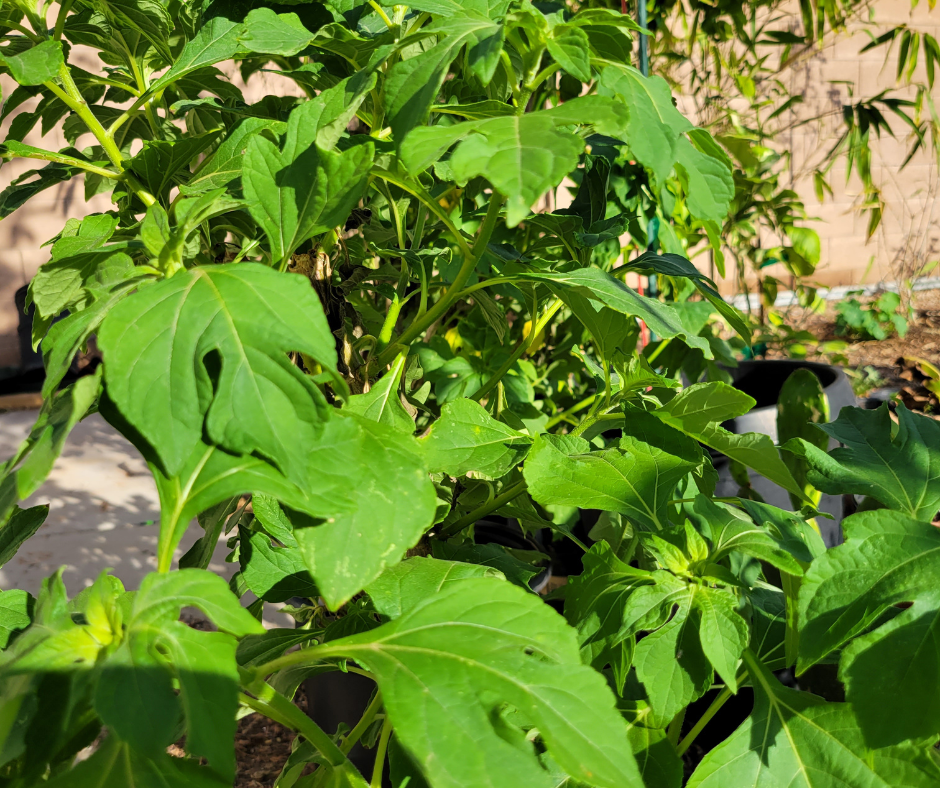
Mexican sunflowers are propagated by cloning, which can be obtained from online retailers or garden stores. They are notoriously hard to grow from seed.
Propagating Tithonia diversifolia, also known as the Mexican sunflower, is best done through rooting stem cuttings taken from the parent plant.
The ideal time to take the cutting is in late spring or early summer when the plant is actively growing. The cutting should be taken from a young, healthy shoot that is about 6-8 inches long.
Once you have taken the cutting, remove the lower leaves and dip the cut end in the rooting hormone. Then, plant the cutting in a pot filled with well-draining potting mix.
Water it well and place it in a warm, sunny location. Keep the soil moist but not soggy, and within a few weeks, you should see new growth. At that point, you can transplant the young plants into your garden.
As for where to buy Tithonia diversifolia plants, they are widely available online and at nurseries (check out our references below). When planting, make sure to choose a sunny spot in your garden with well-drained soil.
And finally, yes, you can clone your own Tithonia diversifolia plants by taking stem cuttings as described once your own stand is established.
When to plant Tithonia diversifolia
Late spring or early summer is the best time of year to plant Tithonia diversifolia plants. This is because they need a long period of warm weather in order to flower.
In addition, they are not frost-tolerant, so it’s important to wait until after the last frost date in your area. Tithonia diversifolia plants are native to Mexico, so they need hot, full sun and well-drained soil in order to thrive.
However, they can tolerate poor soil, making them good pioneer plants if you are trying to start a garden or food forest on a new patch of land.
They are also fairly drought-tolerant, so you don’t need to worry about watering them too frequently. However, they do benefit from occasional deep watering, so be sure to give them a good soaking every few weeks during dry periods.
Mexican sunflower is susceptible to powdery mildew, so it is important to water the plants at the base rather than overhead when temperatures cool down.
With proper care, Tithonia diversifolia plants will bloom from fall all the way until spring, adding a splash of color to your garden.
What are the best companion plants for Mexican sunflowers?

Tithonia diversifolia, also known as the Mexican sunflower, is a vigorous and heat-tolerant plant that can add a splash of color to any garden.
While it does not require much in the way of care, companion planting can help to optimize growth and flowering. Here are some of the best plants to pair with Tithonia diversifolia:
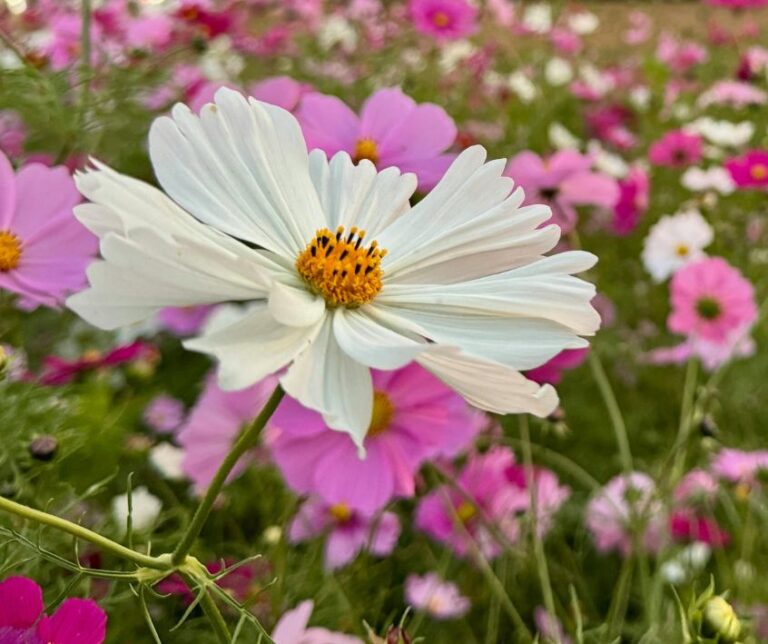
Cosmos: Cosmos are annuals that bloom profusely from summer to fall. They come in a variety of colors, including yellow, orange, pink, and red. Planting cosmos next to Tithonia diversifolia will give your garden a long season of color.
Zinnia: Like cosmos, zinnias are annuals that provide a lengthy blooming period. They come in many different colors and sizes, making them ideal for adding interest to any garden bed.
Zinnias also attract pollinators, so planting them near Tithonia diversifolia will help to ensure ample fruit production in your garden.
Verbena: Verbena is a genus of flowering plants that includes both annual and perennial species. Many verbena varieties are prized for their long blooming periods and their ability to attract butterflies. Verbena also has a trailing habit.
The rapid growth rate in both height and width makes Tithonia diversifolia an excellent provider of shade for tender plants.
Plus, the dense foliage will act as a windbreak, blocking harsh drying wind and creating a microclimate favorable to growing many edible plants.
Mexican sunflower (Tithonia diversifolia) is an easy to grow annual that adds a touch of the tropics to any garden.
With proper care, Tithonia diversifolia will bloom from summer all the way until fall, adding a splash of color to your garden during the warmer months.
Tithonia diversifolia plants are tolerant of poor soils and do not require much in the way of care. For best results, companion plant with annuals that have a long blooming period, such as cosmos or zinnias.
Verbena is also a good choice as it has a trailing habit and attracts butterflies. With proper care and planting, Mexican sunflowers will thrive in any garden.
Mexican sunflower (Tithonia diversifolia) Resources
Where to find Mexican sunflower (Tithonia diversifolia) – Green Dreams Nursery, Annie’s Annuals and Perennials
For more on companion planting, read – The Many Benefits Of Companion Gardening: What You Need To Know
Visit the Garden Resources page for supplies and inspiration. Don’t forget to subscribe to the Calendula’s Garden Newsletter for more gardening tips.
Calendula’s Garden is reader-supported. When you buy through links on our site, we may earn an affiliate commission. As an Amazon Associate, I earn from qualifying purchases. For more information, view our Disclaimer page.