Which Compost bin is best for you?
Calendula's Garden is reader suported This post may contain affiliate links, more on our Disclaimer page. Thank you!
Everyone can compost their organic waste. Not only does it help reduce your carbon footprint, but it also has a host of other benefits.
In this guide, we’ll cover everything you need to know about composting, from the basics of what it is and why you should do it, to the different types of compost bins available and how to choose the best one for your garden.
We’ll also give you some tips on how to get started composting so that you can start reaping all the benefits of this important practice.
So, what are you waiting for? Read on to learn everything you need to know about composting.
What is composting and why should you try it?
Composting is the process of breaking down organic matter, such as food scraps and plant trimmings, into a rich soil amendment known as compost.
This process can be done either through natural methods, such as simply allowing organic matter to decompose on its own, or through more active methods, such as using a compost bin or tumbler.
There are many reasons why you should compost your organic waste. For one, it’s an excellent way to reduce your carbon footprint.
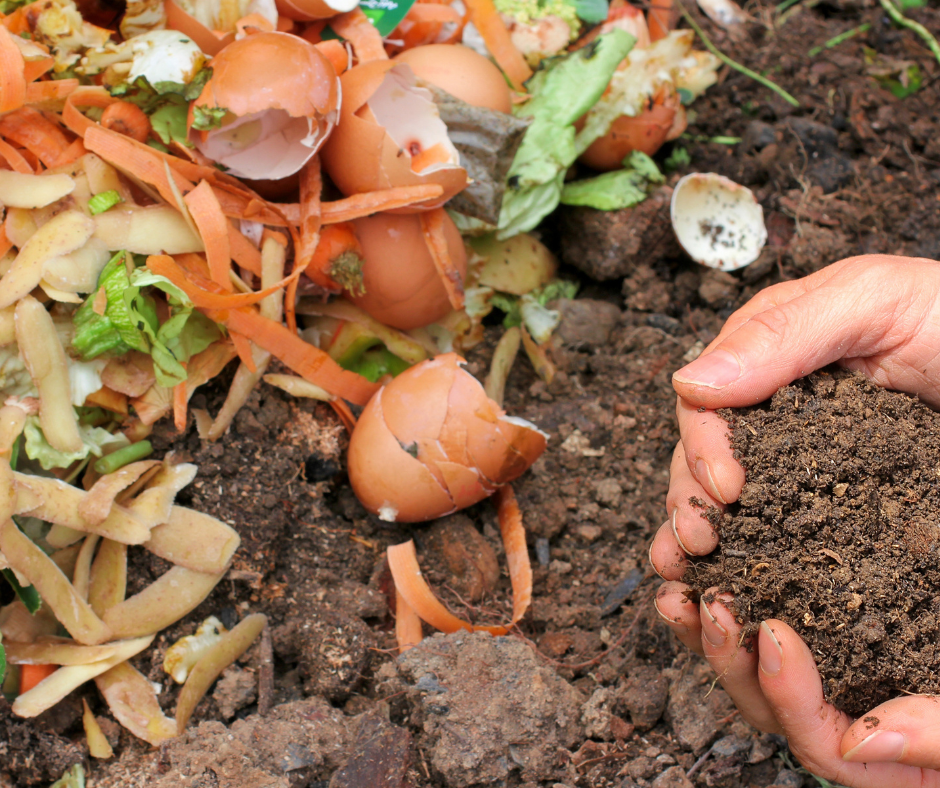
According to the EPA, nearly 30% of the waste produced in the average American household is composed of food scraps and yard waste. When this organic waste ends up in a landfill, it decomposes and emits methane, a greenhouse gas that is 25 times more potent than carbon dioxide.
Composting your organic waste instead of sending it to a landfill helps to reduce these methane emissions. In fact, the EPA estimates that if everyone composted their food scraps, we could reduce methane emissions by more than 25%.
Resources
Let It Rot!: The Gardener’s Guide to Composting by Stu Campbell
Teaming with Microbes: The Organic Gardener’s Guide to the Soil Food Web by Jeff Lowenfels
VIVOSUN Outdoor Tumbling Composter Dual Rotating Batch Compost Bin
The Benefits of Composting
In addition to reducing your carbon footprint, composting also has a number of other benefits. For example, it can help you save money on fertilizer and other gardening products and reduce your water usage.
Compost is rich in nutrients and helps to improve the quality of the soil, which in turn makes it easier for plants to absorb water and reduces the need for you to water your plants as often.
In fact, according to the EPA, using compost can help you save up to 30% on your water bill.

And if you’re a gardener, compost can be an excellent way to improve the quality of your fruits, vegetables, and flowers. Compost adds essential nutrients to the soil that help plants grow strong and healthy.
It also helps to improve drainage and aeration in the soil, which is beneficial for root growth.
There are many reasons to start composting, but those are just a few of the most important ones. Now that you know a bit more about composting, let’s take a look at the different types of compost bins available and how to choose the right one for you.
Different types of compost bins
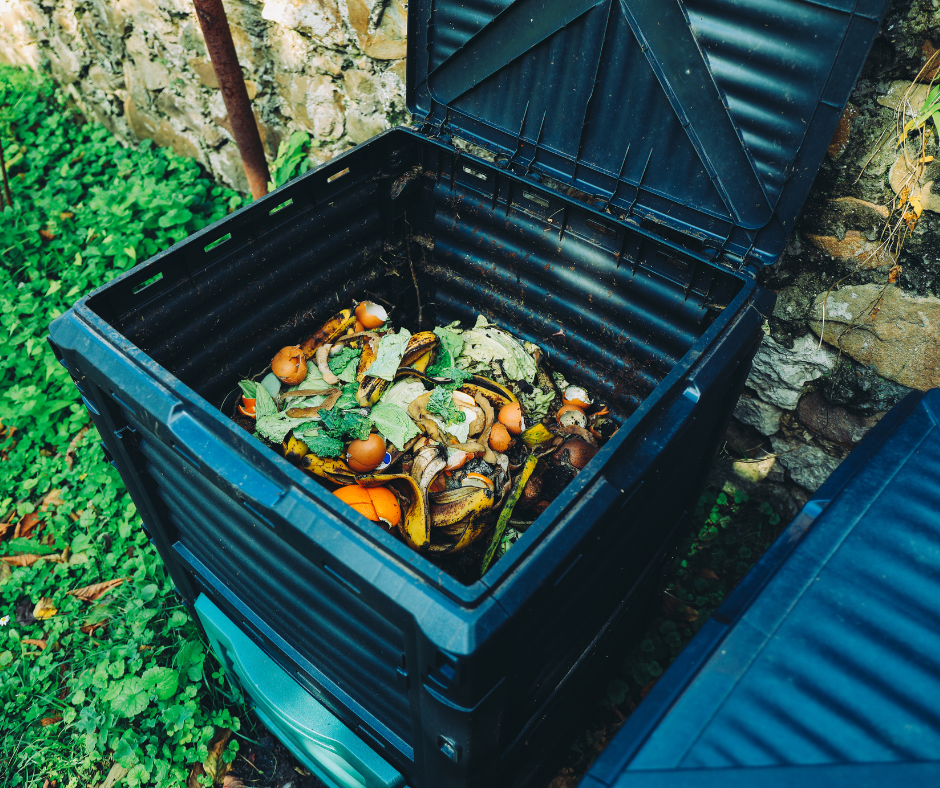
There are many different types of compost bins available on the market, from simple DIY options to more complex commercial systems.
The type of bin you choose will depend on a number of factors, including your budget, the amount of space you have, and how often you plan on using it. Here are some of the most popular types of compost bins:

Indoor compost bins
These bins are designed for use inside your home and are small enough to fit on a countertop or under the sink. They typically have a capacity of one to two gallons and come with a charcoal filter to control odors.
EPICA Countertop Compost Bin is a popular countertop bin.
Electric Composters are a quick and odorless option that is becoming popular.
Outdoor compost bins
These bins are larger than indoor bins and are designed for use in your yard or garden. They typically have a capacity of between 10 and 20 gallons and may be made from a variety of materials, such as plastic, wood, metal, or concrete.
Redmon Outdoor Compost Bin with Lift Off Lid
Compost tumblers
Compost tumblers are large barrels that you can roll around your yard. They typically have a capacity of between 30 and 40 gallons and come with a handle for easy turning. Our favorite compost bin is the Dual Rotating Batch Compost Bin
Worm composters
Worm composters are small bins that contain red worms, which help to break down organic matter. They typically have a capacity of two to three gallons and can be used indoors or outdoors.
The Original Vermihut ® Plus 5 – Tray Worm Composter is easy to use and blends into your garden.
Commercial composting systems
Commercial composting systems are large-scale composting operations that are typically used by businesses and municipalities. They can vary greatly in size and capacity, but some commercial composting systems can process up to 10 tons of organic waste per day.
If you need a lot of compost fast these are good places to visit to get a truck load for your garden.
How to choose the right compost bin for you

Now that you know a bit about the different types of compost bins available, let’s take a look at how to choose the right one for you. Here are some factors to consider:
1. Budget: The cost of a compost bin can range from $20 to $500 or more. If you’re on a tight budget, there are plenty of affordable options available. However, if you’re willing to spend a bit more, you’ll get a higher-quality bin that will last longer and be easier to use.
2. Space: The amount of space you have will play a big role in the type of compost bin you choose. If you have a small yard or live in an apartment, an indoor bin is probably your best option. However, if you have a large yard, you may want to choose an outdoor bin.
3. Usage: How often you plan on using your compost bin will also play a role in the type of bin you choose. If you only plan on using it occasionally, a small bin should be sufficient. However, if you want to compost large quantities of organic waste, you’ll need a larger bin.
4. Location: The location of your compost bin is also important. If you live in an area with extreme temperatures, you’ll want to choose a bin that can withstand the heat or cold. If you have a lot of critters in your area, you may want to choose a bin with a tight-fitting lid to keep them out.
5. Ease of use: Some compost bins are easier to use than others. If you’re new to composting, you may want to choose a bin that is easy to assemble and use. However, if you’re more experienced, you may be able to handle a more complex bin.
No matter what type of compost bin you choose, make sure to follow the instructions carefully to ensure that your composting process is successful. And remember, even if you don’t have a lot of space or money, you can still compost your food scraps and yard waste. Just be sure to choose a bin that is right for you.
How to use your compost bin

Once you’ve chosen the perfect compost bin for your needs, it’s time to start using it. Here are some tips on how to get started:
1. Start with a layer of brown materials: Brown materials include things like dead leaves, twigs, and newspaper. These materials help to aerate the compost pile and provide essential nutrients for the bacteria and other organisms that help break down organic matter.
2. Add a layer of green materials: Green materials include things like grass clippings, fruit and vegetable scraps, and coffee grounds. These materials provide nitrogen, which is essential for the composting process.
3. Add water: Compost needs to be moist in order to break down properly. Be sure to add enough water so that the materials are damp, but not soggy.
4. Turn the compost pile: Turning the compost pile helps to aerate it and speeds up the composting process. Most compost bins come with a tool for turning the pile.
5. Add more materials: As you use up the materials in your compost bin, be sure to add more so that the composting process can continue.
By following these simple tips, you can successfully compost your food scraps and yard waste and reduce your impact on the environment. So what are you waiting for? Get started today!
Composting tips for beginners
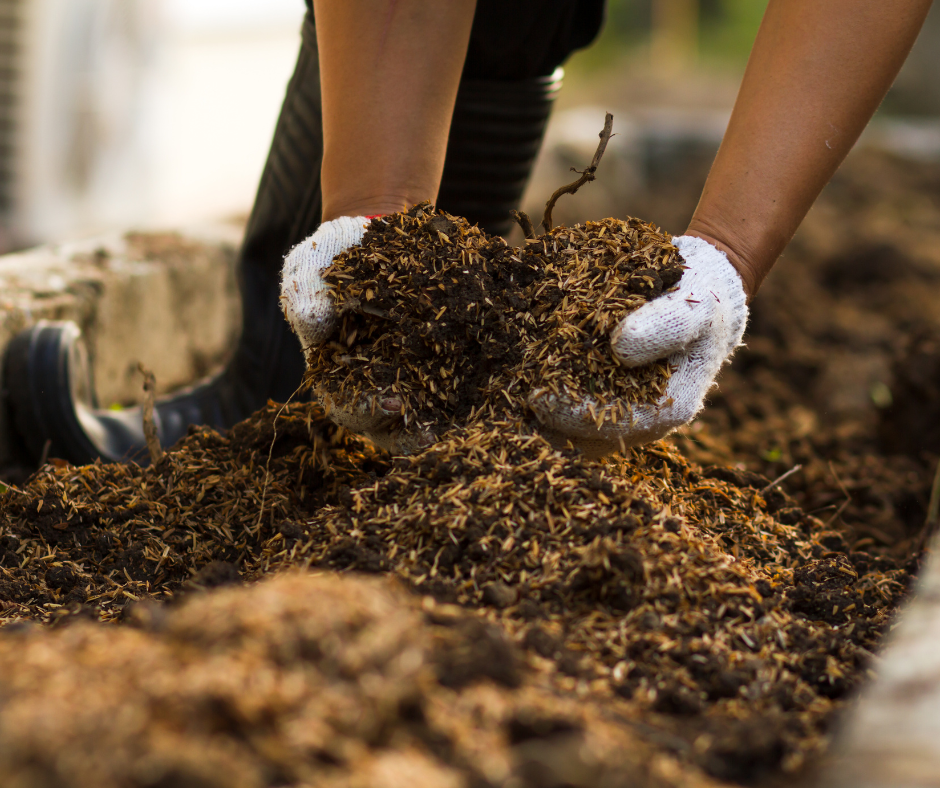
If you’re new to composting, here are a few tips to help you get started:
1. Start small: If you’re unsure about whether or not composting is for you, start with a small bin. This will help you to gauge whether or not you’re willing to put in the effort required to maintain a compost pile.
2. Read up on the basics: Before you get started, be sure to do some research on the basics of composting. This will help you to understand the process and make sure that you’re doing it correctly.
Learn more about composting by reading Let It Rot!: The Gardener’s Guide to Composting and other books.
3. Find a good location: The location of your compost bin is important. Be sure to choose a spot that is convenient for you and that will allow the compost pile to get the right amount of sunlight and air circulation.
4. Get a moisture meter: A moisture meter can help you gauge the moisture content of your compost pile and ensure that it’s not too wet or too dry. Long Probe Deep Soil Moisture Meter
5. Keep a compost journal: A compost journal can be a helpful way to keep track of what you’re adding to your compost pile and how often you’re turning it. This will help you to fine-tune your composting process and make sure that you’re getting the best results. Reotemp 16 Inch Fahrenheit Backyard Compost Thermometer
By following these tips, you can be sure that you’re getting the most out of your composting experience.
FAQs about composting

– What can I compost?
You might be surprised to learn that you can compost a lot of different materials. In addition to the usual suspects like leaves and grass clippings, you can also compost fruit and vegetable scraps, coffee grounds, eggshells, and even newspapers.
You can even compost some types of fabric, like cotton and wool. Basically, anything that was once alive can be composted. So the next time you’re about to throw something away, think about whether or not it could be used to help new life grow. Chances are, it can!
-What should I avoid composting?
There are a few things you should avoid composting. Meat, fish, and dairy products can attract pests and create unpleasant odors. In addition, oils and fats can make your compost pile too wet and boggy.
Any type of pet waste should also be avoided, as it may contain harmful bacteria. So when in doubt, err on the side of caution and throw it out!
– How long does it take for compost to break down?
Composting is a great way to reduce waste and give back to your garden. But if you’re new to composting, you might be wondering how long it takes for compost to break down.
The answer depends on a few factors, including the size of the compost pile, the type of materials being composted, and the temperature.
In general, smaller piles of well-chopped organic matter will break down more quickly than large piles of whole leaves or branches. Hotter temperatures will also speed up the process, while cooler temperatures will slow it down.
With proper care, most compost piles will be ready to use within six months to a year. However, some gardeners like to let their compost age for even longer, as this can further improve its quality.
So if you’re patient (and have a little extra space), there’s no rush to harvest your finished compost.
– What should I do if my compost pile starts to smell?
If your compost pile starts to smell, there are a few things you can do to fix the problem. First, make sure that your compost pile has the right ratio of green to brown materials.
Too much green material can cause the compost to start rotting, which creates a bad smell. You can add more brown material, such as dead leaves or straw, to balance things out.
Second, make sure your compost pile is getting enough air. If your compost seems too wet, add some more brown material to absorb the excess moisture. Finally, turn your compost regularly to aerate it and help keep the bacteria healthy.
If your compost pile is still smelling bad after you’ve made these adjustments, you can try adding some bacteria or fungi from a commercial compost starter. These organisms help to break down organic matter and neutralize odors.
– What if I live in an apartment
Many people think that composting is only for people who have yards and gardens. However, it is possible to compost even if you live in an apartment.
There are a number of commercial compost bins available that are specially designed for small spaces, or you can simply make your own bin out of an old plastic container. There are even companies that will pick up your compost and take it to a larger facility.
If you decide to compost at home, there are a few things to keep in mind. The key to successful composting is to create the right balance of materials.
First, you will need to add both green and brown materials to your bin. Green materials include things like fruit and vegetable scraps, while brown materials include things like dead leaves and twigs.
Second, you will need to regularly turn your compost so that it decomposes evenly. Finally, you should keep an eye on the moisture level of your compost.
Too much or too little moisture can slow down the decomposition process. With a little effort, anyone can start composting – even if they live in an apartment. In just a few weeks, you will have nutrient-rich compost that can be used to fertilize your houseplants or add to your potted herbs.
Composting is a great way to reduce your impact on the environment and save money on disposal fees. It’s also a great way to create nutrient-rich soil for your garden. So what are you waiting for? Get started today!
Resources
Let It Rot!: The Gardener’s Guide to Composting by Stu Campbell
Teaming with Microbes: The Organic Gardener’s Guide to the Soil Food Web by Jeff Lowenfels
VIVOSUN Outdoor Tumbling Composter Dual Rotating Batch Compost Bin
Visit the Garden Resources page for supplies and inspiration. Don’t forget to subscribe to the Calendula’s Garden Newsletter for more gardening tips.
Calendula’s Garden is reader-supported. When you buy through links on our site, we may earn an affiliate commission. As an Amazon Associate, I earn from qualifying purchases. For more information, view our Disclaimer page.