Walkable Ground Covers for Sunny Areas
Calendula's Garden is reader suported This post may contain affiliate links, more on our Disclaimer page. Thank you!

Ground cover plants do more than fill empty spaces in your landscape. For sunny areas, the right walkable ground cover can bring resilience, reduce maintenance, and add visual appeal.
If you’re looking to create inviting, functional spaces that thrive under the sun (and feet), you’re in the right place. This guide unpacks the best walkable ground cover options for sunny zones, their advantages, and how to use and care for them.
Benefits of Ground Cover In a Sunny Garden
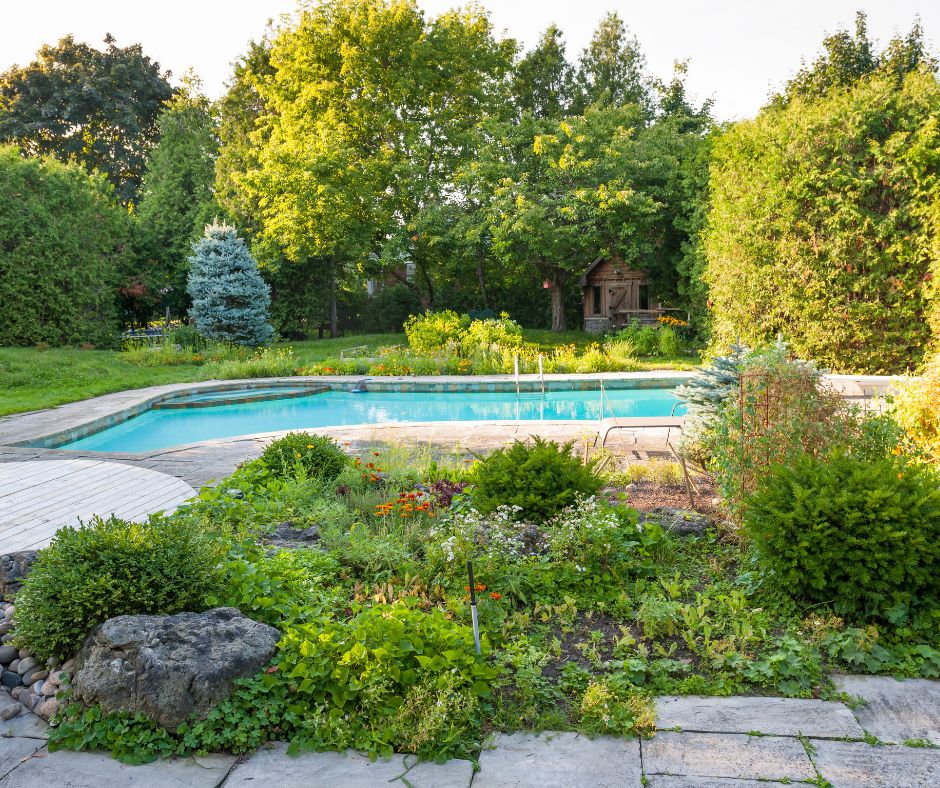
Sunny yards present special challenges, from relentless heat to persistent weeds. Fortunately, walkable ground covers are up to the task. These low-growing plants can handle foot traffic and sunlight while delivering an array of practical benefits.
Erosion Control
Bare soil can quickly wash away during heavy rain, eroding your landscape and exposing plant roots. Walkable ground covers form dense mats, holding the soil in place and preventing erosion, especially on slopes or near walkways.
Weed Suppression
Once established, ground covers act like living mulch. Their thick foliage shades out weeds, reducing the need for time-consuming (and back-breaking) hand-pulling or chemical weed control.
Reduced Lawn Maintenance
Not a fan of mowing, watering, and fertilizing a traditional lawn? Many ground cover alternatives require far less maintenance than turfgrass, saving you time, effort, and money throughout the year.
Aesthetic Appeal
Walkable ground covers are far from boring. Choose varieties that bloom, offer interesting textures, or feature evergreen leaves, and you’ll create outdoor spaces that are colorful, inviting, and visually striking all year long.
Where to find seeds, plants, and supplies:
Top Walkable Ground Cover Options for Sunny Areas
Not every ground cover thrives in full sun, nor can every plant handle the occasional stomp. These standout selections bring durability, drought resistance, and charm to your sunny landscape.
Clover (Trifolium)

White clover (Trifolium repens) is a classic choice for sunny lawns. It’s soft underfoot, resilient to moderate traffic, and stays green even in dry spells. Clover also fixes nitrogen from the air, enriching your soil and reducing the need for fertilizer. Plus, its tiny white flowers attract bees and pollinators through the summer.
Best for: Sunny yards with poor soil, replacing or mixing into lawns
Height: 4-8 inches
Traffic tolerance: Moderate
Creeping Thyme (Thymus serpyllum)
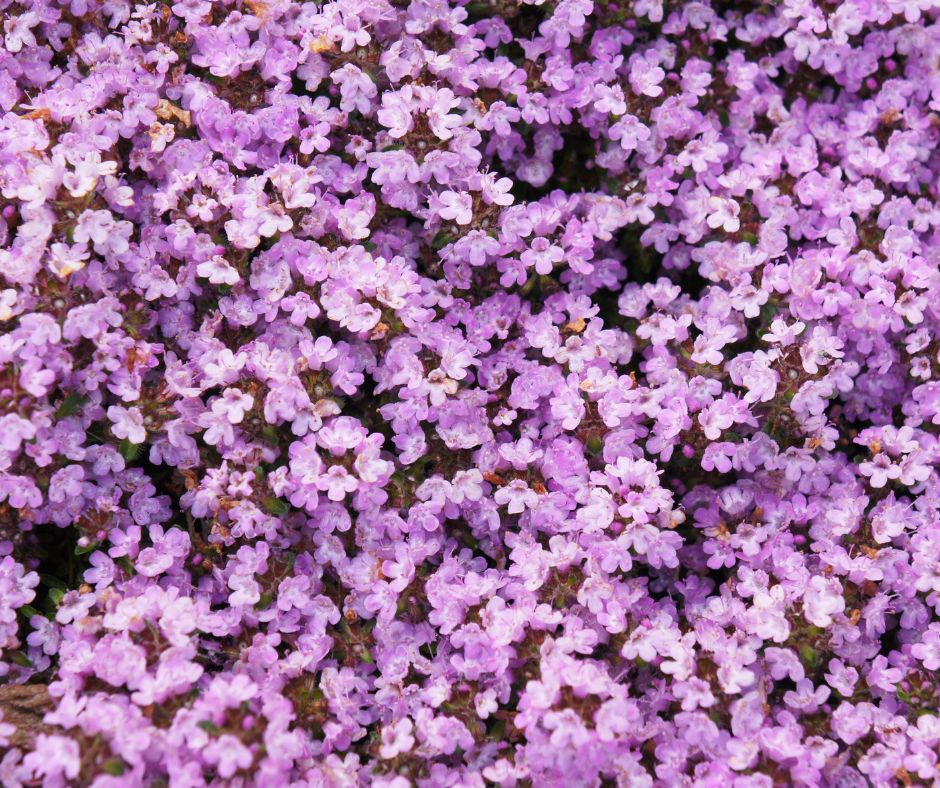
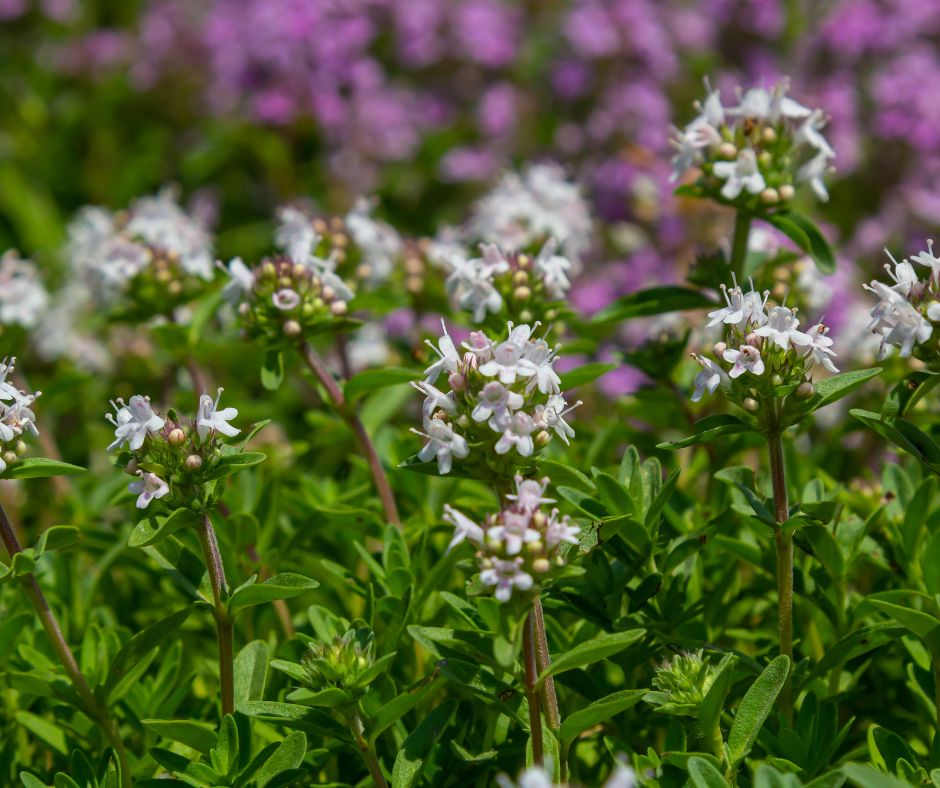
Creeping thyme brings both beauty and fragrance. This low-growing herb releases a pleasant scent when walked on and produces a sea of purple or pink flowers during summer. It’s remarkably drought-tolerant once established and thrives with little attention.
Best for: Pathways, between stepping stones, sunny rock gardens
Height: 1-3 inches
Traffic tolerance: Light to moderate
Drought-Resistant Sedum (Sedum spp.)
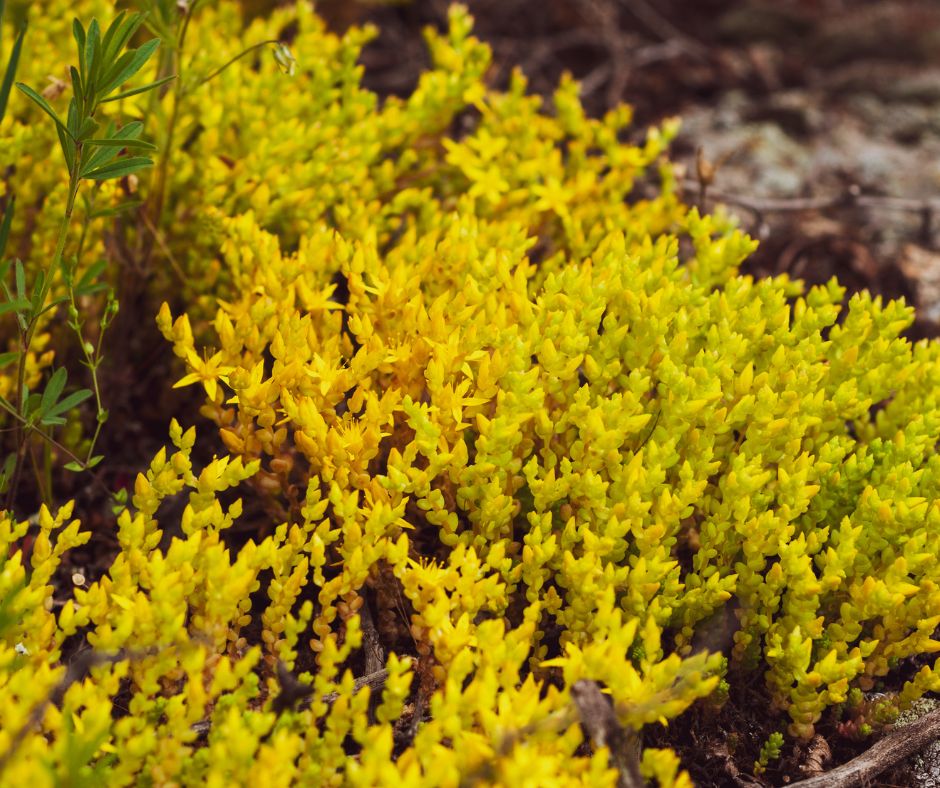
Sedums, also known as “stonecrops,” are succulents that love the sun and require minimal water. Their fleshy leaves create a striking look, especially in rock gardens and dry spots where other plants struggle. Low-growing varieties such as Sedum acre form dense mats, while others like Sedum spurium offer longer-lasting color and texture.
Best for: Harsh, dry sunnier patches; rockeries; ground cover banks
Height: 2-6 inches
Traffic tolerance: Light (occasional foot traffic)
Chamomile (Chamaemelum mobile)
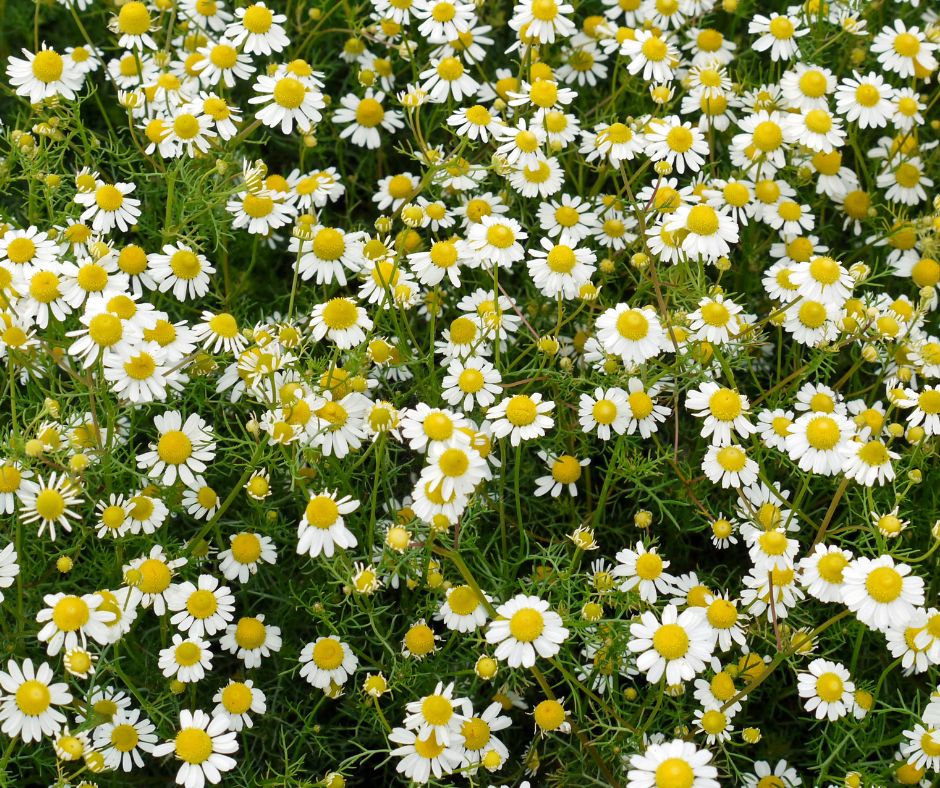
I would love to plant a chamomile patch, it would be so relaxing. Traditional English lawns sometimes use chamomile for its fragrant, feathery foliage. Roman chamomile creates a soft, spongy carpet with tiny, daisy-like flowers. It prefers well-drained soil and, once established, tolerates occasional walking, especially if you avoid trampling it when plants are wet.
Best for: Sensory gardens, low-traffic lawns, sunny borders
Height: 4-12 inches
Traffic tolerance: Light
Planting and Maintenance Tips for Walkable Ground Cover

Establishing a lush, walkable ground cover in a sunny yard takes thoughtful planning. Follow these steps for long-lasting success:
Soil Preparation
Healthy ground cover starts with healthy soil. Remove weeds, stones, and debris, then loosen the soil to a depth of at least 4-6 inches. If your native soil drains poorly, amend with compost or sand to encourage healthy root growth. Ground cover plants thrive in well-aerated, fertile ground.
Watering and Fertilizing
While many walkable ground covers become drought-tolerant after they’re established, young plants will need regular water. Keep soil consistently moist but not waterlogged for the first 4-6 weeks. Once plants are mature, reduce watering frequency.
Most ground covers don’t require heavy fertilizing, especially nitrogen-fixers like clover, but a light feeding with organic fertilizer at planting can help them settle in.
Pruning and Care
Prune or trim ground cover plants as needed to maintain density and encourage spreading. Remove dead or damaged foliage, and clip flower heads if you prefer a tidier look.
For aggressive spreaders, edge plants to keep them from overtaking paths. Periodically check for weeds until your cover is fully established.
Creative Uses of Walkable Ground Cover

Walkable ground covers aren’t limited to wide-open lawns. They add beauty and function in surprising places.
Between Stepping Stones
Plant low-growing varieties like creeping thyme or sedum between stepping stones. These plants fill gaps, soften hardscape edges, and release fragrance underfoot.
Along Pathways
Border paths with chamomile or clover for soft texture and a pop of color. These living edges cut down on maintenance compared to turf and help keep walkways cool.
In Rock Gardens
Rock gardens in sunny spots can be tricky to plant. Choose sedum or creeping thyme, which thrive among rocks and need little water. Their spreading nature also fills gaps where weeds might otherwise move in.
Bring Sun-Soaked Spaces to Life with Walkable Ground Cover

Choosing the right walkable ground cover for your sunny landscape transforms function and beauty. Whether you’re tired of fussy lawns, want to fight weeds naturally, or dream of a lush carpet between your stepping stones, these resilient plants make it possible.
You’ll enjoy lower maintenance, lasting color, and a garden that welcomes every footstep. Start experimenting with clover, creeping thyme, sedum, or chamomile in your own yard.
Each brings a unique look and set of advantages, perfect for creating paths, lawns, and rock gardens that thrive in the sun. For more inspiration, check local nurseries or consult a landscape professional to see which ground cover varieties do best in your climate and soil.
Visit the Garden Resources page for supplies and inspiration. Don’t forget to subscribe to the Calendula’s Garden Newsletter for more gardening tips.
Calendula’s Garden is reader supported. When you buy through links on our site, we may earn an affiliate commission. As an Amazon Associate, I earn from qualifying purchases. For more information, view our Disclaimer page. Thank you!