Verdant Walkable Ground Cover Plants for Shady Gardens
Calendula's Garden is reader suported This post may contain affiliate links, more on our Disclaimer page. Thank you!

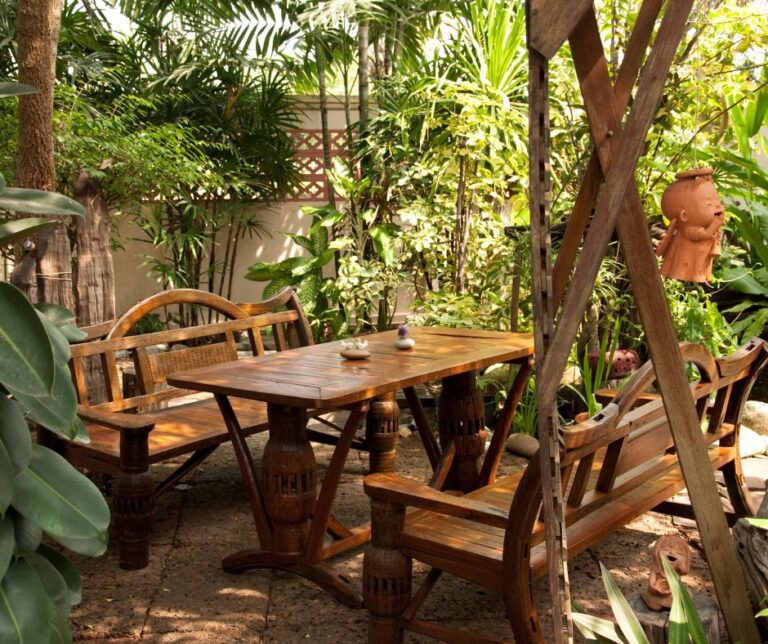
Shady corners of your yard don’t have to be bare, muddy, or boring. With the right walkable ground cover, you can transform those dim, often-overlooked spots into lush, inviting pathways or soft, green carpets that you’ll love to explore.
This guide will walk you through the essentials of choosing and caring for walkable ground cover for shady areas, featuring reliable plant options and practical tips for lush results.
How Ground Cover Plants Improve Your Yard

Many gardens have challenging spots where trees, fences, or buildings cast shade for most of the day. Grass commonly struggles in these conditions, growing thin or patchy.
Exposed soil is both unhealthy and prone to erosion, while moss might not provide the soft, resilient surface needed for foot traffic.
Walkable ground cover for shady areas is the answer. By choosing resilient, low-growing plants suited for shade, you can create a living carpet that protects your soil, prevents weeds, and adds year-round beauty.
Whether you want a soft path to your garden shed or a verdant under-tree retreat, the right ground cover blends form with function.
This guide will help you:
- Understand what to look for in ground cover for shade.
- Discover the best walkable ground cover plants for shady spots.
- Learn top planting and care tips to help your garden thrive.
What to Consider When Choosing Ground Cover for Shade

Shady spots come with their own challenges, and not all ground covers will thrive there. Keep the following factors in mind as you plan:
1. Type of Shade
- Deep shade: No direct sunlight, usually under thick tree canopies or north-facing walls.
- Partial shade: Receives some filtered light or a few hours of morning sun.
- Dappled shade: Light filters through tree branches, offering spots of sun.
2. Soil Quality
- Drainage: Many ground covers dislike soggy conditions, so well-draining soil is a must.
- Fertility: Shade gardens often have compacted, nutrient-poor soil. Amending with compost before planting gives your ground covers a healthy start.
- pH: Most shade-loving ground covers prefer slightly acidic to neutral soils but check individual requirements.
3. Moisture Levels
- Dry: Common under large trees, where roots compete for water.
- Moist: Found in areas near buildings or low-lying garden spots.
4. Durability and Foot Traffic
- Walkability: Not all ground covers can handle regular footsteps. For walkable ground cover, look for plants with dense, tough foliage that springs back after being stepped on.
- Growth Habit: Low-growing, mat-forming plants are ideal for pathways and high-traffic zones.
Where to find seeds, plants, and supplies:
Popular Ground Cover Plants for Shady Areas
These tried-and-true plants not only flourish in low light but can take light to moderate foot traffic, making them perfect for garden paths, play areas, or under trees.
Ajuga (Bugleweed)

Ajuga reptans is one of the most popular walkable ground covers for shade. This hardy perennial spreads quickly, forming dense mats of attractive foliage in shades of green, bronze, or even purple.
The young leaves are edible and have been used in traditional medicine. Spikes of blue, purple, or white flowers add a springtime burst of color.
- Shade tolerance: Excellent; grows in deep to partial shade.
- Foot traffic: Handles light walking and recovers quickly.
- Ideal for: Filling gaps between stepping stones, edging garden beds.
- Care tips: Prefers moist, well-draining soil. Trim runners for tidy edges.
Vinca Minor (Periwinkle)
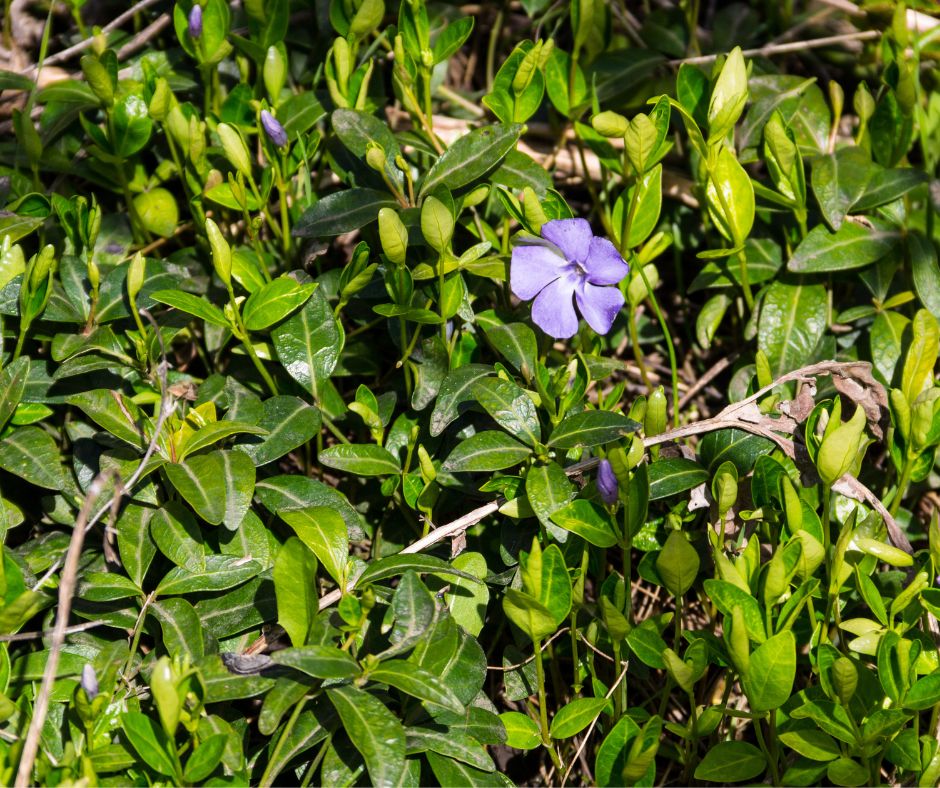
Vinca minor thrives in a range of shady conditions, displaying glossy evergreen leaves and periwinkle-blue flowers in spring.
This ground cover spreads by rooting stems along the ground, perfect for quickly filling in bare spots. However, this plant is not safe for pets. It contains low levels of toxins.
- Shade tolerance: Full to partial shade.
- Foot traffic: Tolerates occasional walking if given time to recover.
- Ideal for: Shady slopes, under trees, between path stones.
- Care tips: Drought-tolerant once established. Prune to control the spread and refresh foliage.
Pachysandra
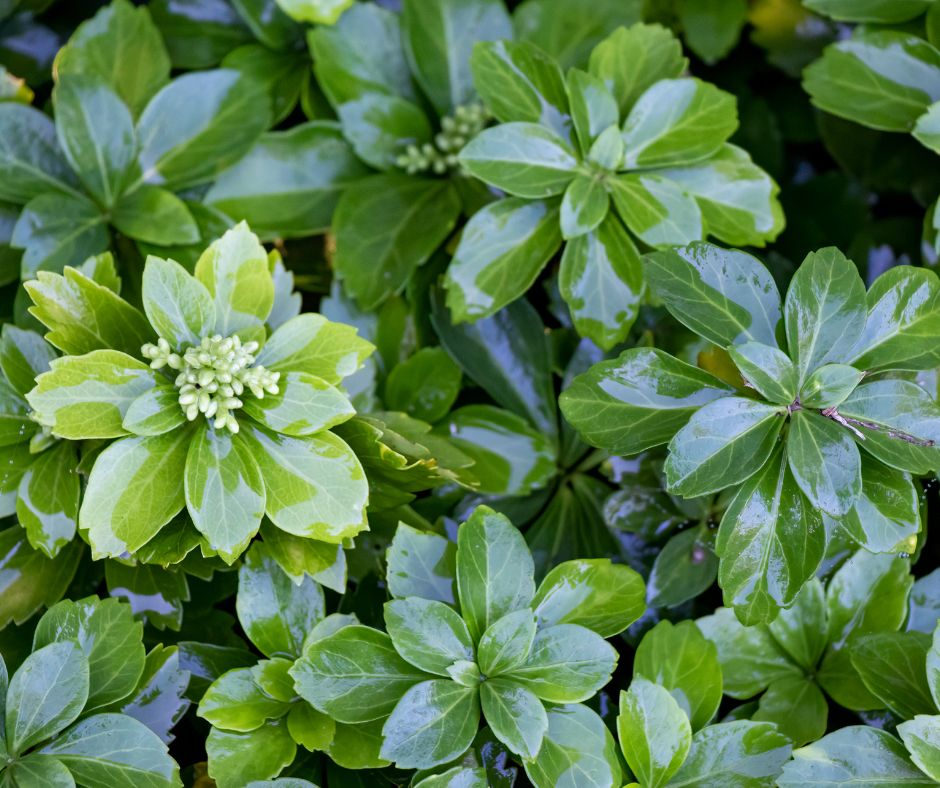
Pachysandra terminalis, also known as Japanese Spurge, forms a dense carpet of leathery, deep green leaves.
It’s a classic choice for large shady beds and handles competition from tree roots better than many other plants. Not edible but considered generally safe for pets, and it is rabbit and deer tolerant.
- Shade tolerance: Full to dense shade.
- Foot traffic: Can handle light to moderate foot traffic with good soil.
- Ideal for: Woodland gardens, borders, mass plantings.
- Care tips: Water regularly during establishment, then maintain with light mulching annually.
Ferns
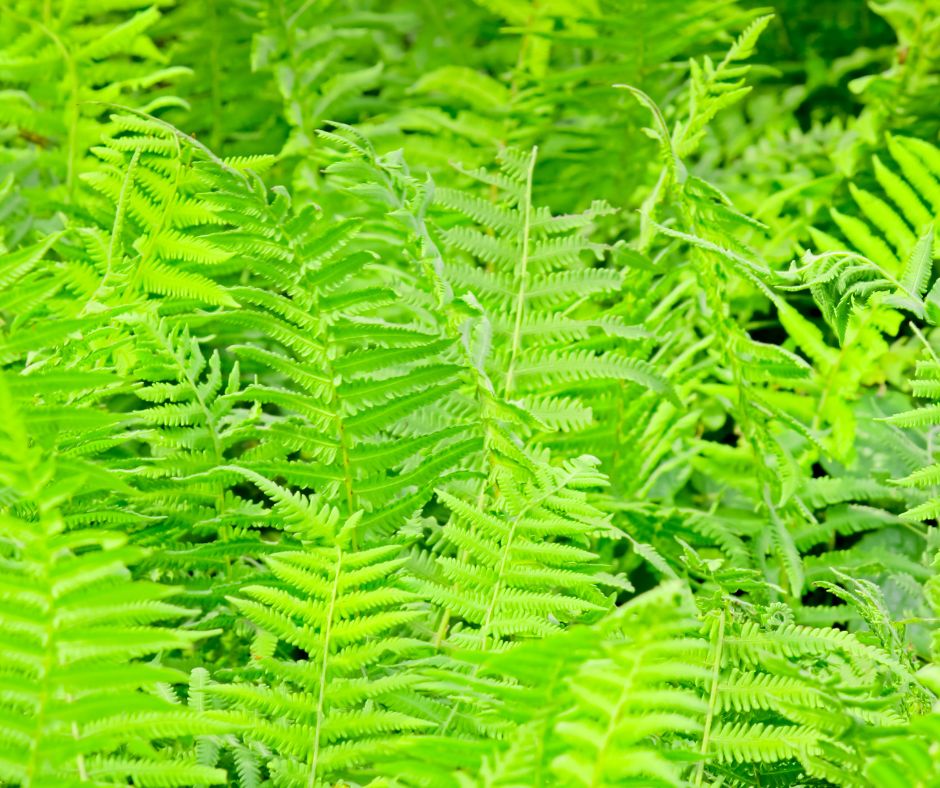
While not all ferns are walkable, some varieties, such as the Creeping Wood Fern (Dryopteris erythrosora) and Lady Fern (Athyrium filix-femina) form tough, spreading clumps that handle gentle foot traffic.
Ferns bring texture and cooling green tones to shady spaces. Plus Lady Fern fiddleheads are edible and are a popular food source in PNW. Make sure to cook them well before eating. Safe for pets.
- Shade tolerance: Thrive in deep shade.
- Foot traffic: Best for low-traffic paths or to soften spaces around stepping stones.
- Ideal for: Adding vertical interest, planting under trees.
- Care tips: Like consistently moist, humus-rich soils and benefit from leaf mulch in fall.
Wild Ginger
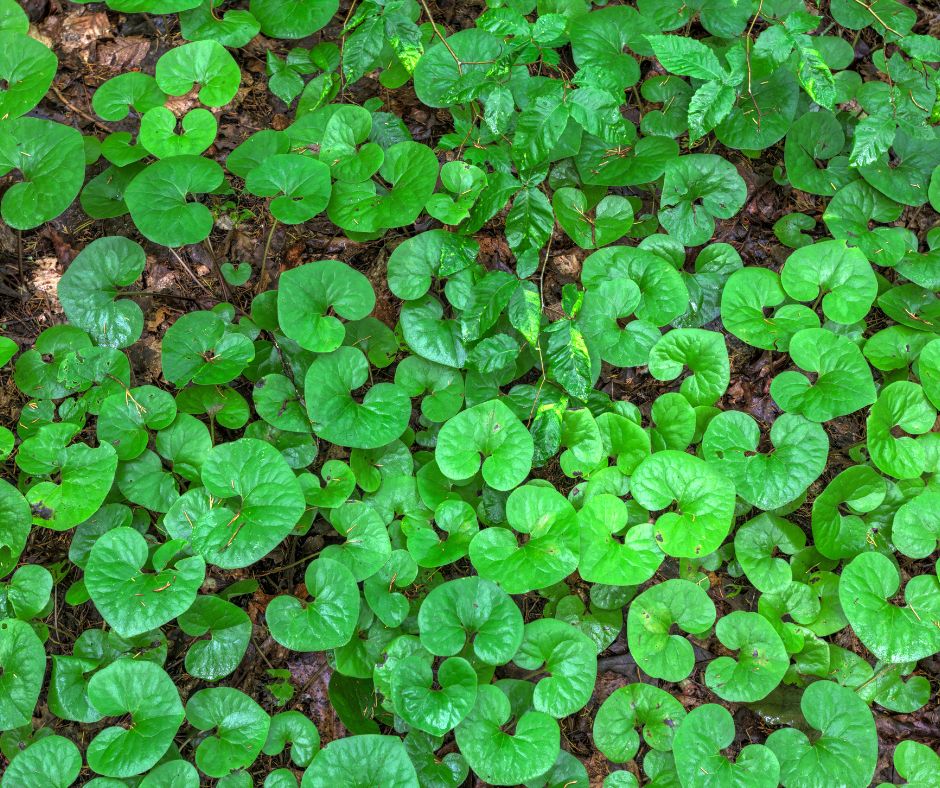
Asarum canadense or wild ginger, is a native ground cover that creates a carpet of heart-shaped leaves. It works well under trees and in woodland gardens, offering a lush, natural look and a mild ginger scent when leaves are crushed.
It is not a great plant for areas that pets can access, better suited to a protected area as it’s known to attract butterflies.
- Shade tolerance: Prefers deep to partial shade.
- Foot traffic: Tolerates occasional steps, especially when planted densely.
- Ideal for: Woodland paths, naturalizing shady garden beds.
- Care tips: Plant in moist, rich soil. Matures slowly but is low-maintenance.
Planting and Care Tips for Walkable Ground Cover
Setting your ground cover up for long-term success starts at planting and continues with regular, easy care.
Preparing the Soil
- Remove any weeds or grass from the planting area.
- Loosen the soil to a depth of at least 6 inches.
- Mix in compost or leaf mold to improve drainage and fertility, especially in heavy clay or sandy soils.
Planting
- Space plants according to their mature spread (usually 6–12 inches apart).
- Water thoroughly at planting and check daily until established.
- Mulch lightly around young plants to retain moisture and deter weeds.
Ongoing Care
- Watering: Keep new plantings consistently moist for the first few weeks. Once established, many shade ground covers are drought-tolerant.
- Feeding: Top-dress with compost in spring. Avoid high-nitrogen fertilizers that cause leggy growth.
- Pruning: Trim back spreading runners to keep planting beds neat and prevent unwanted spread.
- Dividing: Thin or divide plants every few years to rejuvenate growth and prevent overcrowding.
Managing Foot Traffic
- For busy pathways, use stepping stones to guide footfalls and reduce wear.
- Rotate footpaths seasonally if possible to allow recovery.
- Replant thin spots in early spring or fall for best establishment.
Transform Your Shady Spaces into Inviting Retreats

Shade doesn’t have to limit your garden’s potential. With careful plant selection and a few simple care steps, you can create a thriving, walkable ground cover in even the dimmest corners of your yard.
These resilient, shade-loving plants offer foliage texture, seasonal blooms, and, best of all, a living carpet you can walk on year-round.
Try mixing species for a rich, layered look or stick to a single variety for a cohesive statement. Either way, transforming your shady areas with ground cover adds beauty, reduces maintenance, and invites you outdoors to enjoy every part of your landscape.
Want more landscaping inspiration? Explore our plant guides or connect with local nurseries for shade-friendly ground cover options suited to your region.
Visit the Garden Resources page for supplies and inspiration. Don’t forget to subscribe to the Calendula’s Garden Newsletter for more gardening tips.
Calendula’s Garden is reader supported. When you buy through links on our site, we may earn an affiliate commission. As an Amazon Associate, I earn from qualifying purchases. For more information, view our Disclaimer page. Thank you!