Turn Your Living Room Into a Lush Indoor Garden Paradise
Calendula's Garden is reader suported This post may contain affiliate links, more on our Disclaimer page. Thank you!
Have you ever walked into someone’s home and felt instantly transported to a tropical paradise? That magical feeling comes from the power of plants.
Creating a jungle vibe in your living room isn’t just about following the latest design trend. It’s about bringing life, energy, and a sense of calm into your most-used space.
The benefits extend far beyond aesthetics. Houseplants naturally purify the air, reduce stress levels, and create a welcoming atmosphere that guests will remember long after they leave.
Plus, there’s something deeply satisfying about nurturing your own indoor garden, watching it flourish throughout the seasons.
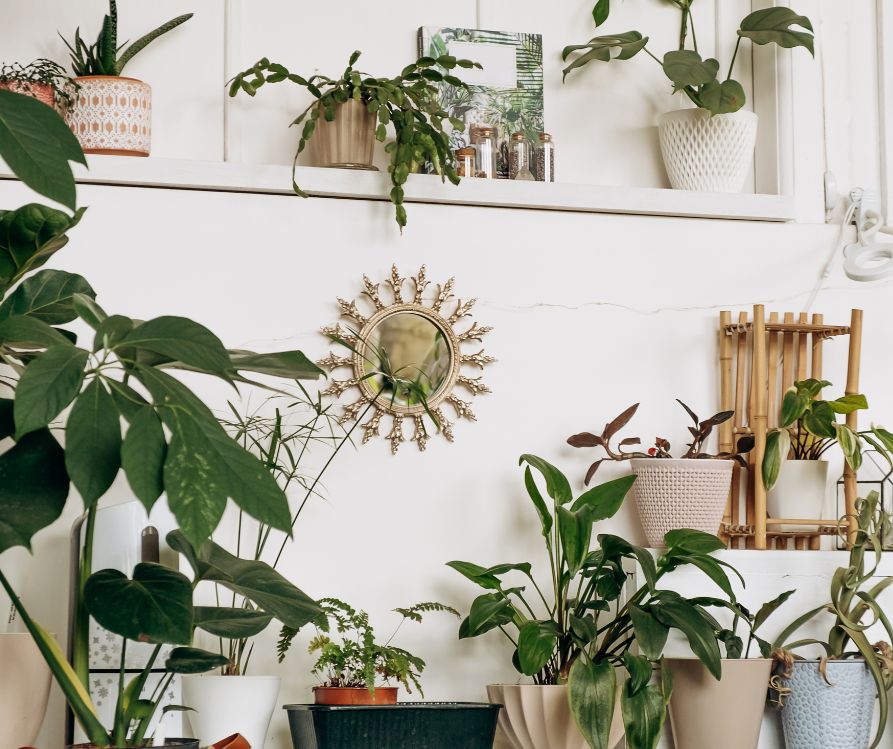
Whether you’re a complete beginner or someone who’s killed a few plants along the way (we’ve all been there!), transforming your living room into a green oasis is more achievable than you might think. Let’s explore how you can create your own indoor jungle that thrives year-round.
Choosing the Right Plants for Your Indoor Garden
The foundation of any successful indoor garden lies in selecting houseplants that will actually thrive in your specific environment. Your living room’s lighting conditions, humidity levels, and available space will determine which plants become your green companions.
Low-Light Champions
Not every living room is blessed with floor-to-ceiling windows. If your space receives limited natural light, don’t worry.
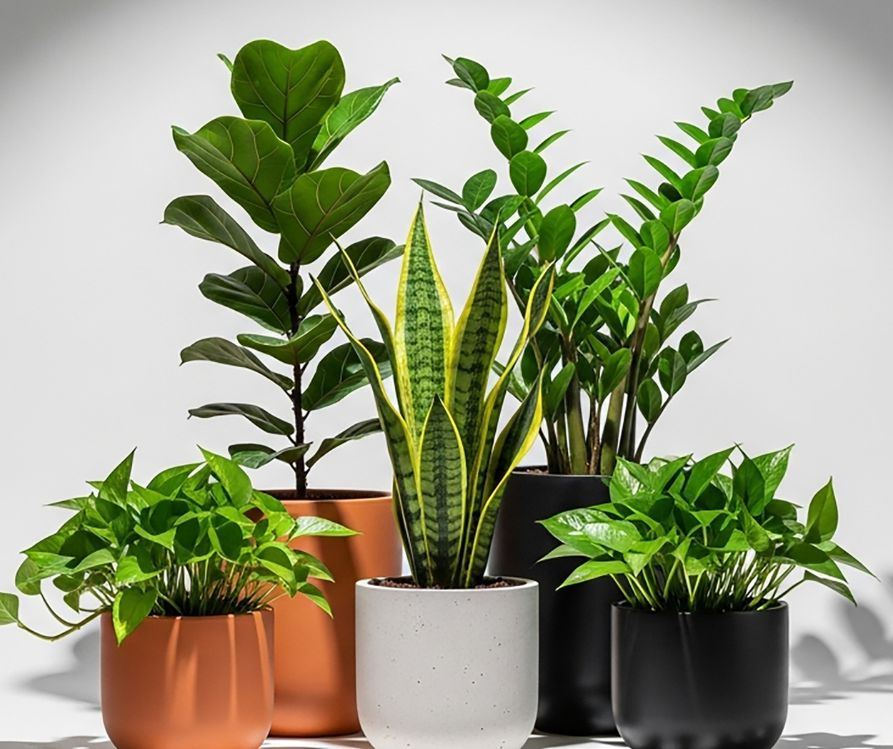
Several stunning plants actually prefer these conditions. The ZZ plant (Zamioculcas zamiifolia) is virtually indestructible and adds glossy, architectural leaves to any corner.
Snake plants create dramatic vertical lines and can handle weeks of neglect, making them perfect for busy lifestyles.
For softer textures, consider the cast iron plant or Chinese evergreen. These beauties offer varied leaf patterns and colors while tolerating low light conditions that would stress other plants.
Bright Light Beauties
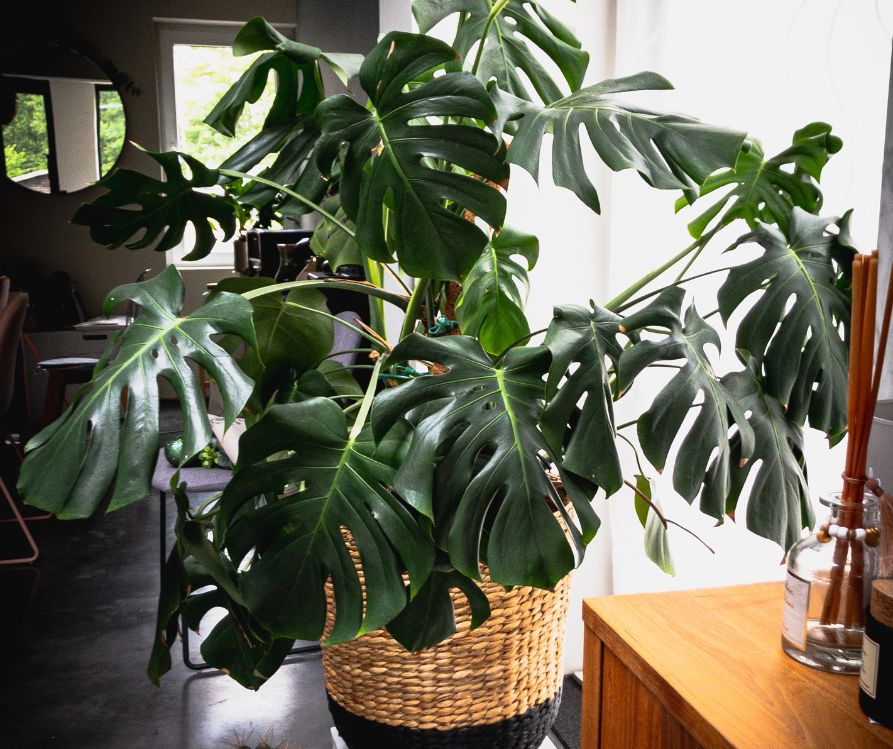
If your living room gets plenty of natural light, you can incorporate showstopper plants that create instant jungle vibes.
Fiddle leaf figs make bold statements with their large, violin-shaped leaves, though they require consistent care.
Monstera deliciosa, with its iconic split leaves, brings that classic tropical feel and grows impressively over time.
Costa Farms Monstera Swiss Cheese Plant, Live Indoor Plant, Easy to Grow Split Leaf
Bird of paradise plants can reach ceiling height and produce stunning orange and blue flowers if given enough light and space.
Rubber trees offer glossy, substantial foliage and adapt well to bright indoor conditions.
Air-Purifying Powerhouses
Many houseplants double as natural air filters, making your indoor garden both beautiful and functional.
Peace lilies bloom periodically with elegant white flowers while removing toxins from the air.
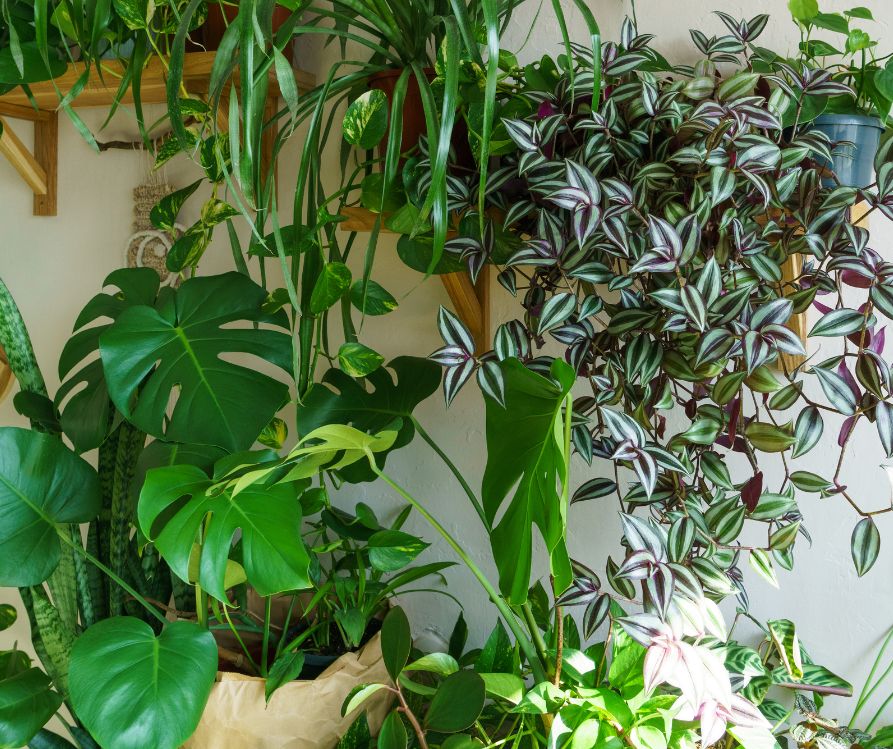
Spider plants are incredibly easy to care for and produce baby plants you can propagate and share with friends.
Pothos varieties trail beautifully from shelves or hanging planters, creating cascading green curtains that soften room edges. These plants grow quickly and forgive occasional watering mistakes.
Setting the Stage for Your Indoor Jungle
Once you’ve selected your plant family, creating the right environment becomes crucial for their long-term success.
The containers, soil, and placement strategies you choose will determine whether your indoor garden thrives or struggles.
Container Considerations
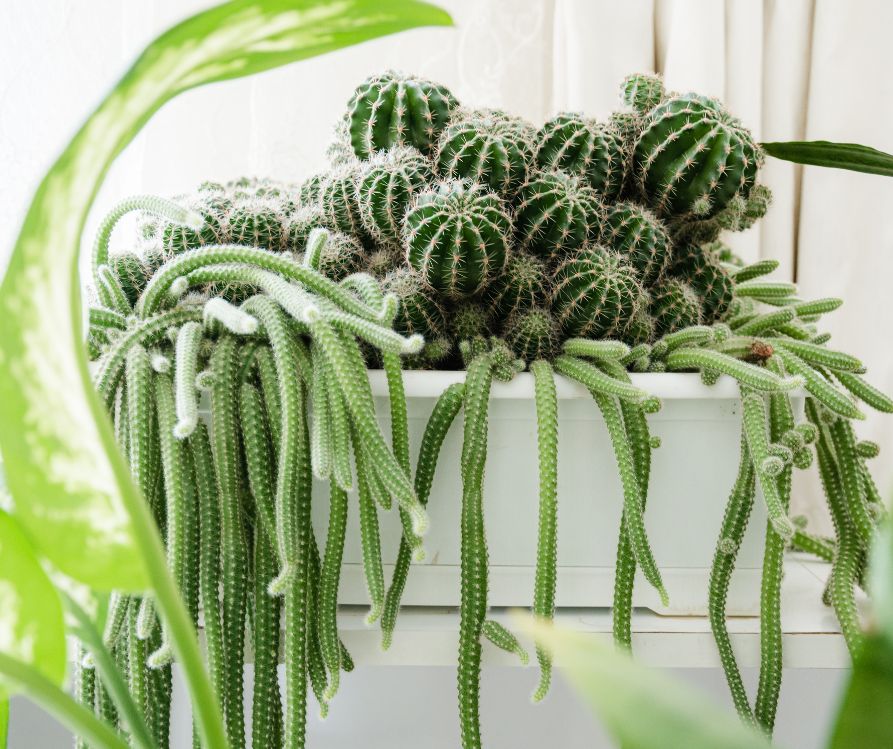
Your plant containers serve both functional and aesthetic purposes. Ensure every pot has proper drainage holes to prevent root rot. This single factor determines the fate of more houseplants than any other care issue.
Consider using saucers or plant trays to protect your floors while allowing excess water to escape.
Back to the Roots 100% Organic Indoor Potting Mix (6 Quart)
Mix container sizes, shapes, and materials to create visual interest. Woven baskets add natural texture, ceramic pots provide classic elegance, and modern planters complement contemporary spaces.
Just remember that the container should complement your plant, not compete with it.
Creative Placement Ideas
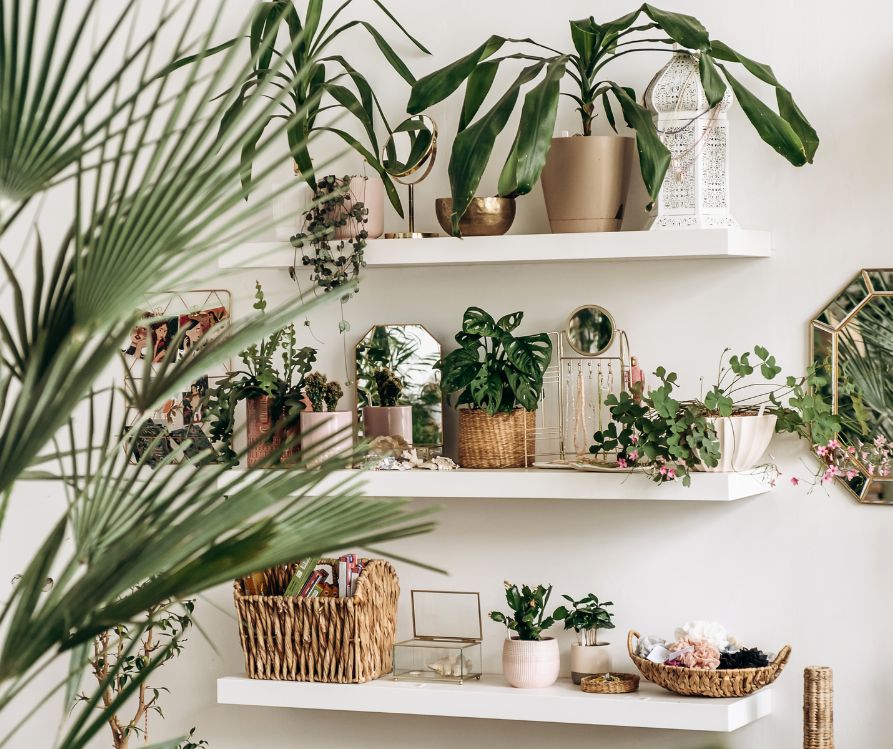
Strategic plant placement transforms a collection of individual plants into a cohesive jungle atmosphere.
Create layers by using plant stands of varying heights, placing larger plants on the floor, medium plants on side tables, and trailing varieties on shelves or in hanging planters.
Corner spaces often go unused, but make perfect spots for larger statement plants. Position plants near seating areas where you can enjoy them daily, but ensure they won’t interfere with foot traffic or furniture use.
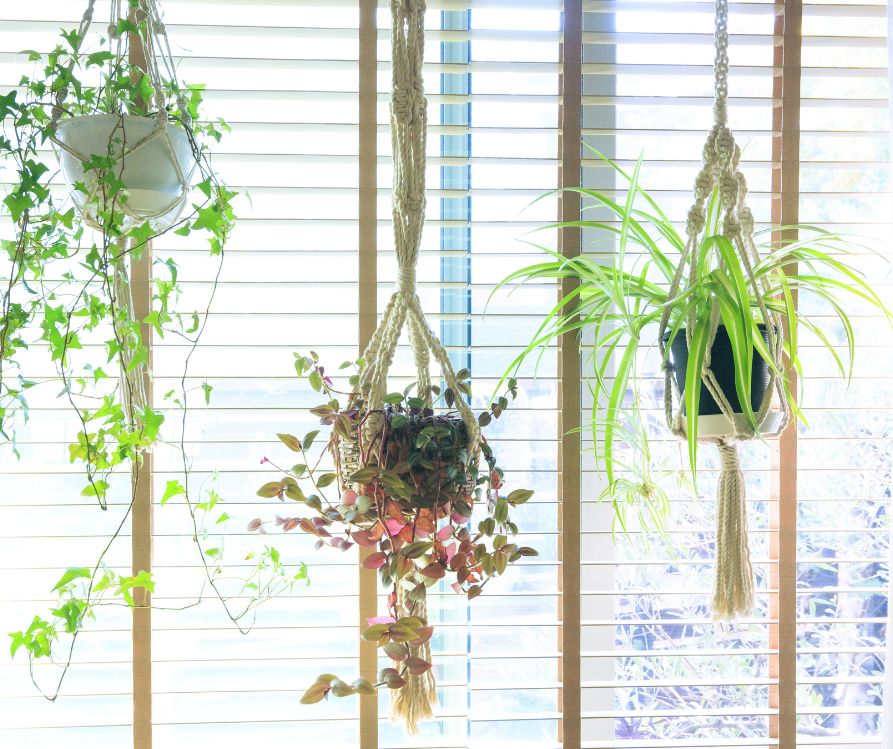
Hanging planters maximize your growing space while adding dimension to bare walls or empty ceiling areas.
Placement in front of windows can add a calming privacy screen. Just ensure the ceiling can support the weight of the planter, soil, and water.
Caring for Your Indoor Jungle
Successful plant care comes down to understanding each plant’s basic needs and establishing consistent routines. Don’t let plant care intimidate you. Most houseplants are remarkably forgiving once you understand their preferences.
Watering Wisdom
Overwatering kills more houseplants than underwatering. Most plants prefer to dry out slightly between waterings. Check soil moisture by inserting your finger about an inch deep. If it feels dry, it’s time to water.
Water thoroughly until excess drains from the bottom, then empty saucers after 30 minutes to prevent standing water. Group plants with similar watering needs together to streamline your care routine.
Feeding and Fertilizing
During the growing season (spring and summer), most houseplants benefit from monthly feeding with diluted liquid fertilizer. Reduce or eliminate fertilizing during fall and winter when plant growth naturally slows.
Watch for signs of nutrient deficiency: yellowing leaves often indicate overwatering or poor drainage, while slow growth might signal the need for fertilizer or more light.
Pruning and Maintenance
Regular pruning keeps plants healthy and maintains their shape. Remove dead, yellowing, or damaged leaves promptly to prevent pest issues and redirect energy to healthy growth. Pinch growing tips on trailing plants to encourage bushier growth.
Dust plant leaves regularly with a soft cloth or gentle spray to keep them breathing efficiently and looking their best.
Adding Natural Jungle Elements
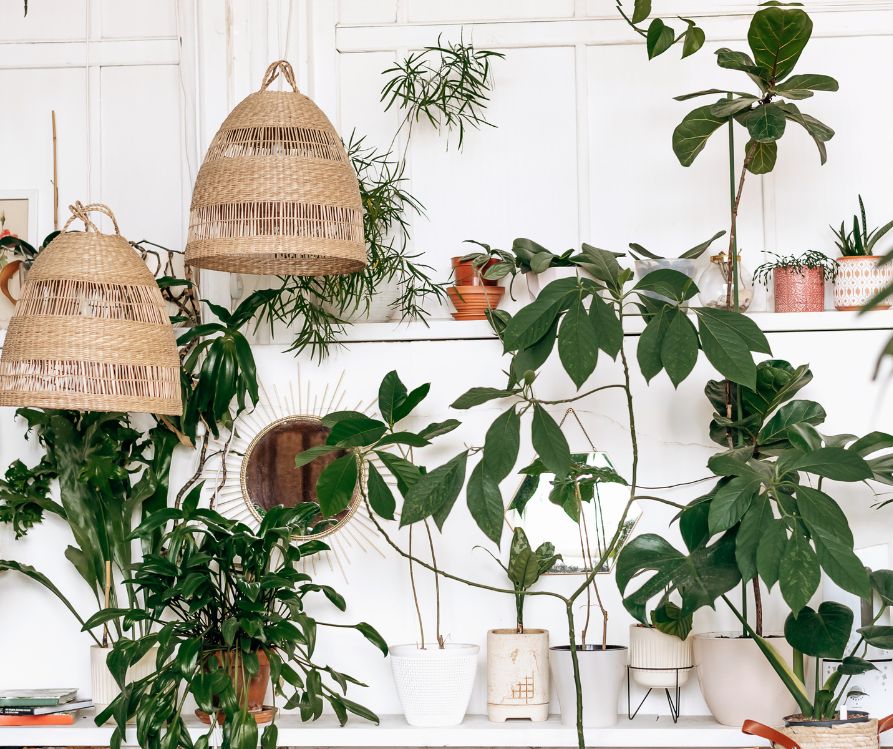
Plants form the foundation, but incorporating additional natural materials creates a truly immersive jungle atmosphere in your living room.
Natural Materials and Textures
Wood elements like bamboo plant stands, driftwood pieces, or reclaimed wood shelving enhance the organic feel. Stone or pebble trays add earthy textures while providing humidity for nearby plants.
Natural fiber rugs, jute baskets, and woven wall hangings complement your plant collection while maintaining the jungle theme throughout your space.
Color and Decor Harmony
Embrace earthy color palettes that let your plants shine. Rich greens, warm browns, and cream tones create a cohesive backdrop. Add subtle animal prints through throw pillows or artwork, but use them sparingly to avoid overwhelming the natural beauty of your plants.
Consider the lighting in your space, too. Warm LED bulbs create a cozy atmosphere, while plant-specific grow lights can supplement natural light during darker months.
Maintaining Your Winter Garden
Keeping your indoor garden thriving during colder months requires adjusting your care routine to match plants’ changing needs.
Seasonal Care Adjustments
Reduce watering frequency as plants enter dormancy and growth slows. Monitor humidity levels, as heating systems can dry out indoor air significantly.
Group plants together or use humidity trays filled with pebbles and water to maintain adequate moisture.
Position plants away from heating vents and cold windows that can stress them with temperature fluctuations.
Pest Prevention
Winter conditions can stress plants, making them more susceptible to pest issues. Inspect plants regularly for early signs of spider mites, aphids, or scale insects.
Maintain good air circulation and avoid overcrowding plants to prevent pest problems before they start.
If you notice pest issues, isolate affected plants and treat promptly with insecticidal soap or neem oil.
Create Your Own Green Sanctuary
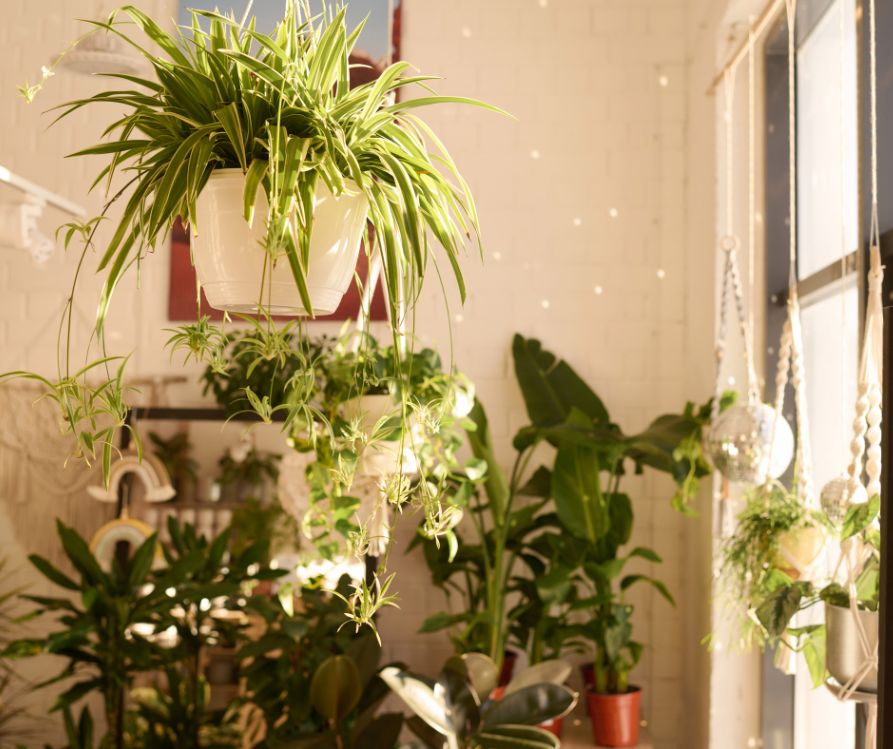
Transforming your living room into a jungle paradise takes time, patience, and a willingness to learn from both successes and setbacks. Start with a few easy-care plants and gradually expand your indoor garden as your confidence grows.
Remember that every plant parent has killed a plant or two. It’s part of the learning process. Focus on understanding your plants’ needs, establishing consistent care routines, and enjoying the journey of creating your personal oasis.
Your indoor garden will evolve with the seasons and your growing expertise. Embrace the process, celebrate small victories, and soon you’ll have friends asking for your plant care secrets.
NASA compiles list of best plants to clean indoor air
The jungle vibe you create will provide daily doses of nature’s calm, transforming your living room into a space that truly feels like home.
Visit the Garden Resources page for supplies and inspiration. Don’t forget to subscribe to the Calendula’s Garden Newsletter for more gardening tips.
Calendula’s Garden is reader supported. When you buy through links on our site, we may earn an affiliate commission. As an Amazon Associate, I earn from qualifying purchases. For more information, view our Disclaimer page. Thank you!