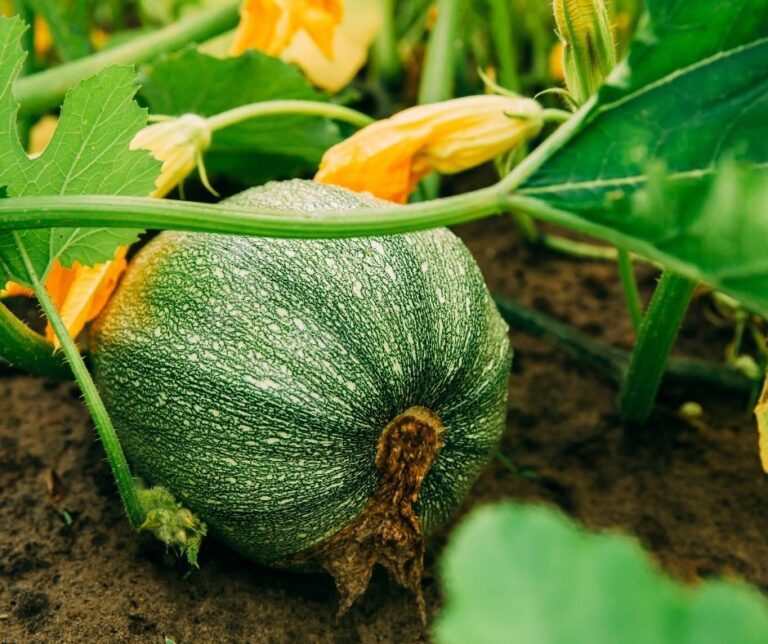
Troubleshooting Common Watermelon Growing Problems
Calendula's Garden is reader suported This post may contain affiliate links, more on our Disclaimer page. Thank you!
Watermelons are a delicious and refreshing summer fruit, but even the most experienced gardeners can run into problems from time to time.
In this guide, we’ll troubleshoot some of the most common watermelon growing problems so that you can enjoy a bumper crop of sweet, juicy watermelons this summer.
First, let’s talk about what watermelon plants need to be happy and healthy

Watermelons require quite a bit of care to thrive and produce good yields. A well-nourished, established watermelon plant should receive at least 1 inch of water per week.
They should be watered deeply to ensure successful growth, and it is important to keep the soil evenly moist but not overly saturated, as this will cause root rot.
Watermelon plants need 6-8 hours of direct sunlight per day, along with adequate protection from wind, which can injure both the leaves and fruits.
For optimal fruit development, the soil should also provide a range of nutrients – applying fertilizer once a month can be beneficial.
Mulching watermelon plants helps keep their roots cool in hot weather and prevents weeds from growing around them, while regular pruning of the leaves keeps air circulating to reduce the risk of fungal disease.
Lastly, it is best to choose a spot in your garden that offers plenty of room for vines to sprawl and fruit to ripen, as mature watermelons can grow quite large!
Where to find seeds, plants, and supplies:
What to do if your watermelon plants are wilting
If your watermelon plants are wilting, it could be due to a number of different factors. The most common causes of wilting are lack of water, excessive heat, or pests.
If your plants are not receiving enough water, they will start to wilt as a way of conserving moisture. Watermelons need a lot of consistent watering.
I use a soaker nozzle and set a timer for extra hydration in addition to drip irrigation during the hottest time of year here in Arizona.
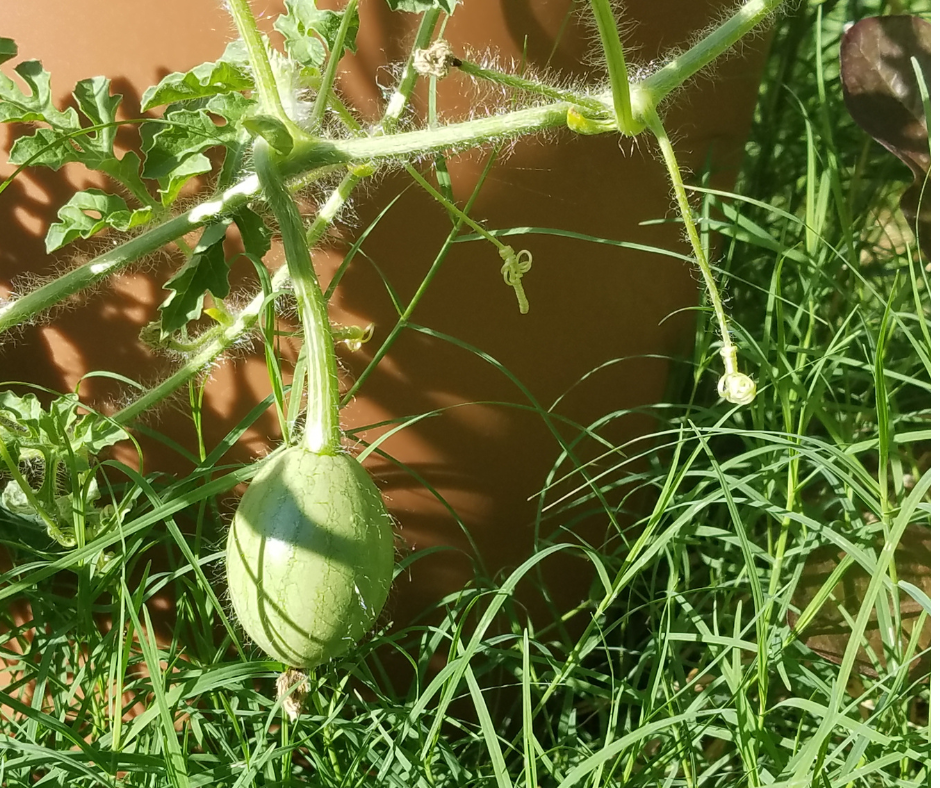
However, if you’re watering your plants regularly and they’re still wilting, it could be a sign that they’re getting too much sun.
Too much heat can cause the water in the leaves to evaporate, leading to wilting. In very hot areas, leaves wilt in an effort to reduce surface area during the hottest time of day. When you check on them in the evening, they will have returned to normal.
If they looked sunburned, adding a bit of light shade cloth coverage during the hottest time of day will do the trick.
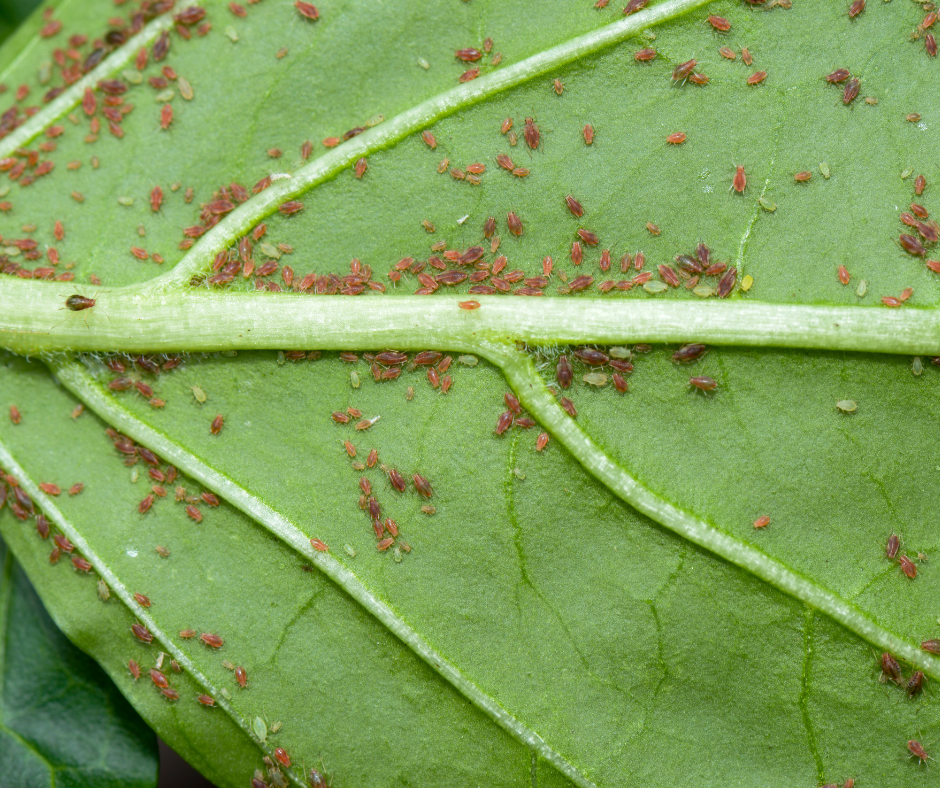
Lastly, pests such as aphids can also cause wilting by sucking the sap out of the plant’s leaves. If you suspect that pests are to blame, inspect your plants carefully and take action accordingly.
No matter what the cause, wilting plants are cause for further investigation. If you notice your plants starting to wilt, take action immediately to correct the problem.
More watermelon growing resources:
Cool Area 55% 6.5ft x10ft Sunblock Shade Cloth Cover Mesh UV Resistant Net for Garden
What to do if your watermelon vines are yellowing

One of the most common problems with watermelon plants is yellowing vines. There are several possible causes of this problem, including nutrient deficiencies, pests, and disease.
One of the most common nutrient deficiencies that can cause yellowing vines is a lack of nitrogen. Watermelons are hungry fast growing plants.
This can be remedied by fertilizing the plant with a nitrogen-rich fertilizer like chicken manure.
Find some of our favorite fertilizers here: 7 Best Garden Soil Amendments and Fertilizers
Another common cause of yellowing vines is pests, such as aphids, squash bugs, cucumber beetles, or whiteflies.
These pests can be controlled with insecticidal soap or other pesticides.
Finally, some diseases, such as powdery mildew, can also cause watermelon vines to turn yellow. These diseases can be treated with fungicides.
By diagnosing the cause of the problem, it is usually possible to correct it and get the vines back to their healthy green color.
Natural disease and pest solutions for your watermelons
Watermelons are a delicious and refreshing summer fruit, but they can be susceptible to a number of diseases and pests.
The most common watermelon diseases include powdery mildew, downy mildew, fusarium wilt, and anthracnose.
These fungal diseases can cause the leaves of the watermelon plant to turn yellow or brown and the fruit to rot.

Pests such as aphids, cucumber beetles, and squash bugs can also damage watermelons. Aphids suck the sap from the leaves of the plant, causing them to turn yellow and curl.
Cucumber beetles eat the leaves of the plant and can also transmit viral diseases. Squash bugs insert their long mouthparts into the watermelon fruit, causing it to rot.
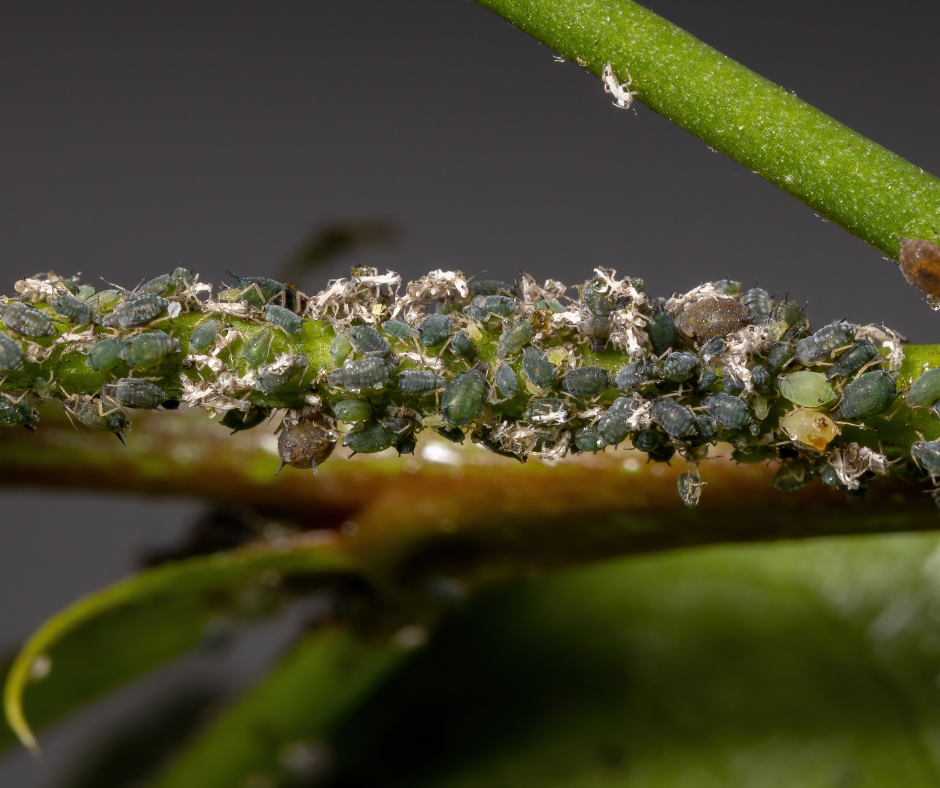
Fortunately, there are a number of ways to prevent and control these diseases and pests. For example, planting resistant varieties of watermelon and using row covers can help prevent infestations.
In addition, regular scouting for pests and diseases can help catch problems early on. With a little care, watermelons can thrive even in the face of these common problems.
Find a list of natural pest control resources here: The Best Natural Pest Control
Help, bugs are eating my melons before they are ripe!
Nobody likes finding a half-eaten watermelon in their garden. Not only is it a wasted fruit, but it can also attract other bugs and animals that you don’t want hanging around.
So, what can you do to prevent this from happening? First, make sure to pick your watermelons when they are ripe. If they are left in the garden nice and ripe, they will be more attractive to pests.
Second, keep an eye out for any bugs that might be interested in your watermelons and take action accordingly.
Try planting marigolds around your watermelons. Marigolds produce a chemical that deters many common garden pests. You can use traps, pesticides, or even just squish them by hand if necessary.
Most of the pests will be soft-bodied sap suckers that can be injured by diatomaceous earth, an inert powder of sharp fossilized sea shells.
Third, try to create a barrier between your watermelons and the bugs. This could involve using netting or fencing around your garden
Sometimes the combination of moisture accumulating under your watermelons and bugs can cause rot.
One way to raise your watermelons off the ground while they are ripening is by using melon cradles.
Many commercially available melon cradles are easy to place in the garden. I have had the best luck with Patio Eden’s Melon Cradle – plant and garden support.
They have a stabilizing stake that helped keep the melons in place and off of the ground while they were growing. I also started using them to support my winter squash with excellent results.
One way to raise your watermelons off the ground while they are ripening is by using a wire mesh. You can set up the mesh so it is elevated off the ground and then place the watermelons on top of it.
The wire mesh will allow the watermelons to air out and prevent them from sitting in puddles of water. However, this may not work for the large, heavy varieties of melons.
Another way to raise your watermelons off the ground is by using a trellis. This works well for the adorable mini variety of melons.
You can set up the trellis so that the fruit is elevated off of the ground when the melon vines grow up and around it. This will keep the fruits from sitting on the ground and getting bruised.
What to do if your watermelons are small or misshapen

Most of us have seen a watermelon that is small or misshapen, and we’ve probably wondered what went wrong. After all, watermelons are supposed to be big, round, and juicy, right?
Well, there are actually a number of reasons why watermelons can end up being small or misshapen.
One common cause is simply genetics – some watermelon varieties are naturally smaller than others.
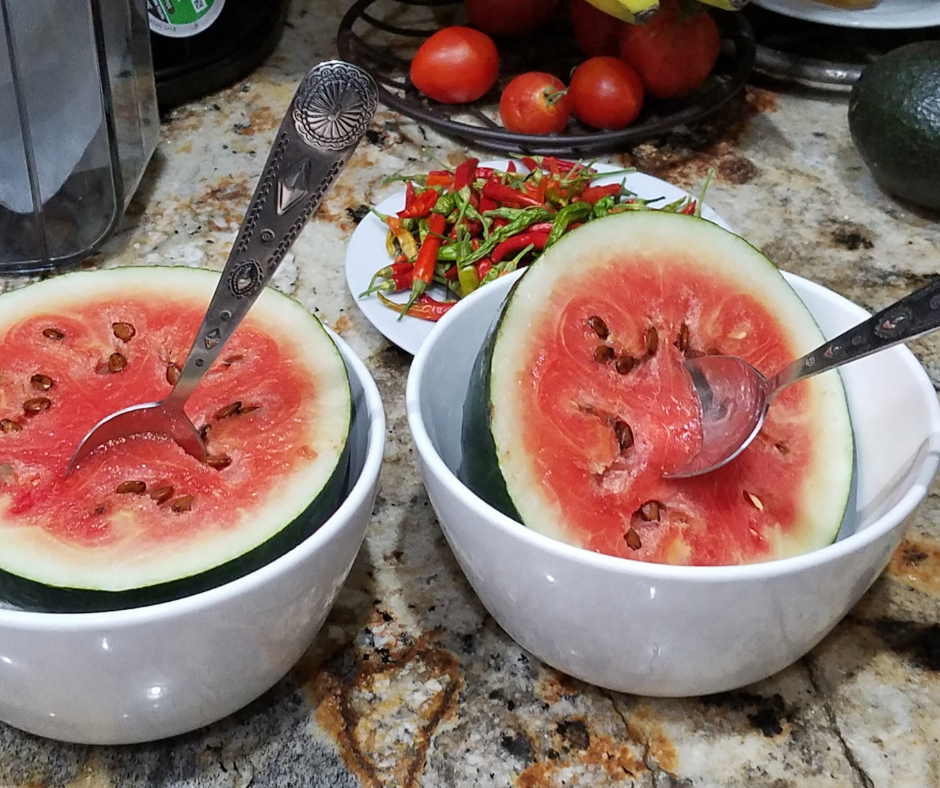
Another cause is temperature fluctuations during the growing season. If the temperature gets too hot or too cold, it can affect the size and shape of the fruit. Finally, watermelons need a lot of water to grow, so if they don’t get enough during the growing season, they may end up being small or misshapen.
How to harvest and store watermelons
Watermelons are a refreshing and delicious summer fruit, but harvesting and storing them correctly is essential to enjoy their full flavor. Watermelons should be harvested when they are ripe, which you can tell by thumping the melon and listening for a deep, hollow sound.
You can also check for a uniform color, the skin should be dull, as well as a tendril that has dried up and turned brown.
Once you have found a ripe watermelon, use a sharp knife to cut the stem cleanly away from the melon. Store watermelons in a cool, dry place, such as a cellar or basement.
To help them last even longer, wrap each melon individually in newspaper before placing it in storage.
If you want to keep it fresh for longer, you can store it in the refrigerator. Just be sure to eat it within a few days, as it will start to lose its flavor after that.
With proper care, watermelons can last for several weeks and provide plenty of refreshing sweetness all summer long.
Freezing watermelon cubes is the perfect way to keep them tasty and cool for an extended period of time. To freeze fresh watermelon cubes, simply cut up your melon into 1-inch cubes and spread them on a baking sheet lined with parchment paper.
Place the baking sheet in the freezer and let the cubes freeze overnight. Once frozen solid, transfer the cubes into a zipper bag or other airtight container and place them back in the freezer until you’re ready to enjoy.

Visit the Garden Resources page for supplies and inspiration. Don’t forget to subscribe to the Calendula’s Garden Newsletter for more gardening tips.
Calendula’s Garden is reader-supported. When you buy through links on our site, we may earn an affiliate commission. As an Amazon Associate, I earn from qualifying purchases. For more information, view our Disclaimer page.
Cool Area 55% 6.5ft x10ft Sunblock Shade Cloth Cover Mesh UV Resistant Net for Garden