Troubleshooting Common Issues with Your Home Aquaponics Setup
Calendula's Garden is reader suported This post may contain affiliate links, more on our Disclaimer page. Thank you!
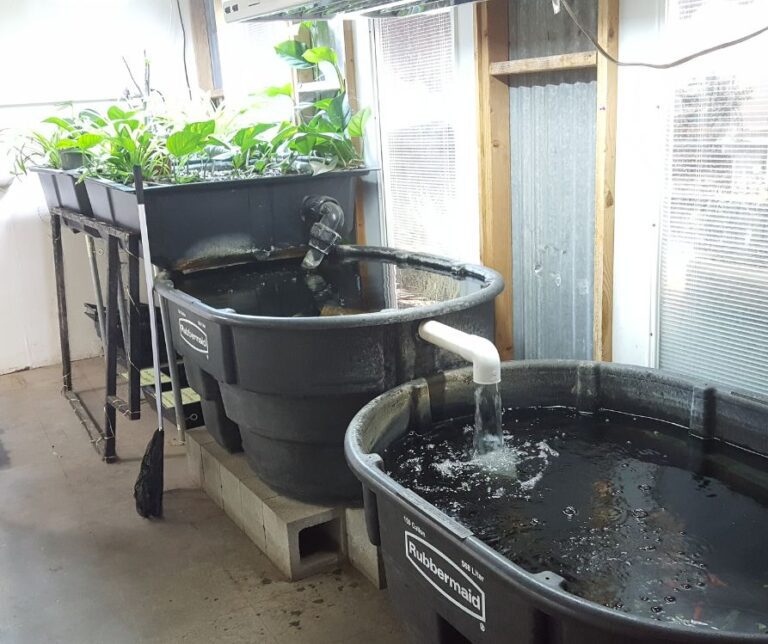
Aquaponics is a revolutionary method of sustainable gardening, combining aquaculture (raising fish) with hydroponics (growing plants in water) to create a symbiotic ecosystem.
For home gardeners, this innovative system brings numerous benefits, such as fresh produce, organic fish, and reduced water usage, just a few examples. However, even the most well-planned setups can encounter hiccups.
This guide will help you through troubleshooting the most common aquaponics issues, ensuring your system remains healthy, efficient, and a true centerpiece of sustainable gardening.
Understanding Common Issues in Home Aquaponics
Before tackling specific problems, it’s crucial to recognize some common pain points aquaponics enthusiasts face. These include water quality concerns, nutrient imbalances, equipment failures, and system leaks.
With a proactive approach and some practical solutions, you’ll find these challenges manageable. Below, we’ll address these key issues in detail and provide solutions to keep your aquaponics system thriving.
Low Water Quality
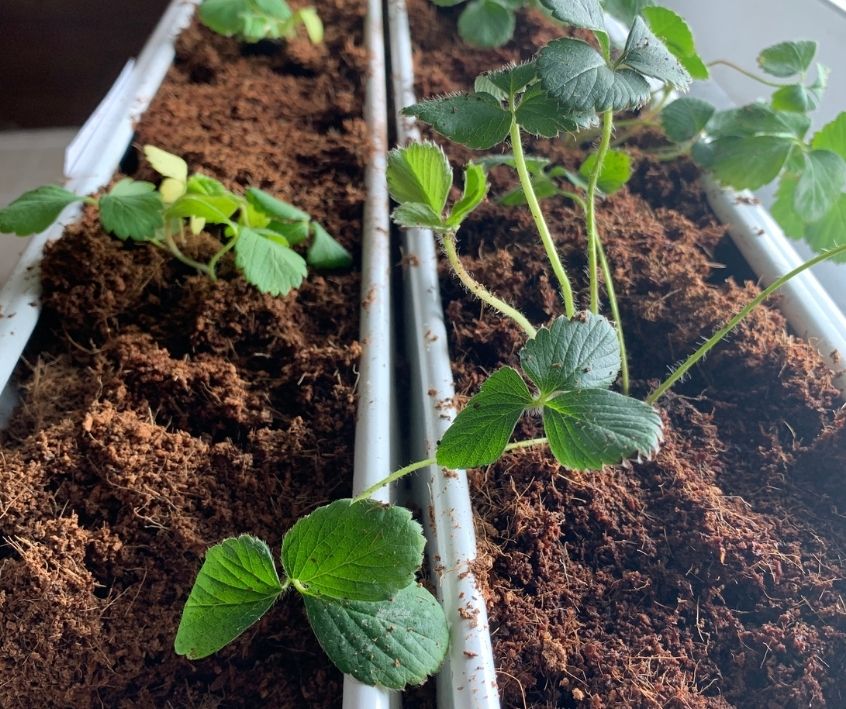
Healthy water is the backbone of any aquaponics system. Poor water quality can disrupt the delicate balance between fish and plants, leading to stunted growth, sick fish, or dying plants.
Signs of Poor Water Quality:
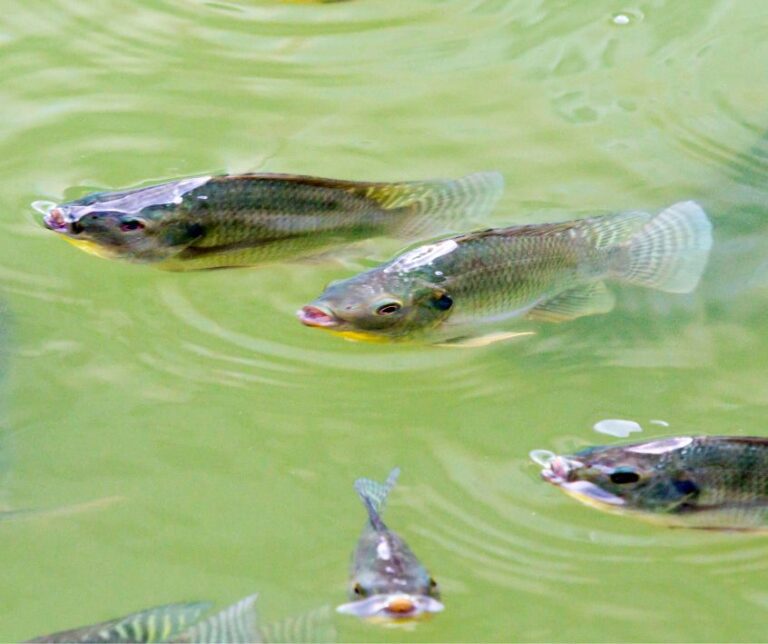
- Fish displaying unusual behavior (e.g., gasping at the water’s surface).
- Cloudy or foul-smelling water.
- Plants exhibiting slow growth or yellowing leaves.
Troubleshooting Solutions:
Test the Water Regularly
Invest in a reliable water testing kit to monitor ammonia, nitrites, and nitrates. Elevated ammonia or nitrite levels can harm fish, while low nitrates will hinder plant growth.
Perform Partial Water Changes
If toxin levels are too high, remove 10–20% of the tank water and replace it with fresh, dechlorinated water.
Install a Proper Filtration System
A high-efficiency biofilter will help break down fish waste into plant-usable nutrients, keeping water clean and balanced.
Pro Tip: If your fish are gasping for air, aeration could be an issue. Add an air pump or check that your water pump is creating enough surface agitation for oxygen exchange.
pH Imbalance
pH levels play a critical role in the health of your aquaponics system. Fish, plants, and beneficial bacteria all require specific pH ranges to thrive.
Ideal pH Range:
- Fish thrive between 6.5 – 8.0, depending on the species.
- Plants and beneficial bacteria prefer a pH of 6.0 – 7.0 for optimal nutrient absorption.
Troubleshooting Solutions:
- Test pH Regularly: Weekly pH checks help catch imbalances early.
- Lowering pH: Add small amounts of pH-lowering solutions like phosphoric acid or citric acid in increments.
- Raising pH: Use crushed coral, potassium carbonate, or sodium bicarbonate to naturally increase pH levels.
- Avoid Hanky-Panky: Fluctuating pH is worse than a slightly off-pH. Adjust levels gradually and carefully.
Pro Tip: Always introduce pH-altering substances slowly to avoid shocking your system.
Nutrient Deficiency

If your plants are yellowing, wilting, or showing other signs of stress, the issue may be nutrient deficiencies.
Troubleshooting Solutions:
Symptoms & Causes:
- Yellowing leaves? Likely nitrogen deficiency.
- Pale or stunted new growth? Possible iron deficiency.
- Supplement Nutrients: Supplement the system with chelated iron or liquid-based potassium and calcium supplements when necessary.
- Evaluate Fish Feeding: Nutrient deficits might stem from inadequate fish feeding. Ensure fish waste production meets plant nutrient needs.
Pro Tip: Don’t rush to fertilize. Over-supplementing can disrupt your system balance.
Overfeeding or Underfeeding Fish
Feeding fish is both an art and a science in aquaponics. Overfeeding leads to excessive waste and water contamination, while underfeeding can create nutrient deficiencies for your plants.
Signs of Overfeeding:
- Uneaten food lingering in the tank.
- Spike in ammonia levels.
Troubleshooting Solutions:
- Feed in Small Amounts: Only provide as much food as your fish consume within 5 minutes.
- Remove Excess Food: Consider using a fine fish net or siphon to remove leftover food.
- Gradually Adjust Feeding Practices: Monitor nutrient levels to tailor your feeding strategy to meet plant and fish needs.
Equipment Failures
Your pumps, filters, and aerators are critical components of your aquaponics system. A sudden failure can disrupt the entire environment.
Troubleshooting Solutions:
- Regular Equipment Checks: Inspect pumps, hoses, and filters weekly for clogs or wear.
- Have Spares on Hand: Always keep a backup pump or essential equipment to avoid extended downtime.
- Clean Filters: Clogged filters reduce water flow. Clean them frequently to maintain proper circulation.
Pro Tip: Invest in energy-efficient equipment to reduce operating costs and extend the lifespan of your system.
Leaks and System Integrity
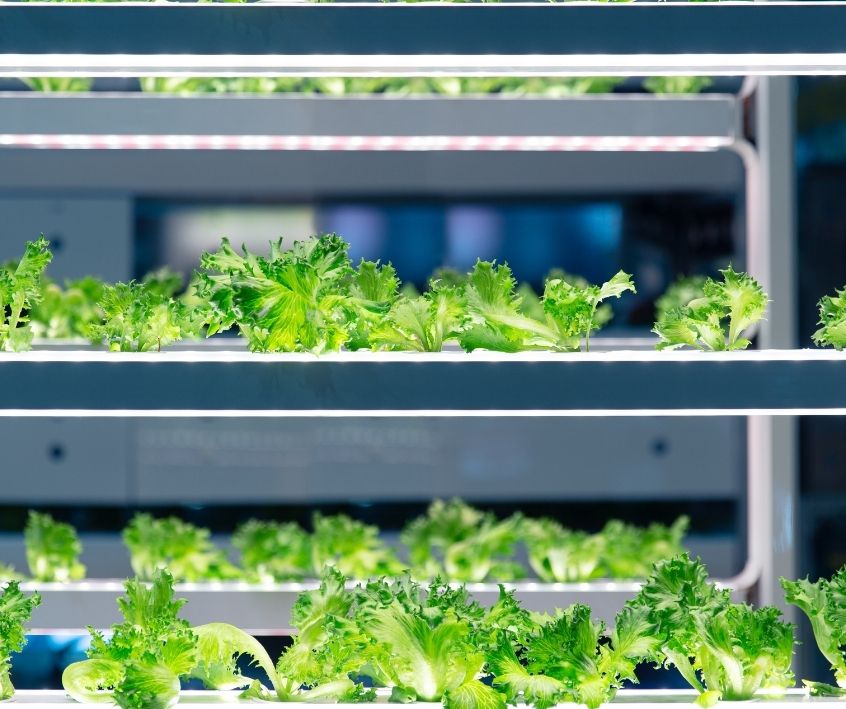
Even small leaks can jeopardize your aquaponics setup by causing dehydration or nutrient loss.
Troubleshooting Solutions:
- Assess Frequently: Check all plumbing, joints, and tanks for cracks or moisture buildup.
- Seal Leaks: Use silicone sealants or waterproof adhesive patches to seal leaks immediately.
- Monitor Water Levels: Install a float valve or use a water level indicator to avoid unnoticed water loss.
Pro Tip: Consider applying leak-resistant tape to seams as an extra precaution.
Preventative Measures & Maintenance Tips
Here are some additional steps you can take to maintain your aquaponics system and reduce recurring issues:
- Routine Testing: Test pH, ammonia, nitrites, and nitrates weekly.
- Scheduled Cleanings: Keep pumps and filters clean and unclogged.
- Observe System Health: Watch your plants and fish for signs of stress.
- Plan for Power Outages: Use backups like battery-operated air pumps.
Long-term success hinges on consistent care, observation, and adjustment as your system evolves.
A Thriving System for Sustainable Living
By mastering these troubleshooting techniques, you’re well on your way to maintaining a resilient and self-sustaining aquaponics system.
From improving water quality to balancing nutrients and preventing equipment mishaps, each step ensures healthier fish, vibrant plants, and a smoothly running system.
If you’re inspired by the power of aquaponics to contribute to a greener future, why stop here? Consider expanding your setup or joining a community of like-minded sustainability advocates. Your aquaponics system isn’t just a garden. It’s a step toward a more sustainable planet.
Visit the Garden Resources page for supplies and inspiration. Don’t forget to subscribe to the Calendula’s Garden Newsletter for more gardening tips.
Calendula’s Garden is reader supported. When you buy through links on our site, we may earn an affiliate commission. As an Amazon Associate, I earn from qualifying purchases. For more information, view our Disclaimer page. Thank you!