Transform Your Garden with Vibrant Marigolds
Calendula's Garden is reader suported This post may contain affiliate links, more on our Disclaimer page. Thank you!
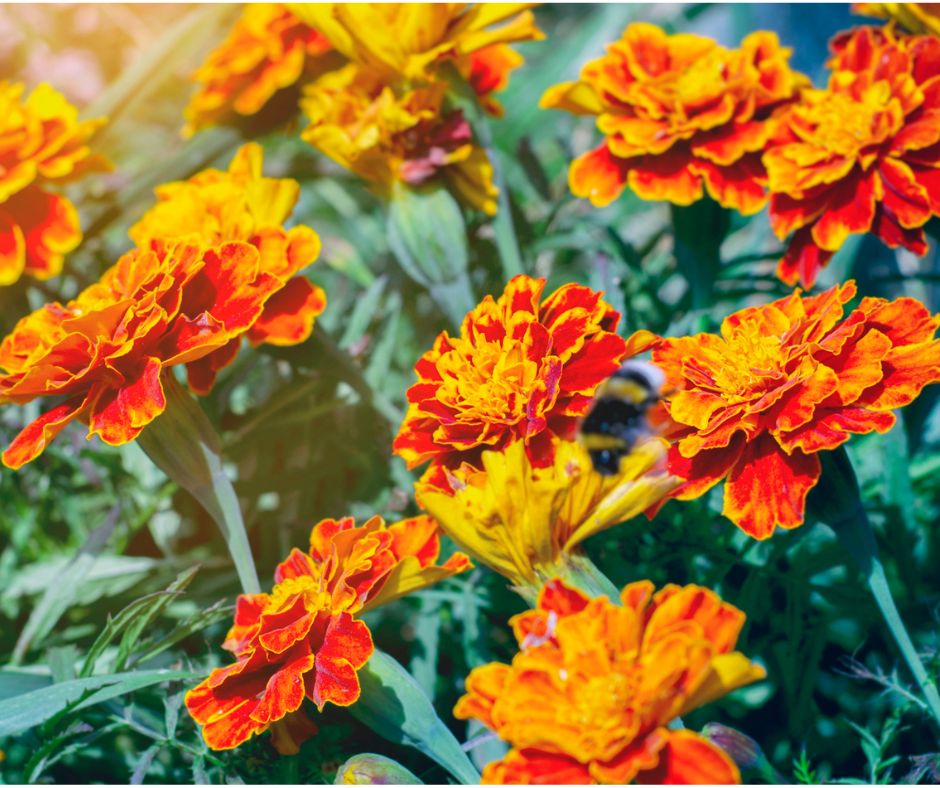
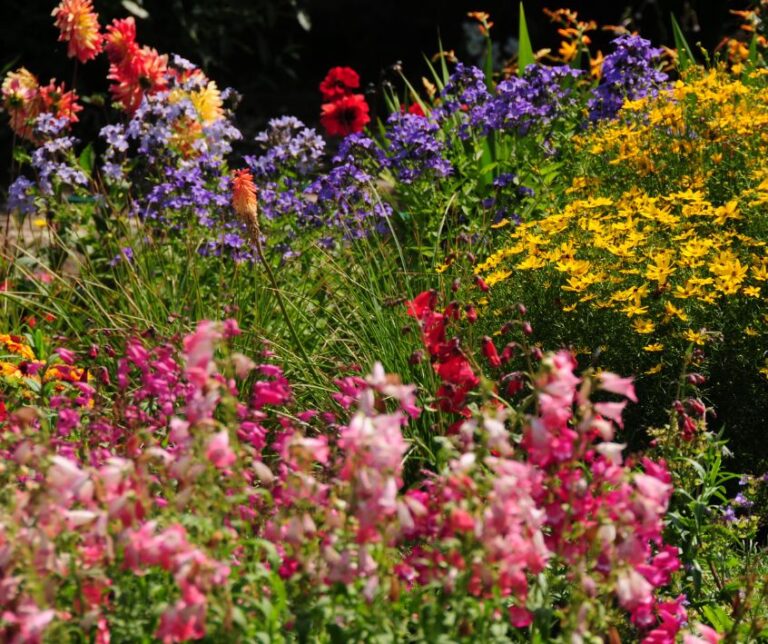
Marigolds, with their vibrant colors and hardy nature, are a favorite among gardeners. These cheerful flowers not only add a pop of color to your garden but also offer numerous benefits for both your plants and your health.
In this guide, we’ll explore how to grow Marigolds in your garden and containers, the advantages of companion planting, and the health benefits associated with this versatile plant.
Where to find seeds, plants, and supplies:
Growing Marigolds in the Garden
Selecting the Right Spot
Marigolds thrive in sunny locations with well-draining soil. Choose a spot that receives at least six hours of direct sunlight per day. Avoid areas with excessive shade or poor drainage, as this can lead to stunted growth and disease.
Preparing the Soil
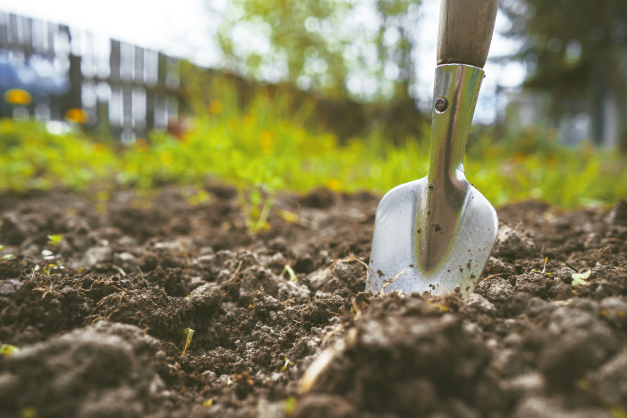
Before planting, prepare the soil by removing any weeds and loosening the top 6-8 inches of soil with a garden fork or tiller. Incorporate organic matter, such as compost or well-rotted manure, to improve soil fertility and structure.
Marigolds prefer slightly acidic to neutral soil with a pH between 6.0 and 7.0.
Planting Marigolds
You can grow Marigolds from seeds or transplants. If starting from seeds, sow them directly in the garden after the last frost date in your area. Plant the seeds about 1/4 inch deep and 6-12 inches apart, depending on the variety.
If using transplants, ensure they are hardened off before planting them in the garden, following the same spacing guidelines.
Watering and Maintenance
Water your Marigolds regularly, especially during dry spells, to keep the soil evenly moist but not soggy. Apply a layer of mulch around the plants to retain moisture and suppress weed growth.
Deadhead spent flowers to encourage continuous blooming and maintain a tidy appearance.
Growing Marigolds in Containers
Choosing the Right Container
Select a container with drainage holes and a size appropriate for the Marigold variety you’re growing. A 12-inch pot is suitable for most varieties, but smaller containers can be used for dwarf or compact types.
Soil and Planting
Fill the container with a high-quality, well-draining potting mix. Avoid using garden soil, as it can become compacted and hinder proper drainage. Plant Marigold seeds or transplants following the same guidelines as for garden planting.
Watering and Maintenance
Container-grown Marigolds may require more frequent watering than those in the garden, as pots tend to dry out faster. Check the soil moisture daily and water when the top inch of soil feels dry to the touch.
Fertilize your container Marigolds every 2-3 weeks with a balanced, water-soluble fertilizer to support healthy growth and flowering.
Companion Planting with Marigolds
Marigolds make excellent companion plants due to their pest-repelling properties. They release a substance called alpha-terthienyl, which deters harmful nematodes and other soil-borne pests. Some compatible plants that benefit from being grown alongside Marigolds include:
- Tomatoes
- Peppers
- Eggplants
- Squash
- Melons
- Beans
- Potatoes
The Many Benefits of Companion Gardening: What You Need to Know
Health Benefits of Marigolds
Beyond their gardening benefits, Marigolds have been used in traditional medicine for centuries. Some of the health benefits associated with Marigolds include:
- Anti-inflammatory properties
- Wound healing
- Digestive aid
- Skin health
- Immune support
Using Marigolds in the Kitchen and Home
Marigolds are not only beautiful and beneficial in the garden but also have several uses in the kitchen and around the home.
Their bright petals can add a splash of color and unique flavor to various dishes, while their natural properties can be harnessed for home remedies and household products.
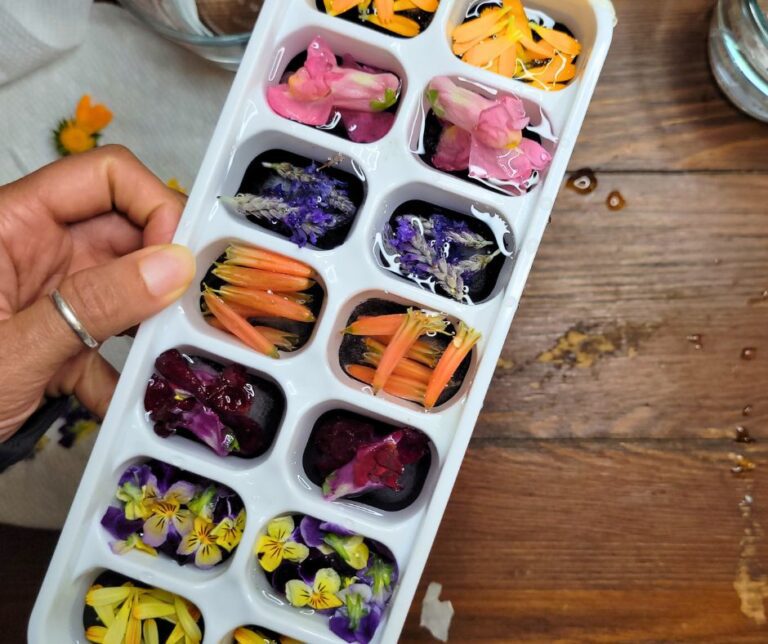
Edible Flowers: A Feast For The Eyes And The Palate
Culinary Uses
Marigold petals, especially those from the Calendula variety, are edible and can be used to add visual appeal and a mild, peppery flavor to salads and soups. Here are some ways to incorporate Marigolds into your cooking:
- Salads: Sprinkle fresh Marigold petals over leafy greens for a burst of color and flavor.
- Soups and Stews: Add petals to soups for a subtle peppery taste and a pop of color.
- Baking: Use dried petals in bread or cake batter for a creative twist and subtle flavor infusion.
- Herbal Teas: Brew dried Marigold petals to create a soothing herbal tea, known for its digestive and anti-inflammatory properties.
Home Remedies and Natural Products
Marigolds have been traditionally used in a variety of home remedies due to their healing properties. You can create simple, natural products using Marigolds to enhance your wellness routine:
- Marigold Salve: Make a soothing salve by infusing Marigold petals in oil and mixing with beeswax. This can be used to treat minor cuts, burns, and skin irritations.
- Facial Toner: Brew a strong Marigold tea and use it as a natural facial toner. The anti-inflammatory properties can help soothe and refresh the skin.
- Bath Soak: Add dried Marigold petals to a warm bath for a relaxing, skin-soothing experience.
Household Uses
The vibrant and fragrant nature of Marigolds can also be utilized around the home:
- Potpourri: Combine dried Marigold petals with other fragrant herbs and flowers to create a homemade potpourri that freshens up any room.
- Natural Dye: Boil Marigold petals to create a natural dye, perfect for coloring fabrics or Easter eggs.
Incorporating Marigolds into your kitchen and home not only adds beauty and fragrance but also takes advantage of their natural, beneficial properties. Whether enhancing a dish, healing a minor ailment, or freshening your living space, Marigolds prove to be a versatile and valuable addition.
Growing Marigolds offers numerous benefits, from enhancing your garden’s beauty to promoting plant health and supporting your well-being. By following the guidelines outlined in this guide, you can successfully grow Marigolds in your garden or containers and enjoy their vibrant blooms and health-promoting properties. Happy Gardening!
Visit the Garden Resources page for supplies and inspiration. Don’t forget to subscribe to the Calendula’s Garden Newsletter for more gardening tips.
Calendula’s Garden is reader supported. When you buy through links on our site, we may earn an affiliate commission. As an Amazon Associate, I earn from qualifying purchases. For more information, view our Disclaimer page. Thank you!