Top 5 Microgreens for Smoothies and Juices
Calendula's Garden is reader suported This post may contain affiliate links, more on our Disclaimer page. Thank you!
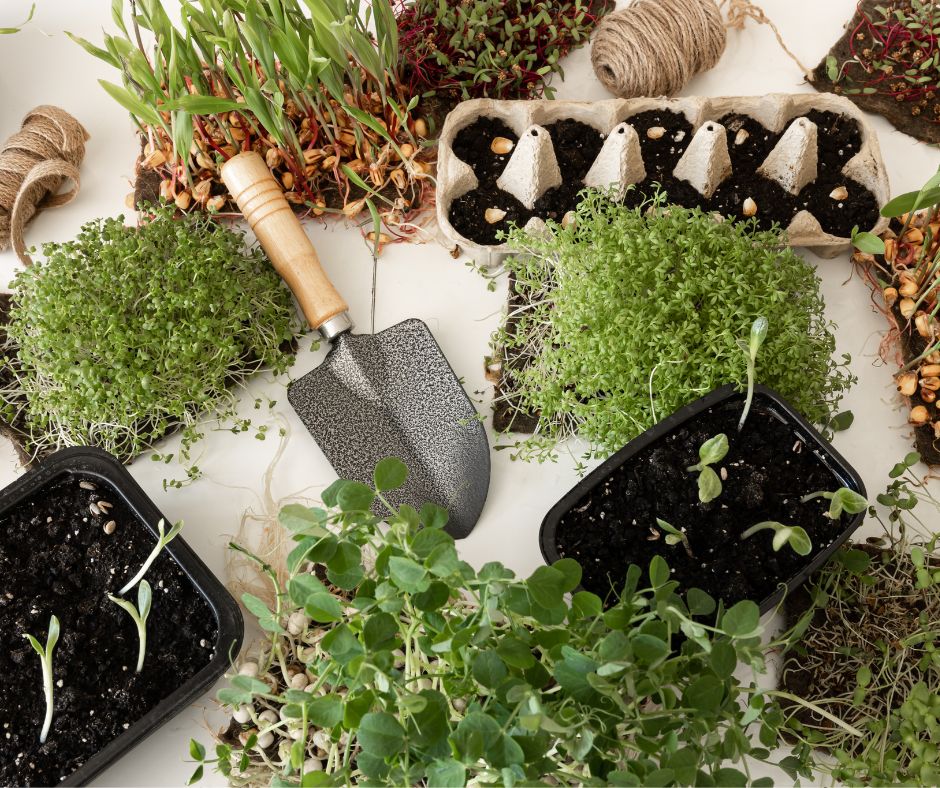
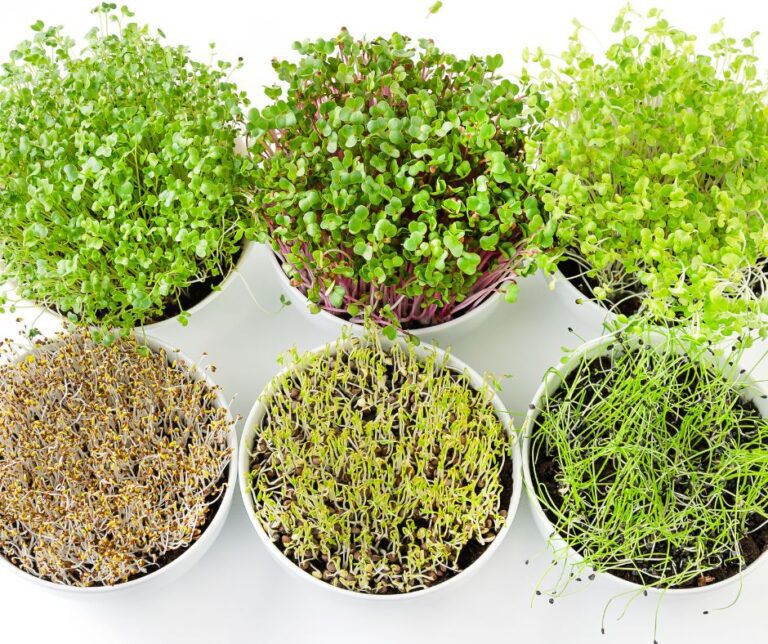
Microgreens are young vegetable greens harvested just after the first true leaves develop. Not only do they add a burst of flavor to your dishes, but they are also packed with nutrients.
Studies have shown microgreens can contain up to 40 times more nutrients than their mature counterparts, making them a favorite among health enthusiasts and home gardeners alike.
We’ll explore the top 5 microgreens that are perfect for smoothies and juices. You’ll learn about their health benefits, flavor profiles, how to grow them, and the best pairings to enhance your drinks.

Criteria for Selection
Selecting the best microgreens for your smoothies and juices involves a few key criteria:
- Taste: Microgreens should complement the flavors of your drink, not overpower them.
- Nutrient Density: We prioritize greens that offer a high concentration of vitamins, minerals, and antioxidants.
- Ease of Cultivation: Even novice gardeners should be able to grow these microgreens easily at home.
Supplies
Ninja BL610 Professional 72 Oz Countertop 1000-Watt Blender
Now, let’s get into the top picks!
1. Sunflower Microgreens
Health Benefits
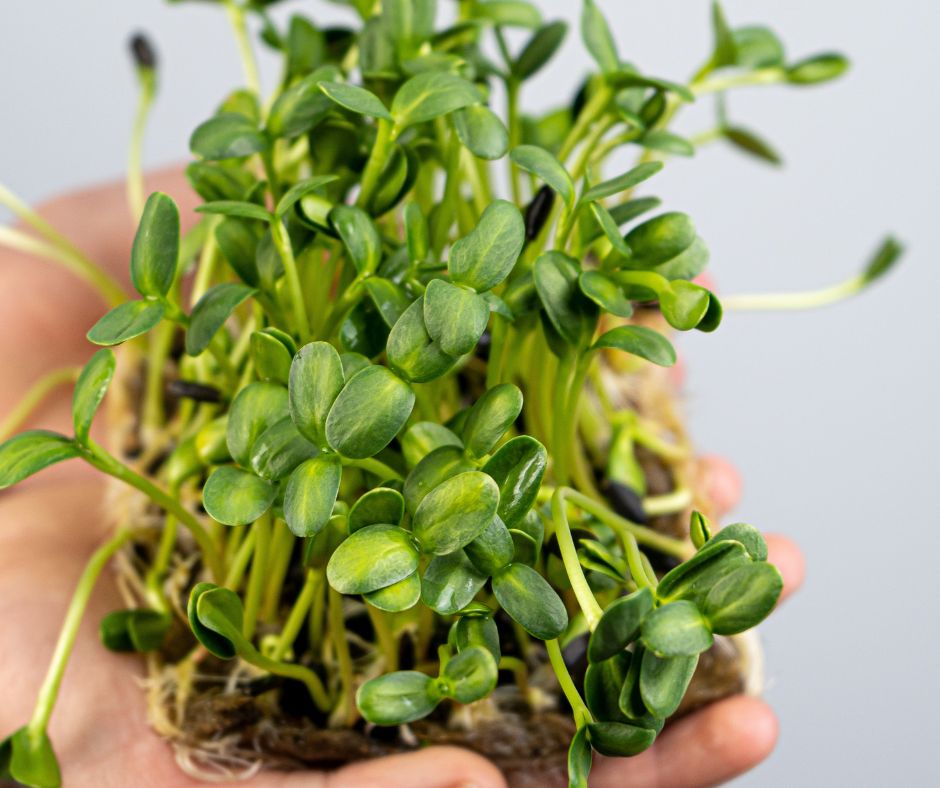
Sunflower microgreens are a rich source of vitamins A, B, C, D, and E. They are also packed with essential amino acids and folate, which help support overall well-being.
Flavor Profile
These microgreens have a mild, nutty flavor with a hint of sweetness, making them perfect for blending into smoothies and juices.
How to Grow
- Planting: Sow sunflower seeds in a shallow tray filled with potting soil.
- Watering: Keep the soil moist but not waterlogged.
- Harvesting: Harvest when the plants are 7-10 days old, just as the first true leaves appear.
Best Pairing Suggestions
Add sunflower microgreens to a tropical smoothie with mango, pineapple, and coconut water for a refreshing and nutrient-packed drink.
Easy to Grow Sunflower Microgreens: The Healthiest Addition to Your Indoor Garden
2. Pea Shoots
Health Benefits
Pea shoots are rich in vitamins A, C, and folic acid. They also provide a good source of fiber, supporting digestive health.
Flavor Profile
These microgreens have a sweet, fresh taste similar to that of fresh peas, making them a delightful addition to any juice or smoothie.
How to Grow
- Planting: Scatter pea seeds densely over a tray filled with soil.
- Watering: Keep the soil consistently moist.
- Harvesting: Harvest when the shoots are 2-4 inches tall, usually within 10-14 days.
Best Pairing Suggestions
Blend pea shoots into a green smoothie with spinach, apple, and lemon for a crisp and rejuvenating drink.
Pea Microgreens: A Nutritious and Delicious Addition to Your Diet
3. Radish Microgreens
Health Benefits
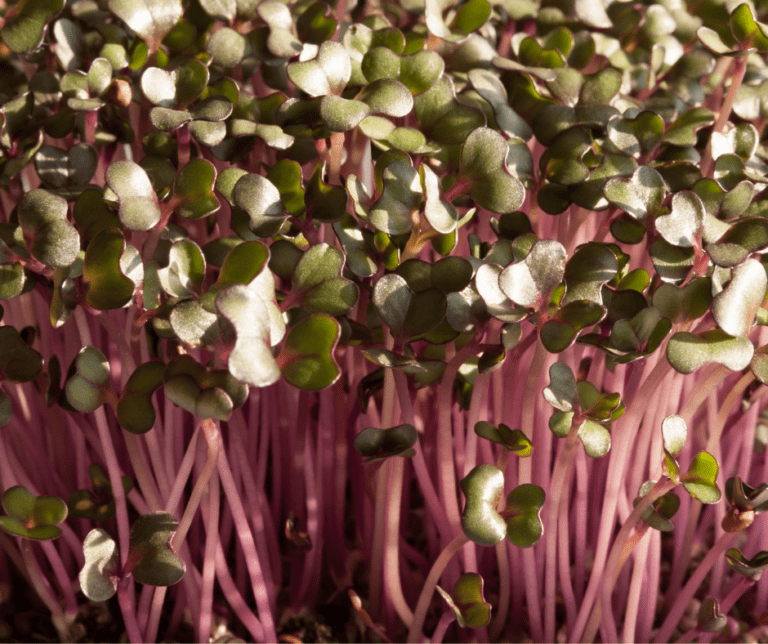
Radish microgreens are loaded with vitamins A, B, C, E, and K. They are also known for their high antioxidant content, which can help reduce inflammation.
Flavor Profile
These microgreens have a spicy, peppery flavor that can add a kick to your beverages.
How to Grow
- Planting: Sprinkle radish seeds evenly over a layer of moist soil.
- Watering: Water lightly to keep the soil damp.
- Harvesting: Harvest when the plants are about 1-2 inches tall, usually in 7-10 days.
Best Pairing Suggestions
Add radish microgreens to a detox juice with cucumber, celery, and lime to spice up your drink while boosting its nutritional value.
Sprouting Nature’s Superfood: A Guide to Growing Radish Microgreens
4. Wheatgrass
Health Benefits
Wheatgrass is known for its high chlorophyll content, which helps detoxify the body. It also contains a wealth of vitamins and minerals, including iron, calcium, magnesium, and vitamin A.
Flavor Profile
Wheatgrass has a strong, grassy flavor that can be quite potent, so it’s best used in small amounts.
How to Grow
- Planting: Spread wheatgrass seeds over a tray of soil and cover lightly with more soil.
- Watering: Keep the soil consistently moist but not waterlogged.
- Harvesting: Harvest when the grass is about 6-7 inches tall, typically within 7-10 days.
Best Pairing Suggestions
Blend wheatgrass with apples, ginger, and lemon for a powerful green juice that’s both invigorating and detoxifying.

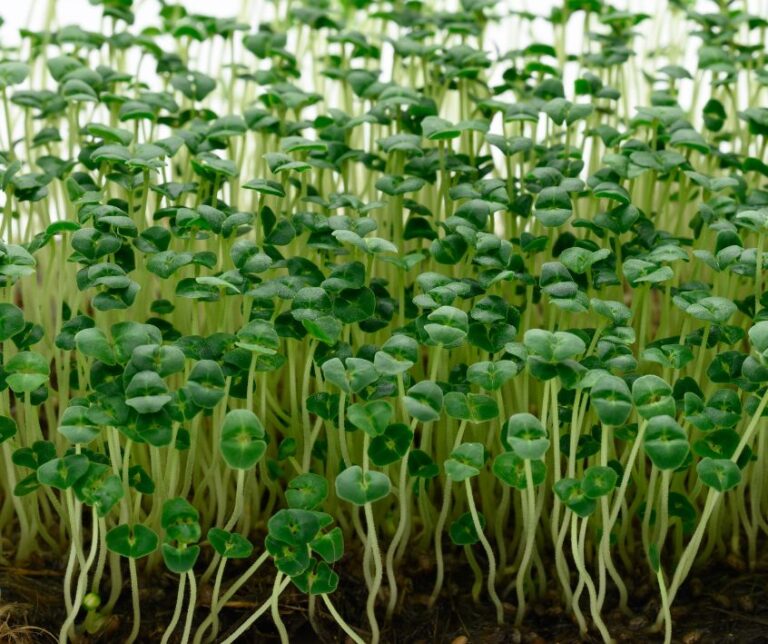
5. Broccoli Microgreens
Health Benefits
Broccoli microgreens are rich in sulforaphane, a compound known for its anti-cancer properties. They also provide a good dose of vitamins A, C, and K.
Flavor Profile
These microgreens have a mild, earthy flavor with a slight bitterness, which can add depth to your juices and smoothies.
How to Grow
- Planting: Scatter broccoli seeds over a tray filled with moist soil.
- Watering: Keep the soil consistently damp but not soggy.
- Harvesting: Harvest when the plants are about 1-2 inches tall, usually within 8-12 days.
Best Pairing Suggestions
Combine broccoli microgreens with kale, pineapple, and mint for a refreshing green smoothie that’s packed with nutrients.
The Power of Broccoli Microgreens: A Guide to Growing Microgreens at Home
Incorporating microgreens into your smoothies and juices is a fantastic way to boost your nutrient intake and experiment with new flavors.
From the nutty taste of sunflower microgreens to the spicy kick of radish microgreens, there’s something for everyone.
Read more about the benefits of microgreens – Microgreen: A tiny plant with superfood potential
Ready to elevate your smoothie game? Start growing these microgreens at home and discover the difference they can make.
For more tips, join our newsletter. Let’s grow together! 🌱
Calendula’s Garden is reader supported. When you buy through links on our site, we may earn an affiliate commission. As an Amazon Associate, I earn from qualifying purchases. For more information, view our Disclaimer page. Thank you!