Top 5 Fish Species for Your Home Aquaponics System
Calendula's Garden is reader suported This post may contain affiliate links, more on our Disclaimer page. Thank you!
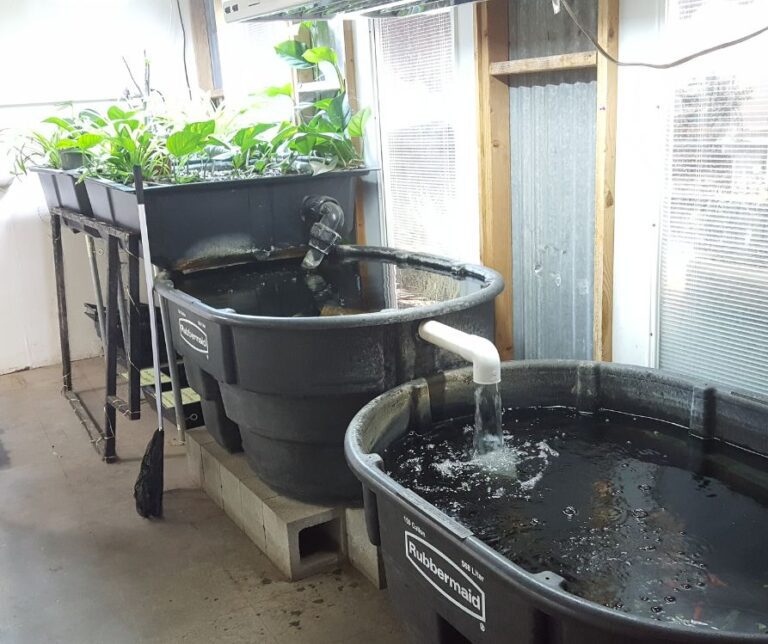
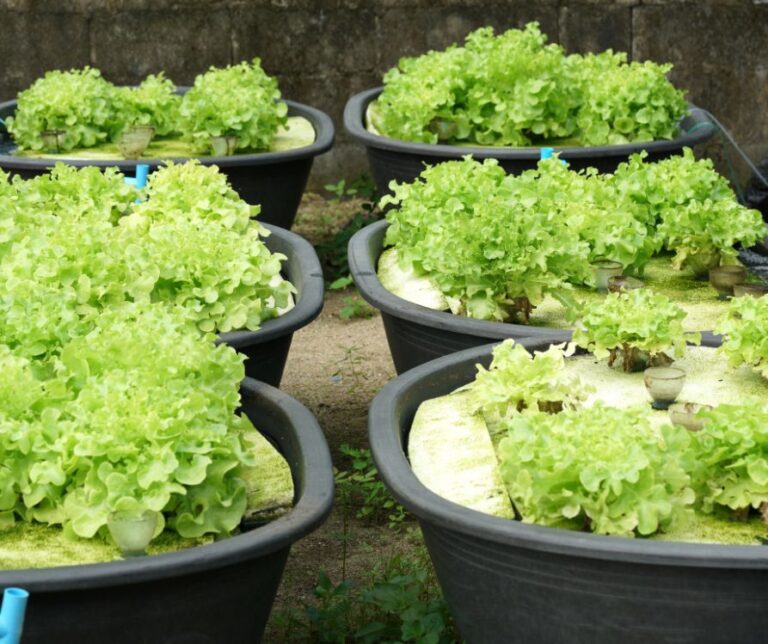
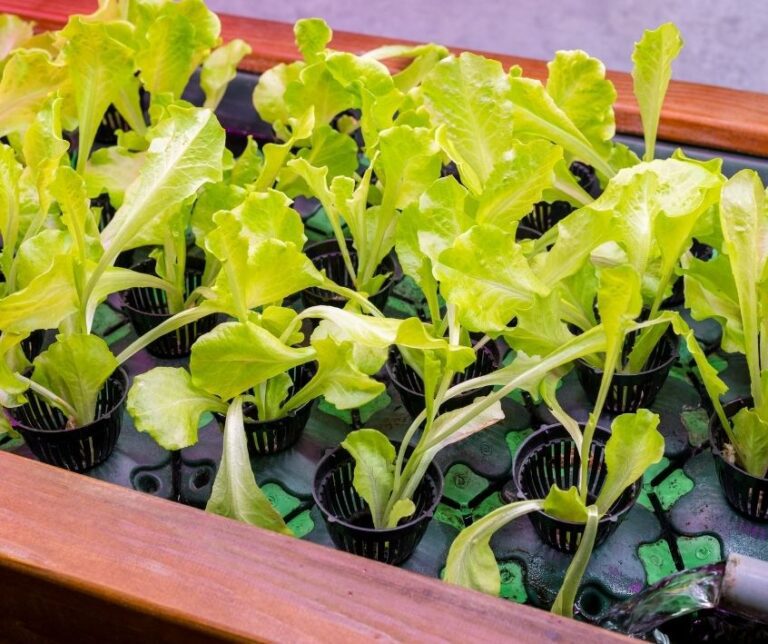
Aquaponics combines aquaculture (fish farming) with hydroponics (growing plants in water), creating a self-sustaining ecosystem in your own backyard.
It’s a sustainable, efficient, and rewarding way to grow your own fresh produce. However, the success of your aquaponics system depends largely on the type of fish you choose.
Whether you’re new to aquaponics or looking to enhance your current setup, this guide highlights the top five fish species that thrive in home aquaponics systems.
From adaptability to temperature requirements, you’ll find everything you need to make an informed decision.
Keep in mind, you do not have to pick one species of fish. We always kept a mix of fish in our aquaponic systems. In the cool PNW, we kept blue tilapia (a slightly more cold-tolerant variety), catfish, and goldfish in our tanks. Each species experienced peak metabolism at different times of the year.
Criteria for Selecting Fish for Aquaponics Systems
Before you choose your fish, it’s important to consider the following factors to ensure a balanced ecosystem:
- Water Temperature: Some fish thrive in warmer waters, while others prefer colder climates.
- pH Tolerance: The ideal pH for most aquaponics systems falls between 6.8 and 7.2. Ensure the fish you choose can adapt to this range.
- Ease of Care: Some fish require more attention and expertise than others.
- Growth Rate: Faster-growing fish can provide nutrients for plants more quickly, but some species grow slowly and are better for ornamental purposes.
- Availability and Legal Restrictions: Make sure the fish species is readily available and permitted in your area.
With these factors in mind, here are the top five fish species to consider for your aquaponics setup.
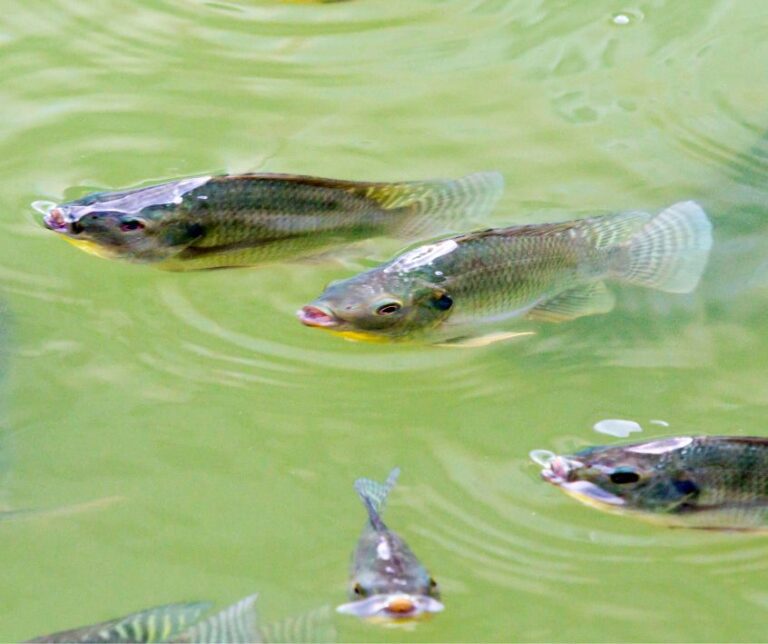
1. Tilapia – The Top Pick for Most Systems
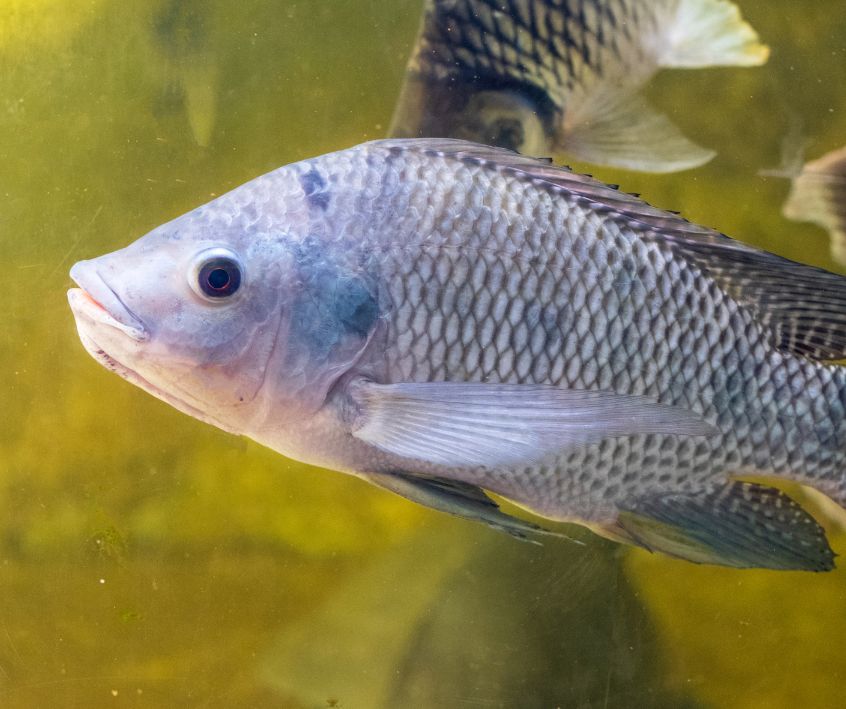
Tilapia is the most popular fish for aquaponics, and for good reason. Known for their adaptability and resilience, they thrive in a wide range of conditions, making them ideal for beginners.
Advantages:
- Rapid growth rate; tilapia can be ready to harvest in 6–8 months.
- Highly adaptable to varying water conditions, including pH ranges and temperature fluctuations.
- Their waste is rich in ammonia, which plants use to grow.
Ideal Conditions:
- Water temperature between 75°F and 85°F.
- Tolerates pH levels between 6.5 and 9.
In cool weather, a tank water heater can keep your system within the ideal growing temperature. We use Hygger Aquarium Heater, Submersible Fish Tank Heater, or the EHEIM Jager Aquarium Thermostat Heater, and made wire enclosures so fish wouldn’t bump into the hot heat element.
Tilapia also doubles as a food source for many aquaponics enthusiasts. Mild and versatile, tilapia is widely enjoyed on dinner plates everywhere.
2. Catfish – The Sustainable Choice
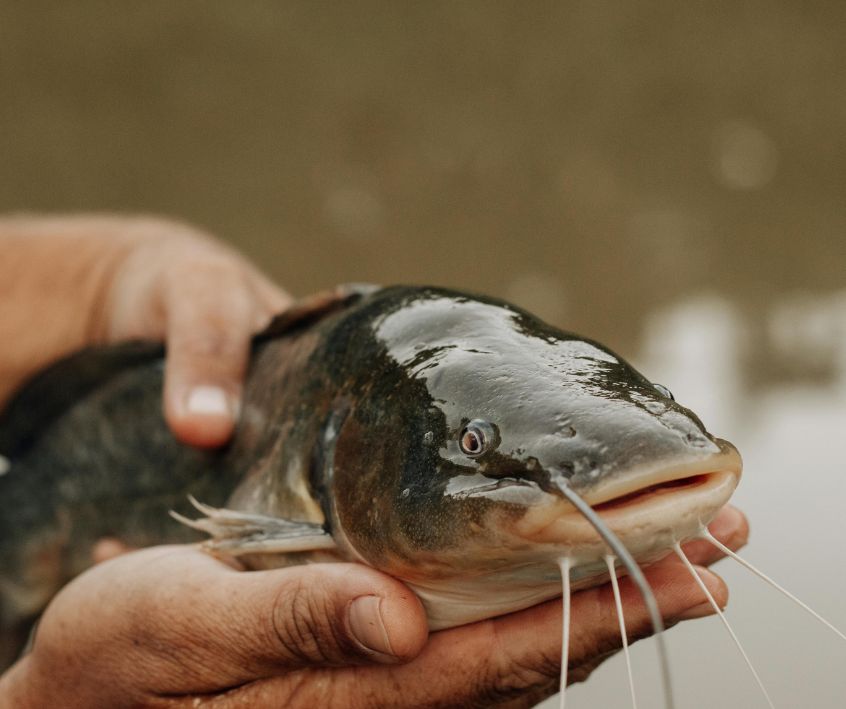
If you’re looking for a hardy and sustainable species, catfish is an excellent choice. Known for their ability to thrive in warm waters and low-maintenance environments, catfish are perfect for mid- to large-scale systems.
Advantages:
- Highly efficient at converting feed to energy, which minimizes overall system costs.
- Rarely prone to disease, reducing input for health management.
- Can tolerate water with lower dissolved oxygen levels.
Ideal Conditions:
- Water temperature between 70°F and 85°F.
- pH levels around 6.5 to 8.
Catfish may not be the most visually appealing option, but their sustainability and low-maintenance nature make them a top choice for aquaponics enthusiasts focused on functionality.
Channel catfish are the most popular. Howerver these fish can grow to a large size if not harvested in the first year. Bullheads are small catfish that do well in small and ornamental fish systems.
3. Goldfish – A Small-Scale Option

Goldfish are one of the best choices for small, ornamental, or beginner-friendly aquaponics systems. While they’re not typically used as a food source, goldfish are excellent for nutrient cycling and maintaining a healthy ecosystem.
Advantages:
- Affordable and widely available in pet stores.
- Hardier than they might look. Goldfish are surprisingly good at adapting to different water conditions.
- Produce consistent waste, which provides nutrients for the plants.
Ideal Conditions:
- Water temperature between 65°F and 75°F.
- pH range from 6.5 to 8.5.
Perfect for hobbyists, goldfish add visual appeal to your setup while also contributing to plant growth.
4. Koi – An Exotic and Aesthetic Choice
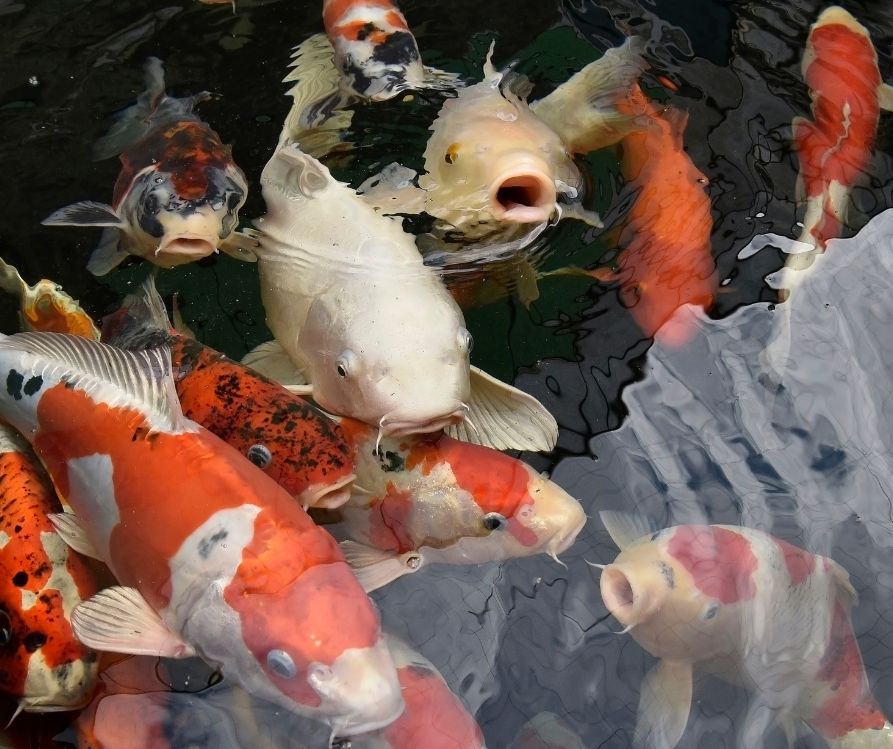
For a beautiful and functional fish species in larger systems, koi is a top contender. These vibrant ornamental fish bring elegance to your aquaponics system while providing nutrients for your plants.
Advantages:
- Long lifespan (20–30 years) for a sustainable, long-term system.
- Resilient to fluctuating temperatures and conditions.
- Can grow to impressive sizes, making them a striking addition to outdoor aquaponics ponds.
Ideal Conditions:
- Water temperature between 65°F and 75°F.
- pH levels ranging from 6.9 to 8.4.
Koi are better suited to hobbyists and ornamental systems rather than food production. However, they create a stunning centerpiece for your aquaponics setup.
5. Trout – A Versatile Cooler-Climate Fish
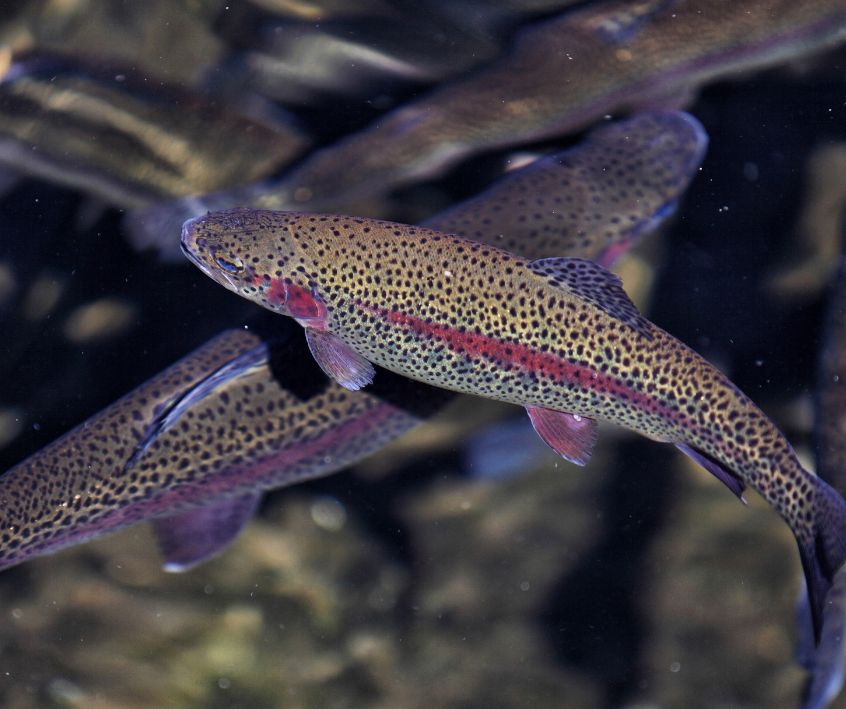
For those in cooler climates, trout should be at the top of your list. Known for their flavorful meat, trout are a great dual-purpose fish for both nutrient cycling and food production.
Advantages:
- Quick-growing, making them an excellent choice for year-round harvesting in cold regions.
- High nutritional value for your plants due to ammonia-rich waste.
- Thrives in colder water, unlike most other aquaponic fish species.
Idea Conditions:
- Water temperature between 50°F and 70°F.
- pH levels between 6.8 and 7.8.
With a slightly higher maintenance requirement due to their preference for well-oxygenated water, trout are best suited for advanced aquaponics enthusiasts.
Why the Right Fish Selection Matters
The fish species you choose will directly impact the success of your aquaponics system. Each species brings unique benefits and challenges, so it’s essential to match your selection to your climate, system size, and goals.
Visit the Garden Resources page for supplies and inspiration. Don’t forget to subscribe to the Calendula’s Garden Newsletter for more gardening tips.
Calendula’s Garden is reader supported. When you buy through links on our site, we may earn an affiliate commission. As an Amazon Associate, I earn from qualifying purchases. For more information, view our Disclaimer page. Thank you!