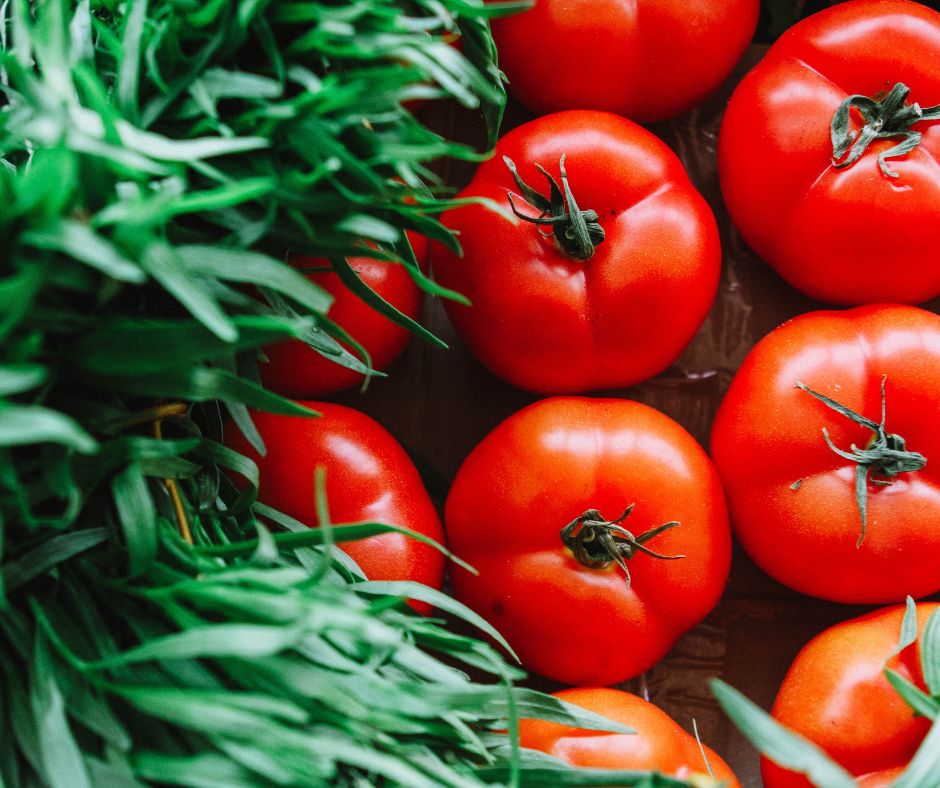
Top 25 Vegetables and Herbs to Grow for Self-Sufficiency
Calendula's Garden is reader suported This post may contain affiliate links, more on our Disclaimer page. Thank you!
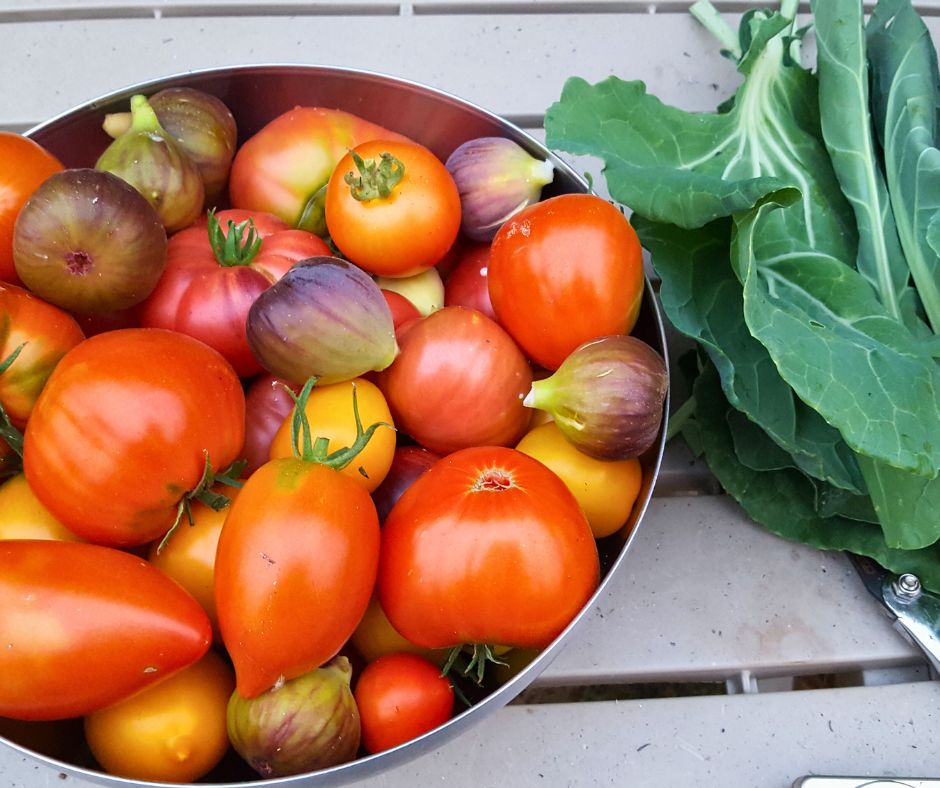
If you’ve been dreaming of a lush backyard garden bursting with fresh produce, you’re not alone. More people are discovering the joys of growing their own vegetables and herbs not only for the satisfaction of nurturing plants but also for the incredible benefits it brings.
Gardening promotes healthier eating, reduces grocery bills, and connects us to nature. Ready to dig in?
Where to find seeds, plants, and supplies:
Here’s our list of the top 25 veggies and herbs to kickstart your productive and sustainable home garden and help you become more self-sufficient and resilient.
1. Tomatoes
A staple in any self-sufficient garden, tomatoes are incredibly versatile and packed with nutrients like vitamin C and potassium. Growing tomatoes in resilient gardens is a rewarding endeavor that offers both aesthetic beauty and practical culinary bounty that can be dried, canned, or frozen.
Known for their adaptability, tomatoes thrive in various climates and can withstand fluctuations in weather conditions, making them ideal for diverse garden settings.
With a little care and attention, these juicy red gems can flourish even in less-than-ideal soil, providing a steady supply of fresh produce.
Their ability to be cultivated in containers or directly in the ground adds to their versatility, ensuring that nearly any garden space can host these nutrient-rich plants.
- Growing Tips:
- Season: Warm
- Sunlight: Full sun (at least 6 hours/day)
- Watering: Consistent, even moisture
- Soil: Well-draining, nutrient-rich soil
2. Basil
This aromatic herb is perfect for flavoring dishes and making homemade pesto. Basil is not only a culinary delight but also a resilient champion in the garden, known for its adaptability and robust growth under a variety of conditions.
With its sweet scent and vibrant green leaves, basil makes a delightful addition to any garden space, effortlessly enhancing both the aesthetic and biodiversity.
Its ability to deter pests naturally and attract beneficial pollinators adds to its appeal as a practical and sustainable choice for gardeners seeking to foster a resilient garden ecosystem.
Whether you’re snipping fresh leaves for a salad or crafting a savory sauce, basil is sure to be a garden favorite, thriving even when weather conditions become unpredictable.
- Growing Tips:
- Season: Warm
- Sunlight: Full sun
- Watering: Regular; don’t overwater
- Soil: Rich, well-drained soil
See how I process a big basil harvest into freezer cubes.

3. Spinach
Spinach thrives in resilient gardens, standing as an excellent choice for both novice and experienced gardeners. Its ability to withstand cooler temperatures and its quick growth cycle make it a reliable leafy green for continuous harvests throughout the growing season.
Rich in essential nutrients such as iron, calcium, and vitamins A and C, spinach adds both nutritional value and lush greenery to your garden.
Whether enjoyed fresh in salads or cooked in many dishes, this versatile plant enhances your garden’s productivity while promoting healthy eating habits.
- Growing Tips:
- Season: Cool
- Sunlight: Partial shade to full sun
- Watering: Keep soil moist but not soggy
- Soil: Well-fertilized, loose soil
4. Carrots
Carrots are not only a nutritious and versatile vegetable, but they also add a vibrant splash of color to your garden and dinner plate.
Known for being rich in beta-carotene, which the body converts into vitamin A, carrots contribute to eye health and immune function.
Their sweet, earthy flavor makes them a favorite in salads, soups, and stews. With a little patience and care, growing your own carrots can be a rewarding experience, providing fresh produce that enhances both taste and nutrition in your home-cooked meals.
- Growing Tips:
- Season: Cool
- Sunlight: Full sun
- Watering: Keep soil consistently moist
- Soil: Loose, sandy soil
5. Zucchini
Prolific and easy to grow, zucchini is wonderful for both savory and sweet dishes. These robust plants take off quickly, producing generous quantities of squash perfect for grilling, baking, and even incorporating into delectable zucchini bread.
Ideal for gardeners of all levels, zucchini thrives with minimal care, making it an excellent choice for those looking to maximize their harvest with less effort.
With just a bit of sunlight, water, and well-drained soil, you’ll enjoy a bumper crop in no time.
- Growing Tips:
- Season: Warm
- Sunlight: Full sun
- Watering: Deep watering once a week
- Soil: Well-drained, fertile soil
6. Peppers
From sweet to spicy, peppers add a vibrant pop of color and flavor. Great for any home garden focused on self-sufficiency.
These colorful veggies, ranging from sweet bell peppers to spicy chili varieties, are not only visually striking but also incredibly versatile, enhancing countless culinary creations.
Rich in antioxidants like vitamin C and A, peppers are a nutritious addition to salads, stir-fries, and sauces.
Plus, growing your own selection means you can enjoy fresh, vibrant peppers and adjust the heat content to your taste. With the right conditions, these plants can flourish abundantly, ensuring you have a bountiful harvest to spice up your kitchen.
- Growing Tips:
- Season: Warm
- Sunlight: Full sun
- Watering: Moderate; avoid waterlogging
- Soil: Well-draining, rich in organic matter
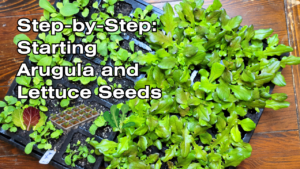
7. Lettuce
Lettuce is fast-growing and perfect for fresh salads. Its crisp leaves and refreshing taste make it a favorite among home gardeners.
Not only does it grow quickly, allowing for multiple harvests, but it also comes in a variety of types, including romaine, butterhead, and loose-leaf, each bringing its own unique flavor and texture to the table.
Perfect for sandwiches, wraps, and, of course, vibrant salads, lettuce provides a fresh, healthy boost to your meals.
- Growing Tips:
- Season: Cool
- Sunlight: Partial shade to full sun
- Watering: Keep soil evenly moist
- Soil: Loose, well-draining soil
Get your lettuce started early indoors.
8. Parsley
A hardy herb, parsley is great for garnishing and flavoring dishes. Parsley is not only a delightful addition to your kitchen but also a nutritional powerhouse packed with vitamins A, C, and K, as well as iron and folate.
Its vibrant green leaves add a fresh, aromatic touch to an array of dishes, from salads to soups and sauces.
Parsley’s versatility and ease of growth make it an essential herb for any aspiring home gardener aiming for practicality and flavor at the same time.
- Growing Tips:
- Season: Warm/ Cool
- Sunlight: Partial shade to full sun
- Watering: Regular, light watering
- Soil: Moist, well-draining soil
9. Garlic
A kitchen essential, garlic is known for its health benefits and robust flavor. Often dubbed as nature’s antibiotic, garlic is rich in antioxidants and compounds that support the immune system.
Not only does this versatile bulb infuse dishes with a distinctive aroma and taste, but it’s also incredibly easy to grow, making it a favorite among gardeners aiming for self-sufficiency.
- Growing Tips:
- Season: Plant in Fall
- Sunlight: Full sun
- Watering: Moderate; reduce watering near harvest
- Soil: Well-drained, nutrient-dense soil
10. Kale
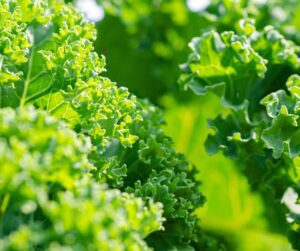
Nutrient-dense and frost-tolerant, kale is a superfood worth adding to your garden. Kale, with its deep green leaves and abundant nutritional profile, is a popular choice for health-conscious gardeners and cooks alike.
Bursting with vitamins A, C, and K, as well as calcium and antioxidants, it not only supports a healthy diet but is also versatile in the kitchen. From hearty soups to vibrant salads, kale adds a robust flavor and texture that can elevate any meal.
Plus, it’s remarkably hardy, thriving even in the cooler months, making it a reliable staple for your self-sufficient garden all year round.
- Growing Tips:
- Season: Cool
- Sunlight: Full sun to partial shade
- Watering: Regular, consistent
- Soil: Fertile, well-drained soil
11. Collards
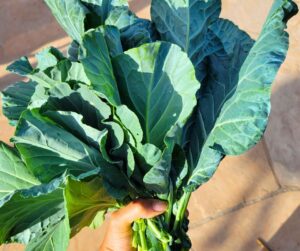
Similar to kale, collard greens are a nutritious and hardy addition to any garden. Rich in vitamins and minerals, these leafy greens are a staple in Southern cooking and can be enjoyed sautéed, steamed, or added to stews and soups for extra flavor and nutrition.
- Growing Tips:
- Season: Cool
- Sunlight: Full sun to partial shade
- Watering: Regular, consistent
- Soil: Fertile, well-drained soil
12. Radishes
Radishes mature quickly and are a favorite for their crisp texture and peppery flavor. They’re perfect for adding a bit of spice to salads and sandwiches. Beginner gardeners will appreciate their rapid growth cycle and low maintenance requirements.
- Growing Tips:
- Season: Cool
- Sunlight: Full sun
- Watering: Regular, light watering
- Soil: Loose, well-draining soil
13. Beets
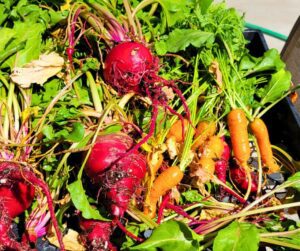
Beets deliver both delicious roots and nutritious greens. Known for their earthy flavor and vibrant color, they can be roasted, pickled, or eaten raw. Gardening novices will find beets straightforward to grow, offering a rewarding harvest.
- Growing Tips:
- Season: Cool
- Sunlight: Full sun to partial shade
- Watering: Consistent moisture
- Soil: Well-draining, nutrient-rich soil
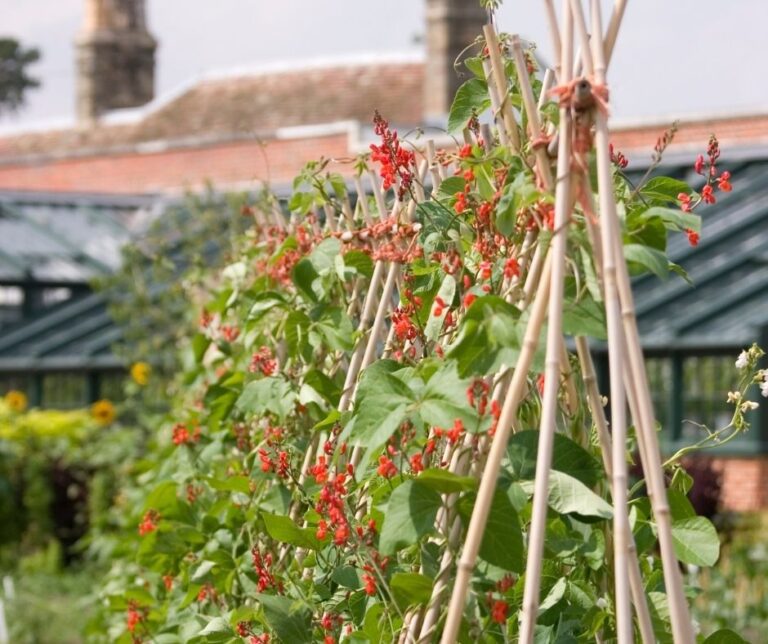
14. Green Beans
Green beans are productive and easy to grow, providing a bountiful harvest with minimal effort. Their crunchy texture and fresh flavor make them a favorite in many dishes. Ideal for new gardeners, green beans thrive in warmer climates and require little space.
- Growing Tips:
- Season: Warm
- Sunlight: Full sun
- Watering: Moderate
- Soil: Well-drained, enriched with compost
15. Potatoes
Potatoes are a staple in many dishes, and they’re surprisingly simple to grow. These root vegetables require minimal care and can be grown in the ground or containers.
With their high yield potential, potatoes are an excellent choice for beginner gardeners looking to stock up on a versatile crop.
- Growing Tips:
- Season: Cool
- Sunlight: Full sun
- Watering: Keep soil evenly moist
- Soil: Loose, well-drained soil with plenty of organic matter
16. Cucumbers
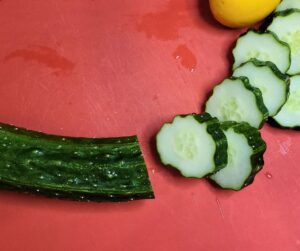
Cucumbers are refreshing and versatile, adding a cooling crunch to salads and sandwiches.
These prolific vines do exceptionally well in gardens or containers, providing a continuous crop in the warm season, ideal for novices seeking yield without complexity.
- Growing Tips:
- Season: Warm
- Sunlight: Full sun
- Watering: Regular, ensure deep watering
- Soil: Fertile, well-drained soil
17. Peas
Peas are ideal for cooler seasons, offering sweet, tender peas perfect for snacking or cooking.
They support soil health through nitrogen fixation, providing benefits beyond their tasty yield, a great choice for gardeners new to multi-functional planting.
- Growing Tips:
- Season: Cool
- Sunlight: Full sun
- Watering: Moderate
- Soil: Well-drained, enriched with compost
18. Swiss Chard
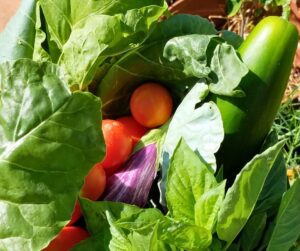
Swiss chard boasts colorful stems and rich, leafy greens that bring a burst of color to your garden and vitamins to your plate.
Easy to grow and continuously productive, it’s perfect for beginners looking to combine beauty with nutrition.
- Growing Tips:
- Season: Cool/Warm
- Sunlight: Full sun to partial shade
- Watering: Regular, evenly moist
- Soil: Fertile, well-draining soil
19. Onions
Onions are a staple in culinary uses worldwide. Easy to grow from sets or seeds, they provide both flavorful bulbs and greens. Their long shelf life makes them a practical choice for gardeners aiming for year-round stock.
- Growing Tips:
- Season: Cool
- Sunlight: Full sun
- Watering: Moderate; less near harvest
- Soil: Well-drained, nutrient-rich soil
20. Turnips
Turnips are a dual-purpose crop, as both the roots and greens are edible and nutritious. They are fast-growing, suitable for quick harvests, and ideal for filling garden gaps, making them a sound choice for garden rookies.
- Growing Tips:
- Season: Cool
- Sunlight: Full sun
- Watering: Moderate; maintain moisture
- Soil: Loose, well-drained soil
21. Scallions
Scallions, or green onions, are quick-growing and low maintenance, adding a delicate onion flavor to dishes.
Thriving in a variety of climates, they’re ideal for beginners wanting fresh herbs and greens with minimal fuss.
- Growing Tips:
- Season: Cool/Warm
- Sunlight: Full sun to partial shade
- Watering: Regular, light watering
- Soil: Well-drained soil
22. Summer Squash
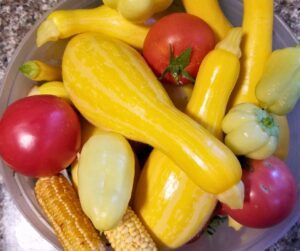
Summer squash, including varieties like yellow squash and pattypan, are as versatile as zucchini and just as prolific.
Fast-growing and abundant, they’re excellent for beginners eager for a substantial yield.
- Growing Tips:
- Season: Warm
- Sunlight: Full sun
- Watering: Regular; do not overwater
- Soil: Rich and well-drained
23. Celery
Although celery can require a little patience, it’s a great addition for crisp texture in salads and soups.
Celery also acts as an indicator of soil moisture, aiding beginners in understanding how their garden is performing.
- Growing Tips:
- Season: Cool
- Sunlight: Full sun to partial shade
- Watering: Consistently moist
- Soil: Well-draining, nutrient-rich
24. Cabbage
Cabbages are robust and rewarding, capable of yielding big, crunchy heads bursting with vitamins and minerals.
Suitable for cool seasons, their hardiness and high productivity make them a staple for beginner gardeners desiring substantial growth.
- Growing Tips:
- Season: Cool
- Sunlight: Full sun
- Watering: Regular, even moisture
- Soil: Fertile, well-drained
25. Broccoli
Broccoli is a cold-resistant vegetable packed full of nutrients. Its ability to produce side shoots after the main head is harvested ensures continuous yields, making it a satisfying challenge for beginners willing to invest a little more care.
Choose multi-heading varieties like rapini so that you can get multiple harvests from one plant.
- Growing Tips:
- Season: Cool
- Sunlight: Full sun to partial shade
- Watering: Consistent watering
- Soil: Rich, well-drained soil
Additional Tips and Resources
-Consider companion planting for your vegetables to improve yield and repel pests naturally.
-Rotate crops each season to maintain soil health and prevent nutrient depletion.
-Practice sustainable gardening techniques, such as composting and using mulch to conserve moisture.
-Research and learn about your local climate and soil conditions to make informed decisions about what vegetables will thrive in your region.
-Use organic methods of pest control, like handpicking pests or using natural remedies, to avoid harsh chemicals in your garden.
Creative Ways to Use and Store Your Harvest
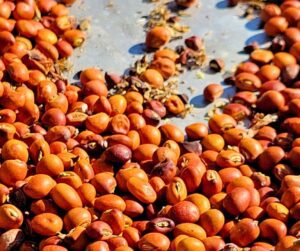
To maximize your garden’s bounty, preserve excess produce by canning, freezing, or drying. Get creative with recipes—try basil pesto, carrot soup, or homemade salsa with your homegrown ingredients.
Whether you’re a seasoned gardener or just getting your hands dirty for the first time, these veggies and herbs will help you achieve a more self-sufficient lifestyle. Happy gardening! 🌿
Visit the Garden Resources page for supplies and inspiration. Don’t forget to subscribe to the Calendula’s Garden Newsletter for more gardening tips.
Calendula’s Garden is reader supported. When you buy through links on our site, we may earn an affiliate commission. As an Amazon Associate, I earn from qualifying purchases. For more information, view our Disclaimer page. Thank you!