
Tiny Intruders, Big Problem: How to Get Rid of Ants in Your House for Good
Calendula's Garden is reader suported This post may contain affiliate links, more on our Disclaimer page. Thank you!

Ants may be fascinating in the garden, but when they show up uninvited at home, trailing across your kitchen counter or marching through the pantry, they quickly lose their charm. When we lived in the Pacific Northwest, every day was a battle with tiny ants trying to cohabitate our warm, dry home.
If you’ve spotted the telltale lines of these determined little insects, you’re not alone. Ants are among the most common household pests, capable of invading even the tidiest homes.
But don’t worry, with a keen eye and the right approach, you can reclaim your space and keep it ant-free without harsh chemicals.
We will walk you through what attracts ants indoors, how to identify which type of ant you’re dealing with, effective do-it-yourself remedies with items you likely have on hand, practical ways to prevent future invasions, and when to know it’s time to call in the professionals. By the end, you’ll know exactly how to get rid of ants in your house and keep them out for the long haul!
Understanding the Ant Problem in Homes

Ever watched a single ant wander along your windowsill, only to find a bustling superhighway of them hours later?
You’re witnessing a marvel of nature’s team players, but also a sign of a growing infestation. Ants enter homes primarily in search of food, water, or shelter.
Even just a few crumbs under the toaster can signal a buffet worth exploring for an entire colony.
The ant problem often begins unnoticed, as these insects squeeze through the tiniest cracks in windows, doors, or even electrical outlets.
Before long, they establish scent trails that guide their nest-mates straight to your snack stash. Each species has its own habits, preferred foods, and nesting sites, so identifying your crawling guests is the first step toward effective control.
Identifying the Ant Species: Who’s Invading Your Home?

You might be tempted to think all ants are the same, but knowing which species has taken up residence can make a big difference in how you deal with them. Here are a few of the usual suspects:
Common Ant Species Found Indoors
Odorous House Ants
These tiny brown or black ants get their name from the unpleasant smell they release when crushed. Attracted to sweets, they often nest near damp areas.
Carpenter Ants
Larger than most house ants and often black or red/black. Carpenter ants don’t eat wood, but they tunnel into it, which can mean trouble for your home’s structure.
Argentine Ants
Light to dark brown, forming wide trails along counters and cupboards. These thrive in moist environments and multiply fast.
Pavement Ants
Small and dark, often entering through cracks in concrete or foundations, and found scavenging for grease and crumbs.
Pharaoh Ants
Tiny, yellowish ants that favor warm, humid spots. Found in kitchens, bathrooms, or hidden wall voids.
How to Identify Them

- Look for size and color. Compare with online images if you’re unsure.
- Observe their behavior. Are they after sweets or proteins? Where are they entering and exiting?
- Check nesting sites. Some ants nest indoors (under appliances), others come in from outdoors (garden or foundation cracks).
A little detective work goes a long way. Snapping a quick photo and searching reputable pest control websites can help you ID your invaders.
Natural Remedies: Safe, DIY Solutions Using Household Items
Ants are resourceful, but so are you! Before reaching for chemical sprays, consider starting with safe, nature-friendly remedies. Here are a few tried-and-true fixes:
1. Vinegar Solution
Mix equal parts white vinegar and water in a spray bottle. Spritz directly on ant trails, entry points, countertops, and areas where ants seem to gather.
Vinegar does two things: It kills ants on contact, and the strong scent disrupts their pheromone trails, sending the rest of the colony on a detour.
2. Lemon Juice
Wipe down surfaces and squeeze lemon juice near entry points. Its acidic properties mask scent trails and act as a natural deterrent. Plus, your kitchen will smell zesty fresh!
3. Cinnamon
Sprinkle ground cinnamon or use cinnamon sticks near windowsills, doors, and other entry points. Cinnamon acts as a natural barrier that ants avoid. Bonus points if you also love the cozy aroma.
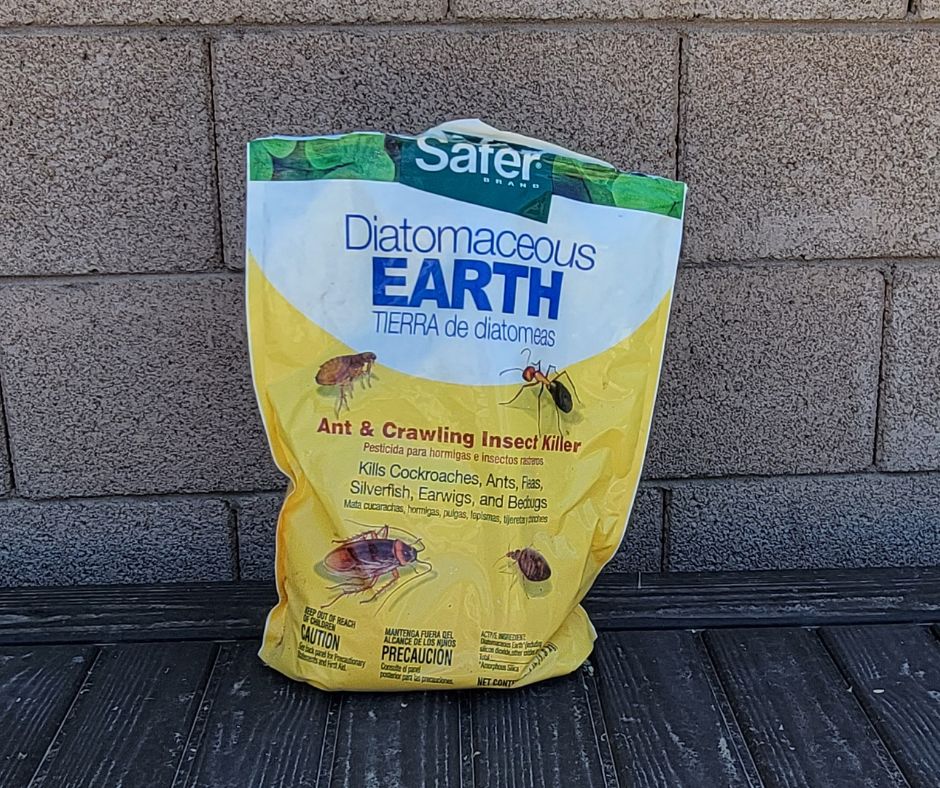
4. Diatomaceous Earth (Food Grade Only!)
This powdery substance is safe for humans and pets but lethal to ants. It scratches their exoskeletons, leading to dehydration. Dust it lightly along baseboards, under appliances, and other hiding spots. Just keep it away from damp areas, as its effectiveness fades with moisture.
Safer Home Diatomaceous Earth 4 lb Organic OMRI DE
5. Borax and Sugar Trap
Mix 1 part borax with 3 parts powdered sugar and place small amounts in shallow lids near trails. Ants carry the bait back to the colony, and over time, it wipes out the nest. Keep these traps away from kids and pets.
20 Mule Team All Natural Borax
6. Coffee Grounds
Used coffee grounds can be sprinkled at potential entry points to repel ants. This tip adds a double benefit, recycling your morning brew and disrupting the ants’ plans.
Tip: Regardless of the remedy, wipe up any ant trails with soapy water to erase the pheromone scent. If you like experimenting, try combining a few methods and see what works best in your home.
Preventative Measures: Keeping Ants Out for Good
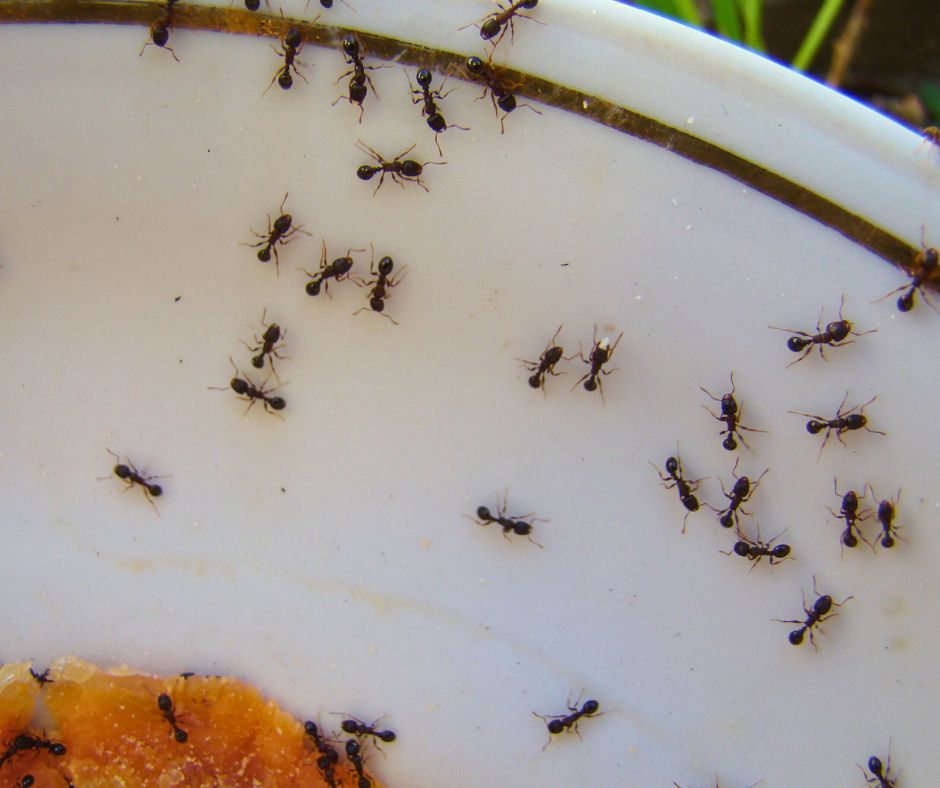
Once you’ve dealt with an invasion, you’ll want to make sure it doesn’t happen again. Ants are opportunists, so it pays to make your home as uninviting as possible. Start with these simple preventative measures:
Block Entry Points
- Seal gaps and cracks in doors, windows, baseboards, and pipes. Silicone caulk works wonders, and weather stripping can make a big difference too.
- Replace damaged screens and door sweeps.
- Fix leaky faucets or pipes that create prime nesting areas.
Cleanliness is Key
- Wipe down counters and sweep up crumbs daily.
- Store pantry items in airtight containers (ants can chew through cardboard and even certain plastics).
- Don’t leave pet food out overnight. Even Fluffy’s leftovers can attract a full-blown colony.
Eliminate Standing Water
- Empty plant saucers regularly.
- Don’t leave damp towels or sponges lying around.
- Keep bathrooms and kitchens dry, especially in hidden corners and under sinks.
Yard Maintenance
- Keep shrubs and tree branches trimmed away from your home’s exterior.
- Move firewood and debris piles away from the foundation.
- Ensure gutters and downspouts direct water away from your house.
Encourage family members or housemates to follow these routines, as ants are experts at finding the one forgotten crumb, spilled juice spot, or overlooked crack in the wall.
TERRO Ant Killer Bait Stations
Professional Solutions: When to Call Pest Control
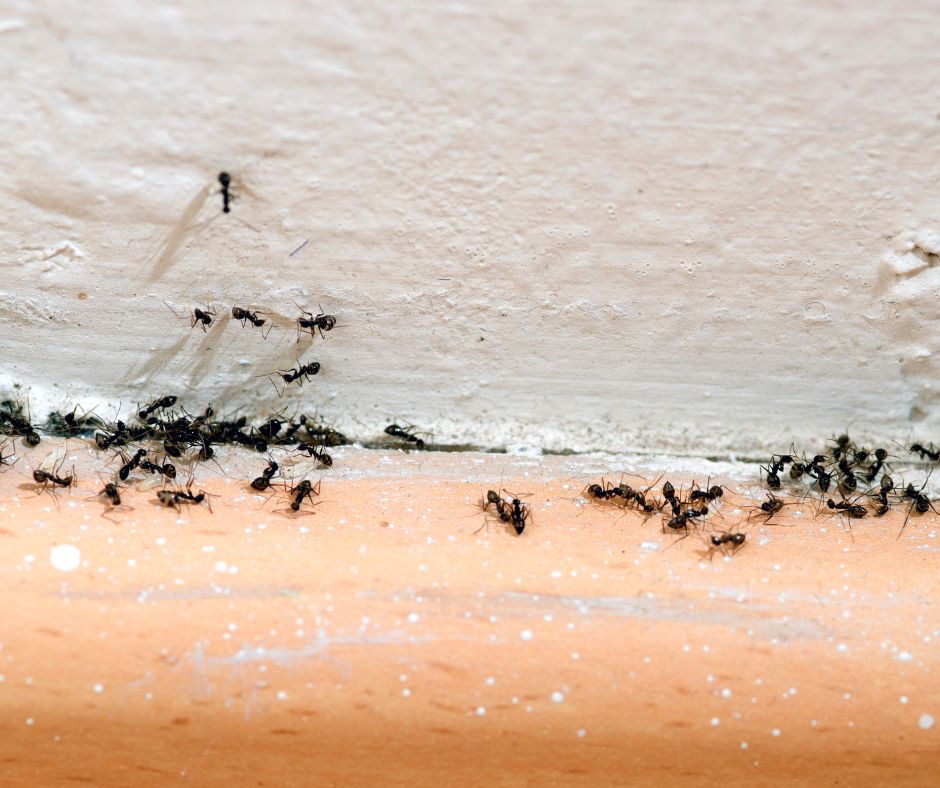
If you’ve tried every DIY trick and still find yourself at war with ants, it may be time to bring in a professional. Here’s when calling pest control makes sense:
Signs It’s Time for the Pros
- Structural damage: If you suspect carpenter ants or notice hollow-sounding wood, frass (sawdust), or unusual rustling noises in the walls.
- Persistent Infestations: Ants keep coming back despite repeated efforts.
- Hidden Nests: Ants that vanish into walls or hard-to-reach places may indicate a nest you can’t access.
- Sensitive Situations: Severe allergies, pets or young children at risk, or infestations in sensitive areas like hospitals.
Professional pest control companies can accurately identify the ant species, locate nests, and use targeted solutions that are safer and more effective (often with less pesticide than DIY sprays).
Always ask about non-toxic and environmentally friendly options if you have children, pets, or a wildlife-friendly yard.
Lasting Control and a Happier, Ant-Free Home
Ants are some of the most persistent houseguests you’ll encounter, but you don’t have to resign yourself to living with them. By identifying your ants, using safe and effective remedies, practicing good prevention, and turning to professionals when needed, you can keep these tiny intruders out for good.
Everyone deserves a home that’s clean, comfortable, and as welcoming to you as it is unwelcoming to pests. The next time you spy a stray ant, remember you have the knowledge (and the toolkit) to send them packing.
If you’re keen to learn more about making your home a haven for people, not pests, check out our resources on natural pest control and creating a balanced backyard ecosystem.
Visit the Garden Resources page for supplies and inspiration. Don’t forget to subscribe to the Calendula’s Garden Newsletter for more gardening tips.
Calendula’s Garden is reader supported. When you buy through links on our site, we may earn an affiliate commission. As an Amazon Associate, I earn from qualifying purchases. For more information, view our Disclaimer page. Thank you!



Preventing ants is very simple. These ants come in search of food. Best is to keep the place clean. Maybe once in a while doing a pest control service will keep all the insects away.
We agree prevention is always easier than trying to get rid ants.