The Ultimate Fall Emergency Food Checklist
Calendula's Garden is reader suported This post may contain affiliate links, more on our Disclaimer page. Thank you!

Fall is a season of change. We enjoy vibrant leaves, cooler temperatures, and the perfect time for cozy gatherings. But it’s also a time to prepare for the unexpected. Whether you’re an outdoor enthusiast, a home chef, or someone passionate about sustainability, having a well-stocked pantry can safeguard you against fall weather surprises.
From sudden storms to power outages, the right emergency foods ensure you’re ready for anything.
Fortunately, our emergency prep necessities are very similar to what is needed for a long camping trip. Let’s explore how to stock up efficiently, utilizing both store-bought and home-grown options.
Identify Essential Foods
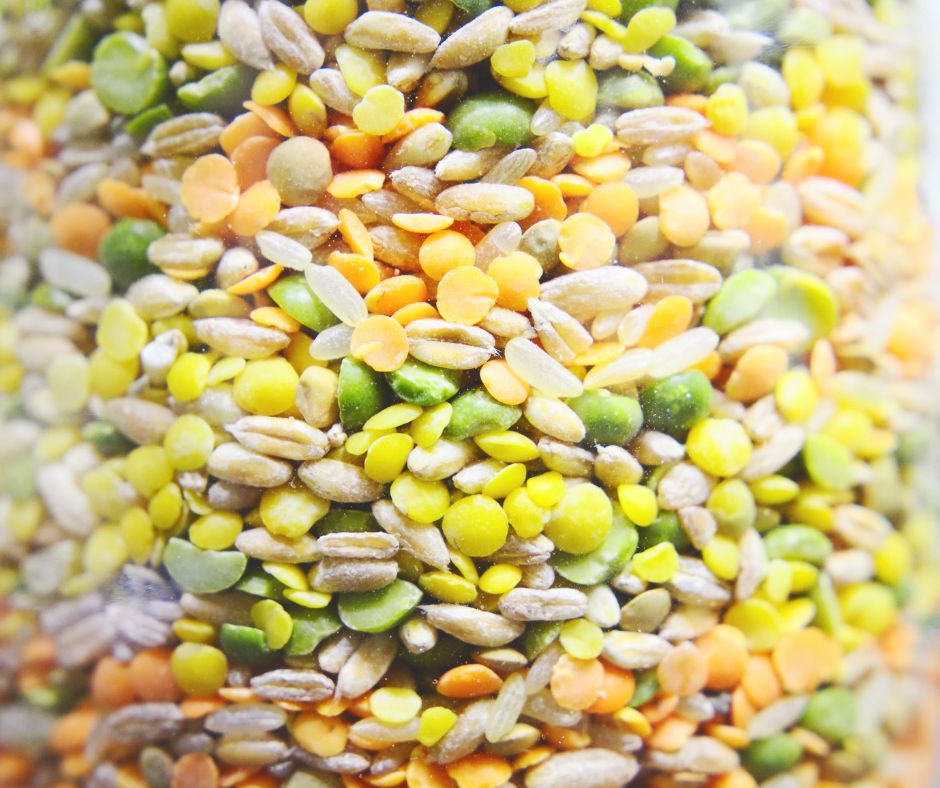
When preparing for fall emergencies, focus on non-perishable foods that offer both nutrition and longevity. Here’s a list to get you started:
- Canned Goods: Think beans, soups, and vegetables. They’re packed with nutrients, shelf-stable, and require minimal preparation.
- Grains: Stock up on rice, oats, and quinoa. These can form the base of many meals and have a long shelf life. Naturally Aged Long Grain Indian White Basmati Rice
- Nuts and Seeds: Almonds, chia seeds, and sunflower seeds are rich in healthy fats and proteins, offering quick energy boosts.
- Dried Fruits: Apricots, raisins, and cranberries not only provide essential vitamins but can also sweeten meals and snacks naturally.
- Pasta and Noodles: Versatile and easy to cook, pasta is a must-have staple.
- Powdered Milk and Coffee: Essential for morning routines, they can be a comforting reminder of normalcy during disruptions. Judee’s Pure Whole Milk Powder
Storage Tips
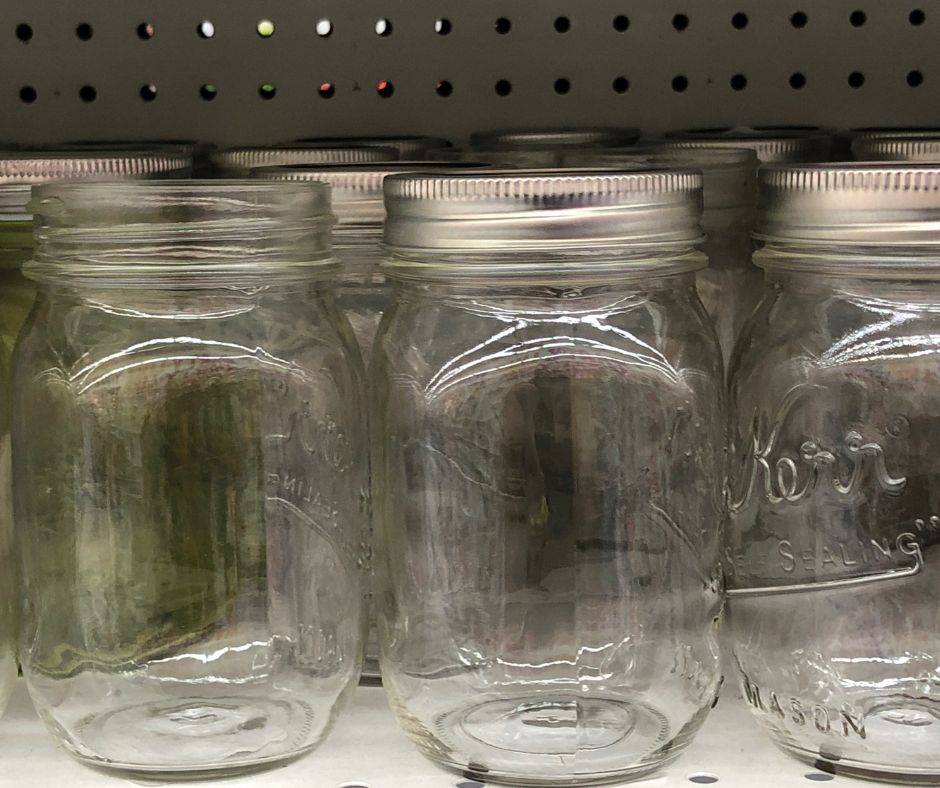
To maximize the shelf life of your stocked items, proper storage is crucial. Here are some essential tips:
- Choose the Right Containers: Use airtight containers to prevent moisture from degrading your food. Glass jars and BPA-free plastic containers are excellent choices. 16oz Wide Mouth Jars
- Maintain Optimal Temperatures: Keep your pantry cool, ideally between 50-70°F. Avoid areas with fluctuating temperatures, like garages or basements.
- Control Humidity: Use desiccants or humidity absorbers to keep dry foods like grains and nuts crisp and fresh. Micro-Pak Dri Clay Kraft
- Label Everything: Clearly label containers with purchase dates and expiration dates to keep track of freshness.
Incorporating Homegrown and Foraged Foods
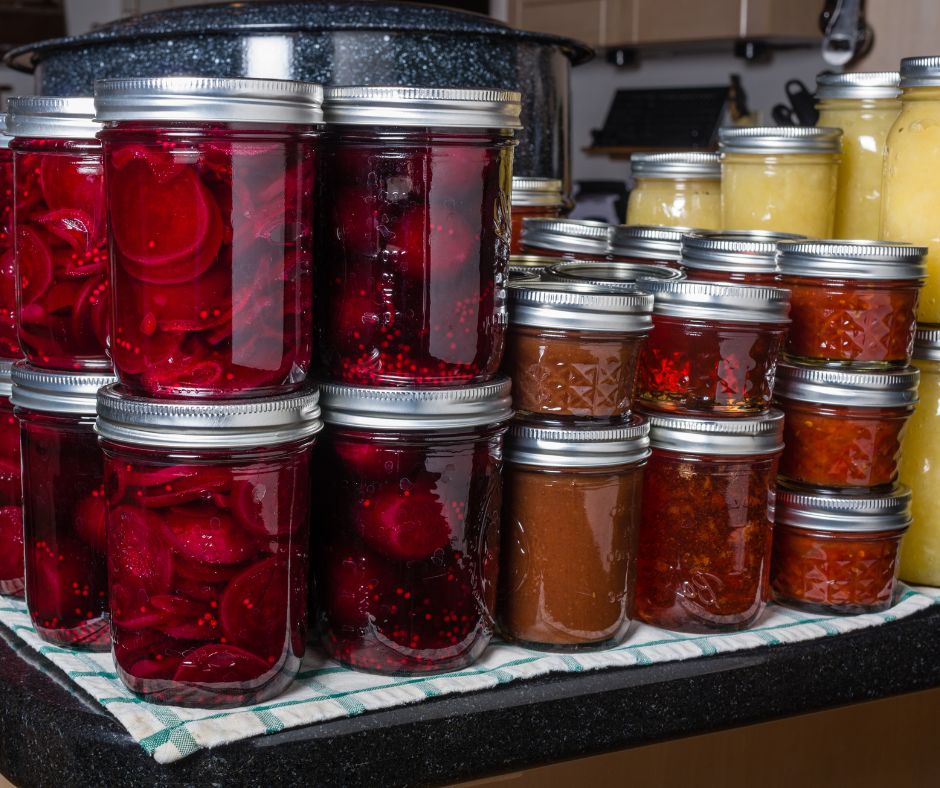
Leverage your garden harvest or foraged finds to enhance your pantry:
- Preserve Your Produce: Can or pickle your garden vegetables. Tomatoes, cucumbers, and peppers retain their flavor and nutrients when preserved.
- Dry Herbs and Greens: Use a dehydrator or air-dry herbs like basil, mint, and kale. They add flavor and nutrition to meals year-round.
- Forage Wisely: If you’re knowledgeable about local edible plants, consider foraging for mushrooms or berries. Just be sure to identify them correctly to avoid any mishaps.
Meal Planning

Creating balanced meals from your stockpile is an art. Here’s how to approach it:
- Breakfast: Start your day with oatmeal topped with dried fruits and nuts for a wholesome, energy-packed meal.
- Lunch: A simple bean salad with canned beans, dried herbs, and a splash of olive oil is nutritious and filling.
- Dinner: Pasta with canned tomato sauce, dried oregano, and powdered Parmesan can be both comforting and delicious.
- Snacks: Mix nuts and dried fruits for a healthy trail mix, perfect for on-the-go energy.
- Beverages: Rehydrate with powdered milk for coffee or tea, ensuring you maintain routine comforts.
Rotation and Replenishment Strategy
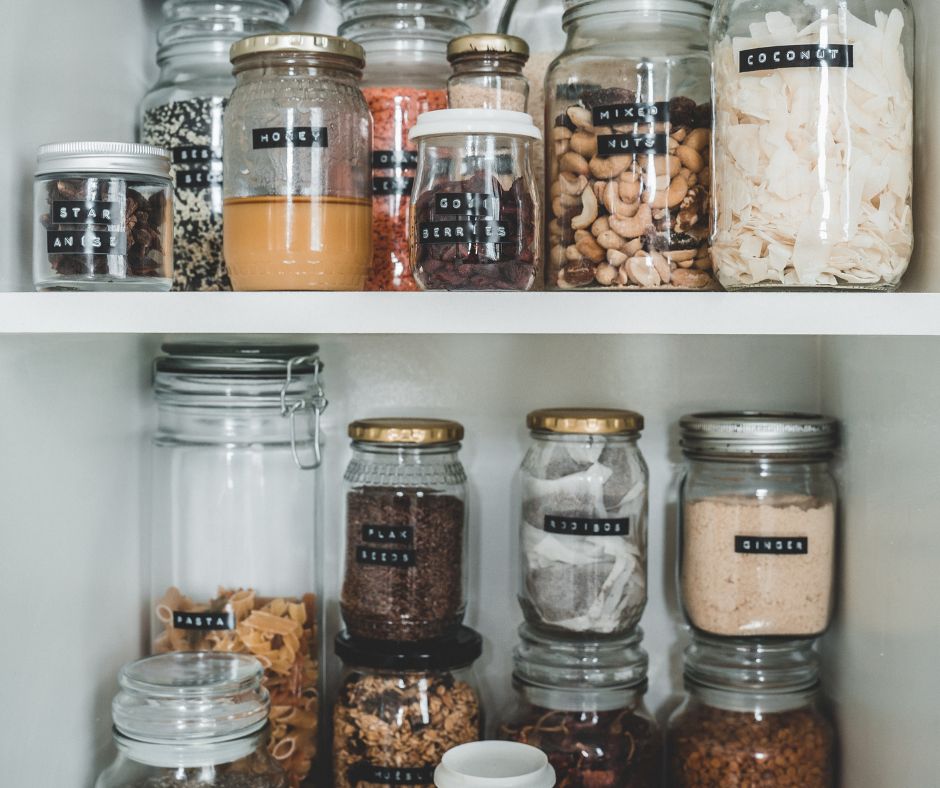
A successful emergency pantry isn’t static. It requires regular attention and care:
- Rotate Stock: Implement the “first in, first out” method, using older items before newer ones to minimize waste.
- Check Expiry Dates: Regularly inspect your pantry for items nearing expiration. Plan meals around these to avoid spoilage.
- Replenish Regularly: Set a reminder to check your stock monthly. Replenish items as needed to maintain a full and varied supply.
Final Thoughts

Preparing for fall weather emergencies goes beyond mere survival; it’s about maintaining a sense of normalcy and comfort even when the unexpected occurs. With a well-stocked pantry of both store-bought and home-grown foods, you’ll be equipped to face any challenge with confidence and ease.
Ready to take the next step in your preparedness journey? Start by evaluating your current pantry and planning your next grocery trip with these tips in mind. Remember, preparation is the key to peace of mind. Stay safe and enjoy the beauty of the changing seasons!
Visit the Garden Resources page for supplies and inspiration. Don’t forget to subscribe to the Calendula’s Garden Newsletter for more gardening tips.
Calendula’s Garden is reader supported. When you buy through links on our site, we may earn an affiliate commission. As an Amazon Associate, I earn from qualifying purchases. For more information, view our Disclaimer page. Thank you!