The Sweet Science of Using Molasses for Better Soil
Calendula's Garden is reader suported This post may contain affiliate links, more on our Disclaimer page. Thank you!
Have you ever looked at the price tag on organic garden fertilizers and felt a sudden pinch in your wallet? I know I have! Growing beautiful, healthy plants shouldn’t require you to empty your bank account.
If you are a beginner gardener or simply looking for a budget-friendly way to nourish your plants, the secret to a thriving garden might already be sitting in your kitchen pantry.
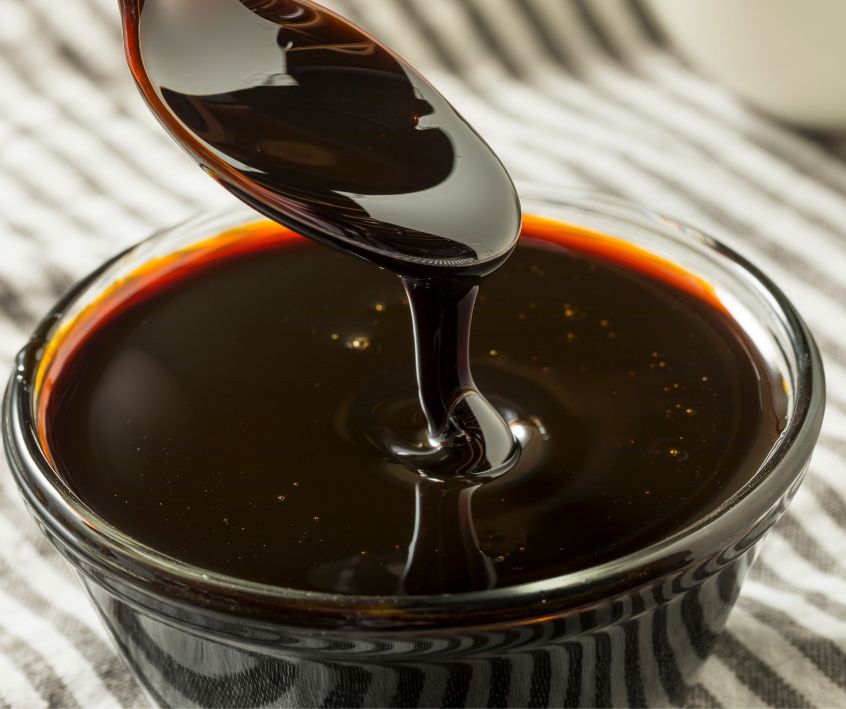
Molasses is a thick, dark syrup created by boiling down sugar cane or sugar beets. While it is famous for making gingerbread cookies delicious, it is also an incredible, all-natural soil booster.
It acts as a powerful, cost-effective alternative to synthetic chemicals that can sometimes do more harm than good.
Using molasses in the garden is a sustainable practice that builds long-term soil health. It works alongside nature rather than trying to force it.
By the time you finish reading this guide, you will know exactly which type of molasses to buy, how to mix it, and how to apply it safely to get your plants blooming and producing like never before.
Why Your Garden Will Love Molasses
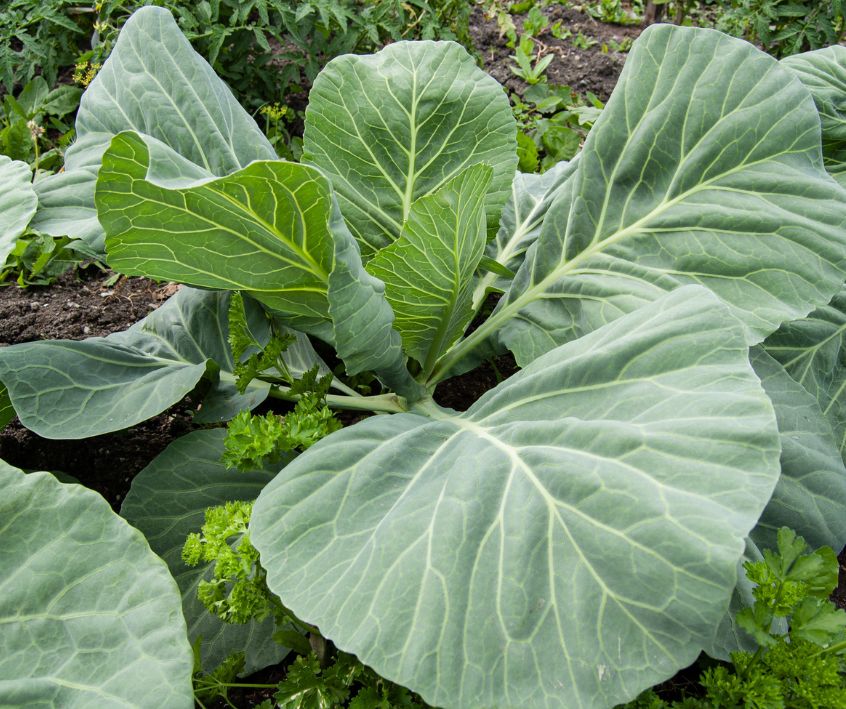
You might be wondering how a sugary baking ingredient translates to better tomatoes or brighter flowers. The magic happens beneath the surface of the soil.
Feeds beneficial microorganisms
Healthy soil is absolutely teeming with life. Millions of beneficial bacteria and fungi live among your plant’s roots.
These microbes need carbohydrates to thrive and multiply. When you add molasses to your soil, you provide an instant energy source for these microscopic helpers, creating a highly active biological environment.
Provides essential nutrients
Molasses is much more than just sugar. It contains an impressive profile of trace minerals that plants need to grow strong.
You will find healthy doses of magnesium, calcium, and iron inside that sticky syrup. These nutrients help with photosynthesis, cell wall development, and overall plant vigor.
Enhances nutrient uptake
When the beneficial microorganisms in your soil feed on molasses, they break down organic matter much faster.
This process releases locked-up nutrients in the soil, making them readily available for your plant’s root systems to absorb.
Improves soil structure
Over time, the increased microbial activity helps bind soil particles together. This improves aeration and water retention.
Whether you are dealing with heavy clay or loose sand, boosting the biological life in your garden will help balance your soil’s texture.
Picking the Right Molasses
Not all syrups are created equal. If you walk down the baking aisle, you will see a few different options, but you need to be specific about what goes into your garden.
The absolute best choice is unsulphured blackstrap molasses. Blackstrap is the byproduct of the third boiling of sugar cane, meaning it has the lowest sugar content but the highest concentration of vitamins and minerals.
The term “unsulphured” is critical here. Sulphur dioxide is sometimes added to molasses as a preservative, but sulphur can actually kill the beneficial microbes in your soil.
We use: Golden Barrel Organic Blackstrap Molasses – 1 Gallon
Always avoid highly processed pancake syrups or anything containing high fructose corn syrup. These will not provide the minerals your plants need and can attract unwanted pests.
4 Ways to Apply Molasses in Your Garden
Ready to get started? Here are four simple ways to introduce this sweet treat to your plants.
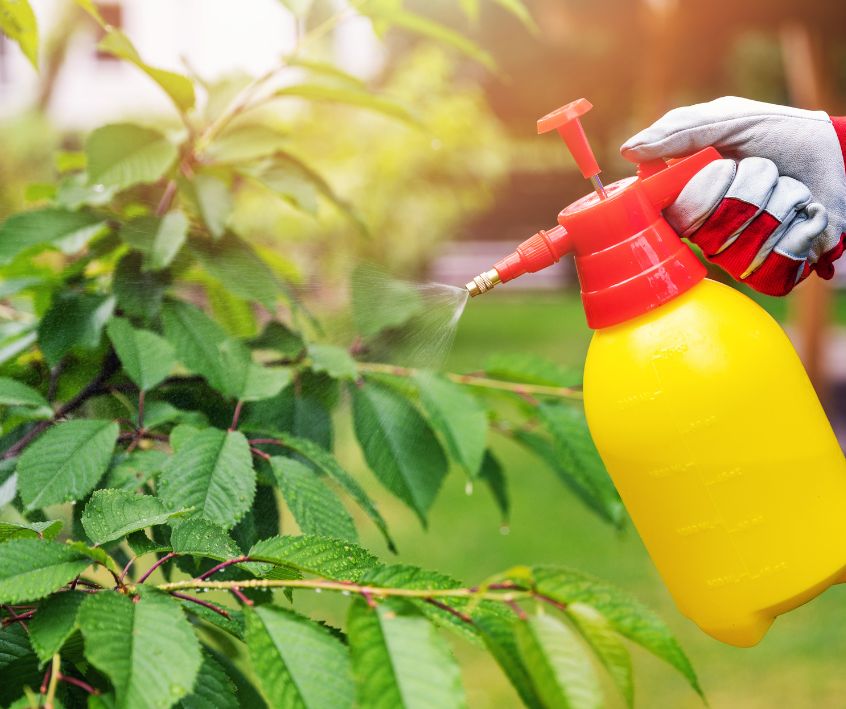
Foliar spray
Plants can absorb nutrients directly through their leaves. A foliar spray provides a quick energy boost.
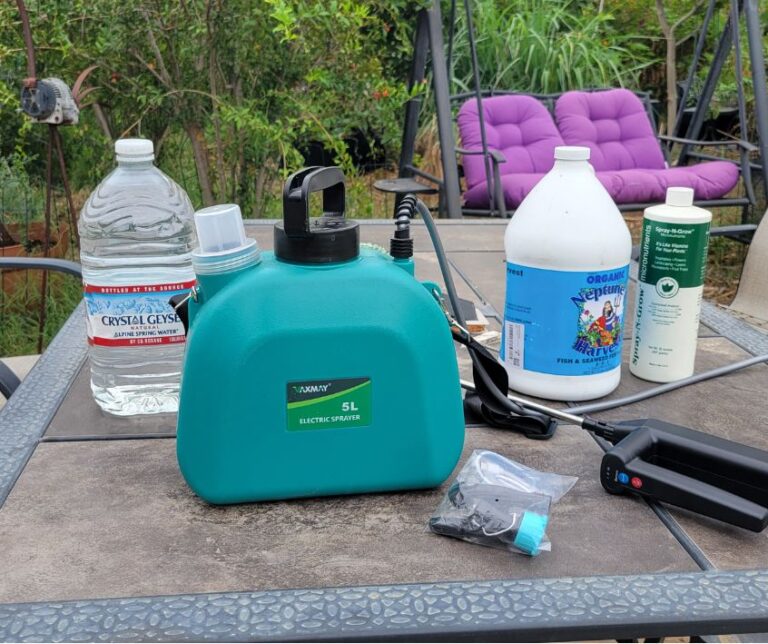
For beginners, mix 1 tablespoon of unsulphured blackstrap molasses into one gallon of water. Use a pump sprayer to lightly mist the top and bottom of your plant’s leaves.
The Chapin Pump Sprayer, 1-Gallon SureSpray Translucent Tank with an Easy Fill Funnel-Top Opening works great.
Do this early in the morning or late in the evening to prevent the sun from burning the damp foliage.
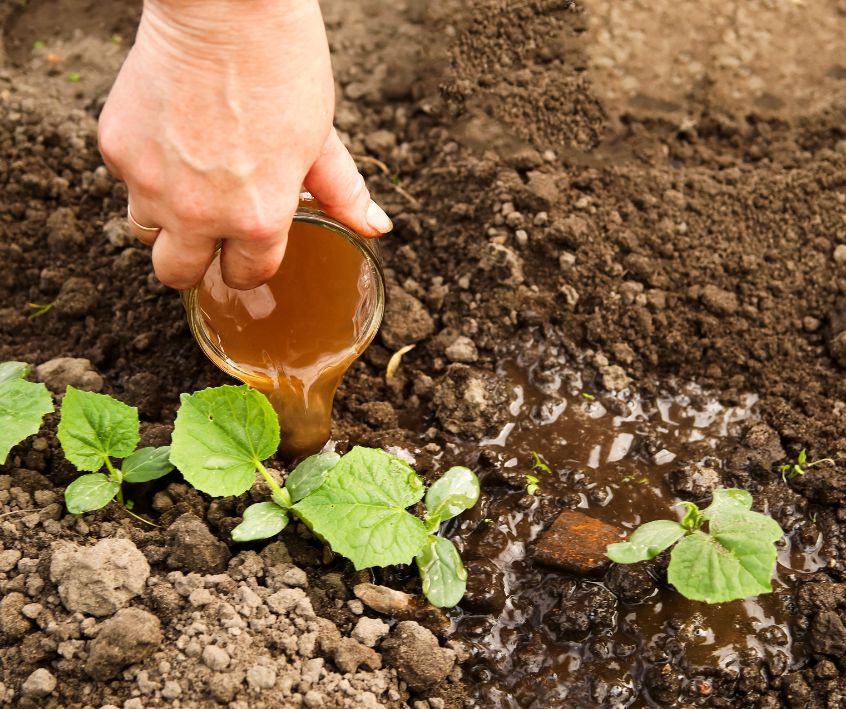
Soil drench
If you want to focus directly on root health and soil microbes, a soil drench is the way to go. Mix 1 to 2 tablespoons of molasses per gallon of water.
Use a watering can to pour the mixture directly onto the soil at the base of your plants.
Compost additive
Is your compost pile looking a little sluggish? Add 1/4 cup of molasses to a gallon of water and pour it over your compost heap.
The sugar will send the composting microbes into overdrive, helping break down your kitchen scraps and yard waste much faster.
Mild pest control
While its primary job is feeding the soil, molasses can also help deter certain pests.
Many soft-bodied insects, like aphids and whiteflies, cannot properly digest the complex sugars found in molasses.
Regular foliar applications can make your plants a less hospitable home for these annoying bugs.
Simple DIY Molasses Fertilizers
You do not need a chemistry degree to mix up your own plant food. Here are a few easy recipes to try at home.
The basic molasses water solution
This is the easiest method for beginners.
Dissolve 1 to 2 tablespoons of molasses in a small cup of warm water to help it melt, then stir that mixture into a full gallon of room-temperature water.
Use this solution immediately on your garden beds or container plants.
Molasses and compost tea
If you want to create a microbial powerhouse, brew some compost tea.
Steep a few handfuls of high-quality compost in a bucket of aerated water for 24 to 48 hours. Add 2 tablespoons of molasses to the brew.
The molasses will multiply the bacteria in the compost tea to staggering numbers before you pour it onto your soil.
Combining with other organic fertilizers
Molasses plays incredibly well with other natural fertilizers.
Try mixing a tablespoon of molasses into a gallon of water along with your regular dose of liquid kelp or fish emulsion.
The combination of minerals, amino acids, and carbohydrates will create a robust, well-rounded plant food.
Best Practices for Beginner Gardeners
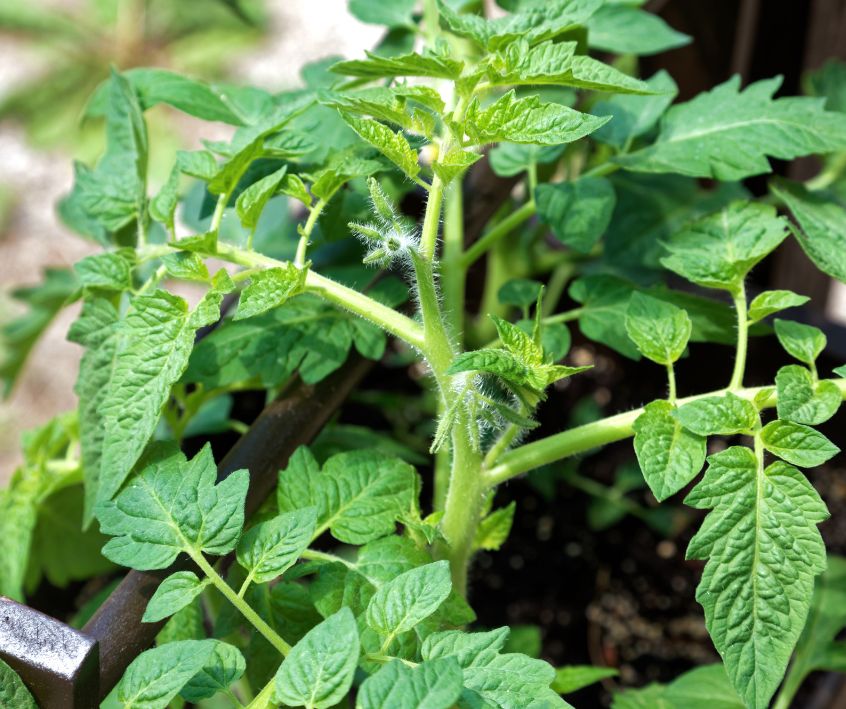
Gardening is all about observation and patience. Keep these tips in mind as you start experimenting:
Start small: Always use the lower recommended dose (1 tablespoon per gallon) when applying a new fertilizer. You can always increase it later.
Observe your plants: Watch how your garden responds over a few days. Healthy, green growth means you are on the right track.
Check your frequency: Apply your molasses mixture every two to four weeks during the active growing season. Applying it too often can create an imbalance in the soil.
Know when to hold back: Avoid using molasses on very young, delicate seedlings, as the rapid microbial activity can sometimes overwhelm their fragile roots.
Save Money While Growing Better Plants
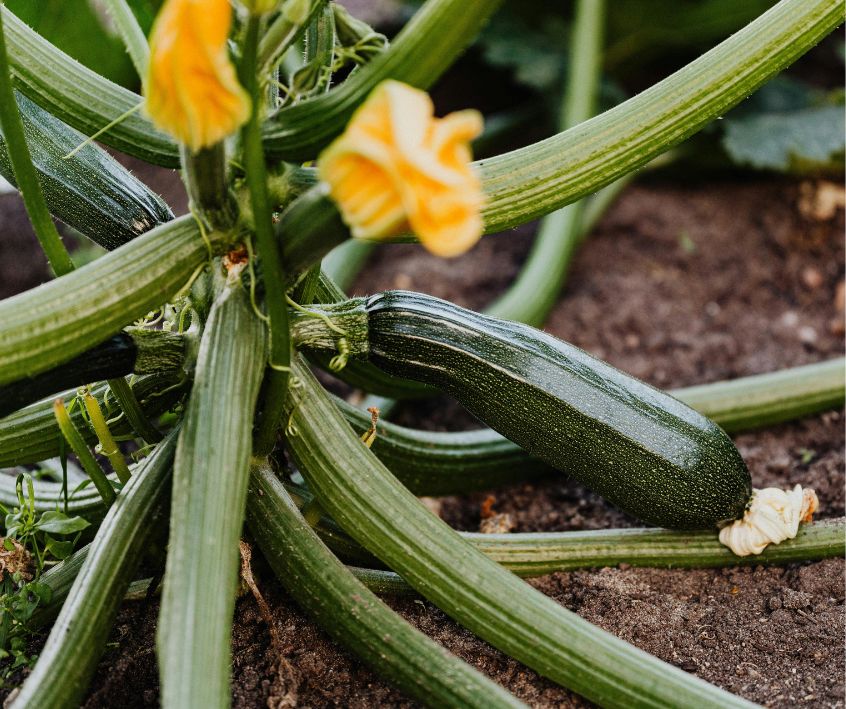
One of the greatest joys of using molasses is the impact it has on your gardening budget.
Synthetic fertilizers are expensive and often need to be applied continuously because they do not improve the actual soil structure.
A single bottle of blackstrap molasses costs just a few dollars and can last an entire growing season.
More importantly, by feeding the soil microbiology, you are building an ecosystem that sustains itself.
Over time, your rich, healthy soil will require fewer outside inputs, saving you money year after year.
Ready to Sweeten Your Soil?
Molasses is a simple, accessible, and highly effective tool for any gardener looking to grow healthier plants on a budget.
By feeding beneficial microbes, unlocking essential nutrients, and improving your soil’s structure, you are laying the foundation for a truly spectacular garden.
Grab a bottle of unsulphured blackstrap molasses the next time you are at the grocery store.
Mix up a simple soil drench, head out to your backyard, and treat your plants to a sweet, nutritious drink. Your garden and your wallet will thank you!
Visit the Garden Resources page for supplies and inspiration. Don’t forget to subscribe to the Calendula’s Garden Newsletter for more gardening tips.
Calendula’s Garden is reader supported. When you buy through links on our site, we may earn an affiliate commission. As an Amazon Associate, I earn from qualifying purchases. For more information, view our Disclaimer page. Thank you!