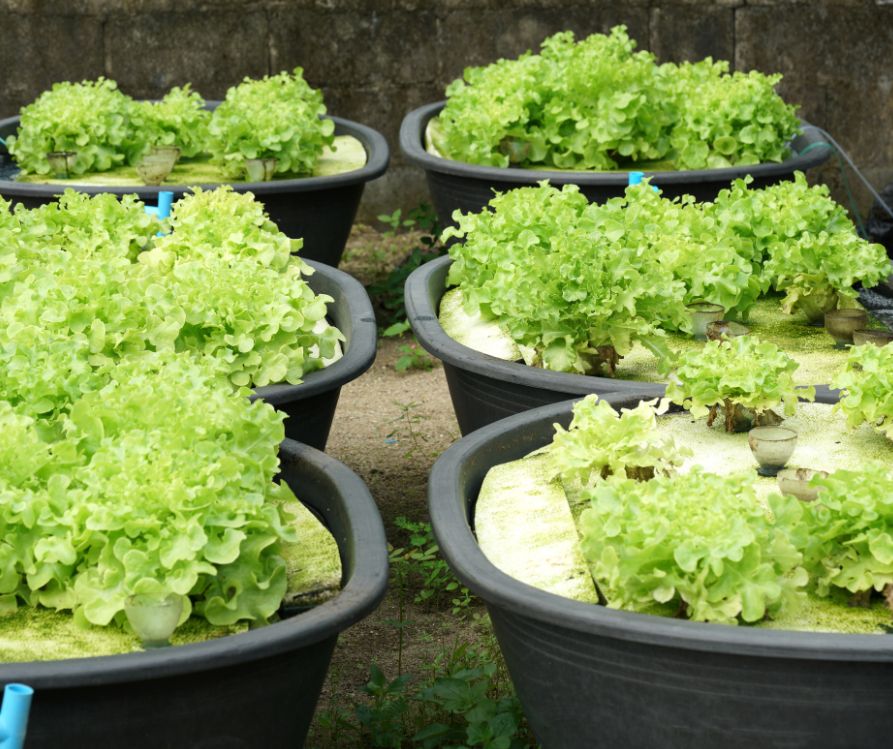
The Science Behind Aquaponics: How It All Works
Calendula's Garden is reader suported This post may contain affiliate links, more on our Disclaimer page. Thank you!
Aquaponics combines gardening, biology, and sustainability in a truly remarkable way. It’s a circular system that mimics natural ecosystems while providing a sustainable method for growing food.
In this guide, you will learn how aquaponics works, how to set up your own system, and the science that powers it all.
Whether you’re a seasoned gardener, a science enthusiast, or passionate about sustainable living, this guide is for you.
Aquaponics not only allows you to grow fresh produce but also helps reduce water use and waste. Let’s explore how this amazing system works and how you can create one yourself!
What Is Aquaponics?
Aquaponics is a sustainable method of farming that combines aquaculture (raising fish) and hydroponics (cultivating plants in water). The core principle is a closed-loop system where fish, plants, and beneficial bacteria work in harmony to grow healthy, organic food while keeping the environmental impact minimal.
Benefits of Aquaponics
Why should you consider aquaponics? Here are a few compelling reasons:
- Water Efficiency: Aquaponics uses 90% less water than traditional farming methods. The water is constantly cycled, reducing waste.
- No Chemical Fertilizers: Fish waste acts as a natural fertilizer for plants, eliminating the need for synthetic chemicals.
- Sustainable Food Production: Grow nutrient-rich vegetables and fish simultaneously, making it perfect for those passionate about sustainability.
- Improved Yields: Plants grow faster in aquaponics systems due to the nutrient-rich water provided by fish.
Now that you understand what aquaponics is, let’s explore the components and the underlying science.
The Aquaponics System
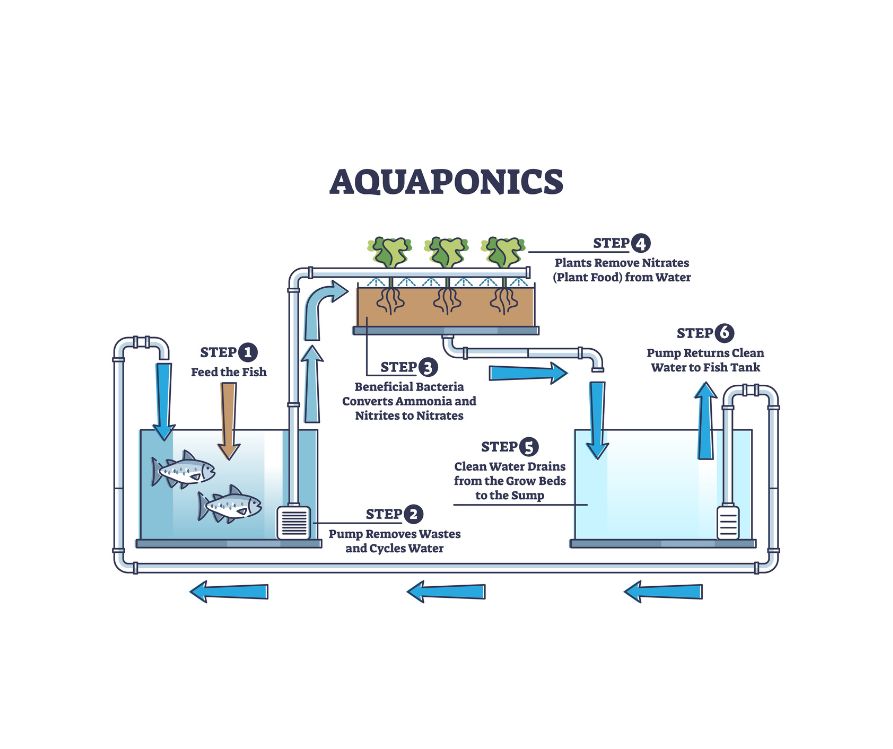
An aquaponics system consists of several key components, each playing a vital role in ensuring a balanced and functional ecosystem.
Essential Components
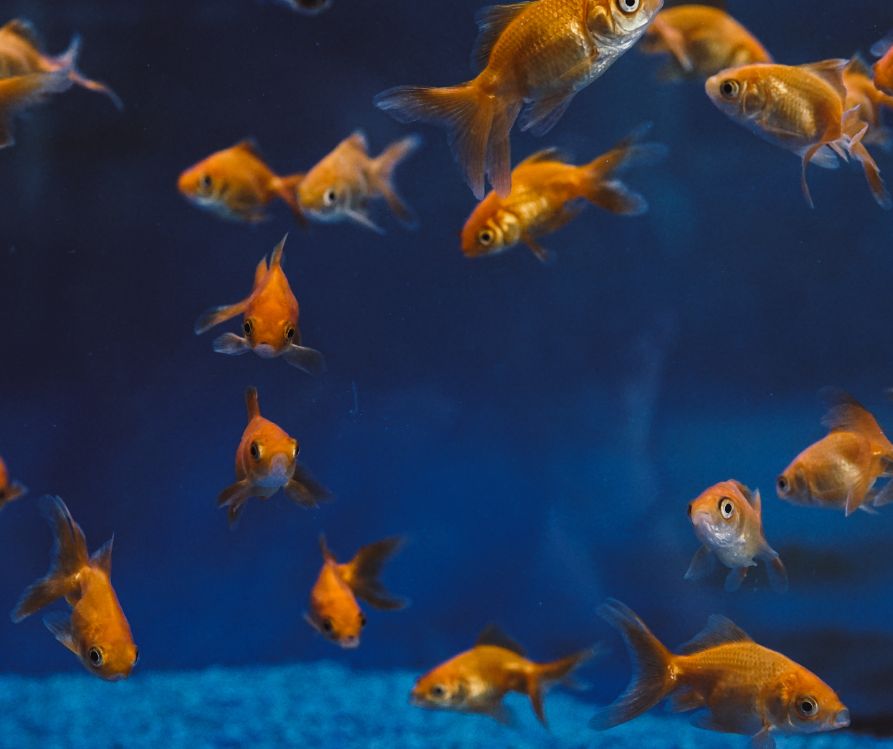
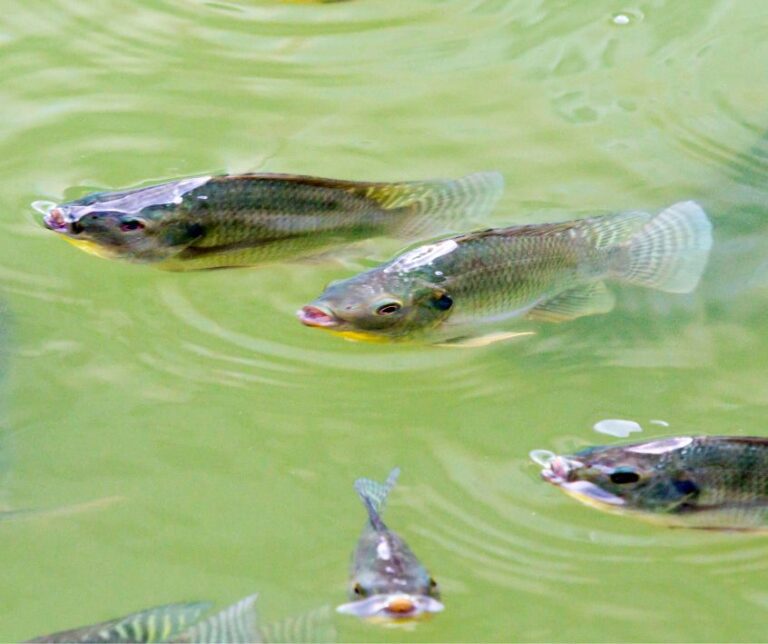
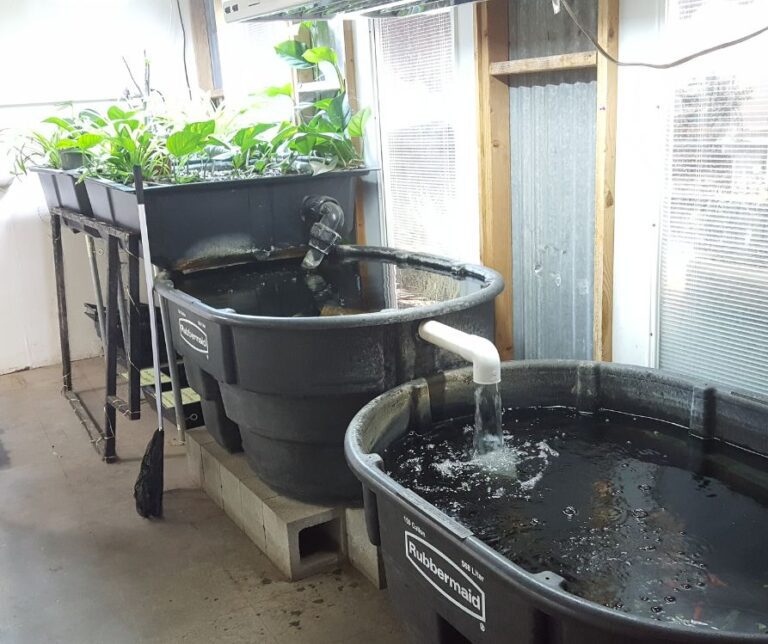
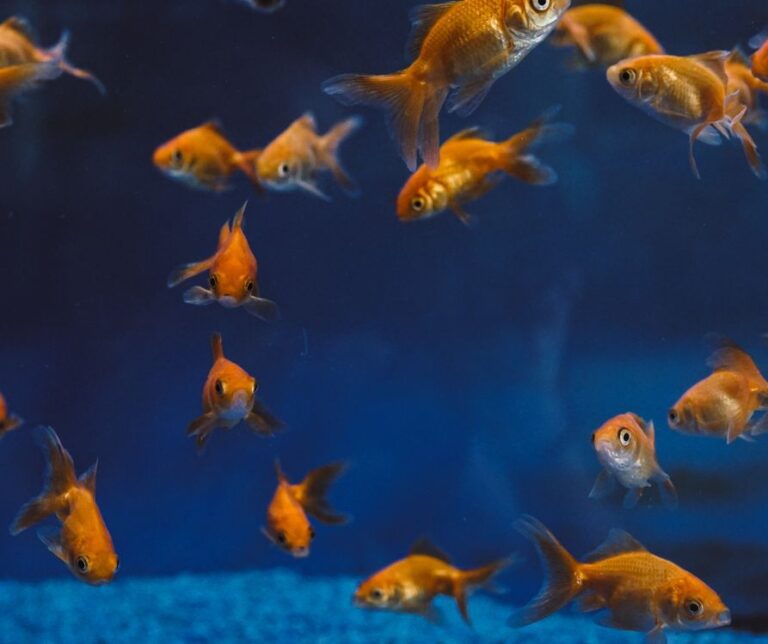
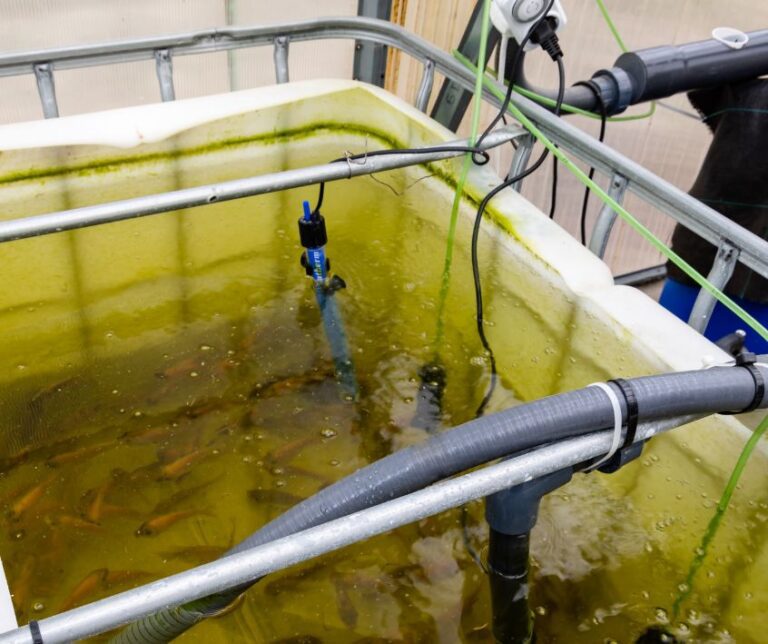
Fish Tank: This is where you house the fish that supply nutrients to the plants. Tilapia, trout, and goldfish are popular choices. Rubbermaid 150 Gallon Stock Tank
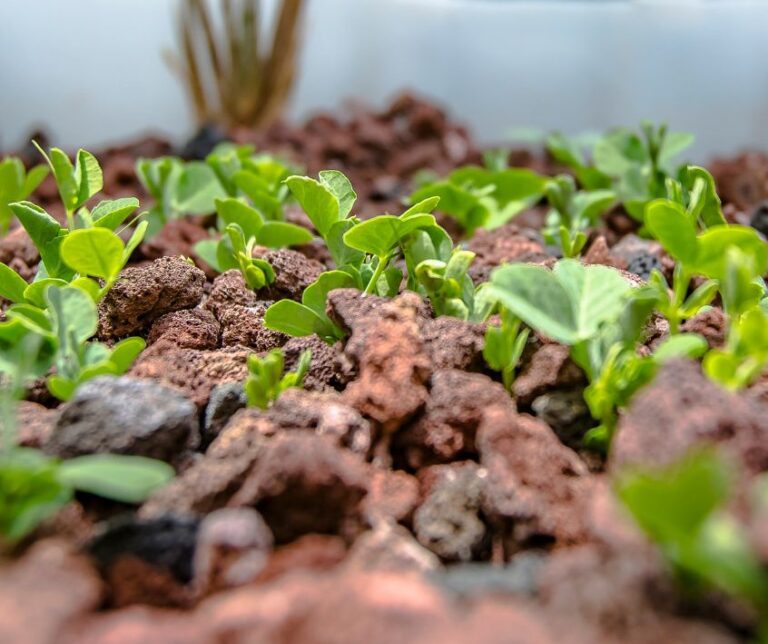
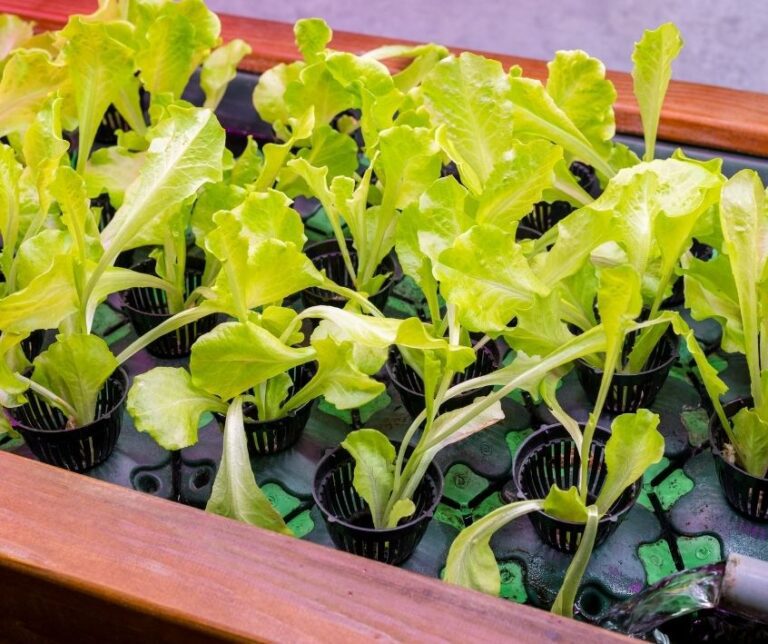
Grow Beds: These provide a place for plants to grow. They are typically filled with a growing medium like gravel or clay pebbles. Rubbermaid 50 Gallon Stock Tank
Water Pump: Circulates water between the fish tank and grow beds, ensuring consistent nutrient flow. TetraPond Water Garden Pump
I recommend adding a barrier bag to protect your fish and extend the life of your pump. Fineday Pond Filter, Anti-Clogging Cube Outdoor Mesh Water Pump Barrier Bag Box Basket
Biofilter: Converts fish waste into nitrates, a form of nitrogen that plants can absorb. This can be your media bed. However, grow beds will require mucking out periodically. I have started using an external filter with the UV light off to minimize solid buildup in the grow beds. Penn-Plax Cascade Max Flow Aquarium Canister Filter
Water Test Kit: It is essential to maintain a neutral pH level of about 7.0 for the health of fish and bacteria. API FRESHWATER MASTER TEST KIT
Aerator: Maintaining high water oxygen levels will keep your fish healthy and the water thoroughly mixed as the air bubbles move through the water column. I like to include a solar aerator as a backup in case the power goes out. Uniclife Aquarium Air Pump Dual Outlet Fish Tank Aerator with Accessories for 5-200 Gallon Tank
Plants: Leafy greens, herbs, and even tomatoes thrive in aquaponics systems. 4 Easy Vegetables for the Beginner Gardener
Shade: For outdoor systems during the summer to minimize large temperature swings. 10 X 20FT 75% Garden Shade Cloth with Hoops
5 Backyard Greenhouses for Thriving Gardens
Each component works together to create a thriving ecosystem, but what’s most fascinating is the science behind it.
Understanding the Science of Aquaponics
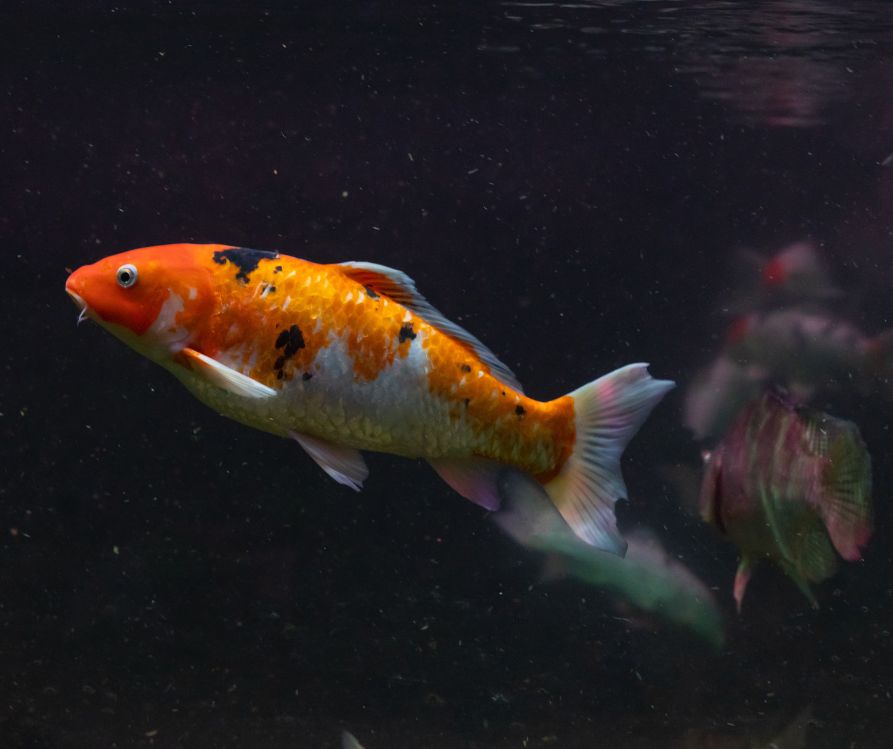
At the heart of aquaponics lies a symbiotic relationship between three key players: fish, plants, and bacteria. Together, they create a mutually beneficial cycle.
The Role of Fish
Fish produce waste that contains ammonia. While ammonia is toxic to fish, it’s an essential nutrient for plants when broken down. Fish essentially act as nutrient producers in the system.
The Role of Bacteria
This is where the magic of aquaponics really happens. Beneficial bacteria convert toxic ammonia into nitrites and, eventually, nitrates through a process called nitrification. Nitrates are less harmful and highly beneficial for plants. This biological process ensures the water remains clean for the fish while providing nutrients for plant growth.
The Role of Plants
Plants absorb nitrates from the water, cleaning it for the fish and helping them thrive. Without plants, the buildup of nitrates could become harmful. Leafy greens like lettuce, spinach, and basil are excellent options for beginners.
This cyclical relationship is what allows aquaponics systems to be so efficient and sustainable.
Setting Up Your Aquaponics System
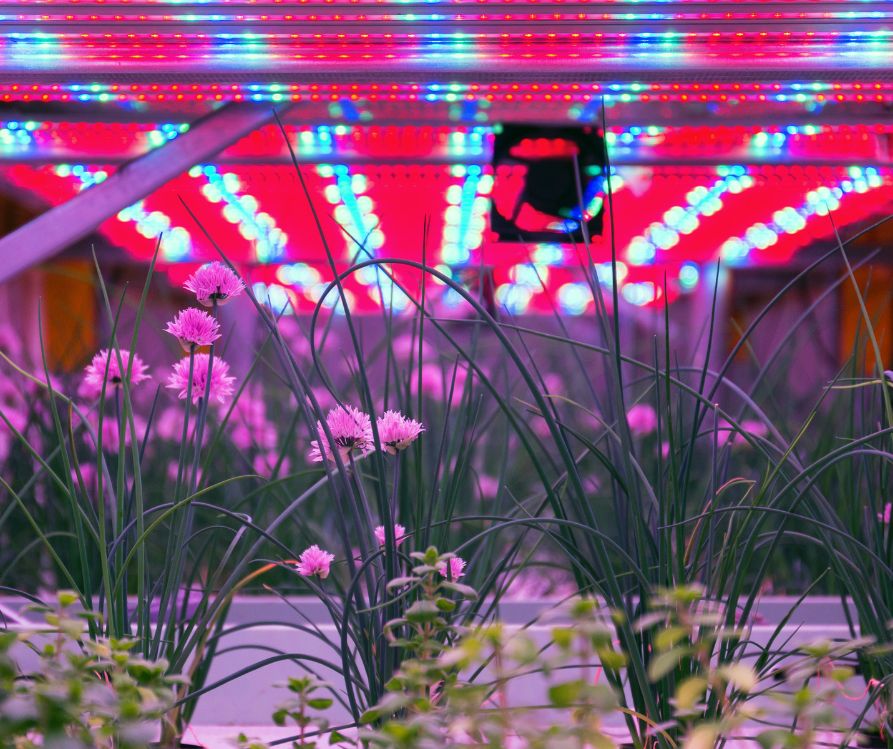
Creating your own aquaponics system might sound complex, but it’s entirely doable with the right guidance. Here’s a step-by-step process to get started:
1. Select the Right Location
Choose a sunny, sheltered spot for your system. If indoors, ensure you have proper lighting to support plant growth.
2. Choose Your Fish and Plants
Opt for beginner-friendly fish like tilapia or goldfish. For plants, leafy greens and herbs are quick to grow and require minimal maintenance.
3. Assemble the Components
Set up your fish tank, grow bed, water pump, and biofilter. Follow maintenance instructions to ensure proper functionality.
4. Cycle the System
Before introducing fish, cycle your system by running it for 3-4 weeks. This allows bacteria to establish and ensures your system is ready to support life.
5. Test Water Quality
Monitor pH levels, ammonia, nitrite, and nitrate levels. Aim for a neutral pH (around 7) for optimal results.
6. Introduce Fish and Plants
Once everything is balanced, introduce your fish and plants. Start small to ensure both adjustments and growth are manageable.
Aquaponic Gardening: A Step-by-Step Guide to Raising Vegetables and Fish Together is an excellent resource I often refer back to when tweaking my systems.
Maintaining Your Aquaponics Ecosystem
Consistency is the key to a thriving system. Here are practical tips for maintaining the health of your aquaponics ecosystem:
- Monitor Water Levels: Regularly check for nutrient imbalances and ensure adequate oxygenation.
- Feed Fish Appropriately: Overfeeding can lead to excess waste and water contamination.
- Inspect Plants: Watch for signs of deficiencies or pests and address them promptly.
- Clean Components: Prevent clogs and debris from affecting the water pump and biofilter.
With regular upkeep, your aquaponics system will flourish, offering a steady supply of fresh produce and fish.
Harvesting and Enjoying the Fruits (and Vegetables) of Your Labor
One of the most rewarding aspects of aquaponics is enjoying fresh, organic food. Harvest vegetables as they mature, and if you’re raising edible fish, process them only when they reach the appropriate size.
Not only will you save on grocery costs, but you’ll also relish knowing exactly where your food comes from. Aquaponics is not just a hobby—it’s a lifestyle!
The Future of Aquaponics
Aquaponics is more than just a fun way to garden—it’s a revolutionary approach to sustainable food production. From urban farming initiatives to large-scale agriculture, its potential is vast. With continued innovation, aquaponics could play a vital role in addressing global food security challenges.
Are you ready to start your aquaponics adventure? From reducing waste to growing your own healthy produce, this eco-friendly system has much to offer. Begin small, dream big, and watch as this circular ecosystem transforms your gardening (and eating) experience.
Visit the Garden Resources page for supplies and inspiration. Don’t forget to subscribe to the Calendula’s Garden Newsletter for more gardening tips.
Calendula’s Garden is reader supported. When you buy through links on our site, we may earn an affiliate commission. As an Amazon Associate, I earn from qualifying purchases. For more information, view our Disclaimer page. Thank you!