The Power of Calendula Plants in Companion Gardening
Calendula's Garden is reader suported This post may contain affiliate links, more on our Disclaimer page. Thank you!

Gardeners are continually seeking methods to create healthier, more vibrant gardens. One such method is companion planting. By strategically growing certain plants together, gardeners can foster a symbiotic environment where plants support each other.
One unsung hero in this collective gardening technique is calendula, a flower with numerous benefits. In this post, we’ll explore how calendula can improve your garden and how you can effectively incorporate it into your gardening practices.
Introduction to Calendula
Calendula, also known as pot marigold, has a rich history in gardening and herbal medicine. Originating from the Mediterranean, it is now found in gardens worldwide.
Known for its bright yellow and orange flowers, calendula is not only gorgeous but also offers many garden benefits.
From attracting pollinators to acting as a natural pest repellent, this versatile plant can significantly enhance your garden’s health and productivity.
Where to find seeds, plants, and supplies:
The Concept of Companion Planting
Companion planting is an age-old gardening practice that involves growing specific plants together to improve their growth and health. This method helps create a balanced ecosystem, reducing the need for chemical pesticides and fertilizers.
By understanding the relationships between different plants, gardeners can maximize space, deter pests, and enhance soil fertility.
The Many Benefits of Companion Gardening: What You Need to Know
Companion planting promotes biodiversity and sustainability, making it a favorite among organic gardeners and sustainable living advocates.
Benefits of Companion Planting with Calendula
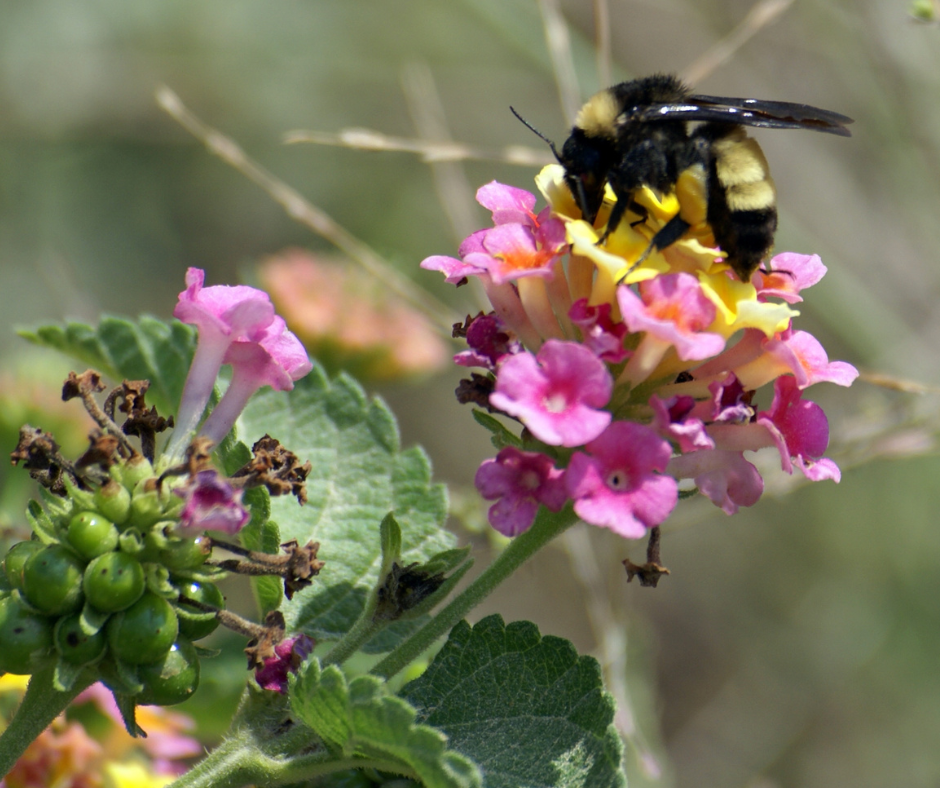
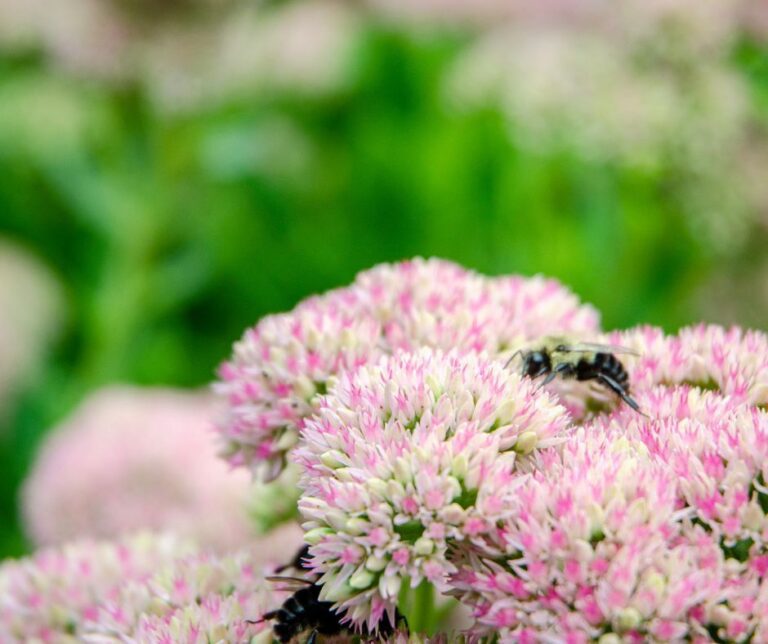
Calendula is a powerhouse when it comes to companion planting. Its bright flowers attract beneficial insects like bees and ladybugs, which help with pollination and pest control.
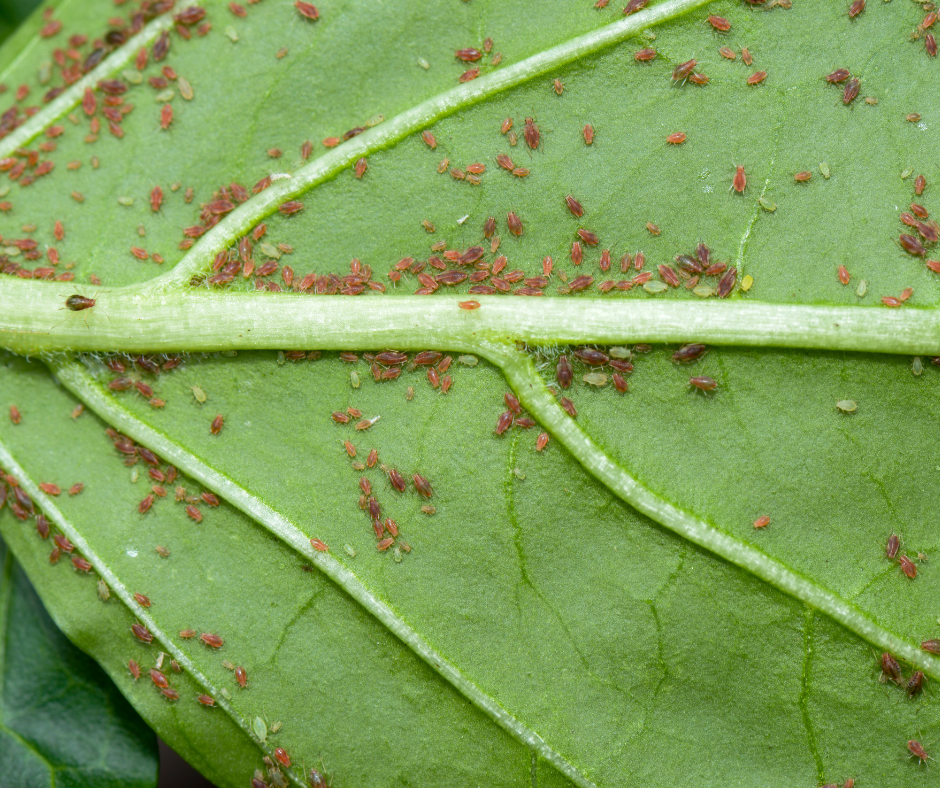
Additionally, calendula’s roots exude substances that can suppress soil-borne pests and diseases, protecting neighboring plants. Its presence also discourages harmful insects such as aphids, whiteflies, and spider mites, reducing the overall pest pressure in your garden.
And there is more! Calendula can improve soil health by adding organic matter, promoting microbial activity, and enhancing nutrient availability.
There are a few books I refer to on a regular basis when planning my gardens with companion planting in mind. They are:
Carrots Love Tomatoes: Secrets of Companion Planting for Successful Gardening,
Roses Love Garlic: Companion Planting and Other Secrets of Flowers
Vegetables Love Flowers: Companion Planting for Beauty and Bounty.
Best Companion Plants for Calendula
Calendula pairs well with most plants, making it a versatile addition to any garden. Here are some of the best companions for calendula:
Tomatoes
Tomatoes benefit greatly from calendula’s pest-repellent properties. Planting calendula around tomato plants can help deter aphids, whiteflies, and tomato hornworms, protecting your precious crop.
Additionally, the vibrant flowers attract pollinators, boosting tomato production.
Carrots
Carrots and calendula make an excellent pair. Calendula’s strong scent masks the smell of carrots, confusing pests like carrot flies and reducing infestations.
This combination also enhances soil health, as calendula’s roots loosen the soil, making it easier for carrots to grow.
Lettuce
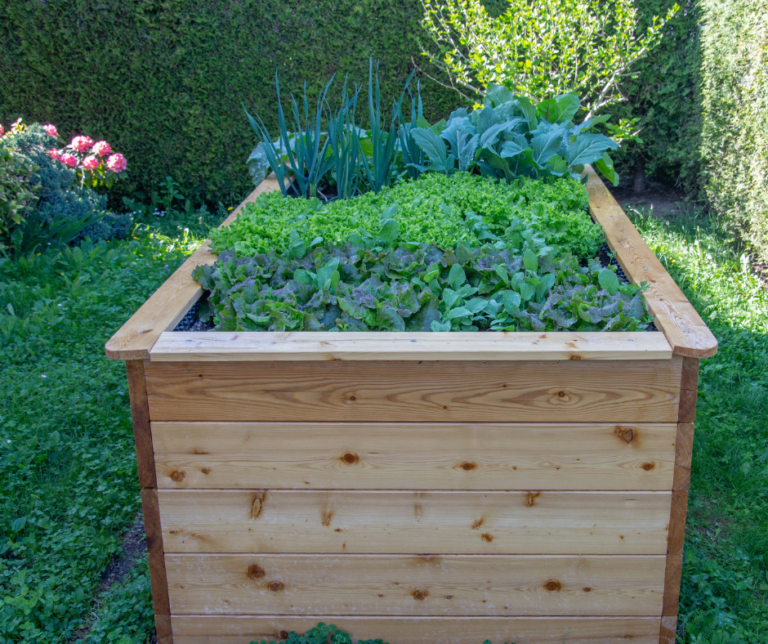
Lettuce and calendula thrive together in the garden. Calendula’s pest-repellent properties protect lettuce from aphids and slugs, ensuring a healthier crop.
The shade provided by calendula’s foliage also helps keep lettuce cool during hot summer months, preventing bolting and extending the harvest period.
Beans
Beans and calendula create a mutually beneficial relationship. Calendula attracts pollinators that help with bean production, while beans fix nitrogen in the soil, benefiting calendula’s growth. This dynamic duo promotes overall garden health and productivity.
How to Incorporate Calendula in Your Garden
Incorporating calendula into your garden is easy and rewarding. Here are some practical tips to get you started:
Planting
Choose a sunny spot in your garden with well-drained soil. Calendula can be grown from seeds or transplants.
Sow seeds directly in the garden after the last frost, or start them indoors 6-8 weeks before the last frost date.
Space the plants about 12 inches apart to allow for adequate airflow and growth.
Growing Calendula in Containers: Essential Tips for Success
Care
Calendula is a low-maintenance plant that requires minimal care. Water regularly, keeping the soil evenly moist but not waterlogged.
Deadhead spent flowers to encourage continuous blooming. Mulch around the plants to retain moisture and suppress weeds.
Harvesting
Calendula flowers can be harvested for various uses, including medicinal and culinary purposes. Pick the flowers when they are fully open and vibrant in color.
Dry them in a well-ventilated area away from direct sunlight. Store the dried flowers in an airtight container for future use.
Top Tips for Harvesting and Drying Calendula Flowers
Case Studies
Real-life examples demonstrate the success of companion planting with calendula. In Sarah’s organic vegetable garden, calendula significantly reduced aphid infestations on her tomatoes, resulting in healthier plants and higher yields.
Similarly, Mark’s pollinator-friendly garden saw an increase in beneficial insects, thanks to the addition of calendula, leading to better pollination and fruit set.
Calendula is a valuable asset in any garden. Its numerous benefits, from pest control to soil health improvement, make it an ideal companion plant.
By incorporating calendula into your garden, you can create a more sustainable, productive, and beautiful space. Don’t wait! Start your companion planting journey with calendula today and experience the difference it can make.
By integrating calendula into your gardening practices, you can enjoy a more vibrant and productive garden. Whether you’re an experienced gardener or just starting, companion planting with calendula offers a simple yet effective way to enhance your garden’s health and beauty. Happy gardening!
Visit the Garden Resources page for supplies and inspiration. Don’t forget to subscribe to the Calendula’s Garden Newsletter for more gardening tips.
Calendula’s Garden is reader supported. When you buy through links on our site, we may earn an affiliate commission. As an Amazon Associate, I earn from qualifying purchases. For more information, view our Disclaimer page. Thank you!