Creating a Pest Free Garden with Tansy
Calendula's Garden is reader suported This post may contain affiliate links, more on our Disclaimer page. Thank you!
Tansy (Tanacetum vulgare) is a perennial herb with a rich history and diverse uses.
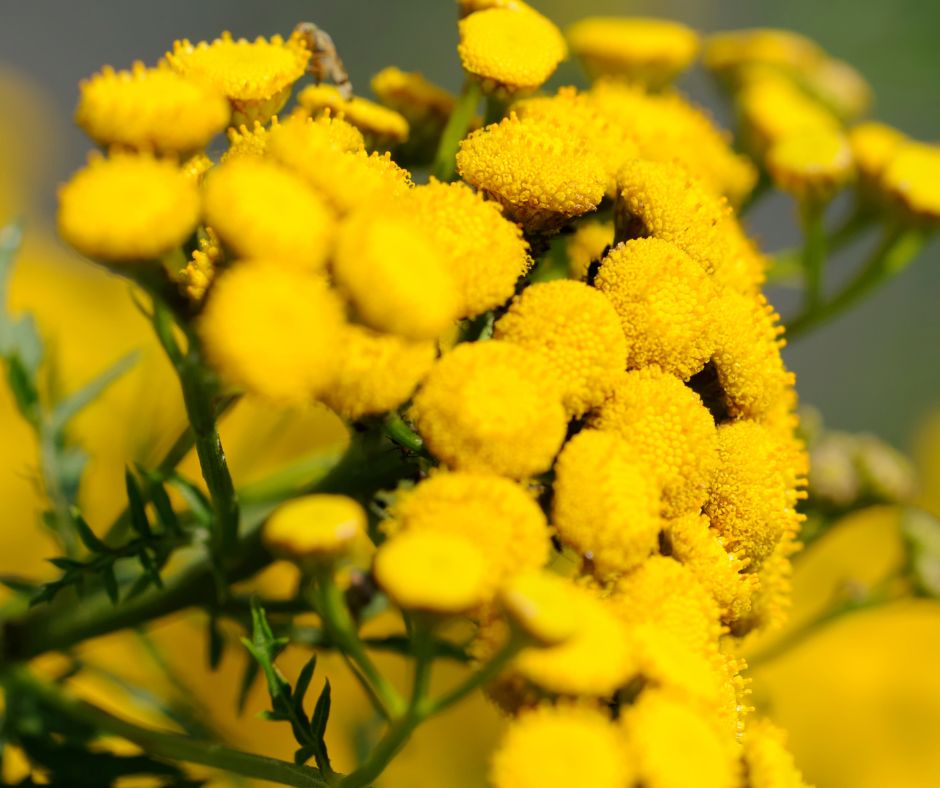
Distinguishable by its fern-like foliage and vibrant yellow button-like flowers, tansy adds a striking visual interest to any garden. Historically, tansy was used for culinary, medicinal, and even pest-repelling purposes.

Growing Tansy in the Garden
Where to find seeds, plants, and supplies:
Ideal Soil and Sunlight Conditions
Tansy thrives in well-draining soil and full sun exposure. It can tolerate a wide range of soil types but prefers slightly acidic to neutral pH levels.
Ensure your garden spot receives at least six hours of direct sunlight daily for optimal growth.
Planting and Spacing Guidelines
Sow tansy seeds directly in the garden after the last frost or start them indoors and transplant seedlings when they have a few true leaves.
Space the plants about 18 to 24 inches apart to allow room for growth and air circulation.
Watering and Maintenance
While tansy is relatively drought-tolerant once established, provide regular watering during dry spells.
Avoid overwatering, as Tansy does not like soggy soil. Remove spent flowers to encourage continuous blooming and prune back the plant in late fall to prepare for winter.
Companion Planting Suggestions
Tansy makes an excellent companion plant in the garden. Its strong scent can help repel pests, benefiting nearby crops.
Plant tansy near crops like carrots, cucumbers, and squash to reduce insect infestations and support healthier plants.
Also, consider planting tansy near roses, raspberries, and potatoes to deter Japanese beetles and other insect pests. Tansy also complements other herbs like lavender, rosemary, and sage.
How Tansy Spreads and Precautions to Prevent It From Taking Over
Tansy has a vigorous growth habit and can spread rapidly in the garden through both seeds and root systems.
The plant produces large quantities of seeds that can be easily dispersed by wind or water, allowing it to establish itself in new areas.
Additionally, tansy can spread via rhizomes, or underground stems, which can create new shoots some distance from the parent plant.
To prevent tansy from overtaking your garden, take the following precautions:
Containment: Use barriers such as raised beds or containers to restrict its growth and minimize rhizome spread. This will help keep the plant in check and prevent it from encroaching on other garden areas.
Regular Monitoring: Routinely inspect your garden for any unwanted tansy growth. Promptly remove any seedlings or young plants to keep their spread under control.
Pruning: Regularly prune back tansy plants to prevent them from flowering and setting seeds. This not only limits their reproductive potential but also encourages bushier growth in the desired areas.
Mulching: Apply a thick layer of mulch around the base of the plants to suppress any potential seedlings and reduce competition from weeds.
By implementing these strategies, you can enjoy the benefits of tansy in your garden without allowing it to become invasive.
Growing Tansy in Containers
Choosing the Right Pot and Soil Mix
Select a container with adequate drainage holes and a diameter of at least 12 inches to accommodate tansy’s root system.
Use a high-quality, well-draining potting mix specifically formulated for herbs, or create your own mix by combining equal parts potting soil, perlite, and compost.
Potting and Spacing
Fill the container with the potting mix, leaving about an inch of space from the top. Gently remove the tansy seedling from its nursery pot and place it in the center of the container.
If planting multiple seedlings, space them about 6 inches apart. Firmly press the soil around the base of the plant.
Watering and Care Tips
Water your container tansy regularly, ensuring the soil remains consistently moist but not waterlogged.
Place the container in a sunny location, such as a balcony, patio, or windowsill, where it receives at least six hours of direct sunlight daily.
Fertilize monthly with a balanced, water-soluble fertilizer to support healthy growth.
Uses of Tansy Around the House and in the Garden
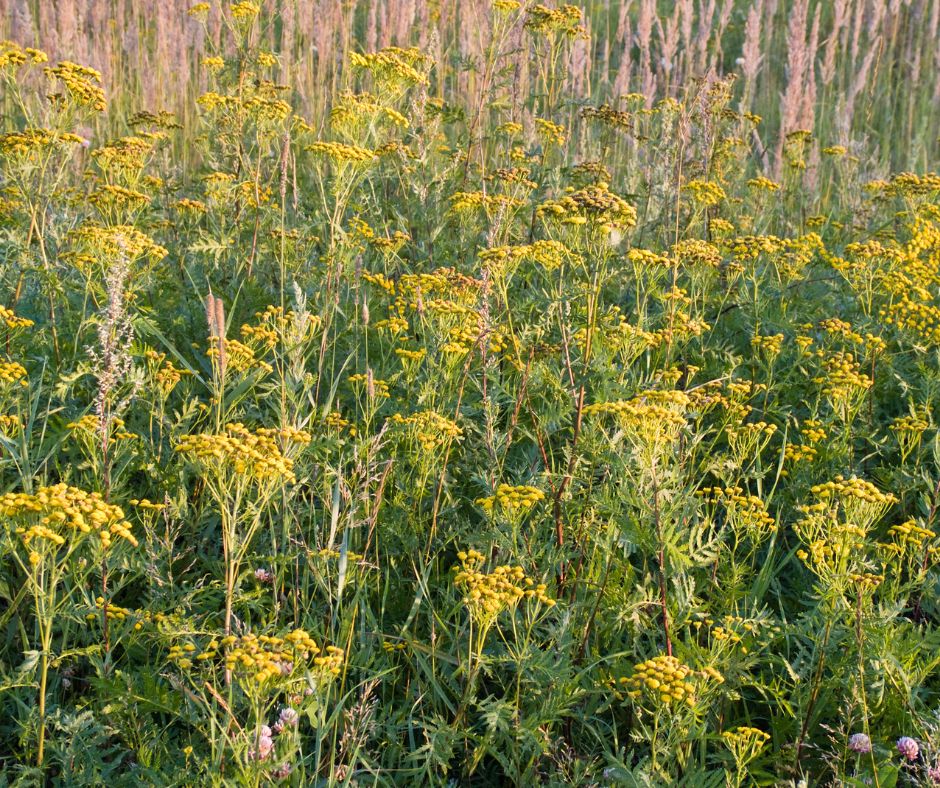
Tansy is a versatile herb that can be put to use in many ways both around the house and in the garden.
Natural Pest Repellent
One of the most popular uses for tansy is as a natural pest repellent. Its strong, aromatic scent deters a wide range of insects, including ants, fleas, and flies.
Place dried tansy leaves or flowers in sachets near windows, doorways, or in cupboards to keep these pests at bay.
Additionally, tansy can be steeped in water to make a natural insect repellent spray for home use.
Find 25 Mosquito Repellent Plants for a Bug-Free Haven
Organic Fertilizer and Compost Enhancer
In the garden, tansy can be a valuable addition to compost heaps. Its high potassium content can help enrich compost, promoting healthy plant growth when the compost is subsequently used in the garden.
Chop up tansy leaves and flowers and add them to your compost pile to boost its nutrient content.
Decorative Uses
With its vibrant yellow button-like blooms, tansy can also serve as a decorative element. Use fresh or dried tansy flowers in floral arrangements to add a pop of color and texture.
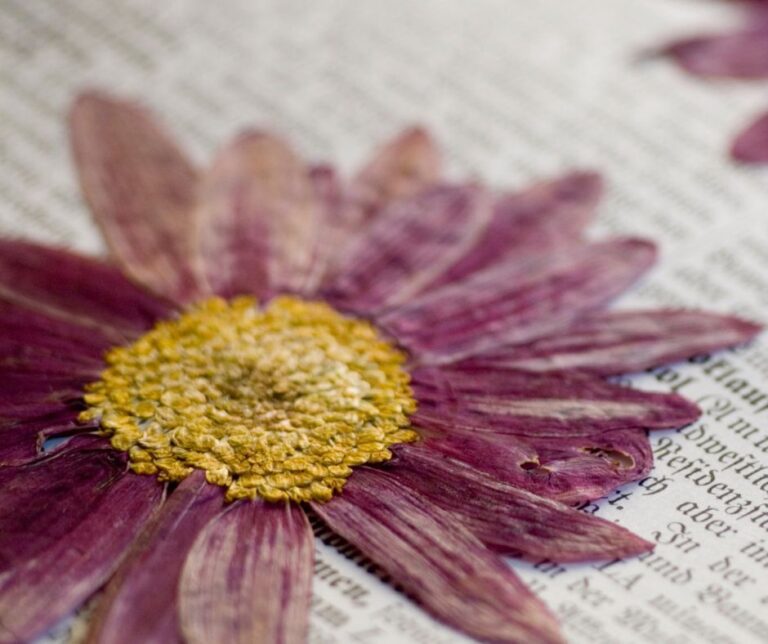
Tansy’s flowers retain their form and color well when dried, making them ideal for long-lasting crafts.
Medicinal and Aromatic Applications
While historical medicinal uses of tansy are well-documented, modern applications should be approached with caution due to its potential toxicity.
However, tansy’s aromatic qualities make it suitable for use in potpourri mixes, providing a pleasant fragrance to indoor spaces.
Create Cozy Autumn Vibes with Homemade Potpourri
This use blends functionality with fragrance, enhancing the ambiance of your home.
More about Tansy Tanacetum vulgare
Attract Pollinators with Tansy
Tansy is not only a beneficial herb for pest control but also serves as an excellent attractant for pollinators.
To use tansy effectively for this purpose, plant it in sunny locations within your garden, ideally in groups, as clustered flowers are more enticing to these creatures.
The bright yellow button-like blooms of tansy are particularly attractive to a variety of pollinators due to their vibrant colour and sweet nectar.
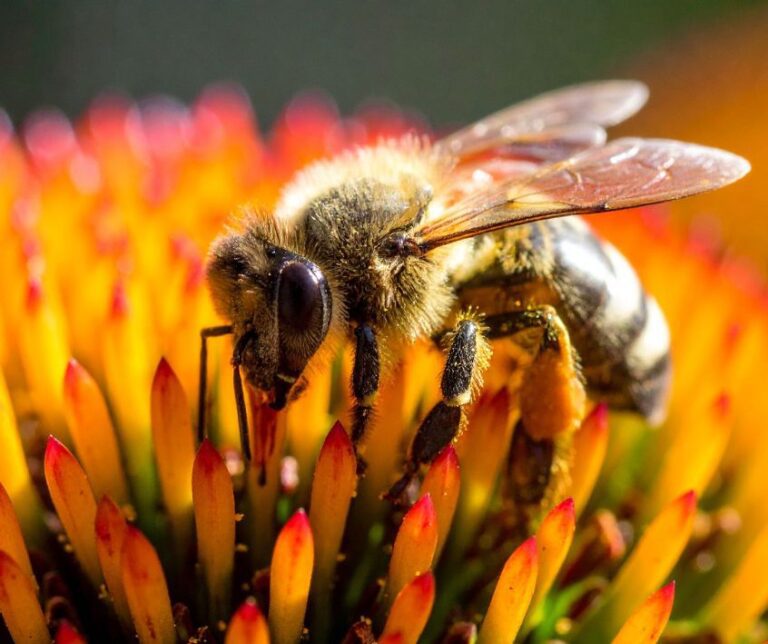
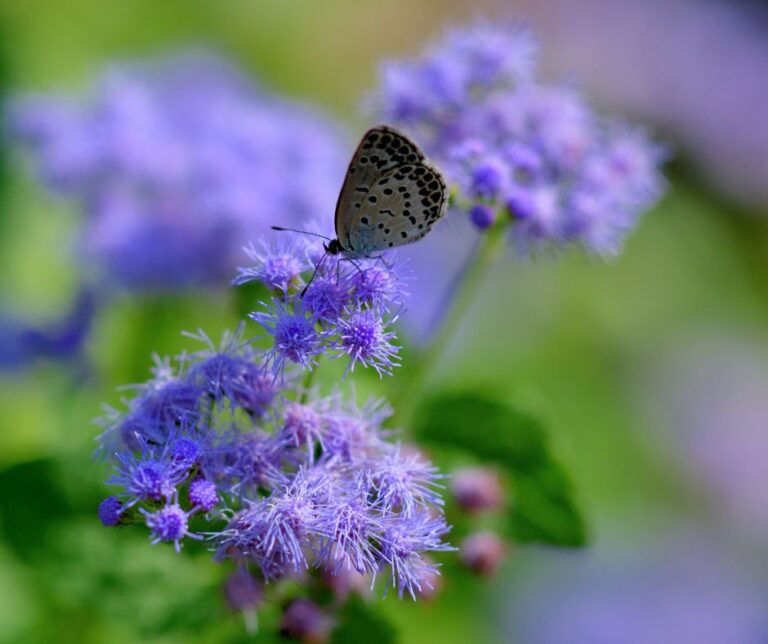
Pollinators such as bees, butterflies, and hoverflies are naturally drawn to the dense clusters of flowers. Bees, in particular, are known for their love of tansy because they can easily access the nectar from multiple flowers in one visit.
Sioux Honey: Bee-Friendly Gardening
Additionally, the pollen produced by tansy is a valuable food source for many species.
By incorporating tansy into your garden, you can create a thriving ecosystem that supports these important insects, promoting not only the health of your tansy plants but also your overall garden’s biodiversity.
Growing tansy in your garden or containers is a rewarding experience that offers both aesthetic and practical benefits. By providing the right growing conditions, companion plants, and care, you can enjoy the beauty and potential wellness benefits of this versatile herb.
We encourage you to try incorporating tansy into your garden or herb collection. Share your experiences, tips, and photos with fellow gardeners and herb enthusiasts in the comments section below.
Happy gardening!
Visit the Garden Resources page for supplies and inspiration. Don’t forget to subscribe to the Calendula’s Garden Newsletter for more gardening tips.
Calendula’s Garden is reader supported. When you buy through links on our site, we may earn an affiliate commission. As an Amazon Associate, I earn from qualifying purchases. For more information, view our Disclaimer page. Thank you!