The Many Benefits of Companion Gardening: What You Need to Know
Calendula's Garden is reader suported This post may contain affiliate links, more on our Disclaimer page. Thank you!
Companion plant gardening is a great way to improve your garden while also providing many benefits for your plants and flowers.
By companion planting, you can naturally control pests and diseases while also enjoying the beautiful blooms of companion flowers.
In this guide, we will discuss the basics of companion gardening, as well as provide some tips on how you can get started.
What is companion gardening, and what are the benefits

Companion gardening is a time-honored agricultural practice in which different plant species are cultivated in close proximity to each other with the intent of enhancing growth, protecting from pests, and maximizing the use of space.
This method leverages the natural affinities and relationships between various plants to create a harmonious garden ecosystem. The benefits of companion gardening are multifaceted.
It can lead to improved plant health and vigor, natural pest management through the deterrence of harmful insects and the attraction of beneficial ones, and better pollination.
Moreover, it promotes biodiversity, which helps create a more resilient garden environment. Companion gardening can also increase the efficiency of space usage, as taller plants provide shelter and support to those who need protection from the sun and wind or need physical support.
Additionally, some plant pairings can even enhance the flavor of their garden companions, promising a more palatable harvest.
When companion planting, it is important to select plants that have compatible needs in terms of water, light, and nutrients. In addition, carefully consider the mature size of each plant to ensure that they do not overcrowd one another.
For example, companion planting might involve pairing tall plants with shorter ones to provide shade or placing plants that attract pollinators next to those that need pollination.
As a result, companion gardening can be a great way to improve the health and yield of your garden. With a little planning, companion gardening can be an enjoyable and rewarding way to garden.
Companion Planting Resources to Get Started
Book – Carrots Love Tomatoes by Louise Riotte
Seeds – Botanical Interests
More Seeds – Territorial Seed Company
Garden Soil and Tools – Tractor Supply
Plants – Nature Hills Nursery
How to set up your companion garden
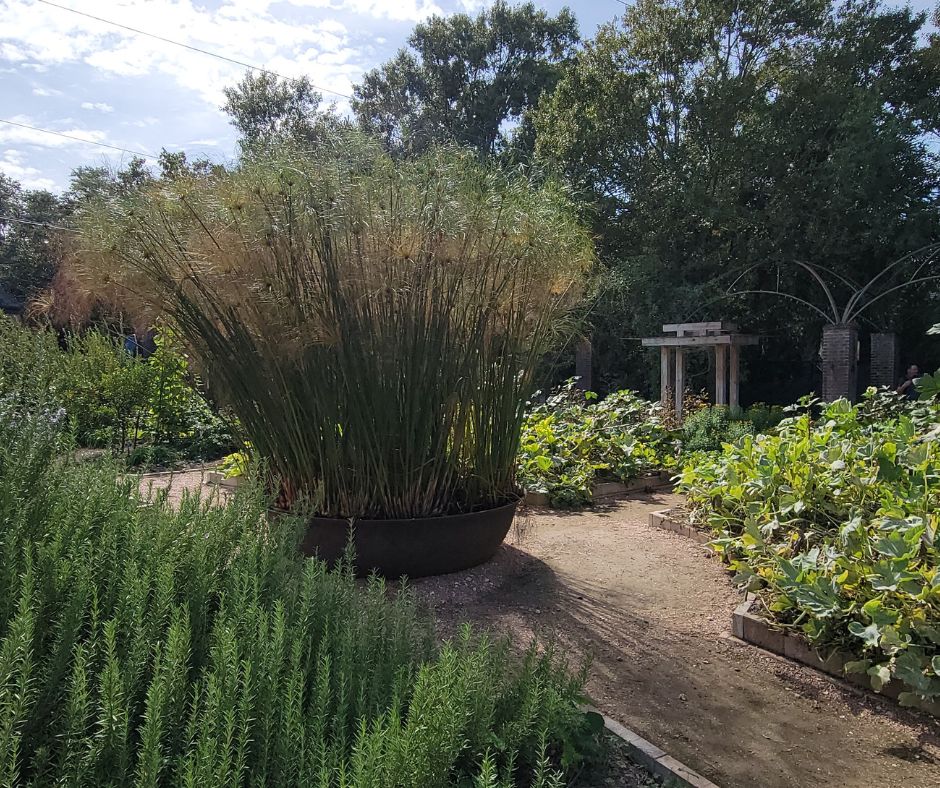
A companion garden is a great way to maximize the space in your yard while also providing a home for a variety of different plants. Companion planting is a method of growing different types of plants close together in order to take advantage of their complementary needs.
When setting up your companion garden, it is important to choose a variety of plants that will thrive in the same general area.
Once you have selected your plants, be sure to plant them in large clusters rather than rows in order to allow each plant enough space to grow. With a little planning, you can create a companion garden that is both beautiful and functional.
Article – What You Need To Know About Growing Lettuce In A Backyard Garden
Remember to water regularly to allow your plants to get established. Plants grown close together initially need to be watered more frequently than if they were growing alone since they are competing for resources. Water the plants in the morning so that the leaves have time to dry before nightfall.
A Few examples of plants that work well together
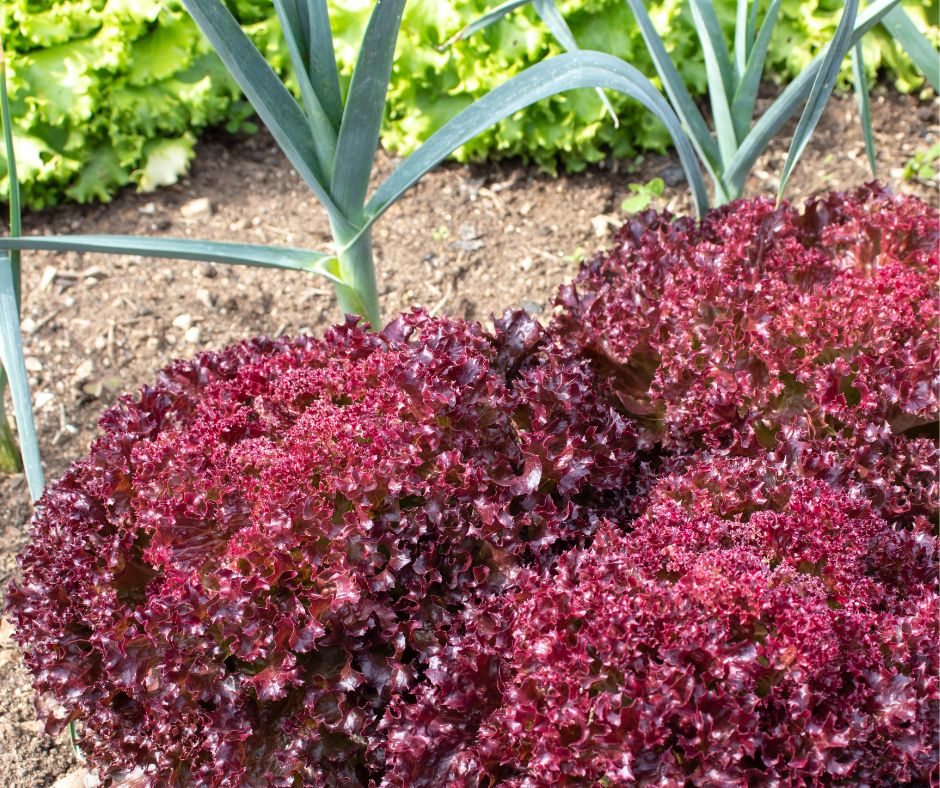
One of the keys to a successful garden is companion planting, or the art of choosing the right plants to grow together. Certain plants can provide support or shade for each other, help to repel pests, or improve soil quality.
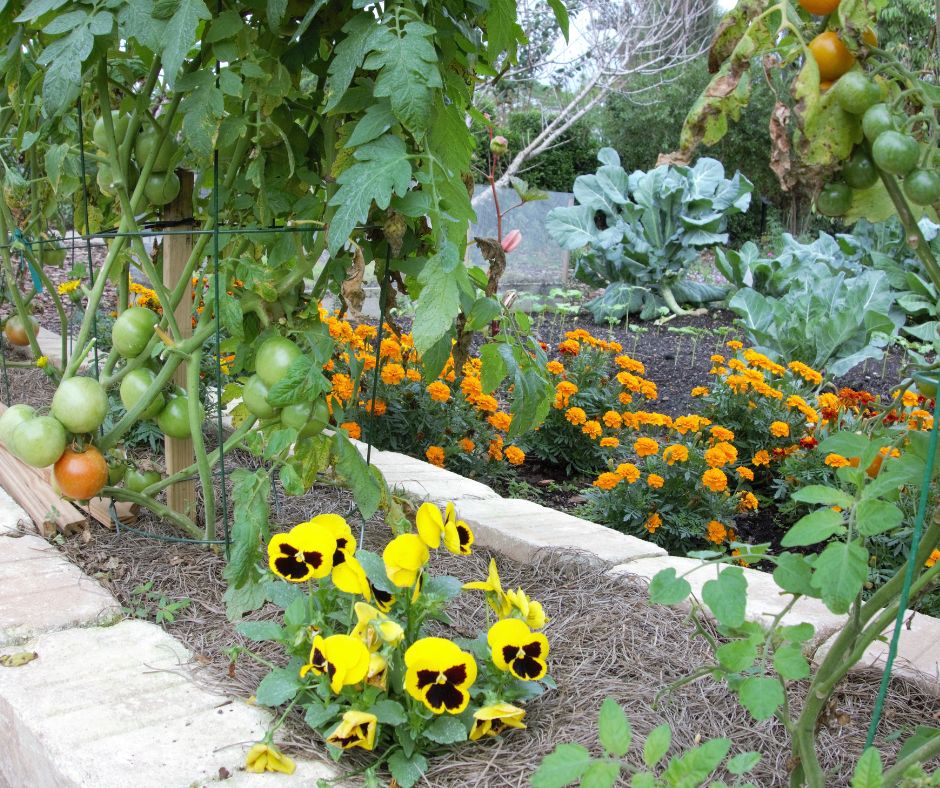
For example, tall sunflowers make an excellent companion for pole beans, providing them with a natural trellis as they climb. Tomatoes and basil are another classic combination; not only do they taste great together, but basil also helps to deter pests from attacking tomatoes.
7 Inspiring Edible Landscaping Books for Gardeners
The three sisters’ companion planting method pairs corn, beans, and squash together. The corn provides a structure for the beans to climb, the beans add nitrogen to the soil, and the squash helps to keep the weeds down and retain soil moisture by shading the soil.
This method of companion planting was traditionally used by Native Americans and is still used today by many farmers and gardeners. Companion planting is a great way to make use of space in your garden and to ensure that your plants are getting the nutrients they need.
Carrots love herbs such as rosemary sage to help repel carrot flies. Include carrots with generous sowing of lettuce and peas for your mutually beneficial early spring garden. Carrots actually secrete a compound beneficial to peas, and peas produce nitrogen beneficial to all of their companions. As the weather warms, try interplanting tomatoes with your carrots.
By carefully selecting companion plants, you can create a thriving ecosystem in which each plant supports the others.
A list of 10 common companion gardening plant pairings
- Tomatoes and Basil – The strong scent of basil is said to repel pests while enhancing the flavor of the tomatoes.
- Carrots and Chives – Chives help to deter carrot flies, which can ruin a carrot crop.
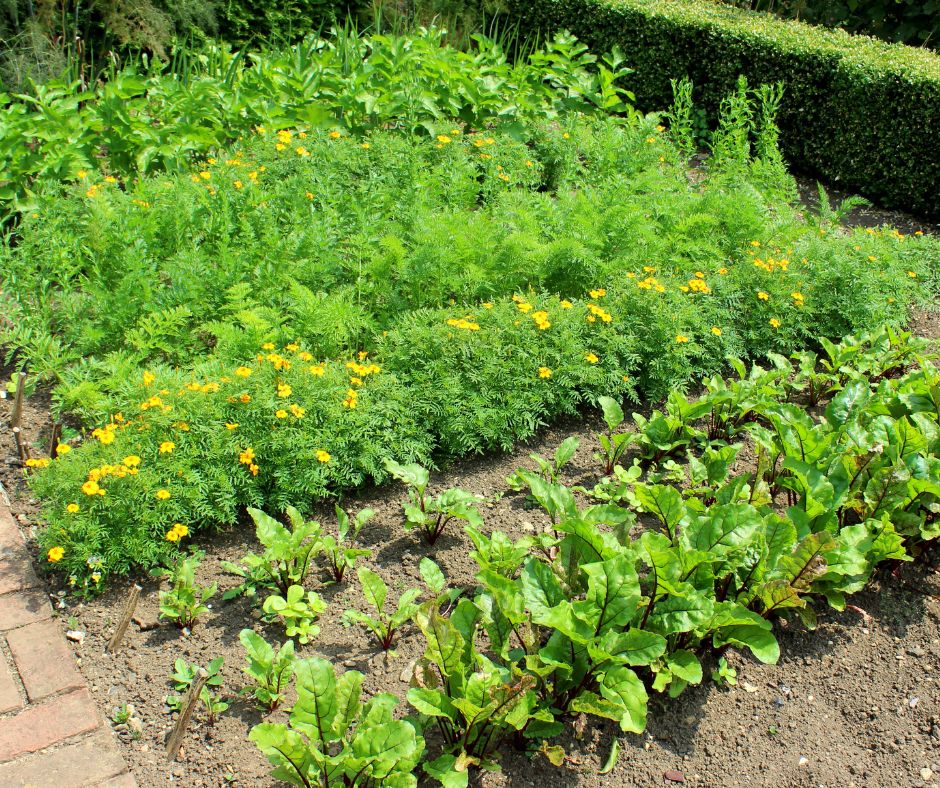
- Lettuce and Marigolds – Marigolds are known to repel pests that target lettuce, providing a natural form of pest control.
- Cucumbers and Nasturtiums – Nasturtiums can attract pollinators while repelling cucumber beetles.
- Peppers and Petunias – Petunias repel aphids and other pests that might take an interest in peppers.
- Beans and Corn – Beans fix nitrogen in the soil, which nourishes the corn, while cornstalks provide a natural trellis for the beans.
- Spinach and Strawberries – Spinach helps to nourish the soil for strawberries, and their low-lying leaves can help retain moisture for the strawberry plants.
- Radishes and Cucumbers – Planting radishes near cucumbers can deter cucumber beetles, and they mature quickly, leaving more space for cucumbers later.
- Onions and Carrots – Onions can repel carrot flies and other insects, protecting the carrots.
- Garlic and Roses – Garlic planted near roses can help to repel pests, like aphids, that commonly affect rose plants.
Companion planting for natural pest control
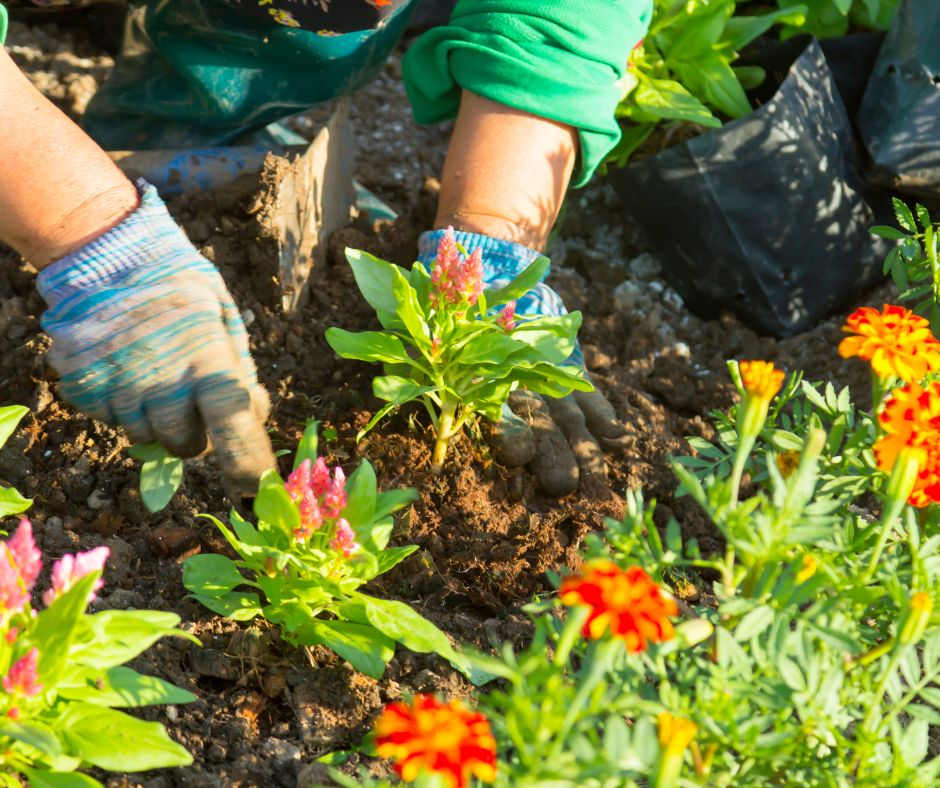
Any gardener knows that pests can be a major problem, wreaking havoc on crops and causing extensive damage. While there are many chemical solutions available, these can be harmful to both the environment and human health. A more natural approach is to use companion planting.
This involves strategically placing certain plants next to each other in order to discourage pests. For example, marigolds release a natural chemical that repels many common garden pests, including nematodes.
Meanwhile, nasturtiums attract aphids away from other plants, making them an ideal companion for tender plants.
Similarly, basil emits a scent that confuses and deters flying insects, making it a perfect companion for tomatoes. By using companion planting, gardeners can effectively control pests without resorting to harmful chemicals.
Crop rotation and companion planting are two effective natural pest control methods that have been used for centuries. Crop rotation involves growing different crops in a particular order so that the same crop is not planted in the same location year after year. This helps to break the life cycle of pests and diseases that might otherwise build up to damaging levels.
The Best Natural Pest Control Solutions
Flowers that make beautiful companion plants

As any gardener knows, flowers can brighten up any space. But did you know that some flowers can also act as natural pest control? Here are five of the best flowers to choose from if you’re looking for beautiful companion plants that will help keep your garden free of pests:
Marigolds are known for their ability to deter a wide range of pests, including nematodes, rabbits, and even goats. They also release a natural insecticide that can help protect other plants from damage.
Edible Flowers: A Feast For The Eyes And The Palate
Lavender is another great option for natural pest control. It’s effective against moths, fleas, and flies, and its fragrant scent will make your garden smell amazing.
Chrysanthemums are another good choice for natural pest control. They contain a natural insecticide called pyrethrin, which is effective against a wide range of insects. Chrysanthemums also make great companion plants for roses, as they can help deter aphids and other pests.
Rosemary is an herb that not only smells wonderful but it’s also effective against a variety of pests, including mosquitoes, beetles, and moths. Rosemary is also a great companion plant for vegetables, as it can help deter cabbage caterpillars.
Sage is an herb that has a wide range of uses, both in the kitchen and in the garden. It’s effective against a number of pests, including cabbage white butterflies, carrot flies, and flea beetles. Sage is also a great companion plant for tomatoes, as it can help to deter aphids.
Additional tips for companion gardening
- Use mulch to suppress weeds and maintain soil moisture levels.
- Plant taller crops next to shorter crops to provide natural shade and wind protection.
- Interplanting can also help to attract beneficial insects, which can provide natural pest control.
- Be sure to water deeply and regularly, especially during hot, dry periods.
- Apply organic fertilizers to the soil before planting and throughout the growing season.
- Finally, harvest regularly to encourage continuous new growth.
By following these tips, you can create a thriving companion garden that provides natural pest control, attracts beneficial insects, and produces an abundance of fresh fruits and vegetables.
Final thoughts on companion gardening

Companion gardening is a great way to control pests naturally. By planting certain plants together, you can effectively repel pests without the use of harmful chemicals. For example, basil is known to repel houseflies and mosquitoes, making it a great companion for plants that are susceptible to these pests.
Similarly, garlic is effective against aphids, mites, and other destructive insects. When planted near prized flowers and vegetables, garlic can help to keep them healthy and free from harm. In addition to pest control, companion gardening can also improve the overall health of your plants.
By planting compatible species together, you can encourage faster growth and healthier plant development. So whether you’re looking for natural pest control or simply want to improve your garden’s health, companion gardening is a great option to consider.
Visit the Garden Resources page for supplies and inspiration. Don’t forget to subscribe to the Calendula’s Garden Newsletter for more gardening tips.
Calendula’s Garden is reader supported. When you buy through links on our site, we may earn an affiliate commission. As an Amazon Associate, I earn from qualifying purchases. For more information, view our Disclaimer page. Thank you!