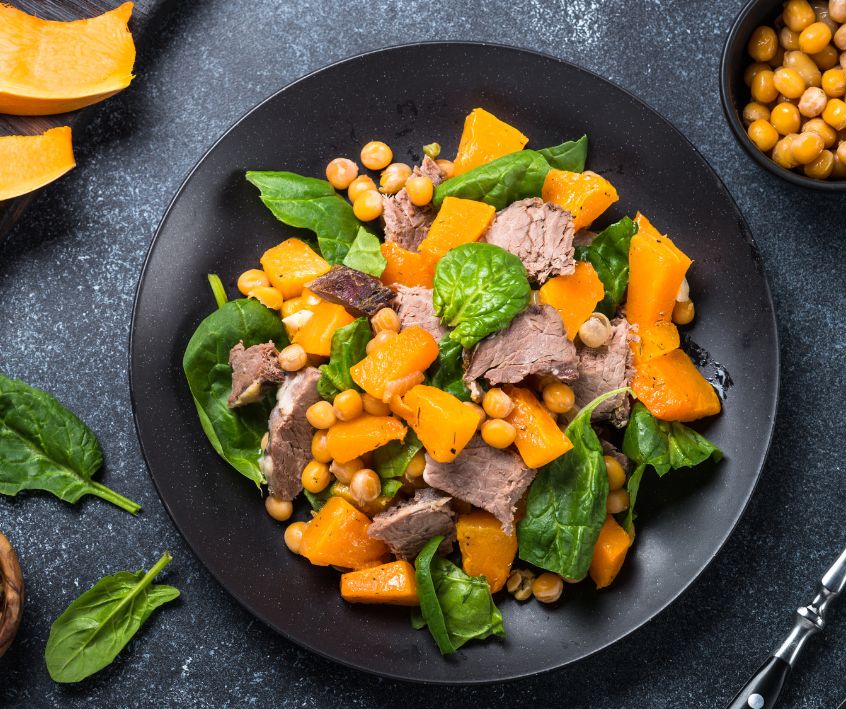
The Best Warm Salad Recipes for Winter with Protein Packed Ingredients
Calendula's Garden is reader suported This post may contain affiliate links, more on our Disclaimer page. Thank you!
When the temperature drops and frost covers the ground, the idea of eating a cold, crisp salad often loses its appeal. We naturally crave meals that are comforting, warming, and substantial.
While soups and stews are the traditional go-to options for winter sustenance, they aren’t the only way to enjoy a cozy, nutrient-dense meal. Enter the warm salad: the unsung hero of winter dining.
Warm salads bridge the gap between fresh produce and comfort food. They allow you to utilize the hardy vegetables growing in your winter garden while incorporating substantial proteins that keep you full for hours.
By gently wilting greens with warm dressings or tossing roasted vegetables with grains, you create a meal that feels indulgent yet remains incredibly healthy.
This approach to salad making is also a fantastic opportunity to raid your pantry for those jars of preserved fruits and vegetables you canned in the autumn, or to harvest fresh sprouts and microgreens from your indoor windowsill garden.
The combination of cooked and raw elements, paired with hearty proteins like chicken, lentils, quinoa, or tofu, transforms a simple side dish into a main event. Here is everything you need to know to master the art of the warm winter salad, along with four protein-packed recipes to get you started.
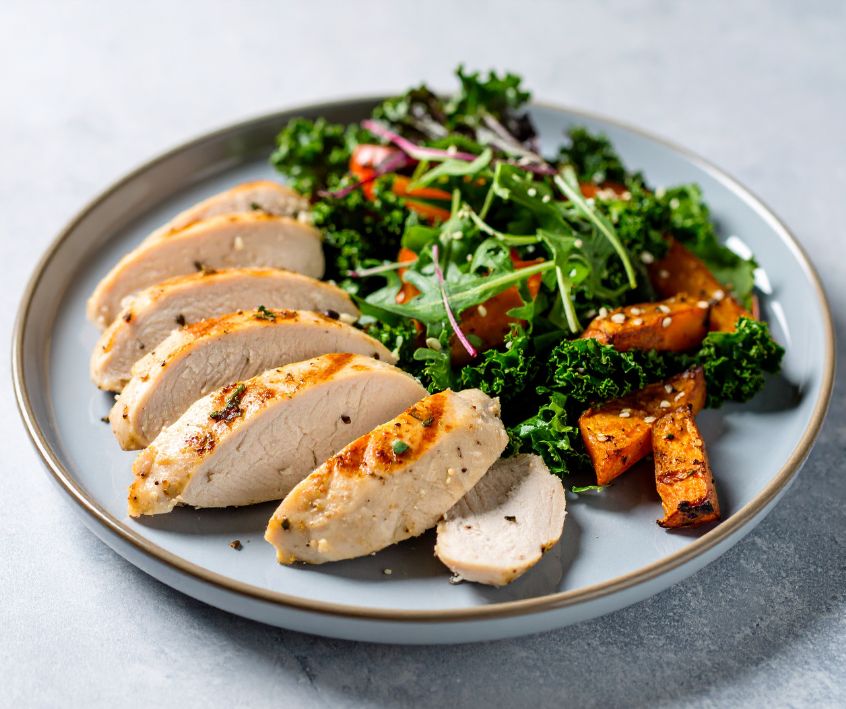
Why Warm Salads are Perfect for Winter
There is a distinct psychological shift that happens when we move from summer to winter eating. In July, a cold cucumber salad is refreshing. In January, it can feel jarring and unsatisfying.
Our bodies burn more energy trying to stay warm, leading to cravings for denser, hotter foods. Warm salads cater to this biological nudge without weighing you down with heavy creams or excessive carbohydrates often found in winter casseroles.
The magic lies in the temperature contrast. A warm salad typically involves a heated component, be it roasted root vegetables, sizzling protein, or a hot vinaigrette, tossed with cooler, crisp elements.
This technique gently softens fibrous winter greens like kale or chard, making them easier to digest and more pleasant to eat, while retaining their nutritional integrity.
Versatility is another major advantage. Unlike a soup, which often requires hours of simmering to develop flavor, a warm salad comes together quickly.
It is an ideal canvas for creativity, allowing you to mix textures and temperatures. You can combine the crunch of raw microgreens with the softness of roasted squash, or the chewiness of farro with the snap of blanched green beans. It transforms the act of eating salad from a dietary obligation into a comforting ritual.
Key Ingredients for Winter Warm Salads
Building a successful winter salad requires a shift in shopping and gardening habits. Instead of delicate lettuces that perish quickly, focus on robust ingredients that stand up to heat.
Winter Garden Vegetables
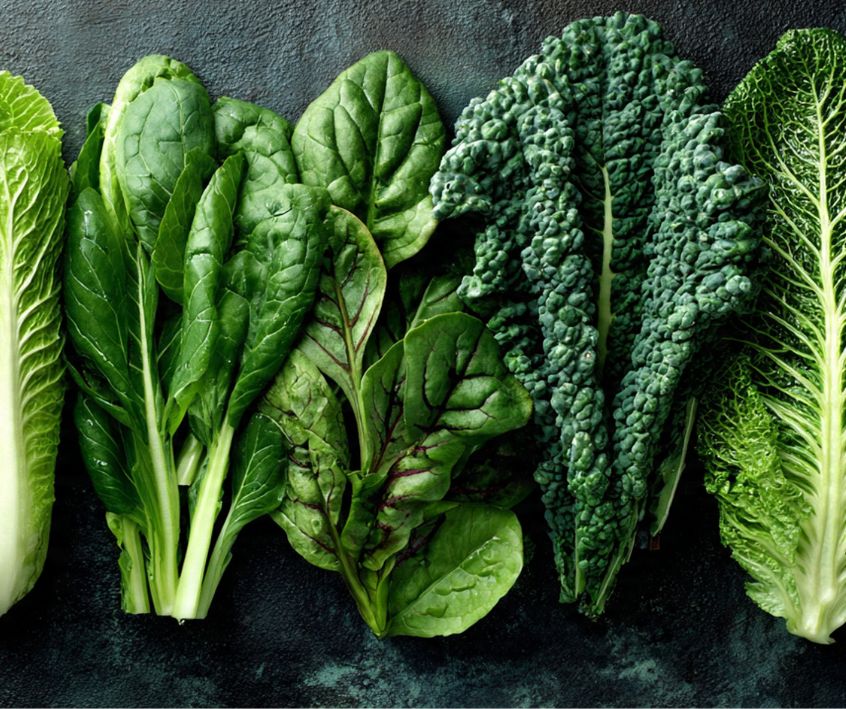
If you have a winter garden, you likely have access to some of the sweetest, most flavorful produce of the year. Frost actually improves the flavor of many brassicas and root vegetables by converting their starches into sugars.
- Kale and Spinach: These hearty greens are perfect bases because they don’t turn into mush when exposed to heat. They wilt slightly, becoming tender and silky.
- Carrots and Parsnips: When roasted, these root vegetables add a natural sweetness and a satisfying, starchy texture that mimics comfort food.
- Brussels Sprouts: Shredded raw or halved and roasted, sprouts add essential bulk and a nutty flavor profile that pairs beautifully with acidic dressings.
Where to find seeds, plants, and supplies:
Protein Sources
To take a salad from a side dish to a meal, protein is non-negotiable. It provides the fuel needed to power through cold days.
- Chicken: A versatile option that can be grilled, poached, or roasted. Warm, sliced chicken breast readily absorbs vinaigrettes.
- Lentils: These legumes are earthy, filling, and packed with fiber. They hold their shape well when warm and act as a sponge for flavor.
- Quinoa: As a complete protein containing all nine essential amino acids, quinoa adds a fluffy texture and a nutty taste.
- Tofu: When pan-seared or baked, tofu offers a crispy exterior and creamy interior, making it a fantastic plant-based anchor for any bowl.
Preserved Fruits and Veggies
Winter is the time to open the jars you carefully preserved during the abundance of harvest season. These ingredients provide concentrated bursts of flavor that fresh winter produce sometimes lacks.
- Sun-dried Tomatoes: They offer a deep, umami-rich punch that mimics the taste of summer.
- Pickled Beets: The acidity in pickled vegetables cuts through the richness of roasted meats and cheeses.
- Preserved Lemons: Salty and floral, preserved lemons add a complex brightness that fresh lemon juice simply cannot replicate.
Indoor Garden Produce
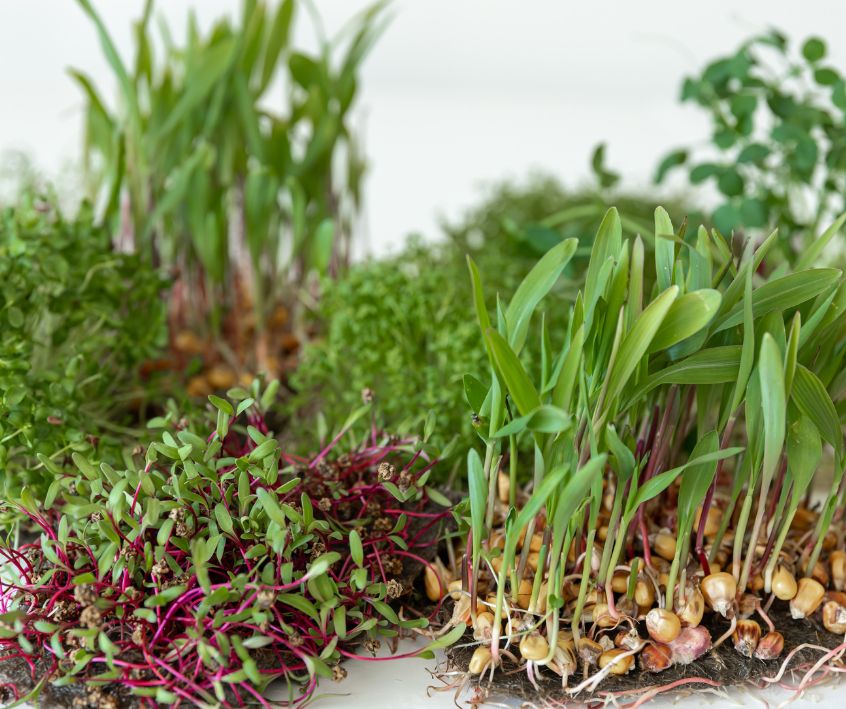
Just because there is snow on the ground doesn’t mean you can’t harvest fresh greens. Indoor gardening is a booming trend that adds vital nutrition to winter plates.
- Sprouts: Alfalfa, broccoli, or radish sprouts are easy to grow in a jar on your counter and add a potent enzymatic kick.
- Microgreens: These tiny seedlings are packed with more nutrients than their mature counterparts and add a delicate, fresh crunch as a garnish.
Recipe 1: Warm Chicken and Kale Salad with Preserved Lemon Vinaigrette
This salad is a study in contrasts. The hearty, fibrous kale is tamed by the warm chicken and the tangy dressing, while the preserved lemon adds a sophisticated, salty citrus note that brightens the entire dish. It’s an excellent way to use kale from your cold frame or winter garden.
Prep time: 15 minutes
Cook time: 20 minutes
Servings: 2
Ingredients
For the Salad:
- 2 large chicken breasts, boneless and skinless
- 1 tbsp olive oil
- Salt and black pepper to taste
- 1 large bunch of kale (curly or lacinato), stems removed and leaves chopped
- 1/4 cup toasted almonds, roughly chopped
- 1/4 cup parmesan cheese, shaved
For the Preserved Lemon Vinaigrette:
- 1/4 cup extra virgin olive oil
- 2 tbsp apple cider vinegar
- 1 tbsp preserved lemon rind, rinsed and finely minced
- 1 tsp honey or maple syrup
- 1 small garlic clove, grated
- Pinch of red pepper flakes
Directions
- Prepare the Chicken: Preheat your oven to 400°F (200°C). Rub the chicken breasts with 1 tablespoon of olive oil, salt, and pepper. Place on a baking sheet and roast for 18–20 minutes, or until the internal temperature reaches 165°F (74°C). Let it rest for 5 minutes before slicing.
- Massage the Kale: While the chicken cooks, place the chopped kale in a large mixing bowl. If the kale feels particularly tough, give it a quick massage with your hands for about 30 seconds to break down the fibers.
- Make the Vinaigrette: In a small saucepan over low heat, whisk together the extra virgin olive oil, apple cider vinegar, minced preserved lemon, honey, garlic, and red pepper flakes. Heat gently until just warm—do not let it boil.
- Assemble: Pour the warm vinaigrette over the kale and toss well. The heat from the dressing will slightly wilt the greens.
- Serve: Transfer the dressed kale to plates. Top with the warm sliced chicken, toasted almonds, and shaved parmesan. Serve immediately.
Recipe 2: Lentil and Roasted Carrot Salad with Sprouted Garnish
Earthy lentils meet sweet roasted carrots in this satisfying plant-based meal. The addition of fresh sprouts from your indoor garden adds a necessary crunch and a boost of “living” enzymes, making the dish feel vibrant and fresh despite the cooked ingredients.
Prep time: 15 minutes
Cook time: 30 minutes
Servings: 2-3
Ingredients
For the Salad:
- 1 cup dried green or brown lentils, rinsed
- 3 cups vegetable broth or water
- 1 lb carrots, peeled and sliced into batons (from the winter garden if possible)
- 2 tbsp olive oil
- 1 tsp ground cumin
- Salt and pepper to taste
- 1 cup fresh sprouts (alfalfa, broccoli, or radish)
- 1/4 cup fresh parsley, chopped
For the Dressing:
- 3 tbsp olive oil
- 1 tbsp Dijon mustard
- 1 tbsp lemon juice
- 1 tsp maple syrup
Directions
- Roast the Carrots: Preheat oven to 400°F (200°C). Toss the carrot batons with 2 tablespoons olive oil, cumin, salt, and pepper. Spread on a baking sheet and roast for 25–30 minutes, tossing halfway through, until tender and caramelized edges appear.
- Cook the Lentils: While carrots are roasting, combine lentils and broth in a pot. Bring to a boil, then reduce heat and simmer for 20–25 minutes until tender but not mushy. Drain any excess liquid.
- Prepare the Dressing: In a small jar, shake together the 3 tablespoons olive oil, Dijon mustard, lemon juice, and maple syrup until emulsified.
- Combine: Return the drained, hot lentils to the pot (off the heat). Add the roasted carrots and parsley. Pour the dressing over the mixture and toss gently to combine.
- Garnish: Plate the warm lentil mixture and top generously with a handful of fresh indoor garden sprouts just before serving to maintain their crisp texture.
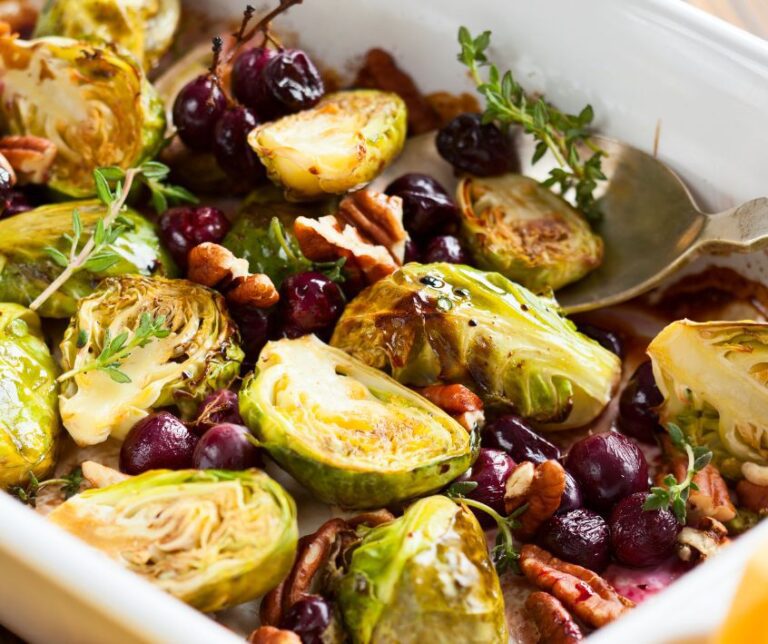
Recipe 3: Quinoa and Brussels Sprouts Salad with Balsamic Glaze
Brussels sprouts have a reputation for bitterness, but roasting them eliminates that issue entirely. In this recipe, their caramelized flavor pairs perfectly with nutty quinoa. The balsamic glaze ties everything together with a sweet and tangy finish.
Prep time: 15 minutes
Cook time: 25 minutes
Servings: 2
Ingredients
For the Salad:
- 1 lb Brussels sprouts, trimmed and halved
- 2 tbsp olive oil
- Salt and pepper
- 1 cup quinoa, rinsed
- 2 cups water or vegetable stock
- 1/2 cup dried cranberries (or chopped dried cherries)
- 1/3 cup pecans, toasted
For the Balsamic Glaze:
- 1/2 cup balsamic vinegar
- 1 tbsp honey (optional)
Directions
- Roast the Sprouts: Preheat oven to 400°F (200°C). Toss Brussels sprouts with olive oil, salt, and pepper. Spread on a baking sheet cut-side down. Roast for 20–25 minutes until the bottoms are deeply browned and crispy.
- Cook the Quinoa: Combine quinoa and water/stock in a saucepan. Bring to a boil, cover, reduce heat to low, and simmer for 15 minutes. Remove from heat and let sit, covered, for 5 minutes before fluffing with a fork.
- Make the Glaze: While vegetables roast, place balsamic vinegar in a small saucepan. Simmer over medium-low heat until reduced by half and thick enough to coat a spoon (about 10–12 minutes). Stir in honey if using.
- Assemble: In a large bowl, combine the hot quinoa, roasted Brussels sprouts, and dried cranberries.
- Finish: Drizzle the balsamic glaze over the mixture and toss lightly. Top with toasted pecans and serve warm.
Recipe 4: Warm Tofu and Spinach Salad with Sun-Dried Tomato Dressing
This recipe is a powerhouse of flavor, utilizing the intense savoriness of sun-dried tomatoes to dress mild tofu and spinach. It’s a hearty vegan option that proves plant-based eating in winter doesn’t have to be boring.
Prep time: 20 minutes
Cook time: 15 minutes
Servings: 2
Ingredients
For the Salad:
- 1 block (14 oz) extra-firm tofu, pressed and cubed
- 1 tbsp cornstarch
- 2 tbsp cooking oil (avocado or vegetable)
- 1 large bag fresh spinach (or winter garden spinach)
- 1/4 cup red onion, thinly sliced
- 1/4 cup microgreens (sunflower or pea shoots work well)
For the Sun-Dried Tomato Dressing:
- 1/3 cup oil-packed sun-dried tomatoes
- 2 tbsp oil from the sun-dried tomato jar
- 1 tbsp red wine vinegar
- 1 small garlic clove
- 1-2 tbsp water (to thin if needed)
Directions
- Crisp the Tofu: Toss the cubed tofu with cornstarch and a pinch of salt. Heat the cooking oil in a large skillet over medium-high heat. Add tofu in a single layer and cook until golden brown and crispy on all sides (about 8–10 minutes). Remove from pan and set aside on a paper towel.
- Make the Dressing: In a small blender or food processor, combine sun-dried tomatoes, the oil from the jar, red wine vinegar, and garlic. Blend until smooth. Add water one tablespoon at a time if the dressing is too thick; it should be pourable.
- Wilt the Spinach: In the same skillet used for tofu (wipe out excess oil if necessary), turn heat to low. Add the spinach and a splash of water. Toss for 1–2 minutes just until the leaves begin to bright green and slightly collapse.
- Assemble: Transfer the warm, slightly wilted spinach to a bowl. Top with the crispy tofu and red onion slices.
- Dress: Drizzle the intense sun-dried tomato dressing over the top. Garnish with a generous pinch of fresh microgreens for a nutritional boost.
Tips for Making the Perfect Warm Salad
Creating a warm salad isn’t quite as simple as heating up your lettuce. It requires a bit of finesse to ensure the textures remain appealing rather than soggy.
Balance is Key: Since warm ingredients tend to be softer (roasted squash, cooked lentils), you must intentionally add crunch. Nuts, seeds, raw shaved vegetables, or fresh microgreens are essential for texture. Without them, the meal can feel “mushy.”
Don’t Overcook the Greens: When applying heat to leafy greens like spinach or chard, less is more. You usually don’t need to “cook” them. Often, simply tossing raw greens with hot roasted vegetables or a heated dressing is enough to achieve that perfect, silky texture without them losing their structural integrity.
Dress it Hot: One of the best tricks for a warm salad is heating the dressing itself. A warm vinaigrette permeates ingredients more effectively than a cold one. Just be careful with creamy, dairy-based dressings, which might separate if heated too aggressively.
Customize Freely: These recipes are templates. If you don’t have kale, use Swiss chard. If you prefer farro over quinoa, make the swap. The goal is to use what is available in your pantry and garden to create a bowl that comforts you.
Nutritional Benefits of Warm Winter Salads
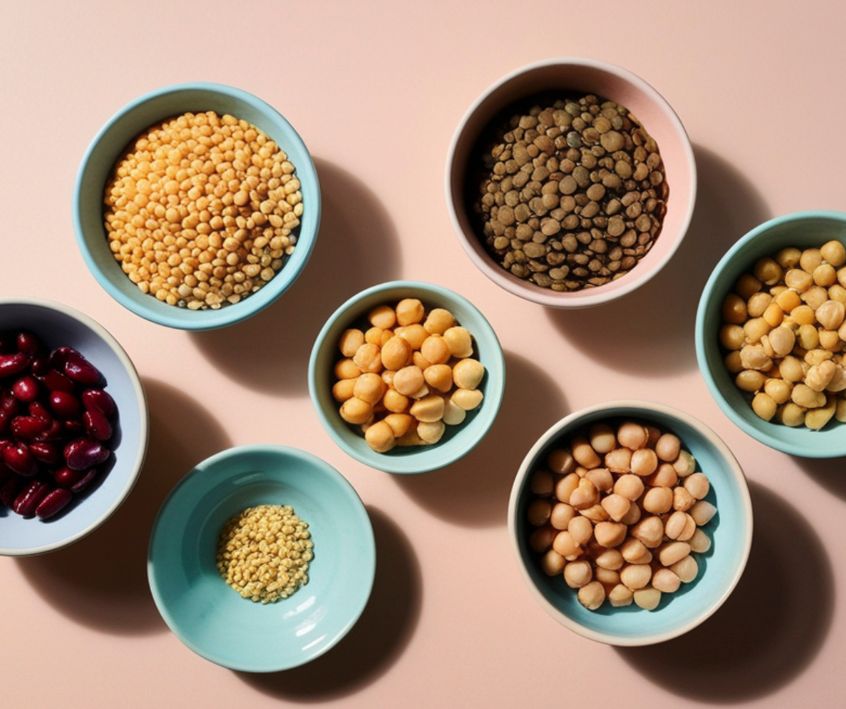
Beyond the comfort factor, these salads are nutritional powerhouses designed to support your immune system during flu season.
Ingredients like kale, spinach, and Brussels sprouts are loaded with Vitamins A, C, and K. Vitamin C is particularly crucial in winter for immune support.
By lightly warming these vegetables, you actually make some nutrients, like beta-carotene in carrots and spinach, more bioavailable (easier for your body to absorb) compared to eating them raw.
Furthermore, the inclusion of quality proteins like lentils and quinoa provides the amino acids necessary for tissue repair and energy maintenance. The healthy fats found in olive oil, nuts, and avocados help your body absorb fat-soluble vitamins.
Finally, adding fermented or sprouted foods, like the preserved lemons or fresh sprouts, introduces beneficial enzymes and probiotics that support gut health, which is closely linked to overall immunity.
Bring Comfort to Your Kitchen This Winter
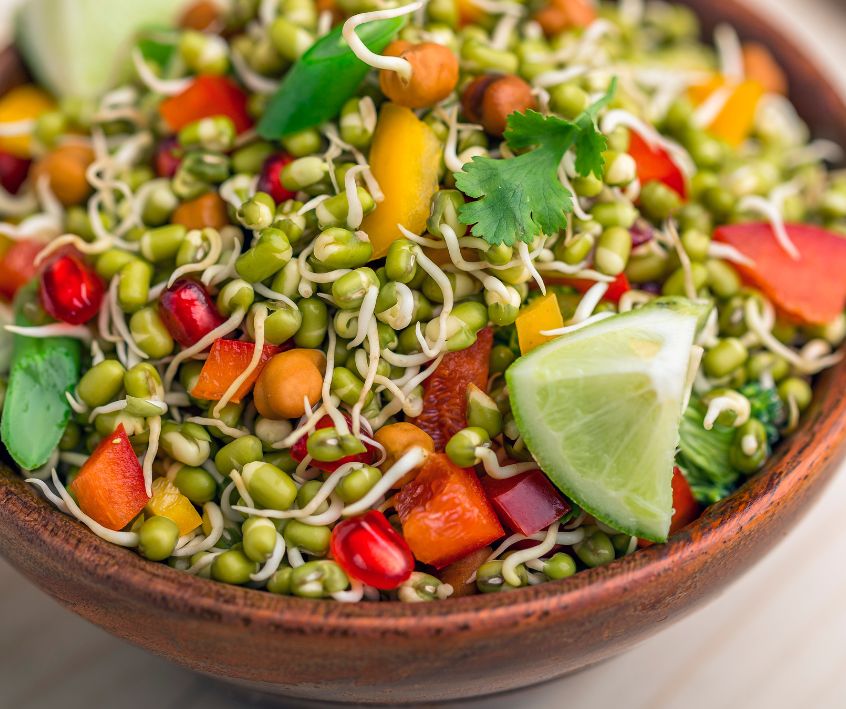
Winter eating doesn’t have to be a choice between health and comfort. Warm salads offer the best of both worlds, combining the nutrient density of fresh produce with the soul-soothing warmth of a cooked meal.
Whether you are harvesting kale from under the snow in your backyard, picking fresh sprouts from your kitchen counter, or simply opening a jar of sun-dried tomatoes, these ingredients come together to create meals that are vibrant, varied, and deeply satisfying.
So, tonight, skip the heavy casserole. Roast some vegetables, warm up a dressing, and discover how delicious a salad can truly be in the depths of winter.
Have you tried one of these warm salad recipes, or do you have a favorite winter combination of your own? We’d love to see your creations! Snap a photo and tag us on Instagram or Facebook so we can share your culinary inspiration.
Visit the Garden Resources page for supplies and inspiration. Don’t forget to subscribe to the Calendula’s Garden Newsletter for more gardening tips.
Calendula’s Garden is reader supported. When you buy through links on our site, we may earn an affiliate commission. As an Amazon Associate, I earn from qualifying purchases. For more information, view our Disclaimer page. Thank you!