The Best Plants For Privacy Hedges In Hot Climates
Calendula's Garden is reader suported This post may contain affiliate links, more on our Disclaimer page. Thank you!
If you’re looking for a way to add some privacy to your yard, a privacy hedge is a perfect solution. Not only will it provide some much-needed shade and shelter from the wind, but it can also help to hide the unsightly features of your property.
But with so many different plants to choose from, how do you know which one is right for you? In this blog post, we’ll take a look at the best plants for a privacy hedge, as well as how to plant and care for them.
What is a privacy hedge and why do you need one
A privacy hedge is a line of bushes or trees that are planted close together in order to provide privacy. They are often used to create a barrier between two properties or to screen an area from view.
Privacy hedges can be made from a variety of different plant species, including evergreens, deciduous trees, and shrubs. While they can take some time to grow, privacy hedges can provide years of enjoyment and help to increase the value of your home.
In addition, privacy hedges can offer many other benefits, such as reducing noise pollution and providing a natural windbreak. This can provide a barrier from nosy neighbors or passersby.
Privacy hedges can also provide some noise reduction if they are planted along a busy street. So if you’re looking for a way to add some extra privacy to your property, a privacy hedge may be the perfect solution.
Where to find seeds, plants, and supplies:
The best plants for a privacy hedge
When it comes to privacy hedges, there are a few things to consider. First, you’ll want to choose plants that can withstand high temperatures.
In hot climates, many plants will quickly become stressed and begin to lose leaves. This not only looks unsightly, but it can also weaken the plant and make it more susceptible to disease.
If you live in a hot climate and are looking for plants to create a privacy hedge, there are a few options that are well suited to the task.

One popular choice is oleander. These evergreen shrubs can grow up to 20 feet tall, and they tolerate both heat and drought very well.

Another good option is bougainvillea. These fast-growing vines can reach heights of 30 feet or more, and their colorful flowers make them a beautiful addition to any garden. These plants are all fast-growing and can provide quick coverage.

Orange Jubilee is also an excellent privacy screen or windbreak. The plant’s dense foliage provides an impenetrable barrier, making it an ideal choice for creating a private oasis in your backyard.
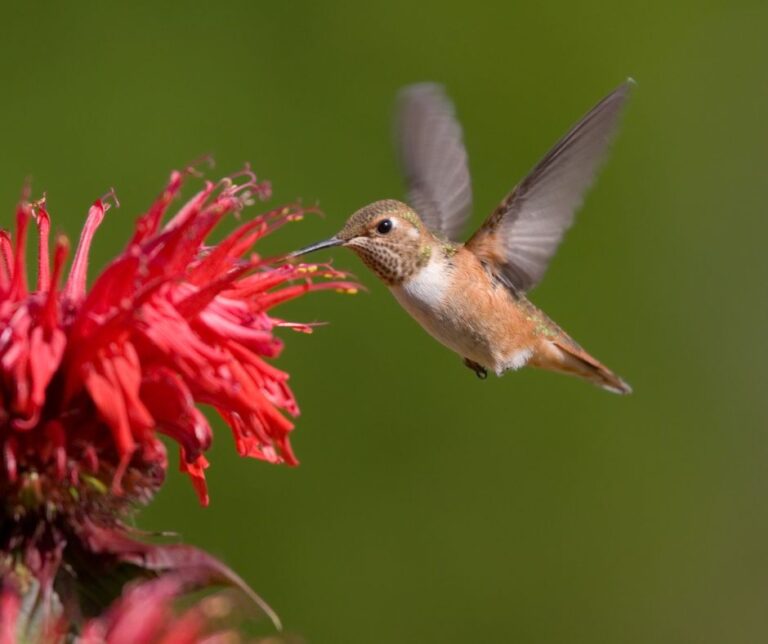
Tecoma stans, commonly known as Orange Jubilee, is a fast-growing shrub that can reach up to 10 feet in height. Great for adding some color and attracting hummingbirds.
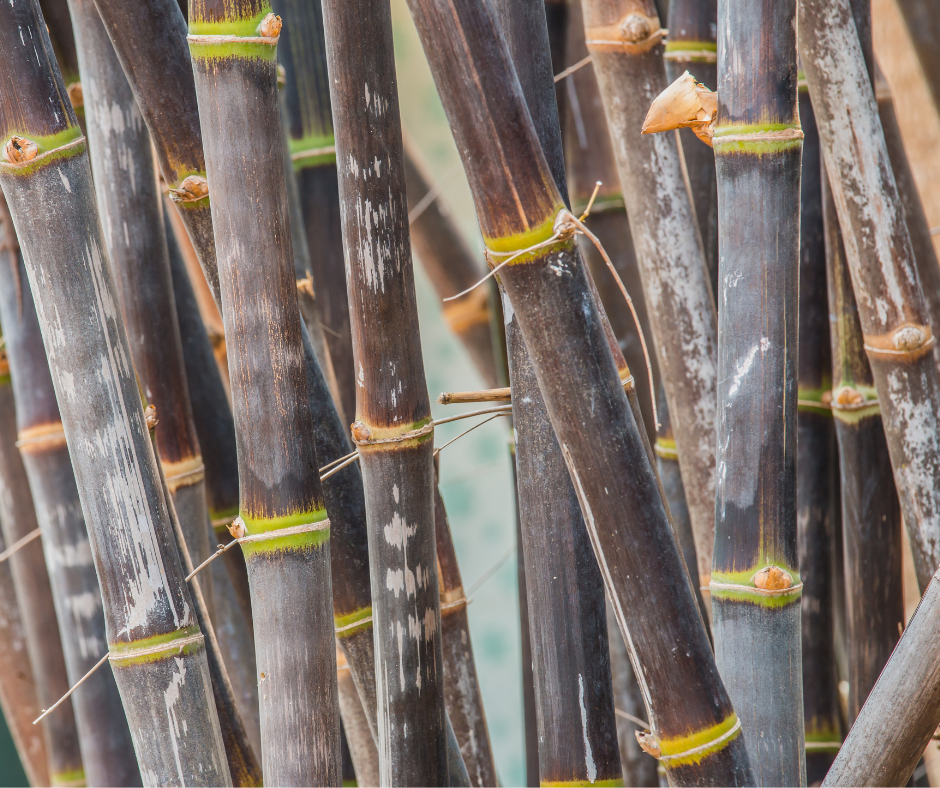
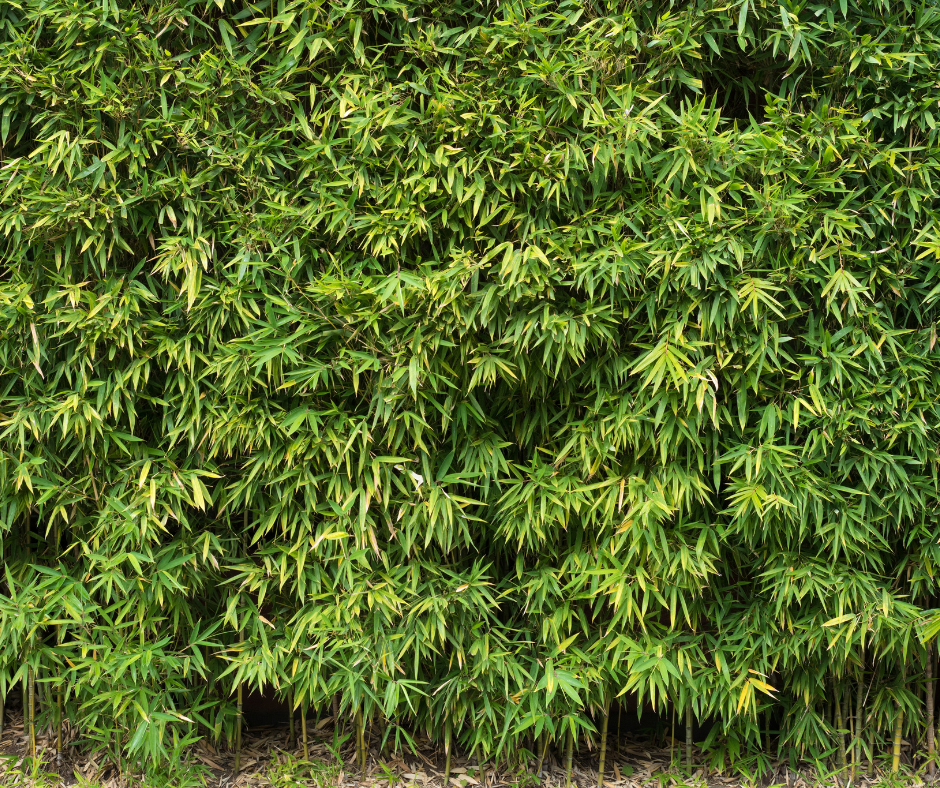
Bamboo is a versatile plant that can be used in a variety of ways in the garden. Whether you’re looking for privacy screening, ornamental interest, or simply a hardy plant that’s easy to care for, bamboo is a great choice.
When it comes to bamboo, there are two main types: clumping and running.
Clumping bamboo is slower growing and forms dense clusters, while running bamboo can spread rapidly and can be difficult to control. Both types of bamboo are vigorous growers and can reach heights of up to 30 feet.
If you need instant privacy, bamboo is your best bet. Buy the largest plants you can afford and plant them 4 feet apart.

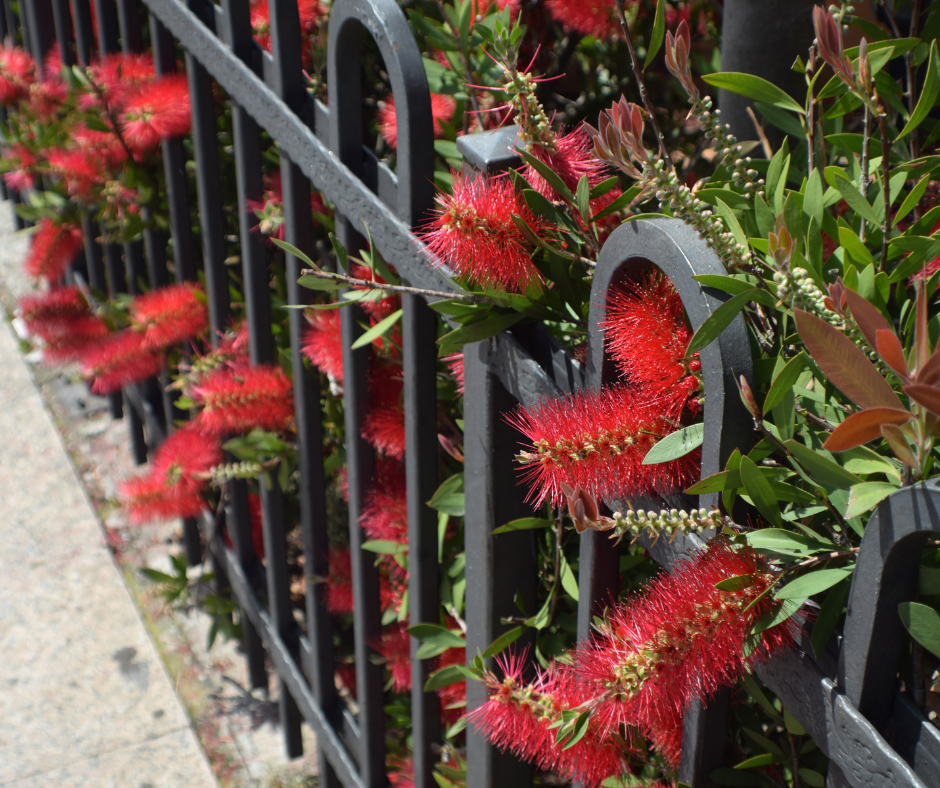
If you’re looking for a fast-growing privacy screen, the bottlebrush plant is a great option. Also known as Callistemon, this Australian native can grow up to 20 feet tall and produces showy red or yellow flowers.
Bottlebrush plants are drought-tolerant and can thrive in full sun or partial shade. They get their name from their showy flower clusters, which resemble the bristles on a bottle brush.
They’re also relatively low-maintenance, requiring little more than regular watering and occasional pruning to keep them in shape. Whether you’re looking to add some color to your garden or just need a little extra privacy, the bottlebrush plant is a great choice.

Pigeon Pea plants are tough, drought-resistant plants that can grow in a variety of soil types. They are most commonly grown in tropical and subtropical regions but can also be found in some temperate climates.
When choosing a location for your pigeon pea garden, it is important to select a spot that receives full sun and has well-drained soil. Pigeon pea plants generally prefer sandy loam or clay loam soil but can also tolerate sandy or clay soils. Pigeon peas can grow up to 13 feet in height.
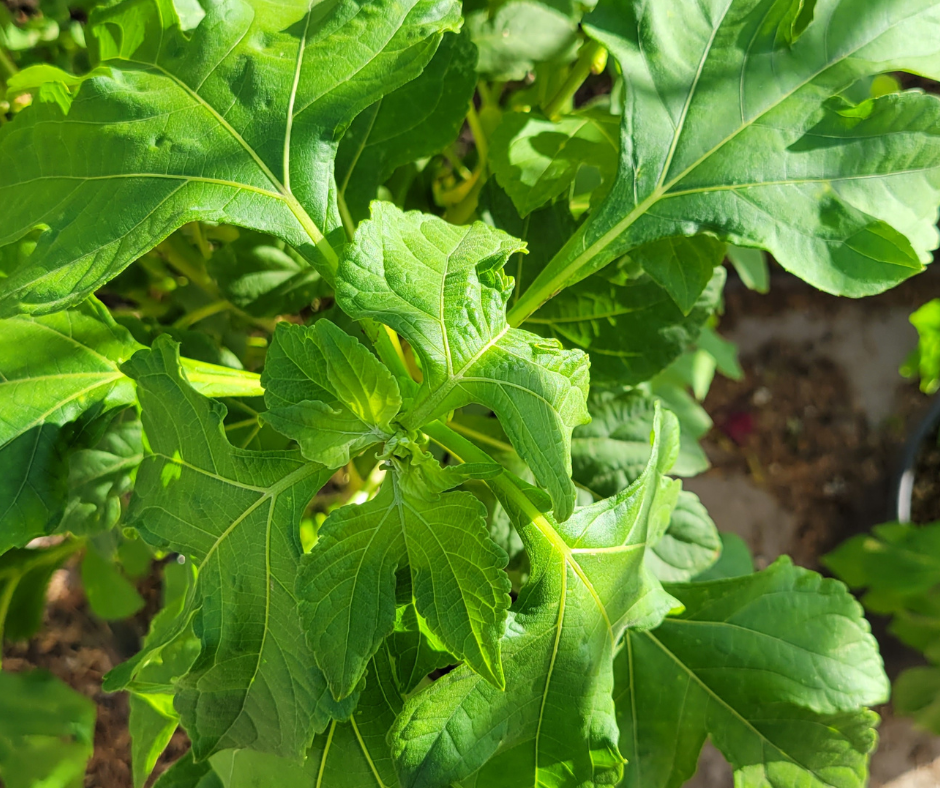
Mexican sunflower (Tithonia diversifolia), also known as the Bolivian sunflower, is a beautiful and easy-to-grow large perennial flower that is native to Mexico and Central America. It grows best in the warm, sunny climates of USDA Zones 9b- 11.
This sunflower is a perfect large shrub for a privacy screen with large tropical-looking lobed leaves. It can quickly reach heights of up to 10-20 feet and 10-12 feet wide! It flowers from September to March, pushing out a multitude of bright yellow that attract bees and butterflies.
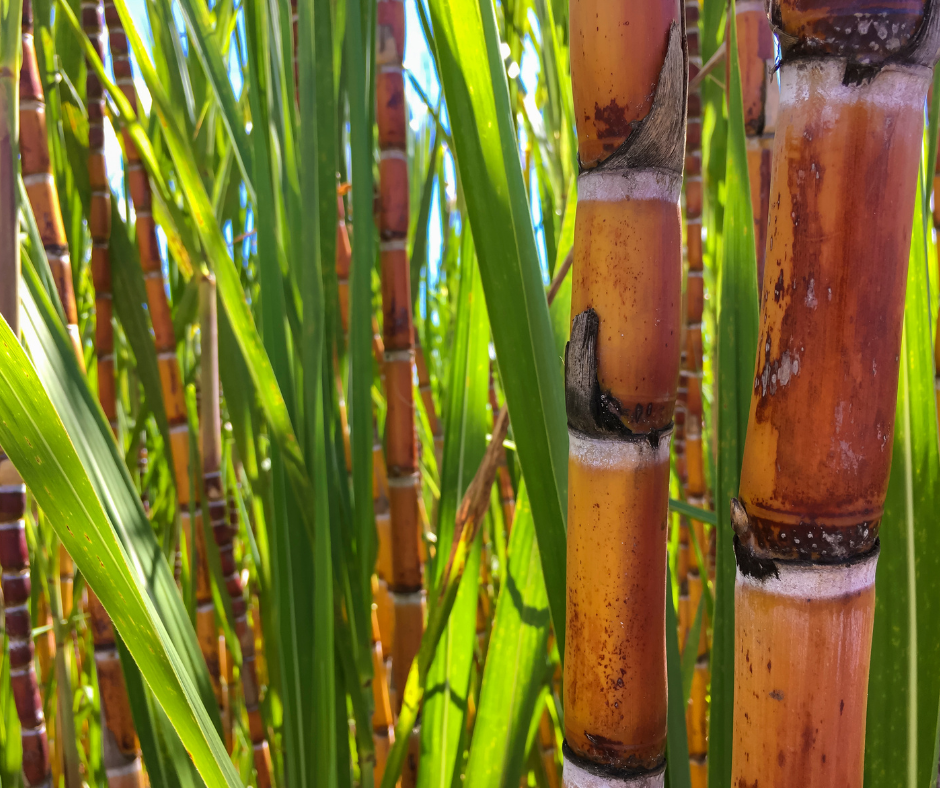
Sugar Cane is a fast-growing grass that can reach heights of 20 feet or more in just a few months. The thick, fibrous stalks of the plant are very effective at blocking out wind and sun, making it an ideal choice for shielding your patio or deck from the elements.
Sugar cane can also be used as mulch or compost. The high percentage of organic matter in the plant helps to improve soil fertility, making it an excellent amendment for sandy or clay soils.
So, regardless of your specific needs, there are plenty of options available when it comes to choosing plants for a privacy hedge in a hot climate.
How to plant a privacy hedge
The best way to go about it is to space the plants evenly. This will ensure that the hedge has a consistent look and feel, and it will also help to fill in any gaps that may occur over time.
As for how far apart the plants should be spaced, a good rule of thumb is to plant them at least two to seven feet apart, depending on plant species and growth rate.
This will give them enough room to grow and fill out without crowding each other. And if you’re really looking to maximize privacy, you can always plant them closer together for an instant privacy hedge.
Just remember that they’ll need more maintenance if they’re planted too close together. Finally, be sure to water regularly and fertilize regularly according to the manufacturer’s instructions.
Don’t Forget Layers! – different species, root depth, hardiness, foliage type, mature plant height and width

When it comes to creating a privacy screen for your yard, one of the most important things to remember is to layer different types of plants. This will create an effective barrier and make it difficult for people to see into your yard.
Some good plants to use for a privacy screen include:
-Shrubs: Shrubs are a great way to create a natural barrier, and there are a variety of different types that can be used. Try planting evergreen shrubs for year-round privacy, or choose deciduous shrubs that will lose their leaves in the winter to reveal the underlying fence or structure.
-Trees: Trees can also be used to create tall privacy screens, and they have the added bonus of providing shade in the summer. Choose tall trees that will grow tall enough to obscure the view from above, or opt for a dense tree canopy that will provide complete privacy.
-Vines: Vines can be used to cover up fences or walls, and there are a variety of different vines that can be used depending on your climate. Choose vines that grow quickly so you can get started on your privacy screen right away, or choose vines with dense foliage that will provide maximum coverage.
When layering different types of plants, it’s important to remember that each plant has different needs in terms of water, sunlight, and soil.
Be sure to research the specific needs of each plant before you add it to your privacy screen. By following these tips, you can create an effective privacy screen that will give you the peace of mind and privacy you need.
When creating a privacy barrier, it’s important to use different types of plants and layer them. This not only creates an effective barrier but also adds resiliency to diseases that may affect one type of plant.
If one type of plant in your privacy screen becomes diseased or dies, the other plants will still be there to provide privacy.
This is especially important if you live in a climate where diseases are common. By using different plants and layering them, you can help ensure that your privacy screen stays healthy and intact.
So be sure to choose a variety of different plants when creating your privacy screen, and layer them for maximum protection.
Maintenance tips for your privacy hedge
A privacy hedge can be a beautiful and practical addition to your home, providing both aesthetic appeal and much-needed privacy.
However, like any other plant, hedges require proper care and maintenance in order to stay healthy and look their best. Here are a few tips to keep in mind:
• Water regularly. Hedges require significant amounts of water, so make sure to water them deeply and regularly during hot weather.
• Prune regularly. Privacy hedges should be pruned once or twice a year to encourage new growth and prevent them from getting too out of control.
• Feed them well. Feed your hedge with a high-quality fertilizer at least once a year to ensure that it stays healthy and green.
By following these simple tips, you can maintain a beautiful privacy hedge that will last for years to come.
Additional ideas for using a privacy hedge
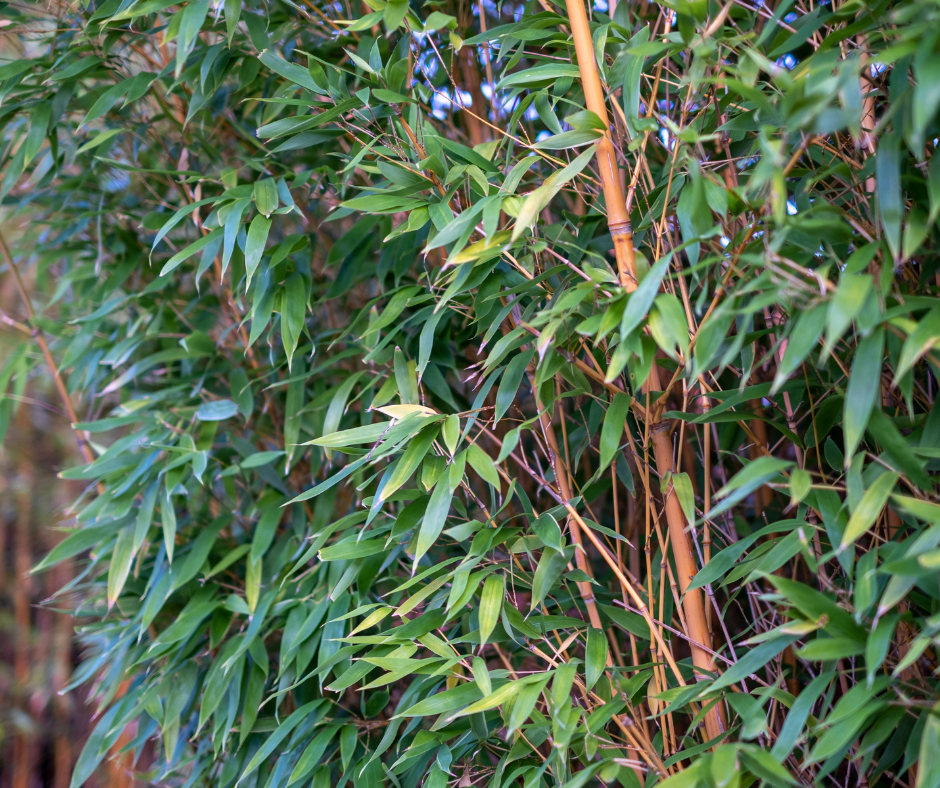
A privacy hedge can be a great addition to any home, providing a natural way to create a private outdoor space. It can provide a number of benefits for your home.
In addition to creating a visual barrier, they can also help to reduce noise pollution and block unwanted views. Privacy hedges can be used in a number of different ways, including:
-Planting them along the property line to create a privacy barrier between you and your neighbor’s yard.
-Using them to screen unsightly views, such as an adjacent parking lot or busy street.
-Planting them around outdoor living spaces, such as a patio or pool, to create a private oasis.
– Use them as a windbreak to protect your yard from strong winds.
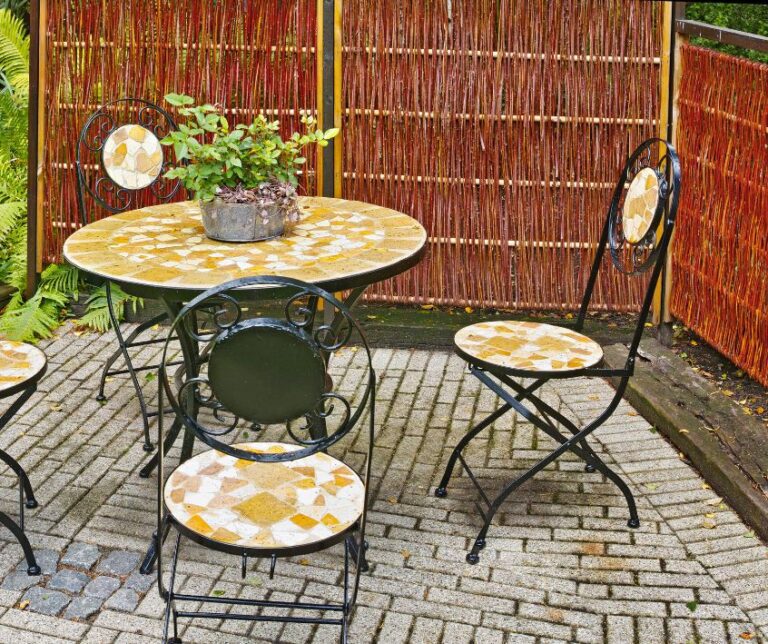
– Use it as a backdrop for an outdoor dining area. A privacy hedge can provide the perfect amount of shelter from the sun or wind while you enjoy a meal outdoors.
– Create an outdoor living room. Add some comfortable furniture and string up some twinkly lights, and you’ve got the perfect spot for relaxing or entertaining guests.
– Use it as a natural fence. If you have pets or young children, a privacy hedge can help to create a safe and enclosed play area in your yard.
Privacy screens can be planted with a variety of different plants, including evergreens, deciduous shrubs, and flowering plants. No matter what type of plant you choose, make sure to select one that is suitable for the climate and soil conditions in your area.
With a little planning and care, you can create a beautiful privacy hedge that will enhance the look and function of your home.
Visit the Garden Resources page for supplies and inspiration. Don’t forget to subscribe to the Calendula’s Garden Newsletter for more gardening tips.
Calendula’s Garden is reader-supported. When you buy through links on our site, we may earn an affiliate commission. As an Amazon Associate, I earn from qualifying purchases. For more information, view our Disclaimer page.