Sustainable Ways to Winterize Your Home and Garden
Calendula's Garden is reader suported This post may contain affiliate links, more on our Disclaimer page. Thank you!

Winter preparation doesn’t have to mean filling your home with harsh chemicals or synthetic materials that harm both your family and the environment. As the seasons shift and temperatures drop, many homeowners feel overwhelmed by the prospect of winterizing their property.
The good news? You can create a cozy, protected space using natural, nontoxic, and sustainable methods that work just as effectively as conventional approaches.
Winterizing your home and garden naturally offers multiple benefits beyond just keeping the cold at bay. These methods protect your health by avoiding exposure to toxic chemicals, reduce your environmental footprint, and often saving money in the long run.
Natural materials like wool, cotton, and cork provide excellent insulation while being completely biodegradable. Similarly, organic mulches and composting techniques not only protect your garden but also enrich your soil for the coming spring.
This comprehensive guide will walk you through practical, earth-friendly strategies to prepare both your indoor and outdoor spaces for winter’s arrival. From DIY insulation projects using sustainable materials to natural de-icing solutions, you’ll discover how small changes can make a significant impact on your comfort, budget, and the planet’s wellbeing.
Creating a Warm Haven Indoors

Insulating Windows and Doors with Natural Materials
Your windows and doors are prime spots for heat loss, but you don’t need plastic sheeting or chemical sealants to solve this problem. Wool felt strips work wonderfully as weather stripping around window frames and door jambs. This natural fiber provides excellent insulation while being completely renewable and biodegradable.
For window insulation, consider creating removable fabric panels using thick, tightly woven cotton or linen fabric. Attach these panels to lightweight wooden frames that fit snugly inside your window frames. During sunny winter days, you can easily remove them to let natural light and solar heat warm your rooms.
Draft stoppers made from organic cotton fabric and filled with rice, buckwheat hulls, or dried beans offer another natural solution. These weighted tubes are placed along door thresholds and windowsills, effectively blocking cold air while adding a handmade touch to your decor.
Optimizing Your Heating System Naturally
Energy efficiency doesn’t require expensive equipment upgrades. Start by ensuring your heating system can circulate air freely by moving furniture away from vents and radiators. Clean or replace air filters regularly using washable, reusable filters made from natural fibers when possible.
Maximize solar heating by opening curtains and blinds during sunny days, then closing them at dusk to trap the warmth inside. Heavy curtains made from natural fibers like wool or thick cotton create an insulating barrier against cold windows while adding warmth to your rooms.
Consider zone heating using space heaters only in rooms you’re actively using, rather than heating your entire home. Oil-filled radiators provide gentle, consistent heat without drying out the air or creating harmful emissions.
Maintaining Healthy Indoor Air Quality
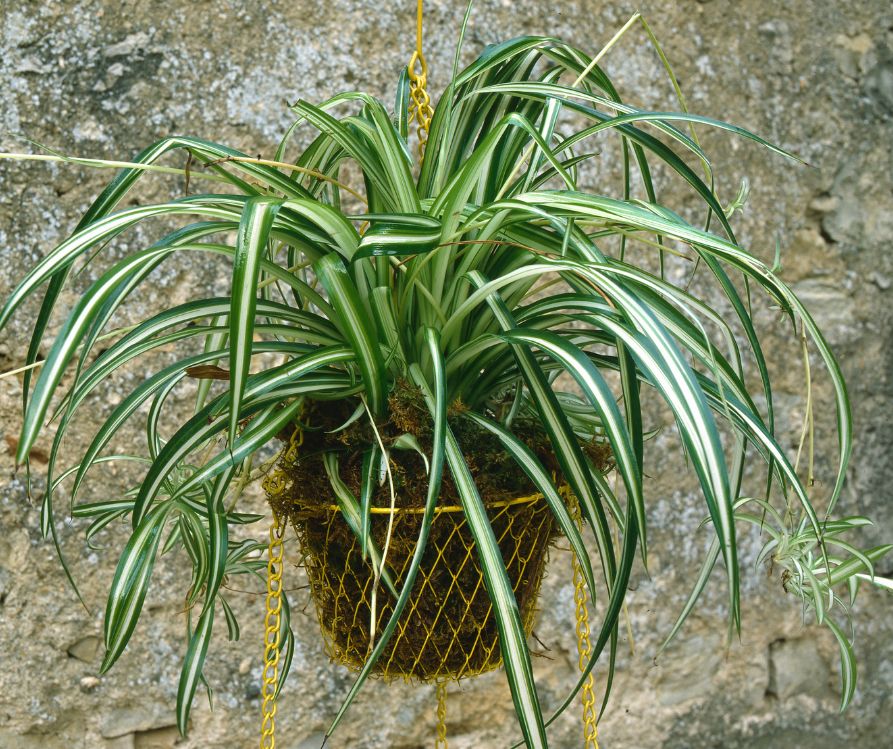
Winter’s sealed environment can trap stale air and pollutants inside your home. Natural air purifiers work steadily to improve your indoor atmosphere without electricity or filters to replace. Spider plants, snake plants, and peace lilies excel at removing common indoor air pollutants while adding life and beauty to your winter spaces.
Himalayan salt lamps create a warm, amber glow while naturally ionizing the air around them. Essential oil diffusers using pure oils like eucalyptus, tea tree, or lavender can help combat winter stuffiness and support respiratory health.
Regular ventilation remains crucial even in cold weather. Open windows briefly each day to exchange stale indoor air with fresh outdoor air, ideally during the warmest part of the day to minimize heat loss.
Protecting Your Outdoor Sanctuary
Preparing Your Garden with Natural Methods
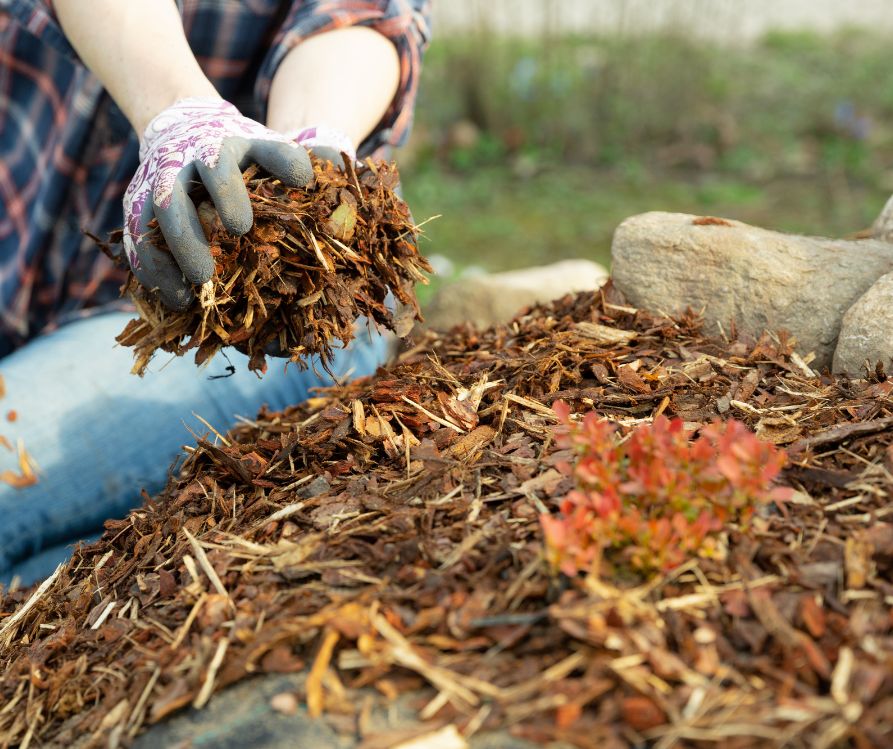
Your garden needs protection and nourishment to survive winter’s harsh conditions. Mulching provides one of the most effective natural barriers against freezing temperatures and soil erosion. Fallen leaves, straw, and wood chips create insulating blankets that protect plant roots while slowly decomposing to enrich your soil.
Apply a thick layer of organic mulch around trees, shrubs, and perennial plants, leaving space around plant stems to prevent pest problems. This natural covering moderates soil temperature, retains moisture, and suppresses weeds that might compete with your plants come spring.
Composting accelerates during fall preparation, giving you rich, dark soil amendment for next year’s growing season. Layer brown materials like dried leaves and paper with green materials like kitchen scraps and grass clippings. Turn the pile regularly to maintain proper aeration and speed decomposition.
Safeguarding Trees and Shrubs
Young trees and tender shrubs benefit from natural protection against harsh winter winds and heavy snow loads. Burlap wrapping provides breathable protection that shields plants from drying winter winds while allowing air circulation.
Create windbreaks using bamboo stakes and natural burlap or canvas fabric. These barriers redirect harsh winds away from sensitive plants without creating the plastic waste associated with conventional plant covers.
For fruit trees and ornamental varieties prone to sun scald, apply tree wrap made from natural paper or burlap around trunks. This protection prevents bark splitting caused by rapid temperature fluctuations during late winter and early spring.
Managing Water Drainage Naturally
Proper water management prevents ice damage to your landscape and hardscape features. Grade soil away from your home’s foundation to direct water flow naturally. Add organic matter like compost to heavy clay soils to improve drainage and prevent waterlogging.
Rain gardens planted with native perennials and grasses manage excess water runoff while creating habitat for beneficial wildlife. These natural depressions collect and slowly absorb water, preventing erosion and ice formation in problematic areas.
Clean gutters and downspouts thoroughly before winter arrives. Direct downspout water away from walkways and foundations using splash blocks or natural stone channels that guide water to appropriate drainage areas.
DIY Solutions for Natural Winter Comfort

Homemade Window Insulation Projects
Creating effective window insulation using natural materials offers both function and satisfaction. Double-sided fabric panels filled with wool batting provide excellent insulation while remaining completely natural and breathable. Sew pockets into cotton or linen fabric, stuff with clean wool, and attach to wooden frames cut to fit your windows.
For temporary solutions, mix equal parts water and white vinegar in a spray bottle to clean windows thoroughly, then apply a thin layer of natural soap film. This creates a barrier that reduces heat transfer while remaining completely nontoxic and easily removable.
Roman shades made from thick, natural fabrics offer another elegant insulation solution. Layer cotton batting between decorative fabric and lining to create insulating window coverings that roll up during sunny days and provide warmth when lowered.
Natural Cleaning Recipes for Winter Maintenance
Winter’s muddy, salty conditions require frequent cleaning, but you don’t need harsh chemicals to maintain a clean home. Mix warm water with castile soap and a few drops of tea tree oil to create an effective all-purpose cleaner that handles winter grime while leaving your home smelling fresh.
For stubborn salt stains on floors and carpets, combine equal parts white vinegar and water in a spray bottle. This natural solution dissolves mineral deposits without damaging surfaces or releasing toxic fumes into your indoor air.
Baking soda mixed with essential oils creates natural carpet deodorizers that absorb moisture and eliminate odors. Sprinkle the mixture on carpets, let sit for 15 minutes, then vacuum thoroughly for fresh-smelling floors throughout winter.
Creating Nutrient Rich Soil Amendments
Winter provides perfect timing for creating rich compost that will feed your garden come spring. Layer kitchen scraps, coffee grounds, and eggshells with brown materials like shredded paper and dried leaves. Turn the pile weekly to maintain proper decomposition.
Worm composting offers year-round soil amendment production using a simple bin system that works indoors or in protected outdoor areas. Red wiggler worms transform kitchen scraps into rich castings that plants absolutely love.
Leaf mold created by simply piling fallen leaves and keeping them moist produces excellent soil conditioner after six months to a year. This effortless composting method requires no turning or maintenance while creating valuable organic matter.
Sustainable Products for Natural Winterizing

Eco-Friendly Insulation Options
Natural insulation materials outperform many synthetic options while supporting environmental health. Sheep’s wool insulation provides excellent thermal performance, naturally regulates humidity, and contains no harmful chemicals or irritating fibers.
Cork insulation offers superior thermal properties along with natural antimicrobial and pest-resistant qualities. This renewable material harvested from cork oak trees provides decades of effective insulation while remaining completely biodegradable at the end of its useful life.
Recycled denim insulation made from post-consumer cotton provides safe, effective thermal protection without the itching and respiratory irritation associated with fiberglass products. This natural fiber insulation installs easily and contains no formaldehyde or other toxic chemicals.
Natural Pest Control for Winter
Winter pest problems require different approaches than summer infestations, but natural solutions remain highly effective. Diatomaceous earth sprinkled around entry points creates barriers against crawling insects without exposing your family to toxic pesticides.
Essential oil blends containing peppermint, citrus, and eucalyptus repel mice and other rodents naturally. Soak cotton balls in these oils and place them in areas where pests might enter, refreshing the scent monthly throughout winter.
Beneficial insects like ladybugs and lacewings can be encouraged to overwinter in your garden by providing natural shelter. Bundle hollow stems, bamboo tubes, and pine cones in wooden frames to create insect hotels that support beneficial predators.
Energy-Efficient Heating and Lighting Alternatives

Solar heating solutions harness winter sun even during shorter days. Passive solar collectors made from dark-colored containers filled with water absorb and store solar energy during the day, releasing warmth slowly throughout the evening hours.
Wood heating using sustainably sourced firewood provides renewable warmth while creating a cozy ambiance. Modern, efficient wood stoves and inserts burn cleanly while providing significant heating capacity for smaller homes and specific rooms.
Natural lighting solutions help combat winter’s shorter days without increasing energy consumption. Strategically placed mirrors reflect available daylight throughout your rooms, while light-colored walls and surfaces maximize natural illumination.
Embracing Winter’s Natural Rhythm

Winterizing your home and garden naturally creates harmony between your living space and the environment while protecting your family’s health and supporting sustainable practices. These methods may require slightly more initial effort than conventional approaches, but they provide lasting benefits that extend far beyond a single winter season.
The natural materials and techniques outlined here work with nature’s systems rather than against them, creating healthier indoor environments and supporting outdoor ecosystems even during winter’s dormant period. Your efforts contribute to reduced chemical pollution, decreased waste production, and improved air and water quality in your community.
Start with one or two projects that appeal to you most, then gradually incorporate additional natural winterizing strategies as time and resources allow. Each small step builds toward a more sustainable, healthy approach to winter preparation that benefits your family, your property, and the planet we all share.
Remember that natural winterizing is an ongoing learning process. Observe what works best in your specific climate and situation, then adapt these techniques to meet your unique needs. Your commitment to natural, nontoxic methods creates positive ripple effects that extend far beyond your property boundaries, inspiring others to consider healthier alternatives for their own winter preparations.
Visit the Garden Resources page for supplies and inspiration. Don’t forget to subscribe to the Calendula’s Garden Newsletter for more gardening tips.
Calendula’s Garden is reader supported. When you buy through links on our site, we may earn an affiliate commission. As an Amazon Associate, I earn from qualifying purchases. For more information, view our Disclaimer page. Thank you!