Sustainable Gardening Practices for a Vibrant Summer Garden
Calendula's Garden is reader suported This post may contain affiliate links, more on our Disclaimer page. Thank you!
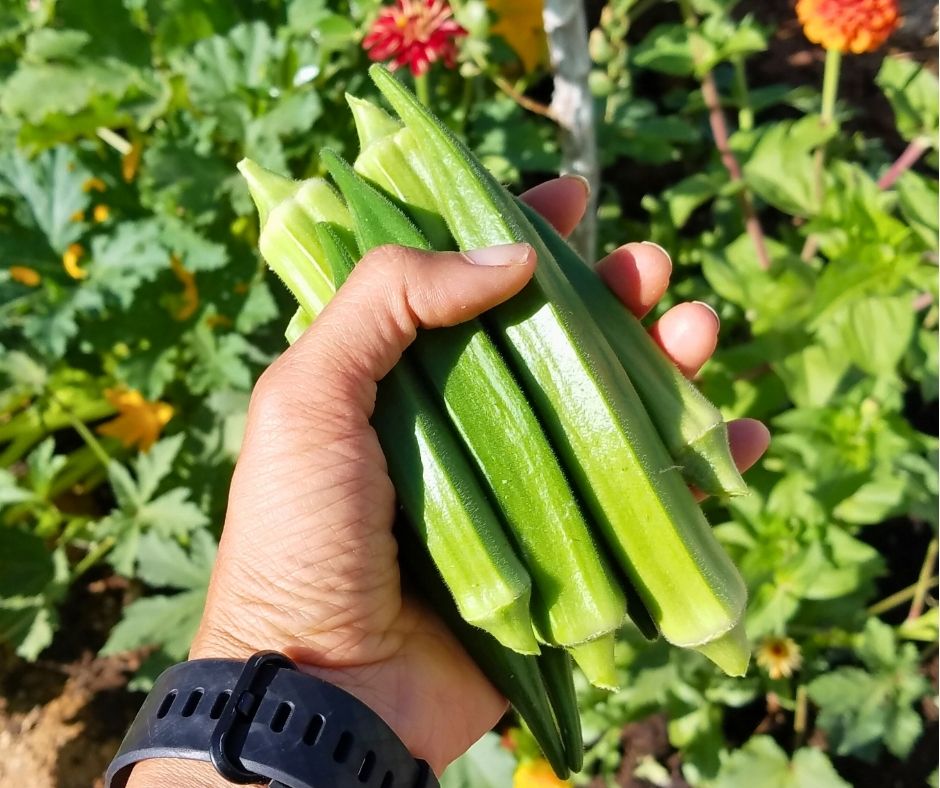
Gardening in the summer offers more than just an opportunity to enjoy fresh vegetables and vibrant blooms; it contributes to a sustainable lifestyle and improves our health. By growing our own food, we can reduce our environmental footprint, eat healthier, and experience the joy of nurturing life from seed to harvest.
This guide will walk you through easy methods to create a flourishing summer garden. From planning and planting to harvesting and enjoying your bounty.
Planning Your Garden
A successful summer garden begins with careful planning. Here’s how to set yourself up for success:
Where to find seeds, plants, and supplies:
Selecting the Right Plants for Your Climate and Space
Consider Your Climate: Choose plants that thrive in your USDA hardiness zone. For hot climates, select heat loving varieties of vegetables like peppers, okra, callaloo, tomatoes, and sunflowers. For cooler summers, go for leafy greens, snap peas, and calendula.
Think About Your Space: Whether you’re working with a spacious backyard or a small balcony, there’s always room for gardening. Vertical gardening, container planting, and companion planting are excellent space-saving options.
Designing Your Garden Layout
Maximize Growth with Sunlight: Most summer plants need at least 6-8 hours of sunlight daily, so plan your layout to take full advantage of the light.
Aesthetic Meets Functionality: Organize plants based on height—plant taller crops like corn at the back, medium-height plants like tomatoes in the middle, and ground covers like herbs in the front. This ensures optimal growth and a visually appealing garden.
Save Space Add Flexibility with Containers: Including containers in your garden design can help quickly overcome less than ideal soil conditions as well as save space. Here in AZ, I use container gardens to take advantage of the mild winter weather.
When the hot summer sun arrives I move my vegetable containers to partially shady locations so I can keep growing all summer.
Leave Pathways: Create clear paths between your garden beds to make watering, weeding, and harvesting easier.
Preparing the Soil
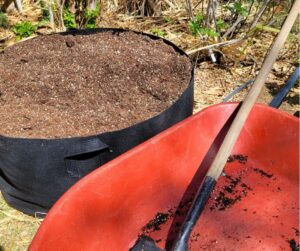
Healthy soil is the foundation of a thriving summer garden. Before planting, give your soil some much-needed attention.
Understanding Your Soil Type
Determine whether you’re working with sandy, clay, or loamy soil by performing a simple “jar test” (mix soil with water in a jar, shake it, and watch the layers separate). Each soil type has unique benefits and challenges:
- Sandy Soil: Drains well but lacks nutrients.
- Clay Soil: Holds moisture but may compact easily.
- Loamy Soil: The ideal blend of sand, silt, and clay, rich in nutrients and easy to work with.
Improving Soil Quality
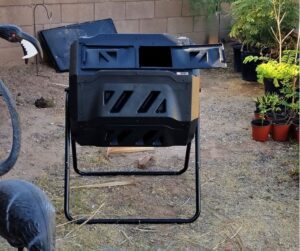
Composting: Add organic matter like fruit and vegetable scraps, eggshells, and yard waste to improve nutrient levels. Compost also promotes beneficial bacteria and fungi in the soil.
Mulching: Apply organic mulch (like straw or wood chips) on your soil’s surface to retain moisture, prevent weeds, and regulate soil temperature.
Add Soil Amendments: Depending on your soil’s needs, you can incorporate lime to reduce acidity or gypsum to improve clay soil structure.
Planting Guide
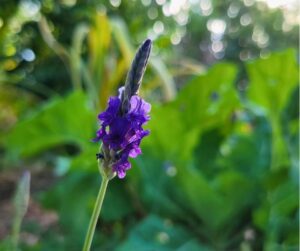
With your soil prepped and plants selected, it’s time to get your hands dirty.
When and How to Plant
Timing is everything when it comes to planting summer crops:
Early Summer (May-June): Plant warm-season vegetables like tomatoes, cucumbers, zucchini, and peppers. Have shade ready for sudden heatwaves.
Mid-Summer (July): Tuck in a second wave of quick-growing herbs such as basil or arugula. Salad greens and herbs grow great in containers. This also makes them portable so they can be moved into the partial shade as summer heat sets in.
Flowers: Add marigolds or nasturtiums to your garden for color and pest-repelling properties.
Pro Tip: Try succession planting. Plant vegetables in small batches every few weeks for continuous harvesting throughout the season. Follow seed packet instructions for proper spacing and depth.
Tips for Companion Planting
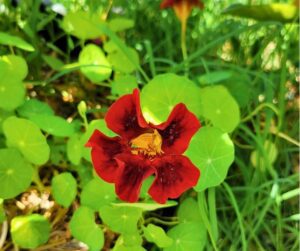
Companion planting is a gardening method where certain plants are grown together to enhance each other’s growth and deter pests naturally. Examples include:
Basil + Tomatoes: Basil repels aphids and adds flavor to tomatoes.
Carrots + Onions: Onions deter carrot flies, while carrots loosen compact soil for onions.
Marigolds + Everything: Marigolds repel nematodes and harmful insects, making them great garden companions.
Pollinator Garden: Plant a wide variety of flowers that will attract pollinators to your garden and increase fruit set. Include some plants native to your area for the best effect.
The multitude of flowers will also attract pest predators like ladybugs and lacewings. Not to mention it is just plain beautiful and relaxing to have a wild patch of flowers in the garden.
Watering and Maintenance
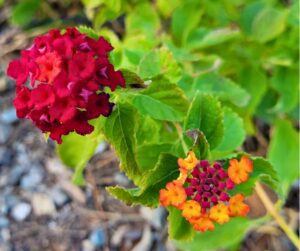
A healthy garden requires regular care, especially during the sweltering summer months.
Establishing a Proper Watering Schedule
Water deeply once or twice a week rather than shallowly every day. This encourages deeper root growth.
Morning is the ideal time to water, as it prevents fungal diseases and allows plants to absorb moisture before the day’s heat.
Use a soaker hose or drip irrigation system to conserve water and ensure even distribution.
Maintenance Essentials
Weeding: Remove weeds regularly to prevent them from competing for nutrients and water.
Fertilizing: Use organic fertilizers like fish emulsion or compost tea to feed your plants throughout the season. I like to add small amounts of soil amendments throughout the growing season. For example, bone meal for my heavy producing tomatoes to ward off blossom end rot.
Pruning: Remove dead or yellowing leaves to promote air circulation and discourage pests or diseases. Don’t forget to remove spent flowers. This will encourage new flower buds to develop.
Harvesting and Enjoying Your Garden
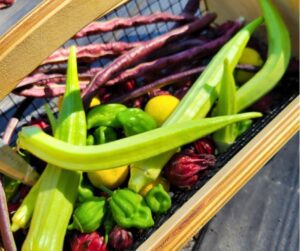
The most satisfying part of summer gardening is reaping what you’ve sown.
Signs It’s Time to Harvest
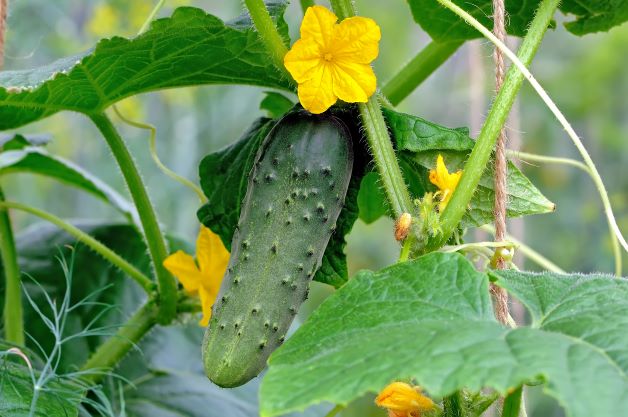
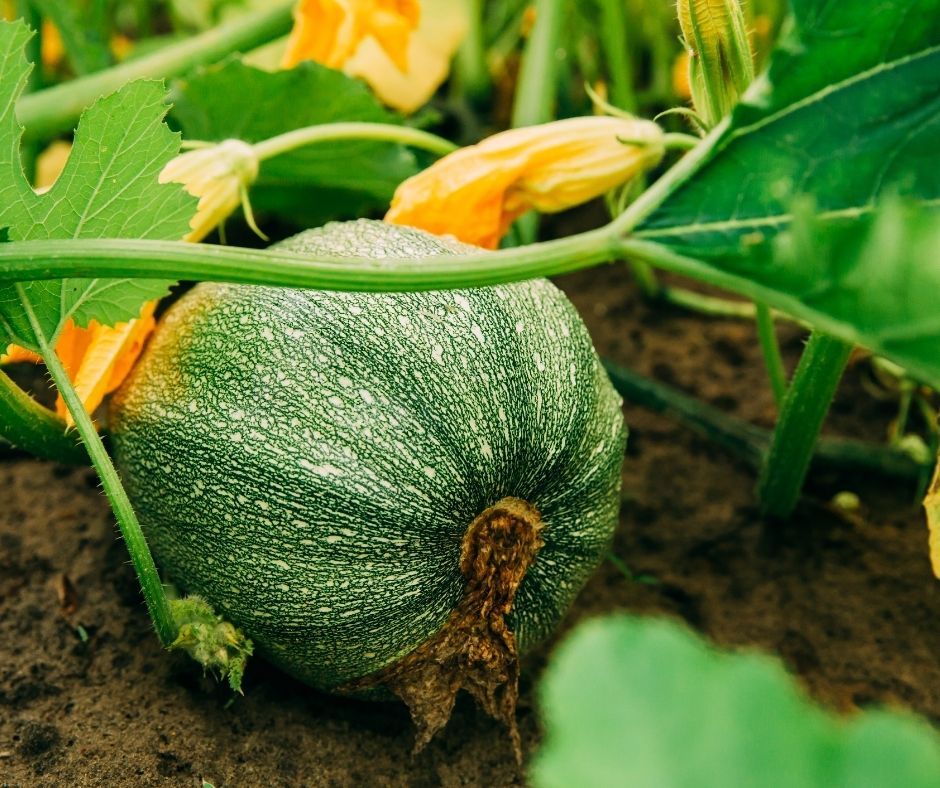
Vegetables: Pick zucchini when it’s 6-8 inches long, cucumbers before they turn yellow, and tomatoes when they’re deeply colored and slightly tender. However, if birds discover your fully ripe tomatoes start picking them when they blush and let them ripen on the counter.
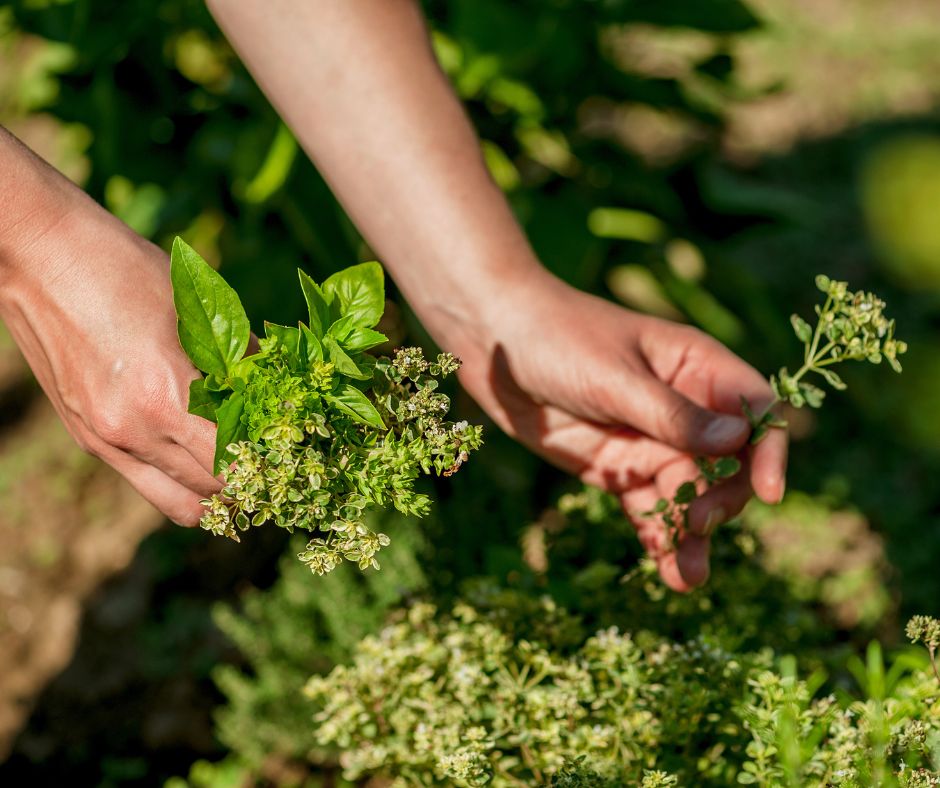
Herbs: Harvest herbs like basil and parsley by snipping a few stems. This encourages continued bushy growth.
Flowers: Cut flowers early in the morning for the longest vase life.
Enjoying and Preserving Your Garden’s Bounty
Cooking Fresh: Whip up delicious recipes with homegrown ingredients—think tomato and basil pasta or zucchini fritters.
Preserving: Freeze herbs or pickle cucumbers to enjoy your bounty year-round.
Reduce Waste: Compost any scraps to start the cycle anew next season.
Pro Tip: Share excess produce with neighbors or local food banks to foster community spirit.
Reap the Rewards of Summer Gardening
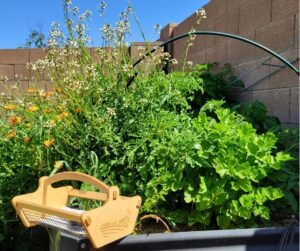
Summer gardening is more than planting seeds. It’s about cultivating a lifestyle of sustainability, wellness, and connection with nature. From planning to harvesting, every step is an opportunity to learn, grow, and contribute to a greener world.
There’s something deeply fulfilling about enjoying a meal made with ingredients you grew yourself or seeing colorful blooms brighten up your backyard. Remember, the key to a successful garden is love, attention, and a bit of experimentation.
We’d love to hear from you! Share your summer garden wins and struggles in the comments below or connect with fellow green thumbs in the gardening community.
Happy gardening!
Visit the Garden Resources page for supplies and inspiration. Don’t forget to subscribe to the Calendula’s Garden Newsletter for more gardening tips.
Calendula’s Garden is reader supported. When you buy through links on our site, we may earn an affiliate commission. As an Amazon Associate, I earn from qualifying purchases. For more information, view our Disclaimer page. Thank you!