Summer Pollinator Garden Ideas for Growing Zone 9
Calendula's Garden is reader suported This post may contain affiliate links, more on our Disclaimer page. Thank you!
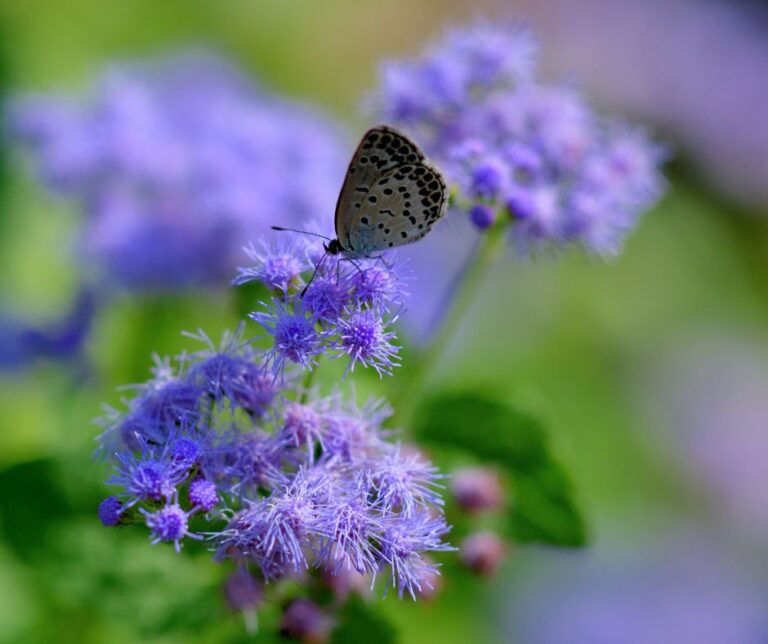
Watching a butterfly gracefully land on a bright flower or hearing the gentle hum of bees going about their daily work can instantly wash away the stress of the day.
Pollinators are the unsung heroes of our ecosystems. They are responsible for helping most of our flowering plants reproduce and play a crucial role in our global food supply.
If you live in USDA Growing Zone 9, like us, you know that summer brings its own unique set of gardening rules.
With long, sweltering summers and incredibly mild winters, this climate can be tough on delicate plants. The intense heat and extended dry periods mean your garden needs a solid strategy to thrive.
Fortunately, creating a vibrant sanctuary for beneficial insects and birds in Zone 9 is entirely possible. By choosing the right heat-loving plants and employing smart gardening techniques, you can build a resilient oasis.
This guide will walk you through everything you need to know to plan, plant, and maintain a summer pollinator garden that flourishes through the hottest months of the year.
Planning Your Zone 9 Summer Pollinator Garden
A successful garden always starts with a good plan. When you are dealing with the intense summer sun of Zone 9, setting up the right environment is half the battle.
Site selection and sunlight requirements
Most pollinator-friendly plants love the sun, but the late afternoon rays in Zone 9 can scorch even the toughest leaves. Look for a spot in your yard that receives at least six hours of morning or early afternoon sunlight.
If your only available space gets blasted by the late afternoon sun, consider planting near a larger shrub or structure that casts a bit of protective shade during the hottest part of the day.
Soil preparation and drainage
Healthy soil leads to healthy plants. Zone 9 soils can range from heavy clay to loose sand. Incorporating organic matter, like high-quality compost, is a fantastic way to improve whatever soil you have.
Compost helps sandy soils retain moisture and breaks up heavy clay to improve drainage. Good drainage is vital because soggy roots can quickly lead to fungal diseases in warm weather.
Water conservation techniques for hot summers
Water is a precious resource, especially during a scorching summer.
Applying a thick two to three inch layer of organic mulch around your plants is one of the easiest and most effective ways to conserve moisture.
Mulch keeps the soil cool, suppresses weeds, and reduces water evaporation.
Best Plants for Summer Pollinator Gardens in Zone 9
Choosing the right flora is the fun part. You want plants that can stand up to the heat while offering a rich buffet of nectar and pollen.
Where to find seeds, plants, and supplies:
Native plants for the region
Native plants are uniquely adapted to local soils and climate conditions, making them incredibly low-maintenance.
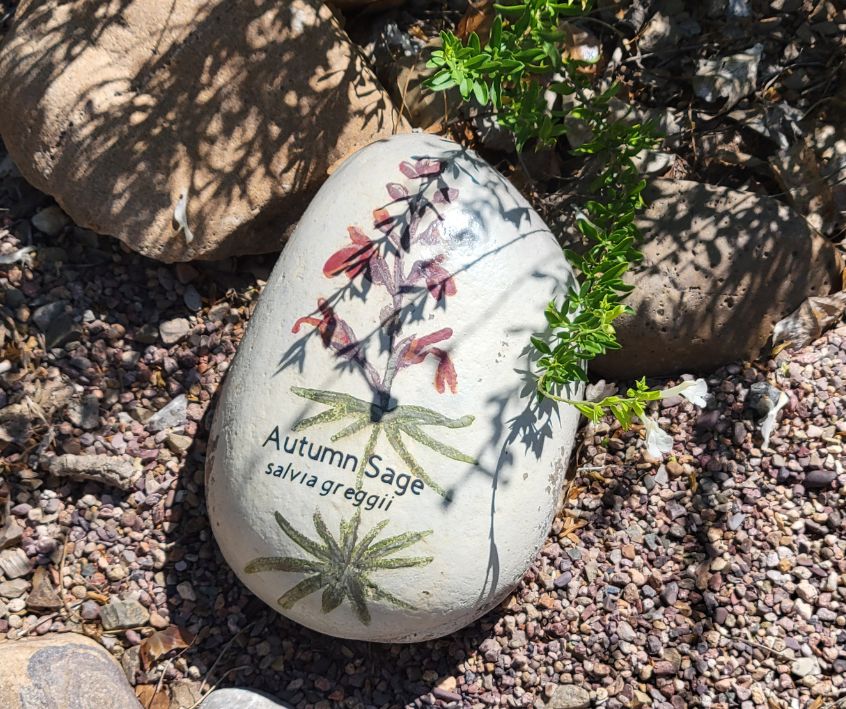
California Poppy, Salvia, and Penstemon are stunning native options that thrive in Zone 9. They require very little water once established and are magnets for local bee and butterfly populations.
Drought-tolerant options
You need tough plants to survive a Zone 9 summer. Look for species with silver or gray foliage, as this coloration naturally reflects sunlight and helps the plant retain moisture.
Russian Sage and Lavender are excellent drought-tolerant choices that fill the air with wonderful fragrances while attracting beneficial insects.
Nectar and pollen-rich flower choices
To keep pollinators coming back, you need to offer high quality food. Coneflower (Echinacea), Bee Balm (Monarda), and Zinnia are heavy hitters in the pollinator world.
Zinnias, in particular, are easy to grow from seed and will provide continuous, vibrant blooms right up until the first frost.
Video Designing a Desert Butterfly Garden
Designing for Diversity: Attracting Different Types of Pollinators
Different pollinators have different needs and feeding habits. By offering a variety of plant shapes, sizes, and colors, you can attract a wide array of wildlife to your yard.
Attracting bees
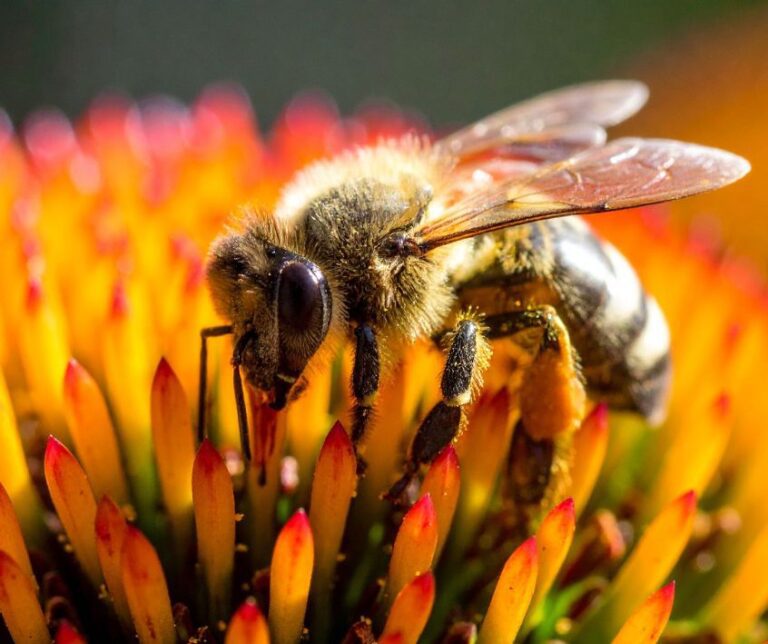
Bees are highly efficient workers and are attracted to bright colors like blue, yellow, and purple.
They prefer flowers that provide a solid landing pad, such as coral vine, sunflowers, or asters.
Planting in large clumps of the same flower makes it easier for bees to forage efficiently without wasting energy flying long distances between blooms.
Attracting butterflies
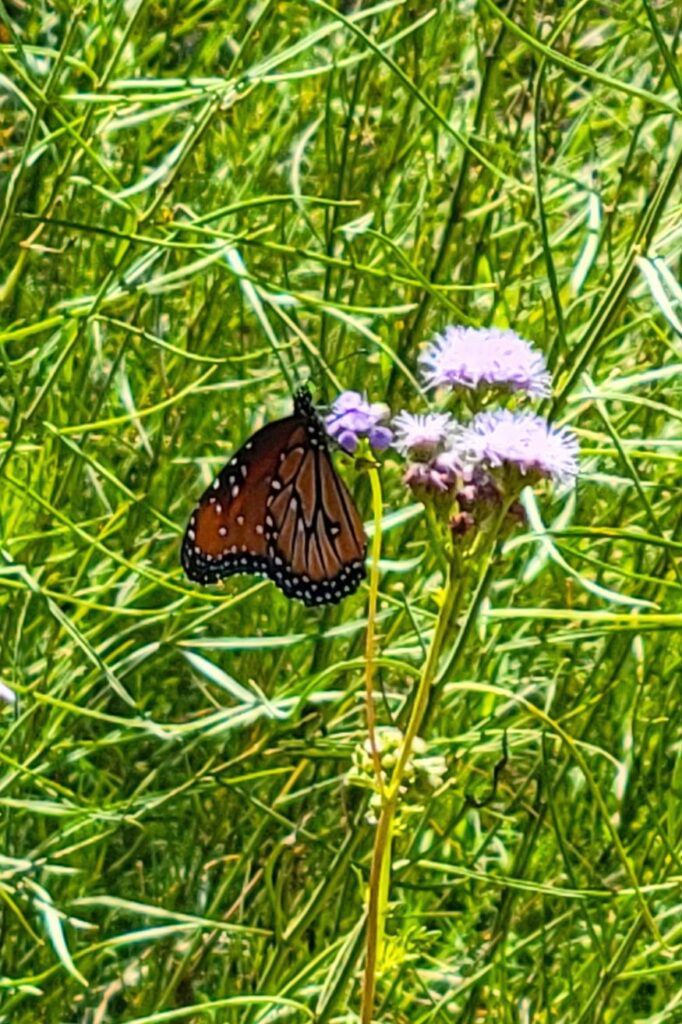
Butterflies look for shallow, flat topped flowers where they can rest while sipping nectar. Yarrow and Lantana are perfect for this.
Butterflies also need a place to safely lay their eggs, which means providing host plants. Milkweed is essential for Monarchs, while dill and fennel will attract Swallowtail caterpillars.
Attracting hummingbirds
Hummingbirds are drawn to bright red, orange, and pink tubular flowers. The shape of these blooms perfectly accommodates their long beaks and tongues.
Adding plants like Orange honeysuckle, Tecoma, Aloe, Trumpet Vine, or Red Salvia will encourage these tiny, energetic birds to visit your garden regularly.
Our Favorite Backyard Wildlife Identification Guides
Kaufman Field Guide To Butterflies Of North America
The Bees in Your Backyard: A Guide to North America’s Bees
Dragonflies of North America (Princeton Field Guides)
Garden Maintenance for Thriving Pollinators
Once your garden is planted, a few simple maintenance routines will keep it looking fresh and full of life.
Watering schedule and techniques
Water deeply and infrequently. This encourages plants to develop deep root systems, which makes them more resilient during dry spells.
Use a drip irrigation system or a soaker hose to deliver water directly to the soil. Watering at the base of the plant keeps the foliage dry, which prevents mildew and other fungal issues.
Reliable Drip Irrigation Supplies
Orbit B-hyve XD 4-Port Smart Hose Watering Timer
Rain Bird Drip Irrigation Landscape/Garden Watering Kit with Drippers, Micro-Bubblers, Micro-Sprays
Rain Bird Drip Irrigation Pressure Compensating 1/4″ Emitter Tubing, 6″ Emitter Spacing, 50 Roll
Pest control
In a healthy ecosystem, a few pests are normal. Ladybugs, lacewings, and predatory wasps will usually arrive to keep aphid populations in check.
If you notice a severe infestation, try knocking the pests off with a strong blast of water from the hose rather than reaching for harsh chemicals.
Deadheading and pruning for extended bloom
Regularly removing spent flowers, a process known as deadheading, signals the plant to produce more blooms instead of setting seed.
This simple task can drastically extend the flowering season, ensuring a steady food supply for your winged visitors.
Southwest Desert Flora – Home to the plants of the Sonoran, Chihuahuan and Mojave Deserts
Beyond the Flowers: Creating a Pollinator-Friendly Habitat
Food is important, but a true sanctuary provides a complete habitat.
Avoiding harmful pesticides
Chemical pesticides and herbicides cannot tell the difference between a harmful pest and a helpful pollinator.
To protect the bees and butterflies, commit to organic gardening practices. Embrace a slightly imperfect garden where a few chewed leaves are a sign of a thriving ecosystem.
Providing nesting sites
Many native bee species do not live in hives. They are solitary and nest in hollow plant stems or bare patches of ground.
You can support them by leaving a small area of your garden unmulched or by setting up a wooden bee house. Leaving a small brush pile in a quiet corner also provides excellent shelter for overwintering butterflies and beneficial insects.
Create a Consistent Water Source
Make sure to provide a consistent source of water for pollinators. We installed a small pond with a waterfall. Having a water feature in the garden is also very relaxing. It started attracting wildlife almost immediately.
Birds and mosquito eating dragonflies started using the pond. During the hottest time of year, we add a bee dish to the other side of the yard with small rocks in a water dish.
Make sure to set a seating area nearby so you can watch. For more easy water feature ideas, read: Nurturing Nature: Pollinator Garden Water Source Ideas
Seasonal Care and Long Term Success
Gardening is a year-round relationship. What you do at the end of the summer sets the stage for the following year.
Fall and winter preparations
As the summer winds down, resist the urge to cut everything back immediately.
Leave some dried seed heads on plants like Coneflowers to feed the birds during the cooler months.
The hollow stems of perennial plants also offer crucial winter shelter for dormant insects.
More information on how to create thriving native habitats at The Xerces Society for Invertebrate Conservation.
Propagating and expanding your garden
Many pollinator friendly perennials can be easily divided in the fall.
Dig up overcrowded clumps of Salvia or Bee Balm, gently pull the root systems apart, and replant them in new areas of your yard.
It is a fantastic, free way to expand your garden and share plants with your neighbors.
Bring Your Garden to Life
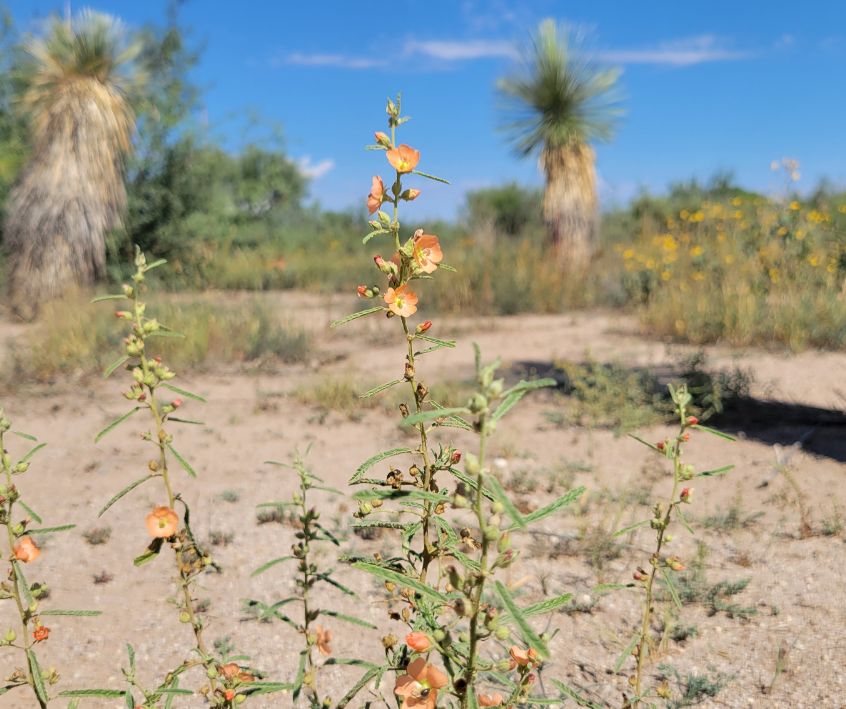
Building a summer pollinator garden in Zone 9 is a deeply rewarding experience. By selecting heat tolerant, nectar rich plants and practicing mindful maintenance, you can create a beautiful space that supports local ecosystems.
You will quickly find that gardening for wildlife brings a whole new level of joy to your outdoor chores. Grab your trowel, pick out some vibrant native seeds, and start transforming your yard into a bustling, blooming paradise today.
Calendula’s Garden is reader supported. When you buy through links on our site, we may earn an affiliate commission. As an Amazon Associate, I earn from qualifying purchases. For more information, view our Disclaimer page. Thank you!
Visit the Garden Resources page for supplies and inspiration. Don’t forget to subscribe to the Calendula’s Garden Newsletter for more gardening tips.