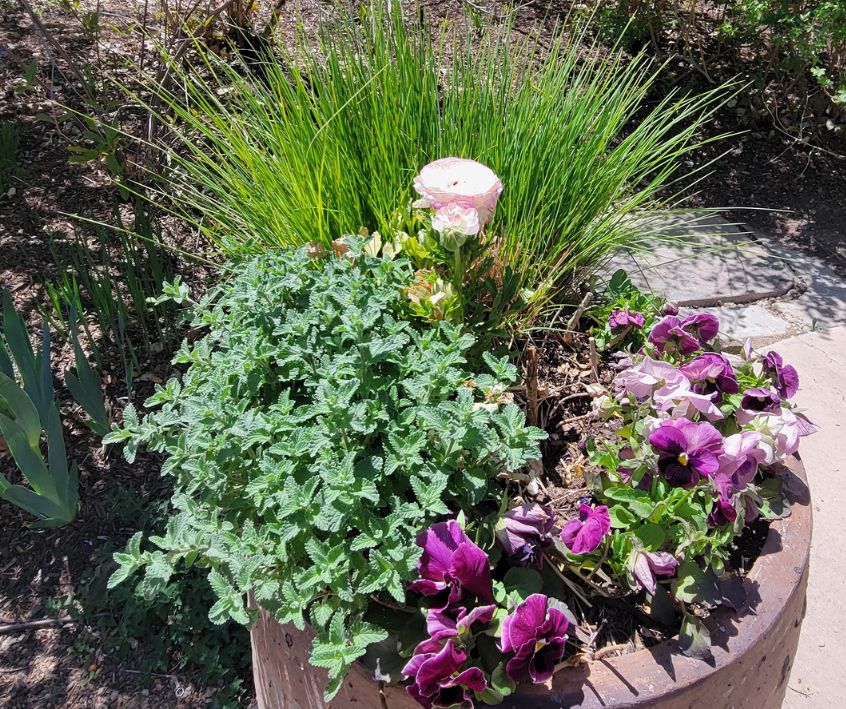
Stunning Small Home Container Garden Ideas
Calendula's Garden is reader suported This post may contain affiliate links, more on our Disclaimer page. Thank you!
If you’ve ever looked at a tiny balcony, a sunny windowsill, or a compact patio and thought, “I wish I could grow something there,” you aren’t alone.
For many of us living in urban environments or smaller homes, the dream of a sprawling backyard garden feels out of reach. But here is the good news: you don’t need acreage to grow your own food or beautify your space. You just need a pot.
Container gardening is the perfect solution for busy, health conscious individuals who want to reconnect with nature without the commitment of a large plot.
It offers a practical way to grow fresh, organic produce right at your doorstep, reducing your carbon footprint while enhancing your cooking with homegrown flavors. Beyond the sustainability perks, tending to a small garden is a proven stress reliever. A quiet moment of zen in a hectic schedule.
Whether you want to harvest fresh basil for your pasta, grow juicy cherry tomatoes, or simply add a splash of color to your entryway, container gardening makes it possible.
This guide will walk you through the essentials of setting up a thriving, sustainable garden in even the smallest of spaces.
Choosing the Right Containers
The vessel you choose is the foundation of your garden. While aesthetics are important, the material and drainage capabilities of your pots will directly impact plant health.
Material Matters
Terra Cotta and Clay
These classic pots are porous, allowing air and moisture to move through the walls. This is excellent for preventing root rot in plants that prefer drier conditions, like rosemary or succulents. However, they dry out faster, so you may need to water more frequently.
4 Pack Terracotta & Clay Pots for Plant with Saucers
Plastic and Resin
Lightweight and affordable, these retain moisture well, making them a good choice for moisture-loving plants like cucumbers or ferns. Look for high-quality, UV-resistant plastics that won’t become brittle in the sun.
Ceramic and Glazed
These heavy, durable pots hold moisture better than unglazed clay and come in stunning colors. They are perfect for making a design statement, but can be heavy to move once filled with soil.
Fabric Grow Bags
An excellent sustainable option, fabric pots allow for “air pruning” of roots, which promotes a healthier root system. They are lightweight and easy to store when not in use.
Size and Depth
The size of the pot determines how large your plant can grow. A common mistake beginners make is choosing a pot that is too small.
- Small (6–8 inches): Perfect for herbs like chives, thyme, and mint, or small leafy greens like spinach.
- Medium (10–14 inches): Suitable for peppers, bushy beans, or compact varieties of kale and swiss chard.
- Large (18+ inches): Required for larger crops like tomatoes, zucchini, or small fruit trees (like Meyer lemons).
The Golden Rule: Drainage
Regardless of the style, your container must have drainage holes. Without them, water pools at the bottom, suffocating the roots and leading to rot.
If you fall in love with a decorative pot that lacks holes, simply use a plastic nursery pot (with holes) inside the decorative one as a liner.
Selecting the Right Plants
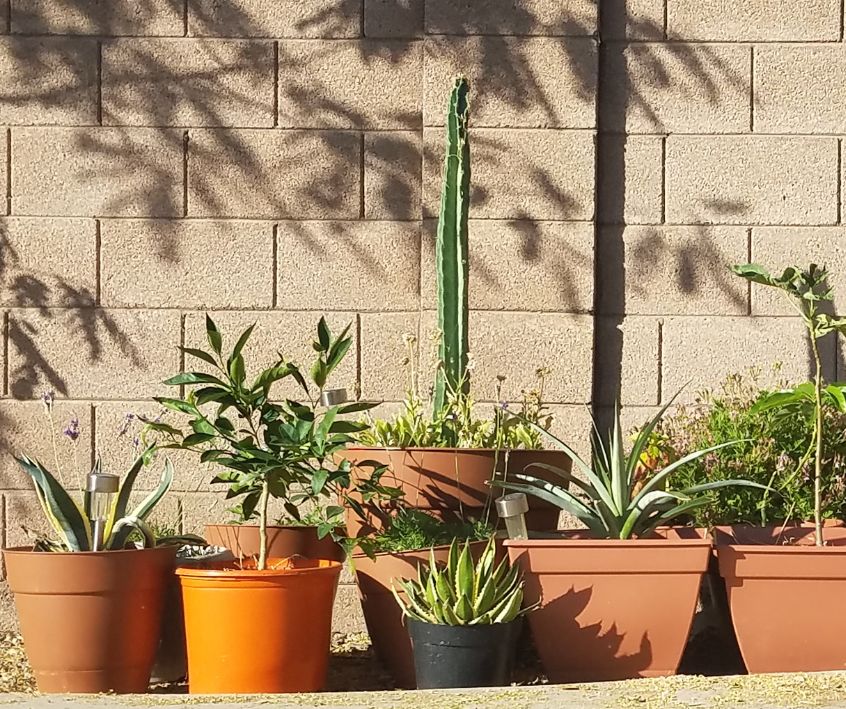
Success in a small space relies on choosing plants that thrive in confinement. Fortunately, plant breeders have developed “dwarf” or “bush” varieties specifically for this purpose.
Where to find seeds, plants, and supplies:
Vegetables for Containers
- Tomatoes: Look for “determinate” or “patio” varieties like ‘Tiny Tim’ or ‘Patio Princess’. These stop growing at a manageable height.
- Peppers: Both hot (jalapeño, thai chili) and sweet peppers (bell, shishito) adapt beautifully to pots.
- Lettuce and Greens: These have shallow roots and grow quickly. You can harvest the outer leaves and let the center keep growing for a continuous supply.
- Radishes: These grow incredibly fast (sometimes in just 30 days) and can be grown in shallow window boxes.
There are a few books I refer to on a regular basis when planning my gardens with companion planting in mind. They are:
Carrots Love Tomatoes: Secrets of Companion Planting for Successful Gardening,
Roses Love Garlic: Companion Planting and Other Secrets of Flowers
Vegetables Love Flowers: Companion Planting for Beauty and Bounty.
Herbs: The Kitchen Essentials
Herbs are the gateway drug to gardening. They are generally hardy and offer a high return on investment.
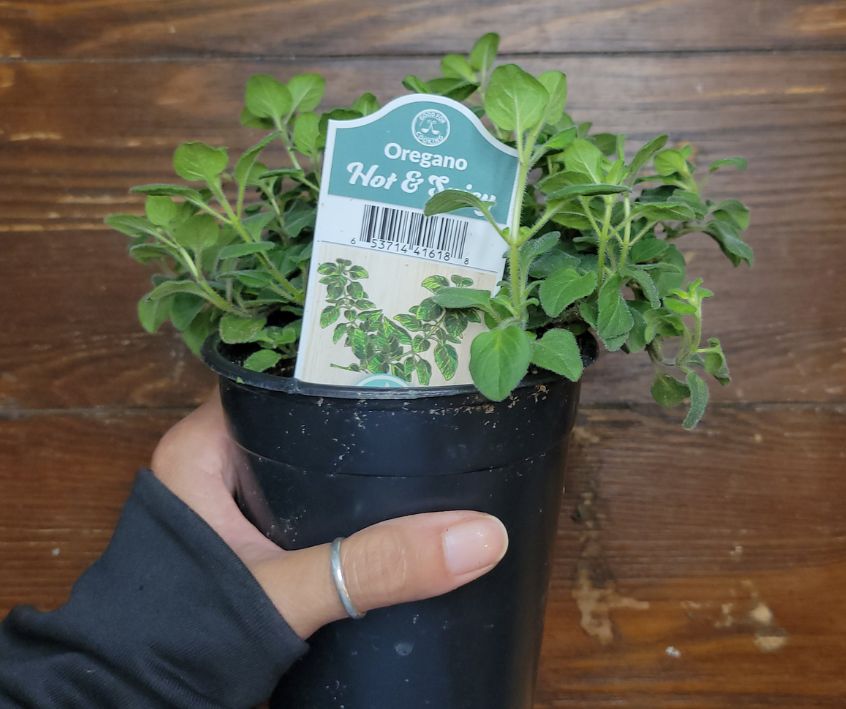
- Sun-Lovers: Basil, rosemary, sage, oregano, and thyme need 6-8 hours of direct sunlight.
- Shade-Tolerant: Parsley, cilantro, and mint can handle partial shade (though mint is invasive, so always give it its own pot!).
Flowers for Pollinators
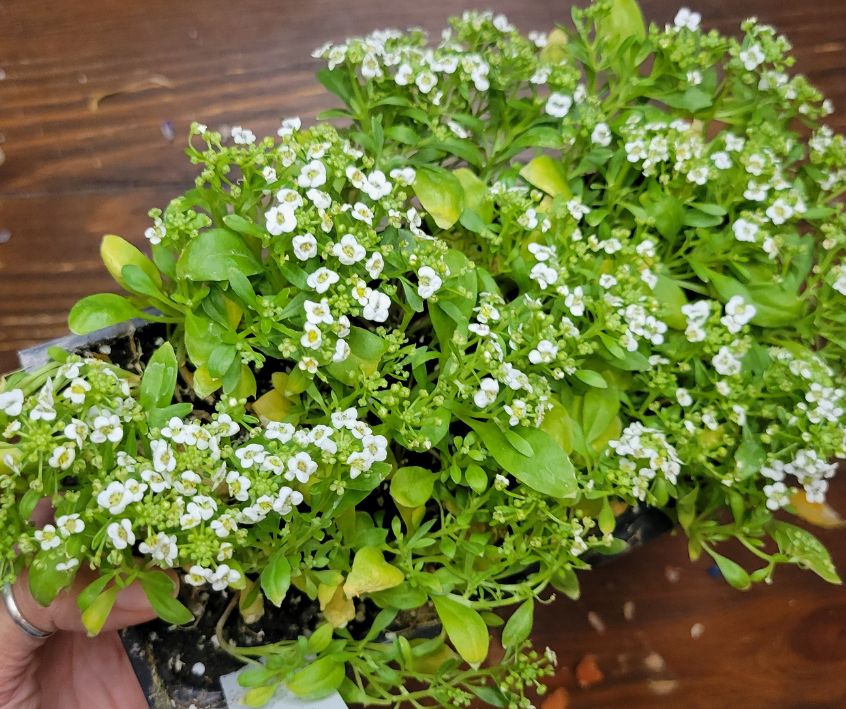
Don’t forget flowers! They attract bees and other pollinators essential for your vegetable plants.
- Marigolds: Bright, cheerful, and known to deter some garden pests.
- Nasturtiums: beautiful trailing flowers that are entirely edible. Leaves and blooms alike add a peppery kick to salads.
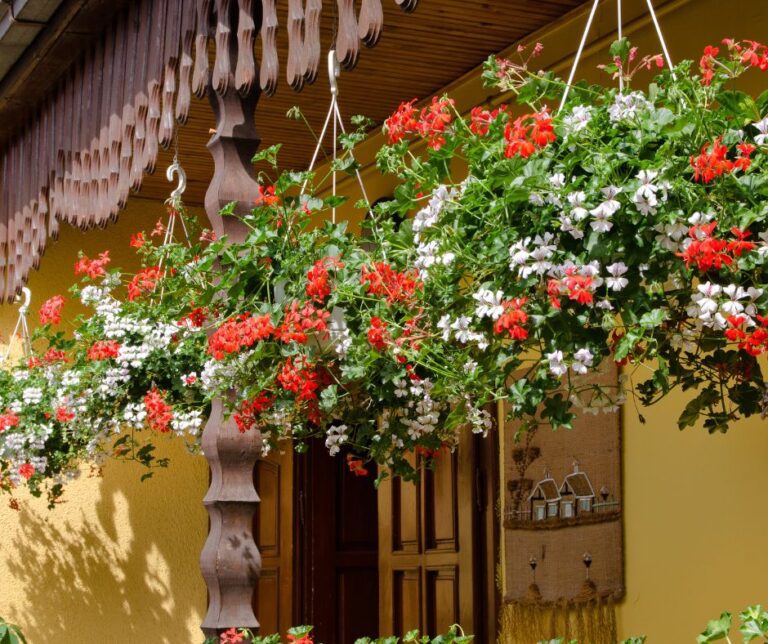
- Petunias: Great for hanging baskets to maximize vertical space.
Soil and Watering Essentials
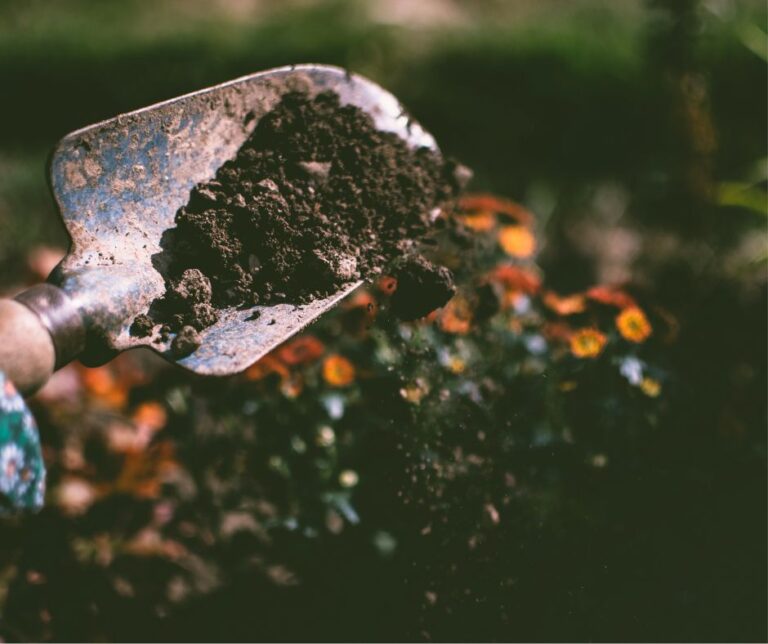
You might be tempted to scoop up some dirt from the ground, but garden soil is too heavy and compact for containers. It prevents water drainage and air circulation.
The Perfect Mix
Use a high-quality potting mix. These mixes are usually soil-free, made from peat moss (or sustainable coconut coir), perlite (white volcanic glass for aeration), and compost.
This combination ensures the mix is fluffy and holds moisture without becoming waterlogged. For an extra nutrient boost, mix in a handful of worm castings or slow-release organic fertilizer when planting.
FoxFarm Ocean Forest Potting Soil for Container Gardens
Watering Wisdom
Watering is an art form in container gardening. Because pots have less soil volume than the ground, they dry out much faster. Especially on hot, windy days.
- The Finger Test: Stick your finger about an inch into the soil. If it feels dry, it’s time to water. If it’s damp, wait a day.
- Water Deeply: Water until you see liquid running out of the drainage holes at the bottom. This encourages roots to grow downward toward the moisture, creating a stronger plant.
- Morning Routine: Try to water in the morning. This prepares the plant for the heat of the day and allows foliage to dry off before nightfall, reducing the risk of fungal diseases.
Maintenance Tips for Healthy Growth
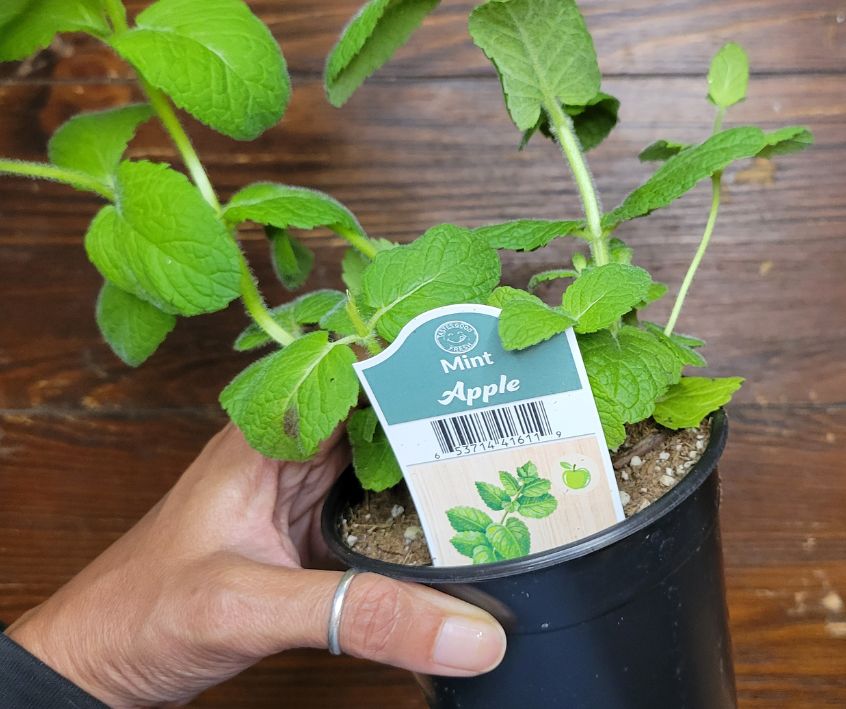
A little maintenance goes a long way. Since your plants can’t spread their roots to find new nutrients, they rely entirely on you.
Fertilizing
Nutrients flush out of pots with every watering. Feed your vegetable and flowering plants every 2–4 weeks with a liquid organic fertilizer (like fish emulsion or seaweed extract) to keep them productive.
Neptune’s Harvest Fish & Seaweed Liquid Fertilizer
Pruning and Deadheading
Pinched-off dead flowers (“deadheading”) encourages the plant to produce more blooms rather than seeds. For herbs like basil, harvesting frequently actually helps the plant grow bushier and more abundant.
Pest Control
Keep an eye out for aphids or spider mites. In a small garden, these are often easily managed by wiping leaves with a damp cloth or spraying them with a mixture of water and a few drops of mild dish soap (or neem oil).
10 Common Garden Pests and How to Get Rid of Them Naturally
Creative Layouts for Small Spaces
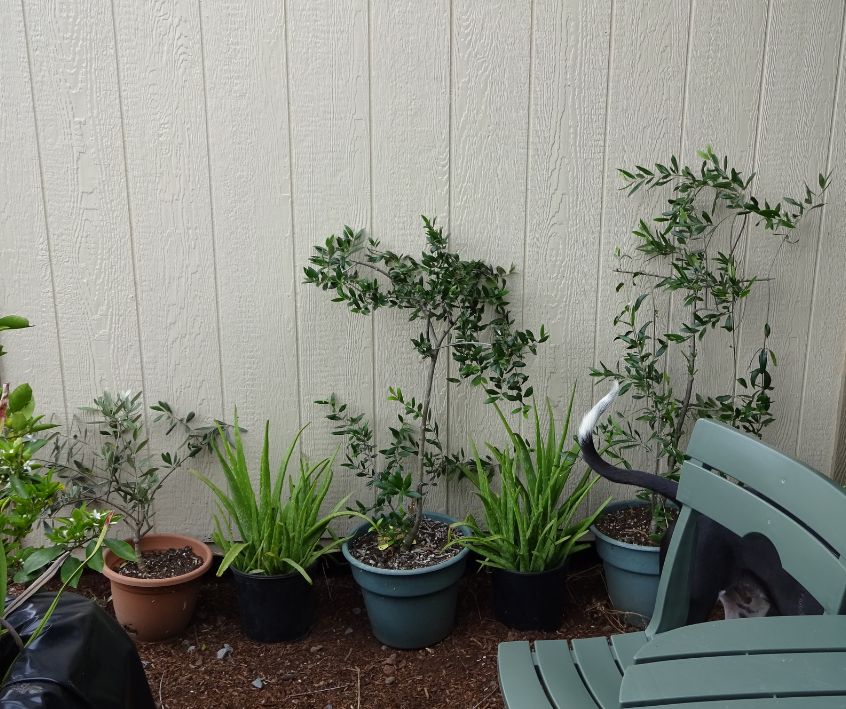
Limited square footage invites creativity. Here are three ways to arrange your container garden for maximum impact:
1. The Vertical Green Wall
If you lack floor space, look up. Use a tiered plant stand, a repurposed wooden pallet, or wall-mounted pockets to stack your plants vertically. This is ideal for trailing plants like strawberries, nasturtiums, or ivy, and keeps herbs easily accessible at eye level.
2. The Culinary Cluster
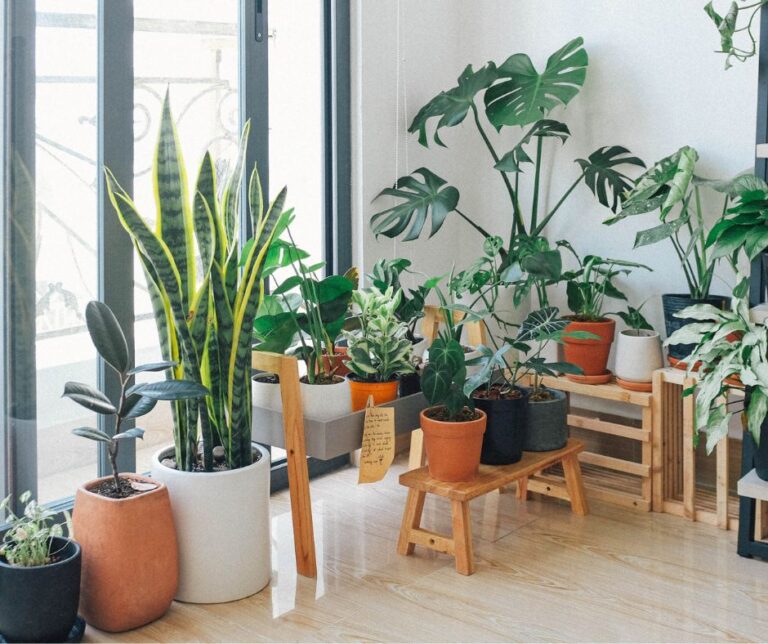
Group pots of varying sizes together near your kitchen door or on a windowsill. Place taller plants (like rosemary or lemongrass) in the back, medium plants (peppers, basil) in the middle, and trailing plants (thyme, oregano) in the front. This creates a lush, “layered” look and creates a humid microclimate that plants love.
3. The Railing Garden
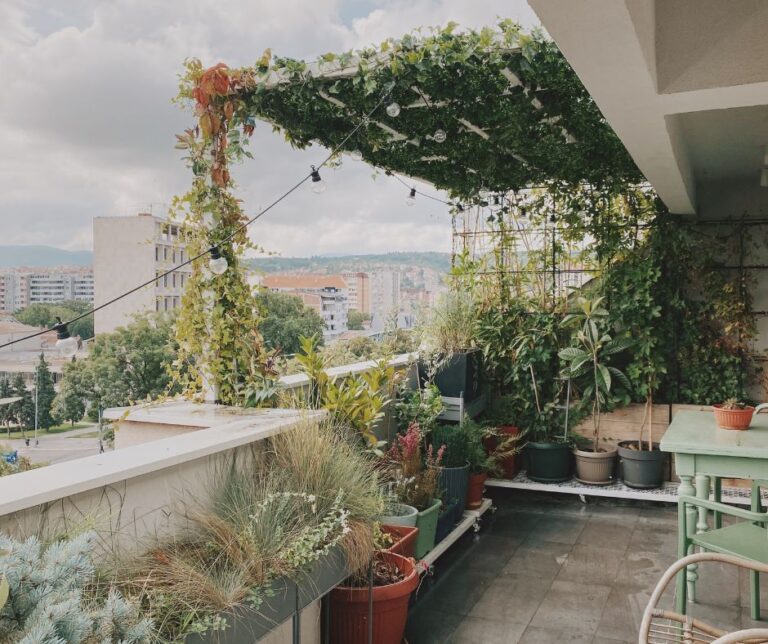
For apartment dwellers with balconies, railing planters are a game-changer. These straddle the railing, taking up zero floor space. They are perfect for sun-loving annuals or a salad garden of lettuce and arugula.
Cultivating Joy at Home
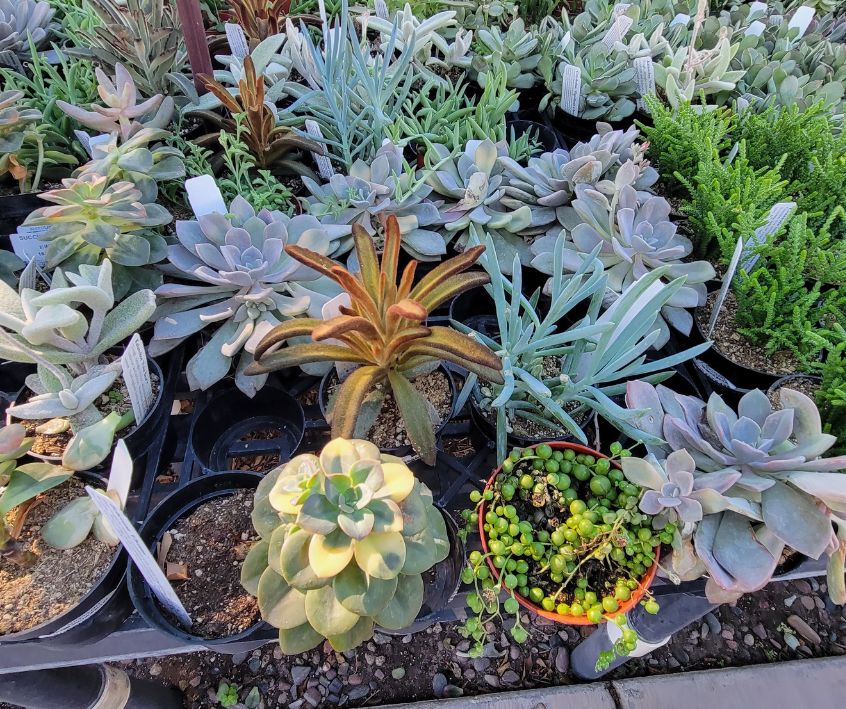
Starting a container garden is a small act with significant rewards. It provides fresh, chemical free food, supports local pollinators, and turns a stark corner of your home into a vibrant sanctuary.
Whether you are growing a single pot of mint for your tea or a full balcony of tomatoes and peppers, you are engaging in a sustainable practice that benefits both your health and the planet.
So grab a pot, get your hands in the soil, and watch your small space bloom.
Visit the Garden Resources page for supplies and inspiration. Don’t forget to subscribe to the Calendula’s Garden Newsletter for more gardening tips.
Calendula’s Garden is reader supported. When you buy through links on our site, we may earn an affiliate commission. As an Amazon Associate, I earn from qualifying purchases. For more information, view our Disclaimer page. Thank you!