Step-By-Step Guide To Cleaning Your Plant’s Leaves
Calendula's Garden is reader suported This post may contain affiliate links, more on our Disclaimer page. Thank you!
If you’re a plant parent, you already know the joy that lush, green leaves can bring to a room. But have you ever noticed a fine layer of dust dulling their shine?
Just like the surfaces in our homes, plant leaves collect dust, grime, and other tiny particles. Cleaning them isn’t just about making them look pretty. It’s a crucial step in keeping them healthy and happy.
This guide will walk you through everything you need to know about cleaning your indoor plant’s leaves. We’ll cover why it’s so important, the best tools for the job, and how to handle different types of leaves.
Think of it as a spa day for your green friends; they’ll thank you for it by looking more vibrant and growing stronger.
Why Should You Clean Plant Leaves?

A little dust might not seem like a big deal, but it can have a significant impact on your plant’s health. Here are a few key reasons why regular cleaning should be part of your plant care routine.
Improved Photosynthesis
Plants use their leaves to absorb sunlight, which they convert into energy through a process called photosynthesis. A layer of dust blocks sunlight, making it harder for the plant to feed itself. Clean leaves can absorb more light, leading to better growth and more vibrant foliage.
Pest Prevention
Common houseplant pests like spider mites, aphids, and mealybugs love to hide in dusty corners. Regularly wiping down your plant’s leaves gives you a chance to inspect them up close and remove any unwelcome guests before they can multiply and cause a full-blown infestation.
Better Breathing
Plants “breathe” through tiny pores on their leaves called stomata. These pores allow the plant to take in carbon dioxide and release oxygen. When dust and grime clog these pores, it can hinder the plant’s ability to transpire and exchange gases, essentially suffocating it.
Aesthetic Appeal
Let’s be honest, shiny, clean leaves just look better. A quick wipe-down can instantly revive the look of your plants, making their colors pop and adding a touch of polished beauty to your home.
Tools You’ll Need
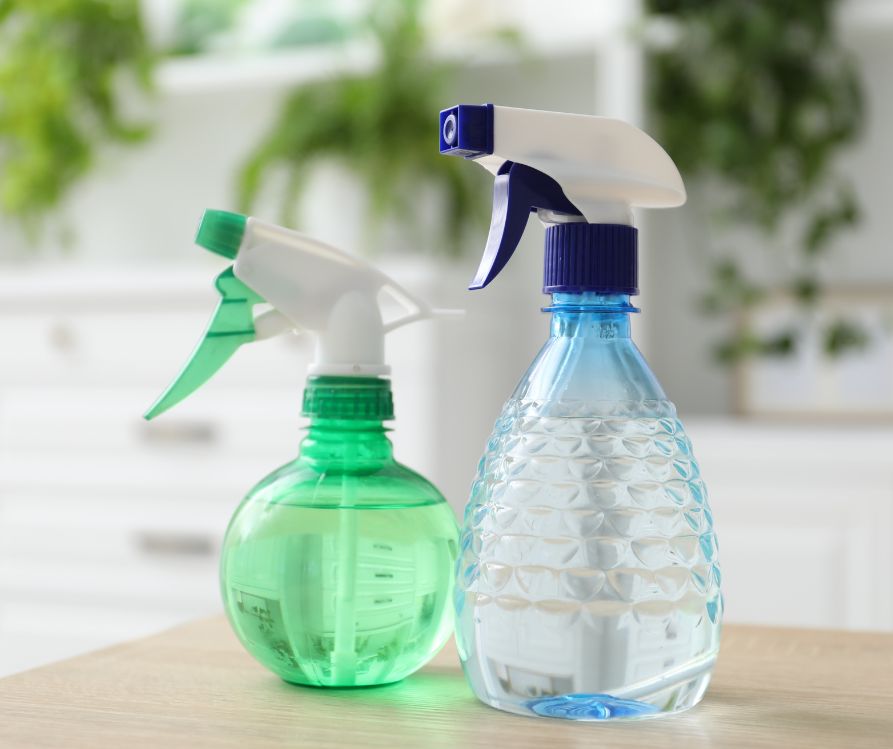
You don’t need a lot of fancy equipment to get the job done. In fact, you probably have most of these items at home already.
- Soft Cloth or Sponge: A microfiber cloth is perfect because it’s gentle and traps dust effectively. A soft sponge also works well.
- Water: Lukewarm, filtered, or distilled water is best. Tap water can sometimes contain minerals that leave white spots on the leaves.
- Spray Bottle: A spray bottle is great for misting plants and rinsing off any cleaning solutions.
- Mild Soap (Optional): If your plant leaves are particularly grimy or oily, a drop of mild, unscented dish soap (like castile soap) in a bowl of water can help.
- Neem Oil (Optional): A fantastic natural pesticide and fungicide, neem oil can be mixed with water and a little soap to help prevent pests. It also gives leaves a healthy, natural shine.
- Small, Soft Brush: For plants with fuzzy or delicate leaves, a small paintbrush or an old, soft toothbrush can gently brush away dust.
A Step-by-Step Guide to Cleaning Your Plants
Ready to give your plants a good cleaning? Here’s how to do it right.
Step 1: Prep Your Plant
Before you start cleaning, give your plant a quick inspection. Check for any pests on the undersides of leaves and around the stems.
If you find any, it’s a good idea to isolate the plant from others to prevent the pests from spreading. You can also trim away any dead or yellowing leaves at this stage.
Step 2: Gently Wipe the Leaves
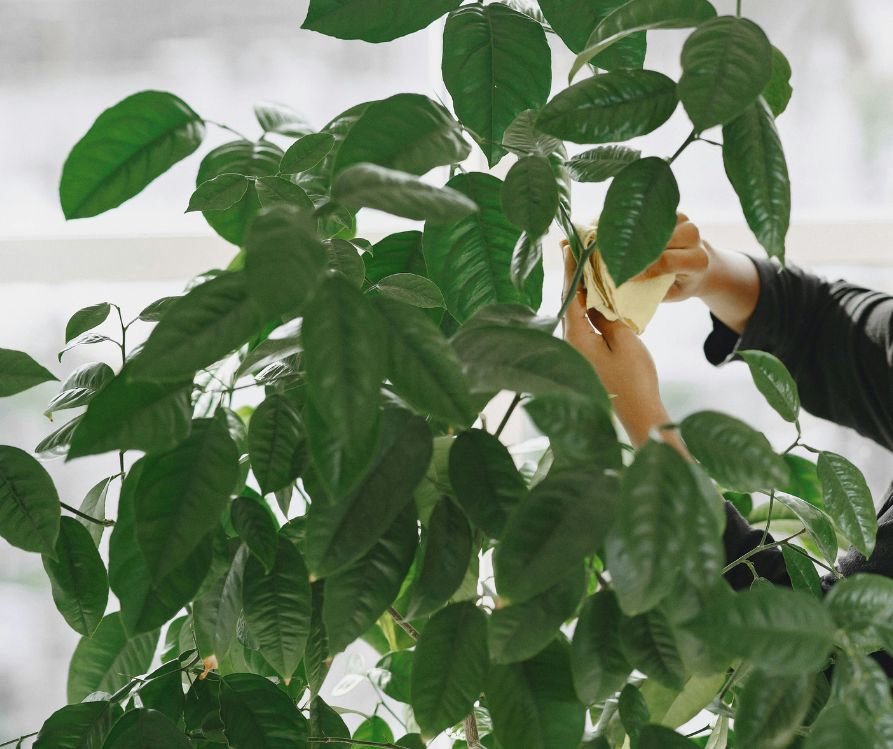
Dip your soft cloth or sponge into your bowl of lukewarm water (with or without a drop of soap). Squeeze out any excess water so the cloth is damp, not soaking wet.
Hold a leaf with one hand to support it and gently wipe the top and bottom surfaces with your damp cloth. Start from the base of the leaf and wipe towards the tip.
This prevents any damage to the stem and ensures you’re not accidentally tearing the leaf. Rinse your cloth regularly to avoid spreading dust from one leaf to another.
Step 3: Rinse and Dry (If Necessary)
If you used a soap solution, you’ll want to rinse it off. You can do this by wiping the leaves again with a clean cloth dipped in plain water or by giving the plant a gentle shower in your sink or bathtub. A light misting with a spray bottle also works.
Allow the leaves to air dry completely. Avoid placing them in direct sunlight while they’re still wet, as water droplets can act like tiny magnifying glasses and burn the leaves.
How to Clean Different Leaf Types
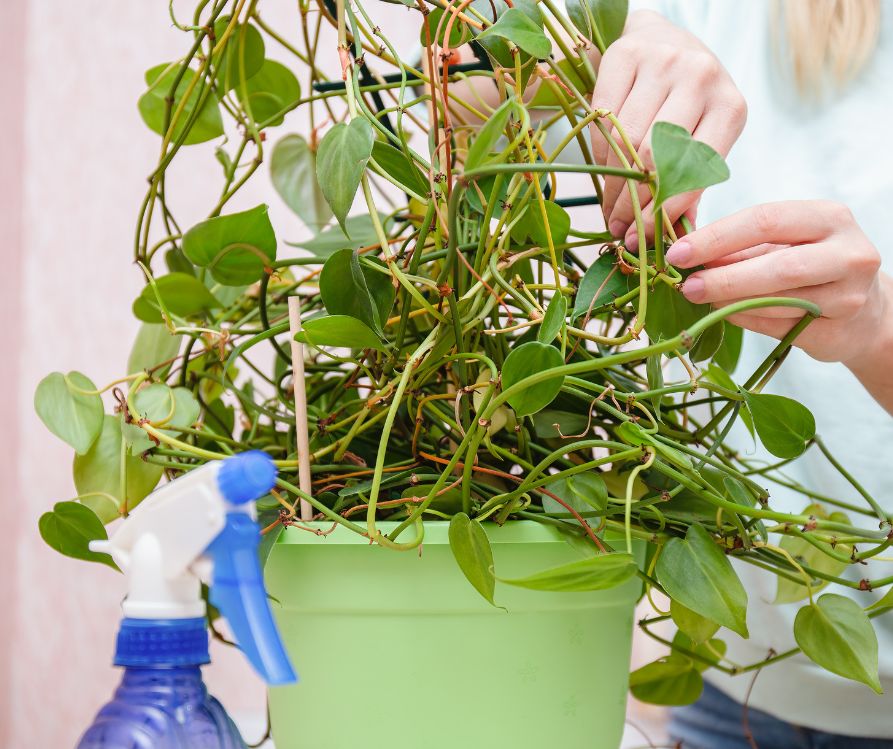
Not all leaves are created equal. Some require a more delicate touch than others.
Smooth Leaves (e.g., Fiddle Leaf Fig, Rubber Plant)
These are the easiest to clean. A simple wipe-down with a damp cloth is usually all they need. For an extra shine, you can use a diluted neem oil solution.
Fuzzy Leaves (e.g., African Violets, Begonias)
Water can damage the delicate hairs (trichomes) on fuzzy leaves, leading to brown spots and rot. Instead of a damp cloth, use a soft, dry brush (like a mushroom brush or a small paintbrush) to gently whisk away dust.
Delicate or Thin Leaves (e.g., Ferns, Calatheas)
These plants can be sensitive. A gentle misting with a spray bottle is often the safest way to clean them. If they need a more thorough clean, handle their leaves with extra care when wiping them down.
Succulents and Cacti (e.g., Echeveria, Haworthia)
Many succulents have a powdery, waxy coating called farina that protects them from the sun. Wiping can remove this coating, so it’s best to use a soft brush to dust them off. For spiny cacti, a brush is also the safest option for your fingers!
Natural Leaf-Shine Solutions
Want to give your plants a little extra sparkle without using commercial leaf-shine products? These can often clog leaf pores. Instead, try one of these natural alternatives.
Diluted Lemon Juice
A few drops of lemon juice in a cup of water can help break down mineral deposits and leave a nice shine. Use it sparingly, as too much acid isn’t good for plants.
Milk and Water
A 50/50 mix of milk and water can act as a natural leaf cleaner and fungicide. Wipe it on and let it dry.
Vinegar Solution
Mix one part white vinegar with three parts water. This solution is great for cutting through grime, but like lemon juice, it should be used in moderation.
Always test any new cleaning solution on a single leaf first to make sure your plant doesn’t have an adverse reaction.
How Often Should You Clean Your Plants?
The frequency of cleaning depends on your home’s environment. If your home is particularly dusty or you have pets, you might need to clean your plants every two to four weeks. In a less dusty environment, cleaning every one to two months might be enough.
A good rule of thumb is to check your plants regularly. If you can see a layer of dust or write your name on a leaf, it’s definitely time for a cleaning!
A Fresh Start for Your Plants
Cleaning your plant leaves is a simple but incredibly effective way to support their health and beauty. It’s a mindful and rewarding practice that connects you more deeply with your green companions.
By taking a few minutes every month to wipe away the dust, you’re not just cleaning, you’re helping your plants thrive. So go on, grab a cloth and give your houseplants the spa treatment they deserve.
Visit the Garden Resources page for supplies and inspiration. Don’t forget to subscribe to the Calendula’s Garden Newsletter for more gardening tips.
Calendula’s Garden is reader supported. When you buy through links on our site, we may earn an affiliate commission. As an Amazon Associate, I earn from qualifying purchases. For more information, view our Disclaimer page. Thank you!