Start an Indoor Herb Garden for Winter Cooking
Calendula's Garden is reader suported This post may contain affiliate links, more on our Disclaimer page. Thank you!
Winter can often feel like a dreary time for gardeners and home cooks alike. With frosty weather outside, the idea of fresh herbs might seem out of reach.
However, indoor herb gardening offers a delightful solution, allowing you to enjoy vibrant flavors throughout the colder months.
This guide will take you through the steps to create your own indoor herb garden, perfect for spicing up your winter dishes.
Why Indoor Herb Gardening?
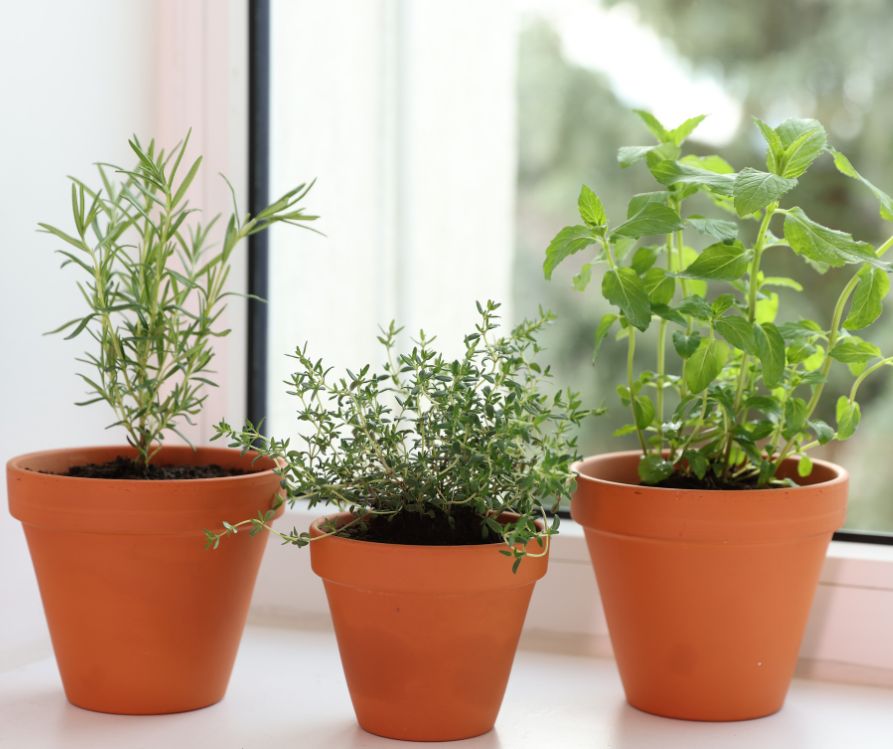
Indoor herb gardening allows you to cultivate your favorite herbs year-round, ensuring a fresh supply right in your kitchen.
Not only does this enhance your culinary creations with robust flavors, but it also offers numerous health benefits. Fresh herbs are packed with nutrients and can elevate your cooking without extra calories or sodium.
Plus, tending to an indoor garden can be a calming activity during those long winter days.
Selecting the Right Herbs
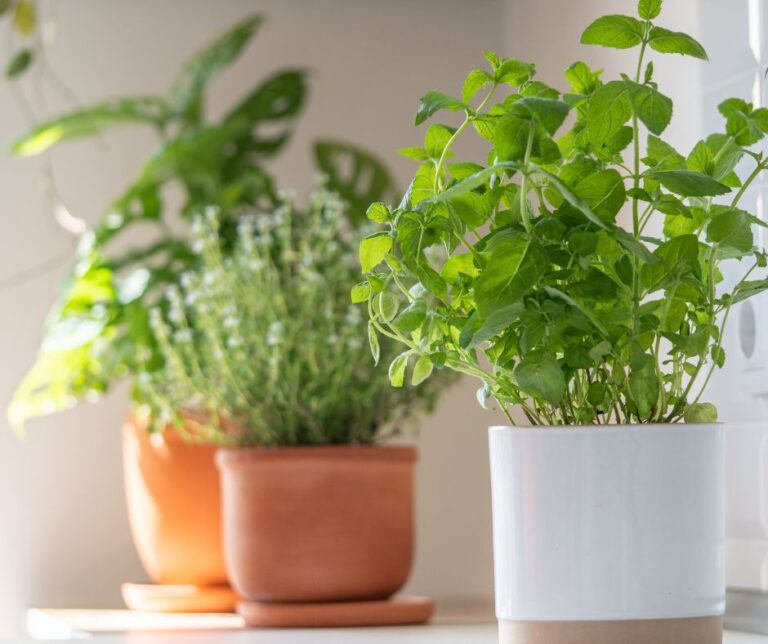
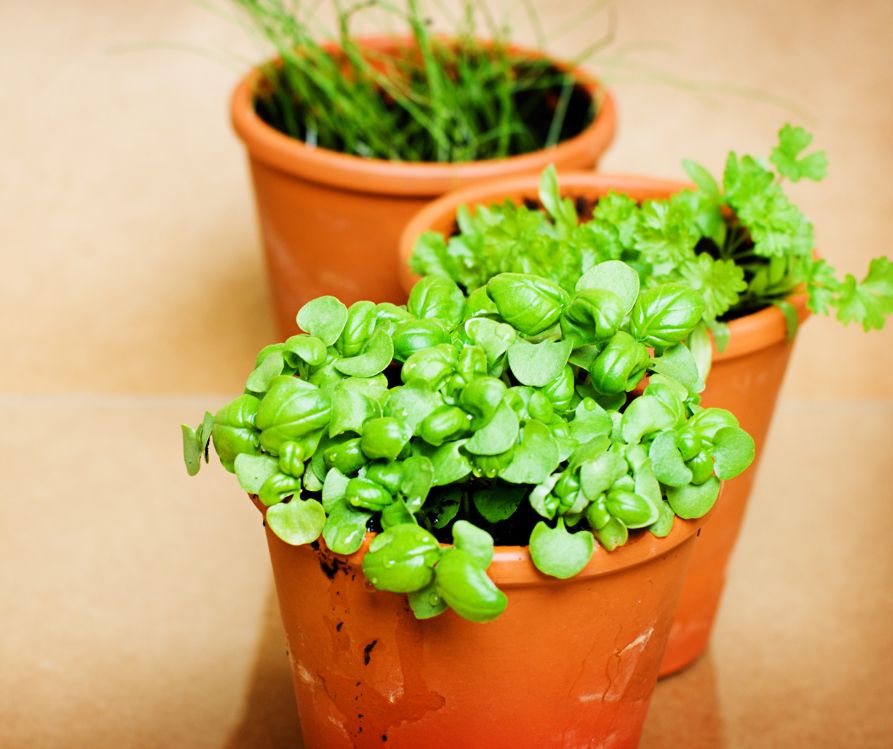
When starting your indoor herb garden, it’s essential to choose the right herbs that thrive indoors, especially in winter conditions. Start with seedlings from your local garden center to get started. Many herb seeds take a while to germinate.
Once you have your seedlings settled in, you can start more herb plants from seed. This way, you can enjoy harvesting and cooking with your homegrown herbs sooner.
Where to find seeds, plants, and supplies:
Here are a few top recommendations:
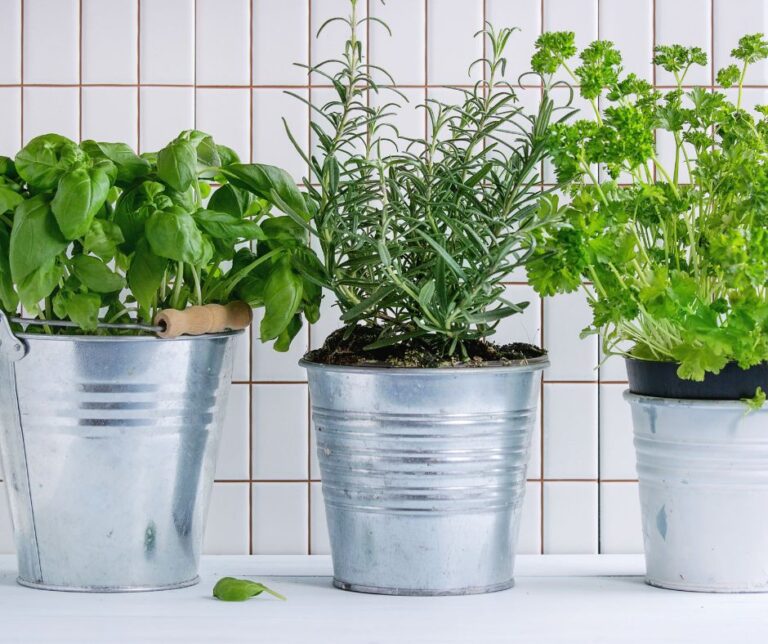
Basil
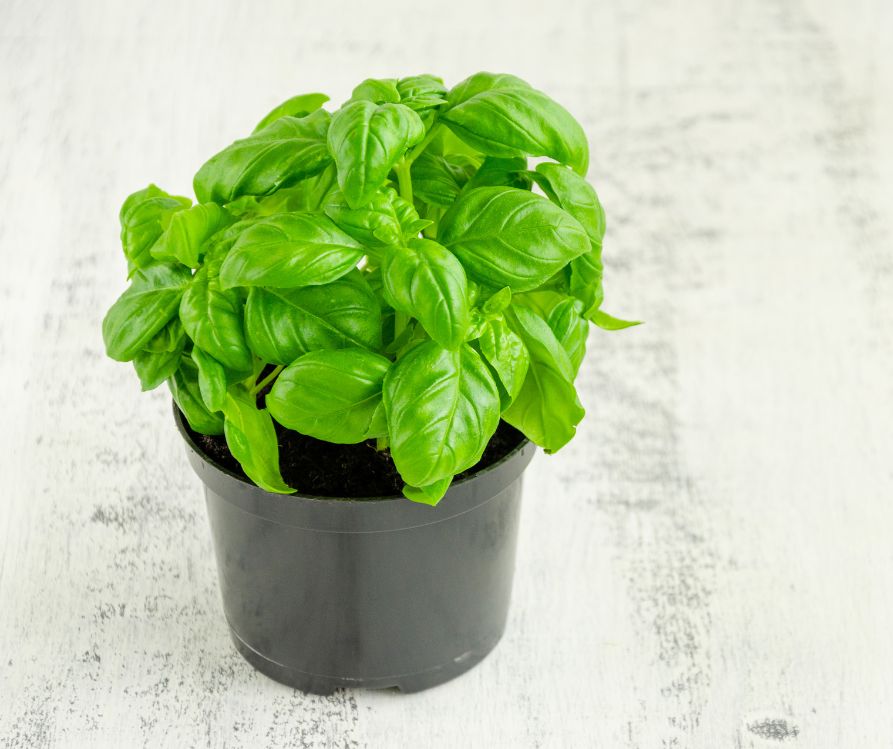
A classic herb for many dishes; make sure it gets plenty of sunlight.
Mint
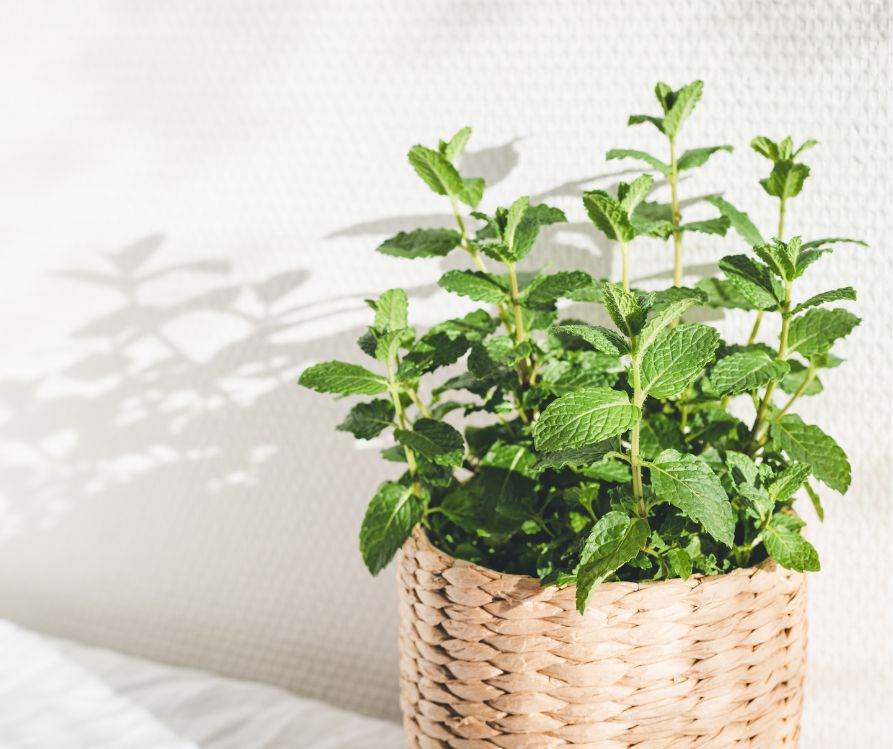
Hardy and easy to grow, mint adds a refreshing twist to drinks and desserts.
Thyme
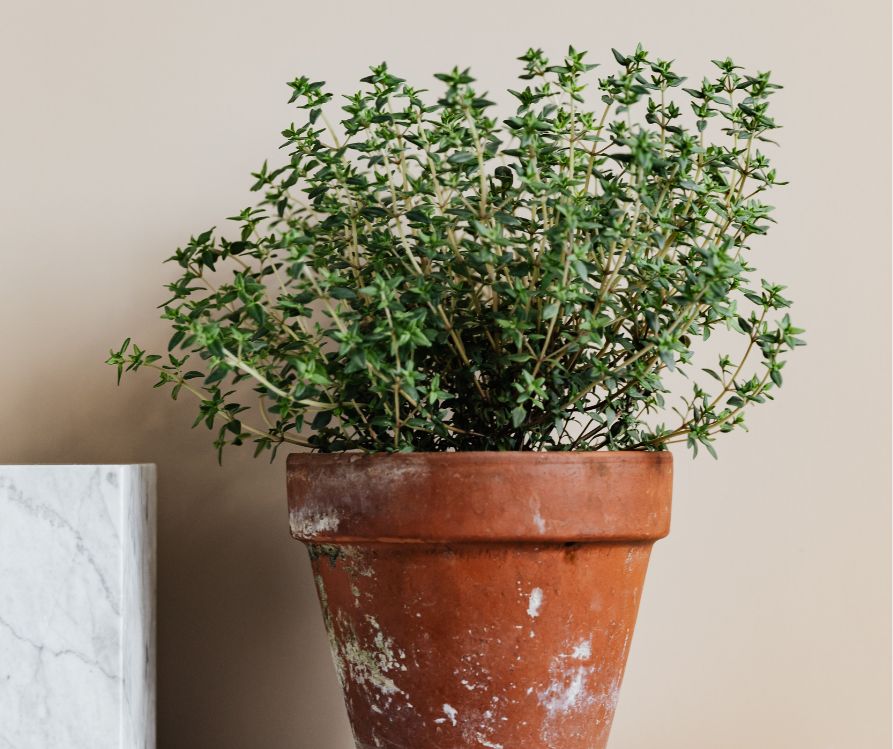
Requires little maintenance and pairs well with roasted winter vegetables.
Chives
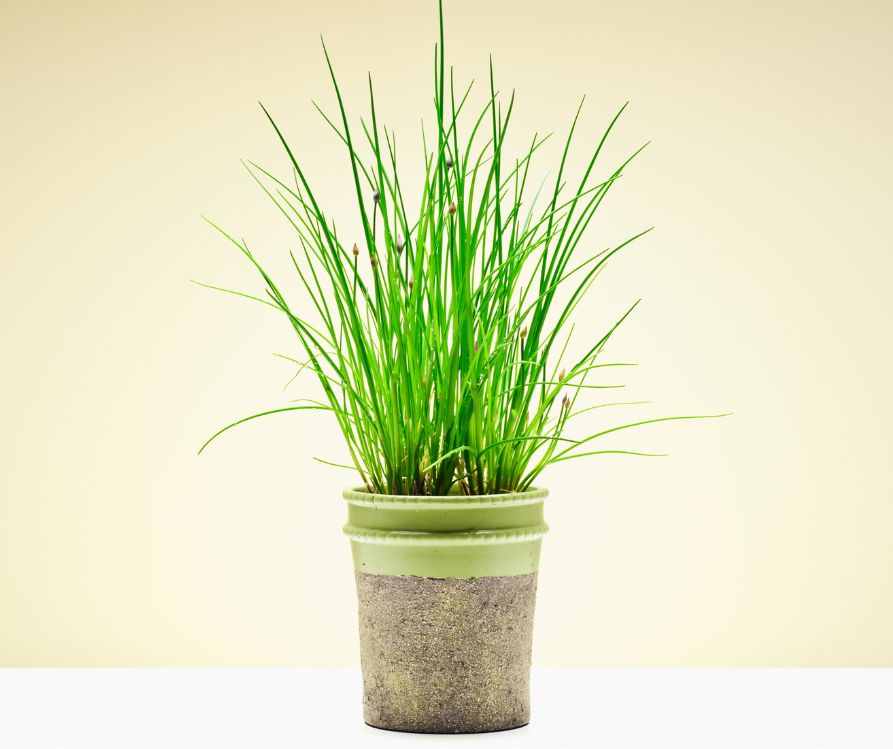
Their mild onion flavor is perfect for garnishing soups and stews.
Oregano
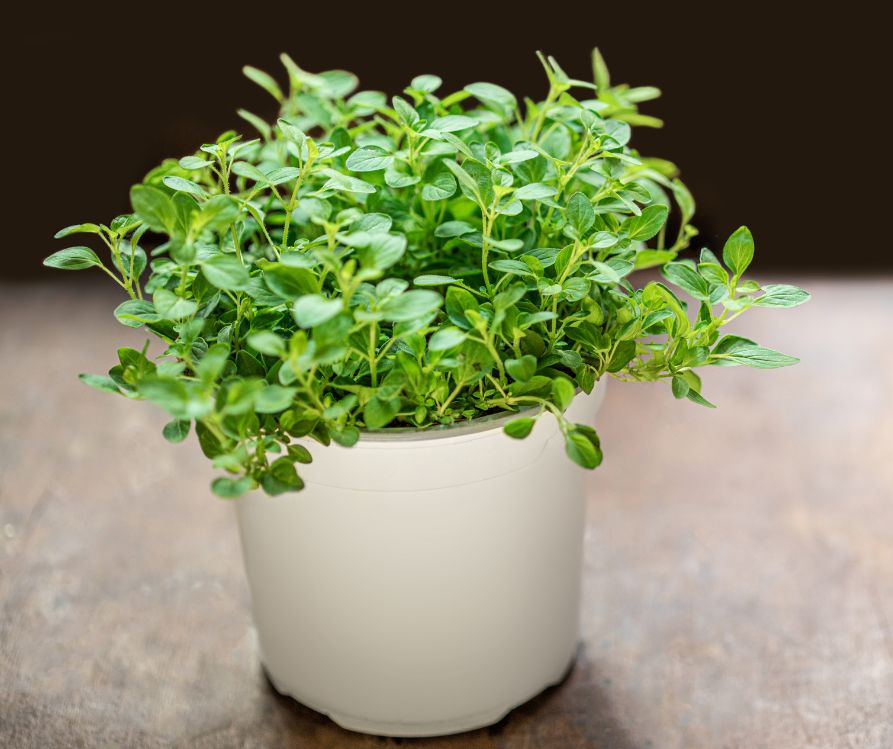
Its robust aroma enhances Italian and Mediterranean dishes.
These herbs are not only versatile in cooking but are also well-suited to indoor environments.
More indoor herb garden inspiration in our video:12 Best Herbs To Grow Indoors
Preparing Your Indoor Gardening Space
Creating an ideal environment is crucial for the success of your indoor herb garden. Here’s how to set up your space:
Containers
Opt for pots with drainage holes to prevent waterlogging. You can use traditional clay pots or get creative with repurposed containers like plastic food containers (just add holes in the bottom for drainage).
D’vine Dev Terracotta Pots for Plants
Soil
Use a light, well draining potting mix. Avoid garden soil as it’s too dense for container gardening. Fast draining cactus mix works best for Mediterranean herbs like thyme and oregano.
Back to The Roots 100% Organic Succulent & Cacti Mix
Lighting
Herbs need at least six hours of sunlight daily. Position your plants near a south-facing window, or invest in grow lights to supplement natural light.
2 Pack LED Grow Light Panel 200W Lamp for Indoor Plants
Ensuring your herbs have the proper environment will set the foundation for a thriving indoor garden.
Planting and Caring for Your Herbs
Once your space is ready, it’s time to plant your herbs. Follow these care tips to keep your garden flourishing:
Watering
Herbs generally prefer slightly dry soil. Water when the top inch feels dry to the touch, being careful not to overwater.
Fertilizing
Feed your herbs a balanced liquid fertilizer every month to support healthy growth.
Pruning
Regularly trim your herbs to encourage bushy growth and prevent them from becoming leggy. Use the clippings in your cooking.
Consistent care will keep your herbs healthy and productive throughout the winter season.
Harvesting and Storing Your Herbs
To enjoy your herbs at their best, harvest them correctly:
Harvesting
Pick herbs in the morning after the dew has dried. This is when their oils (and flavors) are most concentrated.
Storing
If you have more than you can use fresh, dry or freeze the extra. Dried herbs should be stored in airtight containers, while frozen herbs can be kept in ice cube trays with a bit of water or olive oil.
Proper harvesting and storage ensure a steady supply of flavorful herbs for your recipes.
Cooking with Fresh Herbs
Incorporating fresh herbs into your winter meals can transform ordinary dishes into gourmet experiences. Here are some ideas:
Basil Pesto
Blend fresh basil leaves with garlic, pine nuts, Parmesan cheese, and olive oil for a classic pesto sauce.
Herb-Infused Oil
Simmer your favorite herbs in olive oil, then drizzle over soups or grilled meats for enhanced flavor.
Mint Hot Chocolate
Add a sprig of mint to your hot chocolate for a refreshing twist.
These recipes are just the beginning. Experiment with different combinations to find your favorite flavors.
Start Your Indoor Herb Garden Today
Starting an indoor herb garden is a rewarding venture that enhances both your cooking and your home environment. With planning and care, you can enjoy the freshest herbs all winter long.
Begin this delightful project now and savor the joy of adding garden-fresh ingredients to your winter meals.
Happy gardening!
Visit the Garden Resources page for supplies and inspiration. Don’t forget to subscribe to the Calendula’s Garden Newsletter for more gardening tips.
Calendula’s Garden is reader supported. When you buy through links on our site, we may earn an affiliate commission. As an Amazon Associate, I earn from qualifying purchases. For more information, view our Disclaimer page. Thank you!