Spring Potpourri Recipes for a Fresh and Inviting Home
Calendula's Garden is reader suported This post may contain affiliate links, more on our Disclaimer page. Thank you!
Spring represents renewal. The heavy blankets are packed away, windows are thrown open, and the scent of rain and blooming flowers fills the air outside. Why not bring that freshness indoors?
While store-bought air fresheners and candles often rely on synthetic fragrances that can be overwhelming or fleeting, homemade potpourri offers a natural, subtle way to scent your home. It uses real ingredients, dried flowers, herbs, fruits, and spices, to create a layered aroma that feels authentic to the season.
Making your own potpourri is surprisingly simple. It requires minimal equipment and allows you to customize scents to your exact preference.
Whether you prefer the zesty brightness of citrus or the calming aroma of lavender, there is a recipe here that will transform your living space. This guide covers the basics of potpourri making, followed by a curated list of the most effective blends to welcome spring into your home.
The Basics of Homemade Potpourri
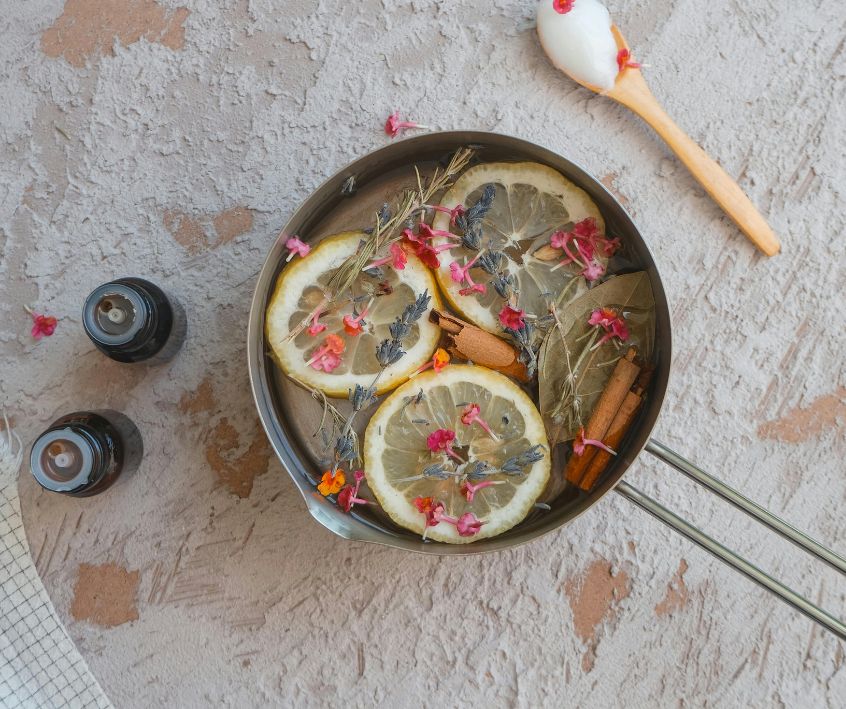
Before diving into specific recipes, it is helpful to understand the two main methods of making potpourri: dry and stovetop (simmer pot).
Dry Potpourri
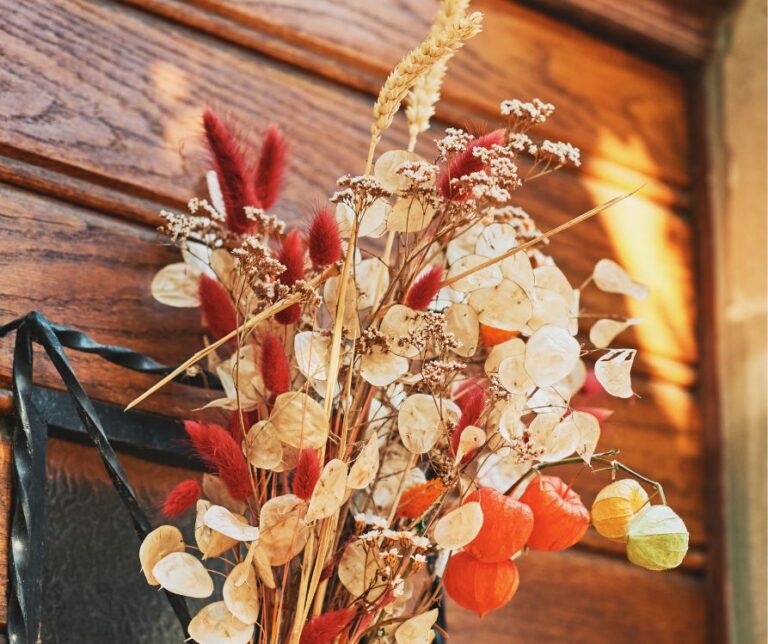
This is the traditional method most people recognize. It involves drying various botanicals and mixing them with essential oils and a fixative (like orris root powder) to help the scent last.
- Pros: Long-lasting (weeks or months), serves as beautiful decor in a bowl.
- Cons: Takes time to cure (usually a few weeks) for the scent to fully develop.
Stovetop Potpourri (Simmer Pots)
This method involves placing fresh or dried ingredients in a pot of water on the stove and letting it simmer on low heat.
- Pros: Instant gratification. The scent fills your home within minutes.
- Cons: Lasts only as long as you keep it simmering (usually a day or two), requires monitoring to ensure the water doesn’t evaporate completely.
The recipes below include options for both methods so you can choose what fits your lifestyle and immediate needs.
1. The “Lemon & Lavender” Calm (Dry Potpourri)
This blend combines the uplifting properties of lemon with the relaxing qualities of lavender. It is perfect for bedrooms or bathrooms where you want a clean, serene atmosphere.
Ingredients:
- 1 cup dried lavender buds
- 1/2 cup dried lemon peel strips
- 1/4 cup dried chamomile flowers
- 10 drops lavender essential oil
- 5 drops lemon essential oil
- 1 tablespoon orris root powder (optional, helps scent last longer)
Instructions:
- Combine Botanicals: In a large bowl, gently mix the dried lavender, lemon peel, and chamomile.
- Add Oils: If using orris root powder, mix the essential oils into the powder first, then toss with the botanicals. If not using a fixative, drip the oils directly onto the mixture and toss gently.
- Cure: Place the mixture in a sealed glass jar or paper bag. Store it in a cool, dark place for 2-4 weeks, shaking the container every few days to distribute the oils.
- Display: Once cured, pour into a decorative bowl.
2. The “Spring Cleaning” Simmer Pot
There is nothing quite like the scent of fresh herbs and citrus to make a house feel clean. This stovetop recipe is excellent to run while you are tidying up on a weekend morning. It cuts through stale odors and leaves a crisp, green fragrance behind.
Ingredients:
- 1 lemon, sliced
- 1 lime, sliced
- 3-4 sprigs of fresh rosemary
- 1 teaspoon vanilla extract
- 2 cups water (or enough to cover ingredients)
Instructions:
- Slice & Fill: Slice the citrus fruits into rounds. Place them into a small saucepan.
- Add Herbs: Add the rosemary sprigs and vanilla extract.
- Simmer: Cover the ingredients with water. Bring the pot to a boil, then immediately reduce the heat to low. Let it simmer gently.
- Maintain: Check the water level every 30-45 minutes. Add more water as needed to keep the ingredients floating and prevent burning.
3. The “Rose Garden” Blend (Dry Potpourri)
Floral scents are quintessential spring. This recipe uses dried rose petals and eucalyptus for a sophisticated, romantic aroma that isn’t too powdery or sweet. The eucalyptus adds a fresh undertone that modernizes the classic rose scent.
Ingredients:
- 2 cups dried rose petals (pink or red for color)
- 1/2 cup dried eucalyptus leaves
- 1/4 cup dried hibiscus flowers (adds lovely deep color)
- 1 vanilla bean, chopped into small pieces
- 10 drops rose geranium essential oil
- 5 drops eucalyptus essential oil
Instructions:
- Prepare: Ensure all flower petals and leaves are completely dry to prevent mold.
- Mix: Combine the rose petals, eucalyptus, hibiscus, and vanilla bean pieces in a bowl.
- Scent: Add the essential oils. Use your hands (you may want to wear gloves) to gently tumble the mixture so the oils coat the petals without crushing them.
- Cure: Seal in a container for 2 weeks to let the scents meld.
- Refresh: If the scent fades over time, simply add a few more drops of essential oil to the bowl.
4. The “Grapefruit & Mint” Energizer (Simmer Pot)
When the afternoon slump hits, this invigorating blend can wake up your senses. Grapefruit offers a sharper, tangier scent than lemon, while mint adds a cooling sensation to the air.
Ingredients:
- 1 grapefruit, sliced (rind included)
- 1 handful fresh mint leaves
- 1 thumb-sized piece of fresh ginger, sliced
- Water
Instructions:
- Combine: Place grapefruit slices, mint leaves, and ginger slices in a saucepan.
- Heat: Fill the pan with water until about an inch from the top. Bring to a low simmer on the stove.
- Enjoy: Let the steam carry the energizing aroma through your kitchen and living area.
- Tip: You can transfer this mixture to a slow cooker (lid off) on the “high” setting if you want to keep it going all day without watching the stove as closely.
5. The “Forest Rain” Mixture (Dry Potpourri)
Spring isn’t just about flowers; it’s about the earth waking up. This woodsy, grounded blend mimics the smell of a forest after a rain shower. It is a great gender-neutral scent that works well in living rooms or home offices.
Ingredients:
- 1 cup dried cedar tips or cedar wood chips
- 1/2 cup dried moss (available at craft stores)
- 1/4 cup juniper berries
- 3-4 dried bay leaves
- 10 drops cedarwood essential oil
- 5 drops bergamot essential oil
- 5 drops vetiver essential oil
Instructions:
- Assemble: Mix the cedar, moss, juniper berries, and bay leaves in a large bowl.
- Oil: Drip the essential oils over the mixture. The wood chips absorb oil very well, acting as a natural diffuser.
- Cure: Seal and store for at least 3 weeks. Woodsy scents often take a little longer to mature than citrus or floral ones.
- Style: This blend looks particularly striking in a wooden bowl or a glass hurricane vase.
Tips for Long-Lasting Scent
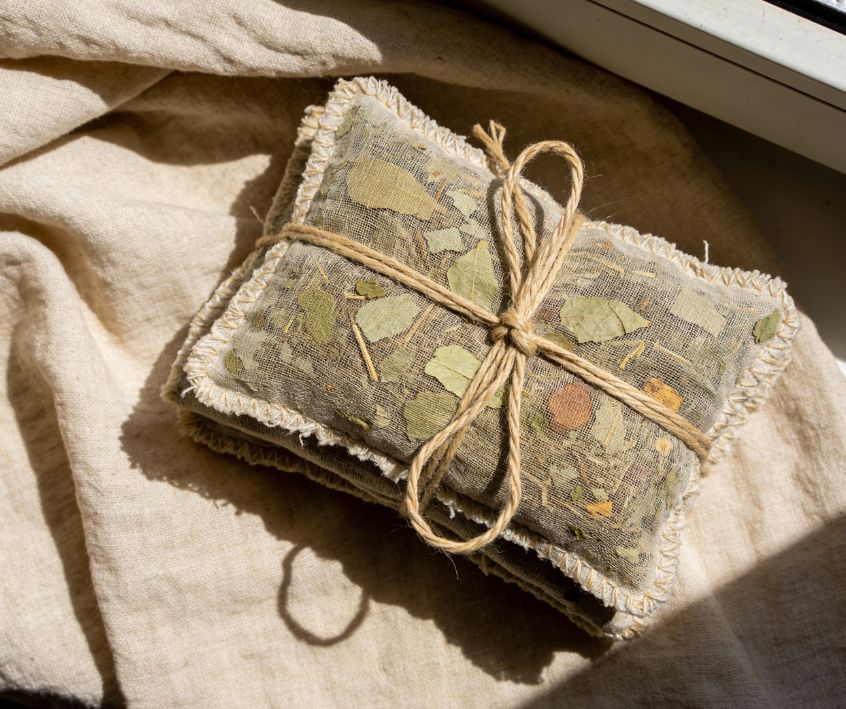
Regardless of which recipe you choose, a few general tips can help maximize the lifespan of your potpourri.
Quality Ingredients Matter
If you are drying your own flowers or fruit, ensure they are completely moisture-free before storage. Any remaining moisture can lead to mold, ruining your batch. If buying dried ingredients, look for vibrant colors, which usually indicate they were dried recently.
Reviving Old Potpourri
Don’t throw away your dry potpourri just because the scent has faded. The botanicals usually hold their shape for a long time.
To refresh it, place the mixture back into a sealed bag, add fresh essential oils, and let it “re-cure” for a few days. You can do this repeatedly until the botanicals become brittle or dusty.
Placement
Heat helps diffuse scent. Placing your bowl of dry potpourri near a heat source (like a sunny window or a radiator, but not directly on it) can help release the essential oils into the air more effectively. However, direct sunlight will fade the colors of the dried flowers faster.
Embrace the Season Indoors
Crafting your own home fragrance is a small ritual that pays big dividends. It connects you to the ingredients of the season and allows you to curate the atmosphere of your home without reliance on artificial chemicals.
Whether you choose the instant gratification of a bubbling citrus simmer pot or the patience of curing a jar of lavender and lemon, the result is the same: a home that smells fresh, welcoming, and undeniably like spring. Try one of these recipes this weekend and breathe in the difference.
Visit the Garden Resources page for supplies and inspiration. Don’t forget to subscribe to the Calendula’s Garden Newsletter for more gardening tips.
Calendula’s Garden is reader supported. When you buy through links on our site, we may earn an affiliate commission. As an Amazon Associate, I earn from qualifying purchases. For more information, view our Disclaimer page. Thank you!