Spring Garden Cleanup: 7 Tips to Help You Get the Job Done
Calendula's Garden is reader suported This post may contain affiliate links, more on our Disclaimer page. Thank you!
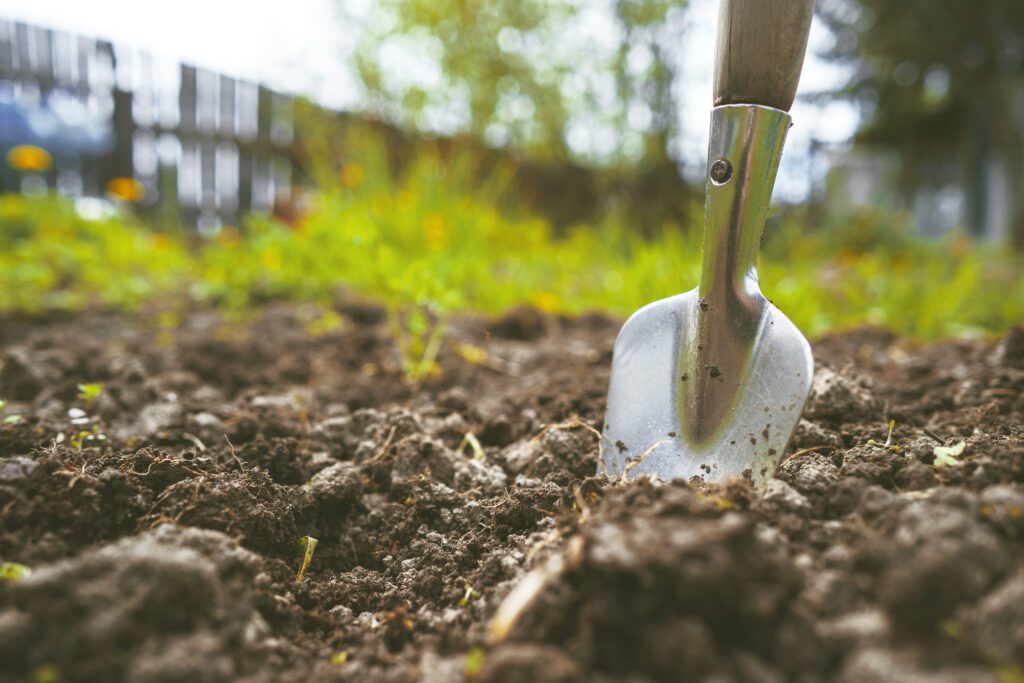
The days are getting longer, and the weather is getting warmer – it’s finally time to start thinking about Spring gardening! If you’re like most people, you’ll want to take some time to refresh your garden for the new season. In this post, we’ll give you 7 tips that will help make your Spring Garden cleanup a breeze.
1. Check your Garden Tools
Check your garden tools and make sure they are in working order. This includes things like hoes, shovels, spades, and rakes. If any of them are broken or damaged, now is the time to replace them.
It’s also a good idea to clean your gardening tools before putting them away for the season. This will help prevent rust and other damage that can occur over time. Simply wiping them down with a cloth can save your tools from damage, including rust.
Supplies to Refresh Your Spring Garden:
VIVOSUN Outdoor Tumbling Composter Dual Rotating Batch Compost Bin, 43 Gallon Black Door
Garden Composter Bin Made from Recycled Plastic – 95 Gallons I would use this one for fallen leaves, which turn into leaf mold. It’s a fantastic addition to garden soil.
Walensee Upgrade Twist Tiller Manual Hand Tiller Garden Claw Cultivator with a Removable Big Claw, Garden Claw Tool Long Handle Steel Tiller Lawn Aerator Soli Lossener for Gardening Bed and Plant Box
Sun Joe TJ604E 16-inch 13.5 AMP Electric Garden Tiller/Cultivator
Down to Earth Organic Bone Meal Fertilizer 3-15-0, 5 lb
Espoma Organic Chicken Manure 5-3-2 25 lb.Bag
Kelp Bliss Pure Norwegian Kelp Meal (0.9-0-2) (5 lb)
Rain Bird LNDDRIPKIT Drip Irrigation Landscape & Garden Watering Kit
Orbit 58910 Programmable Hose Faucet Timer, 2 Outlet, Green
EZ-Straw® Just Straw Clean Processed Straw – Multi Purpose – Small Bale (1 Cubic Foot)
Remove any Dead or Dying plants
One of the first things you’ll want to do is remove any dead or dying plants from your garden. This will help make room for new growth and also discourage pests and diseases.
You can compost the dead plants or add them to your trash bin.
Setup a Backyard Compost System
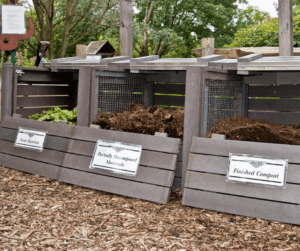
One of the best ways to improve the fertility of your soil is to compost your organic waste. A compost bin is a great way to recycle your kitchen scraps, leaves, grass clippings, and other organic waste.
There are many different types of compost bins available, so you can choose one that fits your needs and budget. You can buy a compost bin at most home improvement stores, or you can build your own.
Which Compost bin is best for you?
To set up a backyard compost system, you’ll need:
– A compost bin
– A shovel
– A pitchfork
Once you have all of the supplies, follow these steps:
Start with a layer of twigs and branches for air circulation.
Add the first Brown layer made up of leaves, yard debris, and shredded cardboard.
Next is a green layer of kitchen scraps, untreated weeds, and lawn clippings.
Top that off with a bit of soil water and repeat the pattern.
If you’re using leaves, grass clippings, or kitchen scraps, chopping them up into smaller pieces before adding them to the bin can speed up the decomposition process.
Adding a layer of soil over the top of the organic waste to help keep flies and other pests out.
Repeat these steps until your compost bin is full. Once it’s full, leave it for about six months to allow the organic matter to break down into compost. You can speed up the process by periodically turning your compost pile and adding water if it starts to dry out.
This is a good time to check on the progress of your lovely compost. After about six months, you can spread the compost around your garden to improve the fertility of your soil.
Or you can purchase a tumbling compost bin. Shovel all of your organic waste into the compost bin. Water and turn on a regular basis.
I have one of these and love it. Especially since it is so much easier to turn the cooking compost, plus, it is a closed container, so pests are limited. I can add scraps and yard debris as they become available without worrying about maintaining layers.
Till the Soil
If you are starting a new garden plot in an area devoid of organic matter or with severely compacted soil, it can be beneficial to till the soil.
This will help aerate the soil and improve drainage. You can do this by hand with a shovel, hoe, or twist tiller. If you have a larger garden to turn, try an electric tiller to get the job done faster, or you can rent a tiller from your local hardware store.
Once the soil is tilled, you’ll want to add some organic matter to it. This will help improve the soil quality and provide nutrients for your plants. You can add compost, manure, or leaves to your soil.
Add Organic Soil Amendments
Here are some of the best organic soil amendments for vegetable gardens:
Compost – compost is a great way to add organic matter to your soil. It helps improve drainage and aeration and also provides nutrients for plants.
Manure – Aged manure is a great source of nitrogen, phosphorus, and potassium. It also helps improve the texture of the soil.
Kelp – kelp is a rich source of minerals that help improve the overall health of your garden and help plants deal with pest and weather stress.
Bone meal – bone meal is a great source of phosphorus, which is essential for plant growth.
Find more options: 7 Best Garden soil Amendments and Fertilizers
Check Your Irrigation System
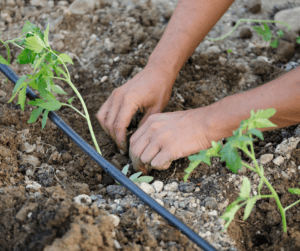
Now is also a good time to check your irrigation system and make sure all of its components are in working order. Repair any leaks or broken parts and flush out the lines to remove any debris that may have accumulated over the winter months.
Irrigation systems are an important part of any garden. They help to keep plants hydrated and healthy and can also help save water. When choosing an irrigation system for your garden, there are a few things to consider:
- Size of your garden – if your garden is large, you’ll need a more complex
- Climate – the amount of rainfall your area receives will affect the type of irrigation system you need. If you live in an area with a lot of rain, then you may not need a complex irrigation system. A simple drip system or sprinkler may be all you need. If you live in a drier climate, you might need a more sophisticated system that can properly water your plants.
- Types of plants in your garden – if you have delicate plants that require little water, then you’ll need an irrigation system that can deliver a small amount of water to them. If you have large plants that require a lot of water, then you’ll need an irrigation system that can deliver a large amount of water to them.
- Your budget – there are many different types of irrigation systems available, and they range in price from very affordable to quite expensive. Choose the one that fits your budget and meets your needs.
A drip irrigation system is a great way to water your garden plants. With this type of system, water is delivered to the plants through a network of small tubes or hoses. This prevents over-watering and helps to conserve water.
How to Choose the Best Raised Garden Bed
When setting up a drip irrigation system, you’ll need to decide on the type of tubing you want to use. There are a few different options, each with its own advantages and disadvantages:
- PVC tubing – PVC is a cheap and easy-to-use option, but it can be brittle and prone to cracking.
- HDPE tubing – HDPE is more expensive than PVC, but it’s more durable and resists cracking and splitting.
- Polyethylene tubing – Polyethylene is the most expensive option, but it’s also the most durable and resistant to weathering.
Once you’ve chosen the type of tubing you want to use, you’ll need to determine the layout of your system. The best way to do this is by drawing a diagram of your garden so that you can plan where each section of tubing will go.
After you have your diagram, it’s time to start installing the tubing. You’ll need to connect each section of tubing to a water source, such as a hose bib or spigot. Once everything is connected, turn on the water and let it run for a few minutes to check for leaks.
There are a number of drip irrigation kits available. Make sure to also pick up an automatic timer to connect your drip line to a spigot. Go with at least two outlets so you can still use your water hose.
If there are no leaks, then your drip irrigation system is ready to use! Water your plants as usual, and enjoy the convenience of having an automatic watering system.
Now that you know how to set up a drip irrigation system, you can enjoy the benefits of having healthier plants with less effort.
Mulch
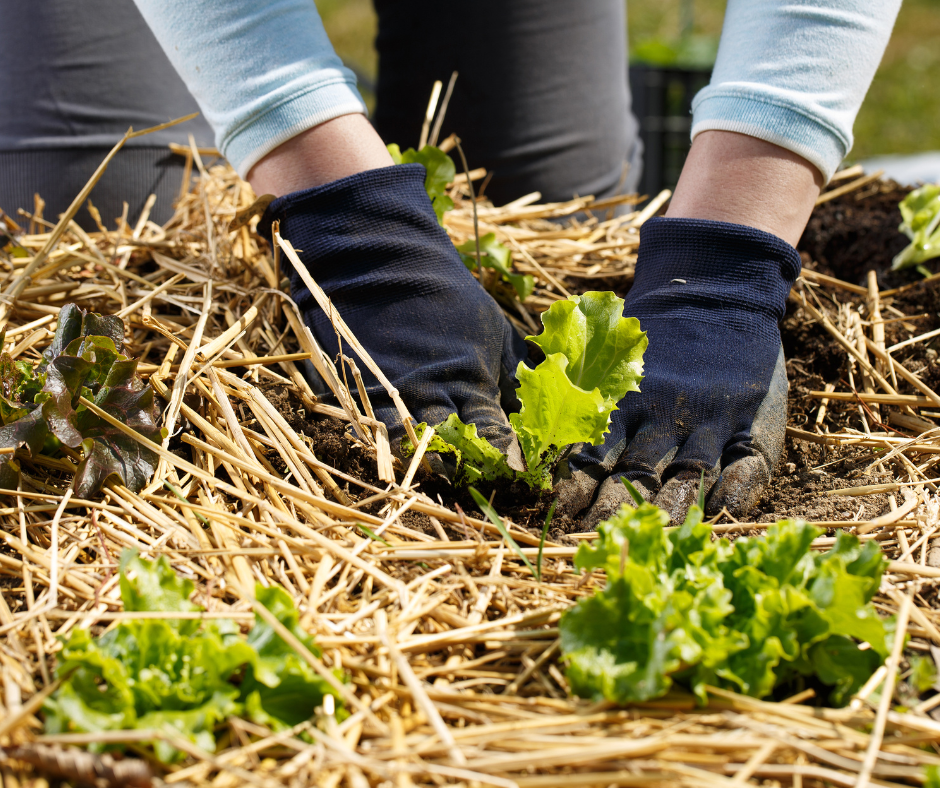
Mulch is a material that you spread over the surface of your soil to help control weeds, conserve moisture, and improve the appearance of your garden.
There are many different types of mulch available, including bark chips, straw, grass clippings, leaves, compost, and manure.
Mulch Magic: Improving Your Soil Health
Bark chips and straw are good options for weed control because they block out sunlight and prevent weed seeds from germinating. Grass clippings and leaves can be used as mulch or added to your compost pile.
Compost and manure are good options for improving the fertility of your soil.
Mulch is an important part of any garden maintenance program. It helps control weeds, conserve moisture, and improve the appearance of your garden. Be sure to choose the right type of mulch for your needs and spread it evenly over the surface of your soil.
Add More Plants!
Once you’ve taken care of these basics, you can start thinking about planting! Spring is a great time to add annuals, vegetables, and herbs to your garden. Just be sure to choose well-suited plants for your climate and soil type.
Where to find seeds, plants, and supplies:
How to Start Vegetable Seeds and Grow a Bounty of Fresh Produce from Your Own Garden
We hope these tips help you with your spring garden cleanup.
Happy gardening!
Visit the Garden Resources page for supplies and inspiration. Don’t forget to subscribe to the Calendula’s Garden Newsletter for more gardening tips.
Calendula’s Garden is reader supported. When you buy through links on our site, we may earn an affiliate commission. As an Amazon Associate, I earn from qualifying purchases. For more information, view our Disclaimer page. Thank you!