Sowing and Growing: A Complete Guide to Chrysanthemum Care
Calendula's Garden is reader suported This post may contain affiliate links, more on our Disclaimer page. Thank you!
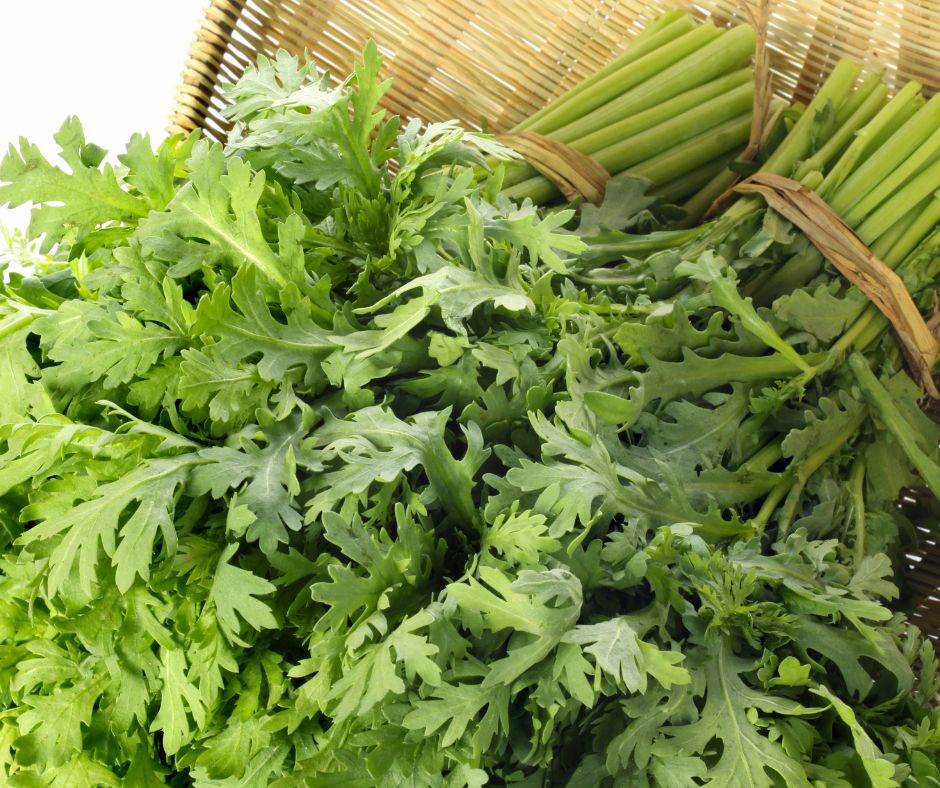
Chrysanthemums are not just ornamental; many varieties from Asia are also valued for their culinary uses. These edible chrysanthemums, commonly known as “shungiku” in Japan or “túng ho” in China, have a tasty, distinctive flavor and unique health benefits.
Growing Chrysanthemums in the Garden
Choosing the Right Location
When planning to grow chrysanthemums in your garden, selecting the ideal location is crucial. Mums thrive in areas that receive full sun, with at least six hours of direct sunlight per day.
They also prefer well-draining soil rich in organic matter. Avoid planting them in low-lying or poorly drained areas to prevent root rot.
Planting
The best time to plant chrysanthemums is in the spring or early summer, allowing them ample time to establish a strong root system before the blooming season.
Dig holes slightly larger than the root ball and space the plants about 18 to 24 inches apart. Firmly press the soil around the base of each plant and water thoroughly after planting.
Where to find seeds, plants, and supplies:
Watering and Fertilizing
Chrysanthemums require consistent moisture, especially during their active growth phase. Water them deeply and regularly, ensuring the soil remains evenly moist but not soggy. Apply a balanced, slow-release fertilizer every four to six weeks to support healthy growth and abundant blooms.
Companion Planting
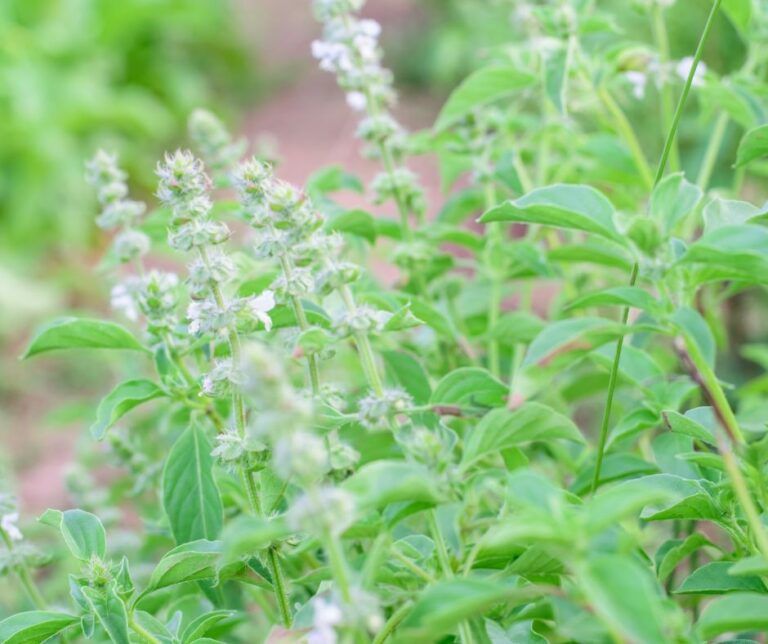
Companion planting is a fantastic way to enhance the health and vitality of your chrysanthemums. Consider growing them alongside herbs like basil, rosemary, and lavender, which can help repel pests and improve overall plant health.
Marigolds and garlic are also excellent companions, as they deter common garden pests.
The Many Benefits of Companion Gardening: What You Need to Know
Growing Chrysanthemums in Containers
Selecting the Right Containers and Soil Mix
When growing mums in containers, choose pots with adequate drainage holes to prevent waterlogging. Select a high-quality potting mix that is lightweight and well-draining.
A combination of peat moss, perlite, and compost provides an ideal growing medium for container-grown chrysanthemums.
Planting and Care
Fill your containers with the prepared potting mix and plant the chrysanthemums at the same depth as they were in their nursery pots.
Gently firm the soil around the base of each plant and water thoroughly. Place the containers in a sunny location and ensure they receive enough air circulation to prevent fungal growth.
Watering and Fertilizing
Container-grown mums require more frequent watering than those planted in the garden. Check the soil’s moisture daily and water your plants when the top inch of soil feels dry.
Fertilize every two to three weeks with a balanced, water-soluble fertilizer to provide the necessary nutrients for healthy growth and flowering.
Culinary Varieties of Chrysanthemums and How to Use Them in the Kitchen
Chrysanthemums are not just ornamental; many varieties from Asia are also valued for their culinary uses. These edible chrysanthemums, commonly known as “shungiku” in Japan or “túng ho” in China, provide a distinctive flavor and bring unique health benefits to various dishes.
Two popular edible varieties include:
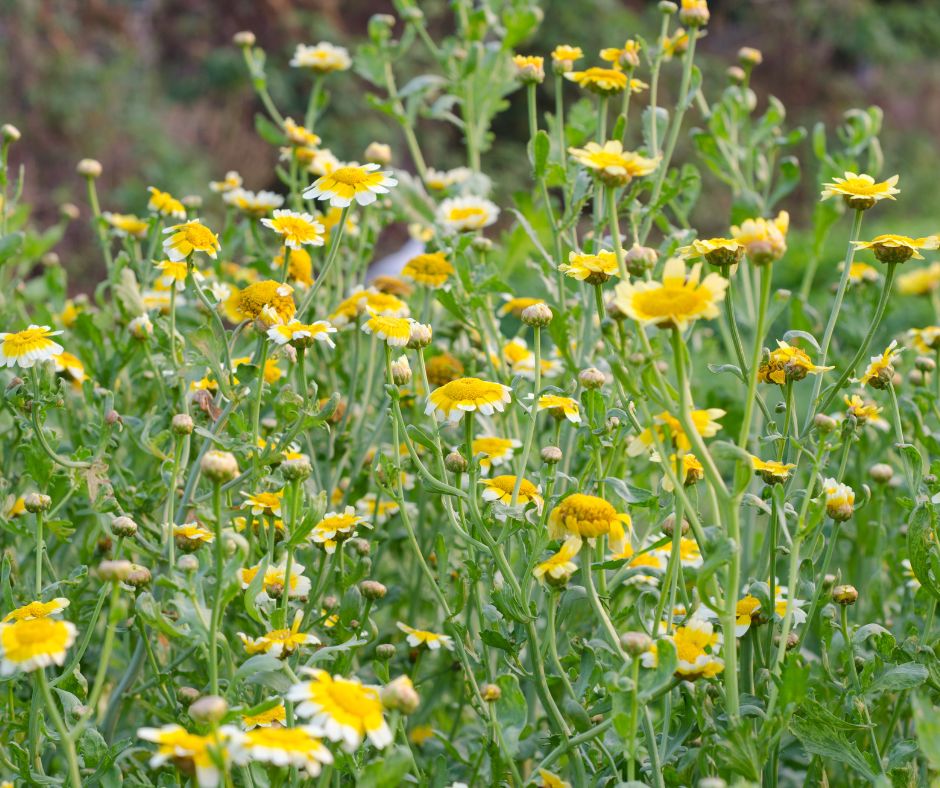
- Garland Chrysanthemum (Chrysanthemum coronarium): Known for its delicate, slightly bitter taste, garland chrysanthemum is widely used in East Asian cuisine.
- Túng Ho (Chrysanthemum indicium): This chrysanthemum has tender, aromatic leaves and is often used in Chinese hot pots and stir-fries.
Culinary Uses
Edible chrysanthemums can be incorporated into a variety of dishes, adding both flavor and nutritional value. Here are some popular ways to use them in the kitchen:
- Salads: Add young chrysanthemum leaves to salads for a fresh, peppery twist. They pair well with acidic dressings and other fresh greens.
- Soups and Stews: Edible chrysanthemum leaves are a common ingredient in hot pots, soups, and stews. They add a unique flavor and are often included just before serving to maintain their texture and color.
- Stir-Fries: Quickly stir-fry chrysanthemum leaves with garlic, soy sauce, and sesame oil for a tasty side dish. Their slightly bitter taste makes them a great companion to richer, savory flavors.
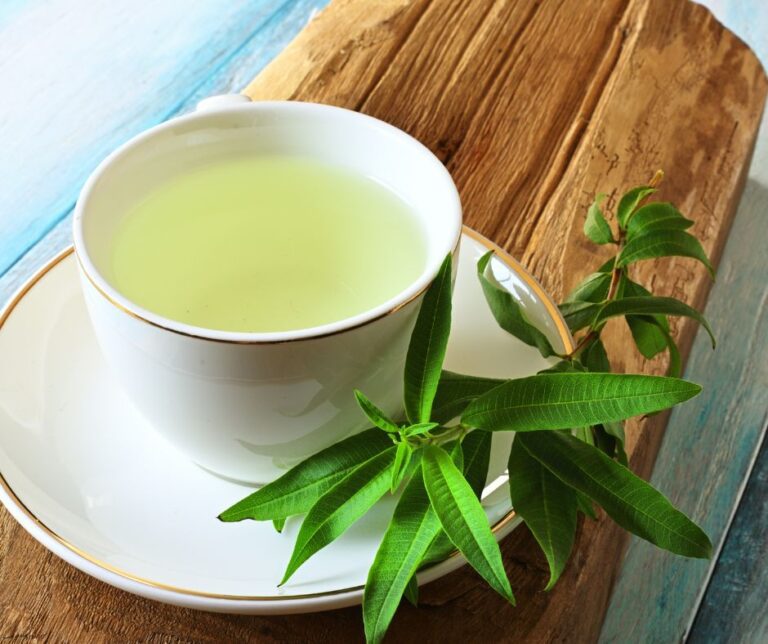
- Herbal Teas: Chrysanthemum flowers are popular in herbal teas, especially in Chinese and Korean cultures. The tea is known for its calming properties and is thought to provide various health benefits, including improved digestion and reduced inflammation.
Incorporating these edible chrysanthemums into your kitchen not only enhances your dishes with their unique flavor but also provides nutritional and medicinal benefits, making them a valuable addition to your culinary repertoire.
Health Benefits of Chrysanthemums
Beyond their ornamental value, chrysanthemums offer numerous health benefits. The flowers and leaves contain antioxidants and anti-inflammatory compounds that can help boost the immune system and promote overall well-being.
Chrysanthemum tea, made from dried flowers, is a popular herbal beverage known for its calming and soothing properties. In traditional medicine, chrysanthemums have been used to treat various ailments, including headaches, anxiety, and respiratory issues.
Growing chrysanthemums in your garden or containers is a rewarding experience that combines beauty and wellness.
By following the proper planting, care, and companion planting techniques, you can enjoy a vibrant display of blooms while reaping the health benefits these remarkable flowers offer.
Embrace the joy of gardening and let chrysanthemums be a source of both aesthetic pleasure and holistic well-being.
Visit the Garden Resources page for supplies and inspiration. Don’t forget to subscribe to the Calendula’s Garden Newsletter for more gardening tips.
Calendula’s Garden is reader supported. When you buy through links on our site, we may earn an affiliate commission. As an Amazon Associate, I earn from qualifying purchases. For more information, view our Disclaimer page. Thank you!