Southwest Inspired Fall Door Decorations to Welcome the Season
Calendula's Garden is reader suported This post may contain affiliate links, more on our Disclaimer page. Thank you!
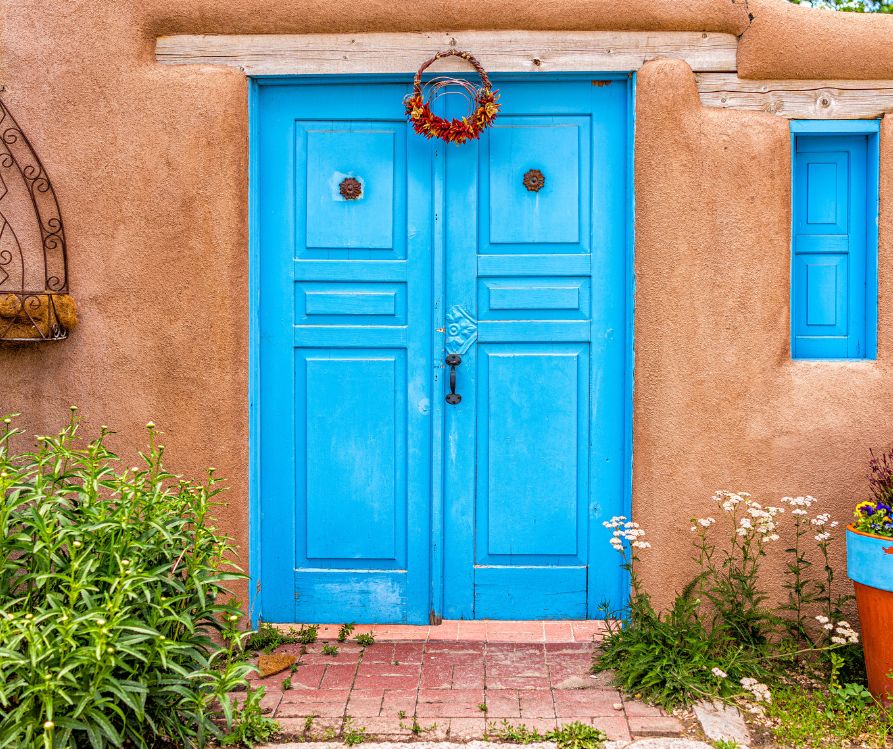
Fall arrives with a whisper of cooler air and the promise of vibrant colors dancing across the landscape. Here in the Southwest, autumn brings its own unique charm. Think brilliant red chilies drying in the sun, golden corn husks rustling in the breeze, and the warm glow of desert sunsets painting everything in rich, earthy tones.
Your front door offers the perfect canvas to celebrate this magical season. Unlike other regions where maple leaves and apple orchards dominate fall décor, the Southwest gifts us with distinctive natural materials that tell a story of desert resilience and cultural richness.
When you embrace these regional treasures for your door decorations, you’re not just welcoming guests. You’re honoring the land and traditions that make this corner of the world so special.
Ready to transform your entryway into a celebration of Southwestern autumn? Let’s explore how natural elements can create door decorations that capture both the season’s beauty and the region’s distinctive spirit.
Embracing Natural Elements
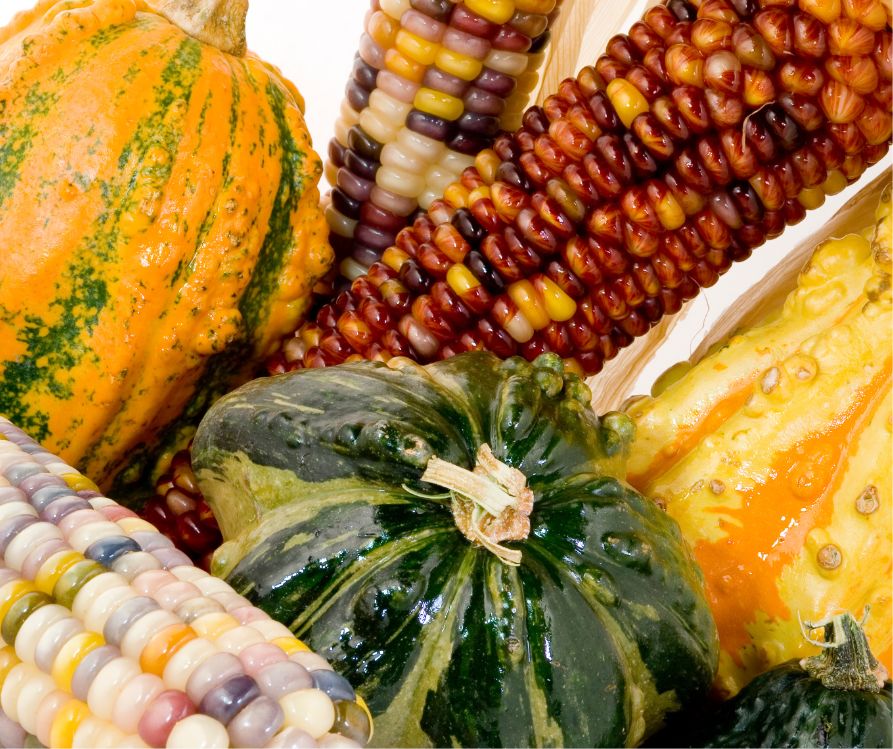
The Southwest offers an abundance of natural materials perfect for fall door decorations. Start by gathering gourds and pumpkins in various sizes. Look for the small, warty varieties alongside traditional orange pumpkins. White and cream-colored gourds add visual interest and complement the desert’s neutral palette beautifully.
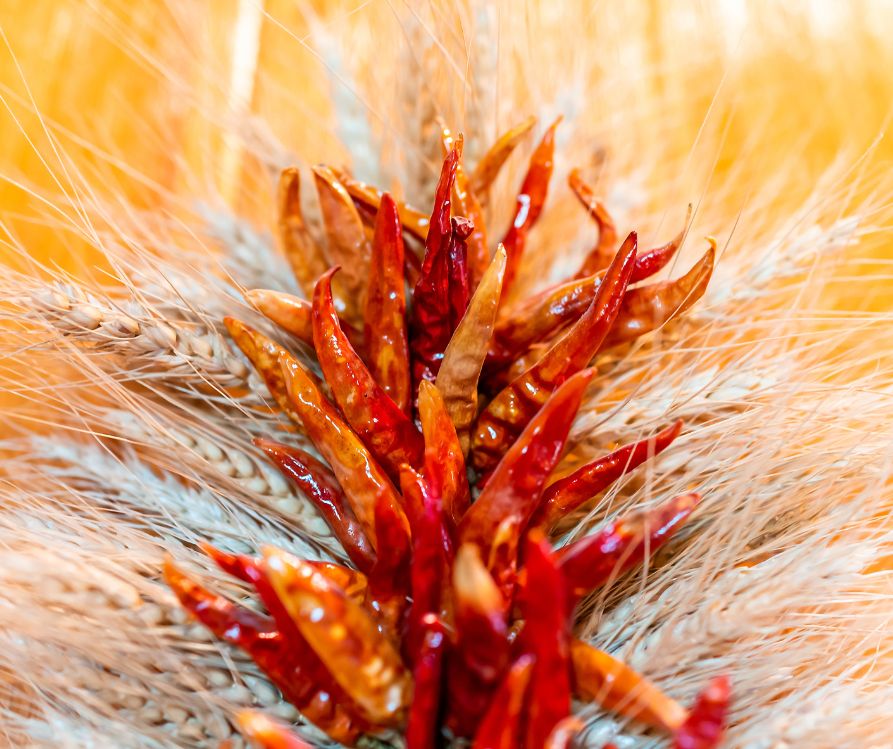
Dried chilies deserve a starring role in your autumn display. Ristras (strings of dried red chiles) have adorned Southwestern homes for centuries, serving both decorative and practical purposes.
You can purchase ready-made ristras or create your own by threading dried chiles from your garden harvest onto strong twine. The deep red color provides a stunning focal point against wooden doors or adobe walls.
Don’t overlook dried corn stalks and husks. These golden beauties add texture and height to your arrangements, and you save them from your garden. Bundle them together with natural twine, or separate individual husks to weave through other elements. Indian corn, with its multi-colored kernels, brings additional visual appeal and cultural significance to your display.
For arranging these elements authentically, think about balance and proportion. Place larger items like pumpkins at the base of your display, use medium-sized gourds to fill gaps, and let dried chilies or corn silk cascade naturally. The goal is to create an arrangement that looks like it grew organically rather than being overly structured.
Color Palette: Desert-Inspired Warmth
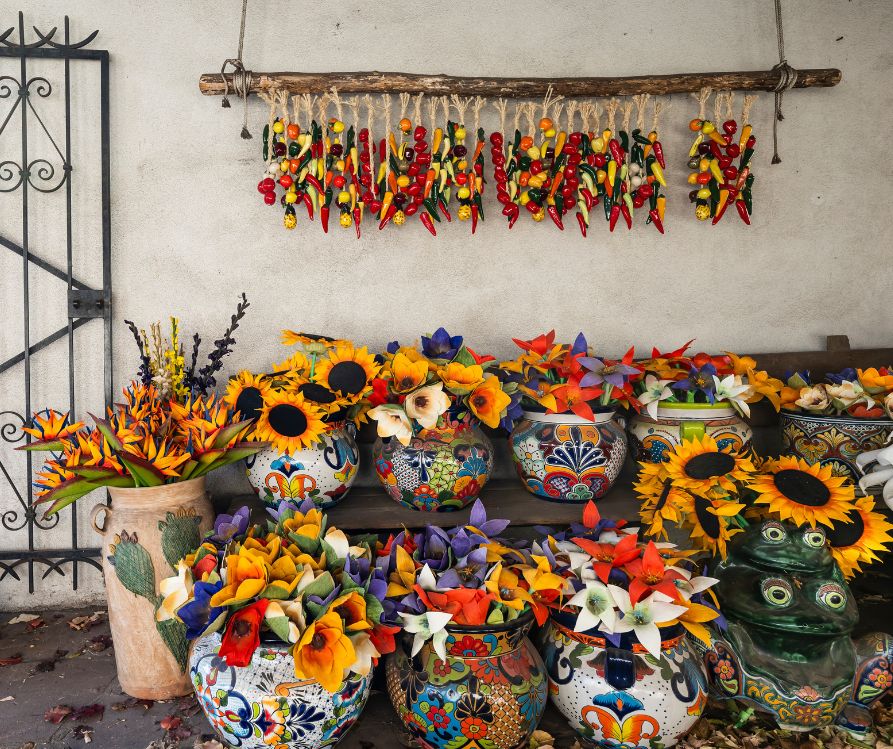
Southwestern fall decorations shine when you embrace the region’s natural color story. Start with a foundation of warm, earthy tones: burnt orange, deep rust, golden yellow, and rich brown. These colors mirror the desert landscape as it transitions through autumn. From the golden hour light hitting sandstone cliffs to the russet tones of changing cottonwood leaves.
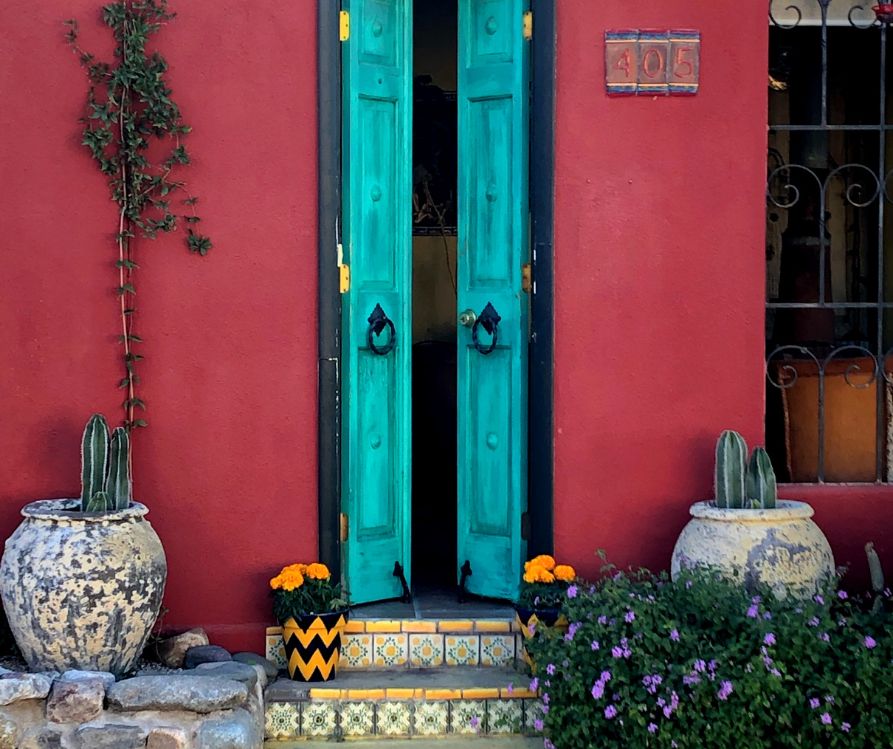
Terra cotta and clay tones work beautifully as your primary colors, evoking the adobe architecture that defines so much of the Southwestern style. Layer in cream and warm beige to prevent the display from feeling too heavy or dark.
Don’t forget evening lighting! How to Make Beautiful Luminarias for Magical Outdoor Lighting
Here’s where you can add that signature Southwestern twist: incorporate pops of turquoise or deep cobalt blue. These colors appear throughout Native American and Hispanic traditions, from pottery glazes to traditional textiles. A few turquoise accents, perhaps painted gourds or blue pottery pieces, create a stunning contrast against the warm base palette while honoring regional artistic traditions.
Consider adding touches of sage green or dusty purple to represent the desert’s subtle plant life. These softer tones help bridge the gap between the bold reds and oranges, creating a more sophisticated and harmonious color scheme.
DIY Southwest Fall Wreath
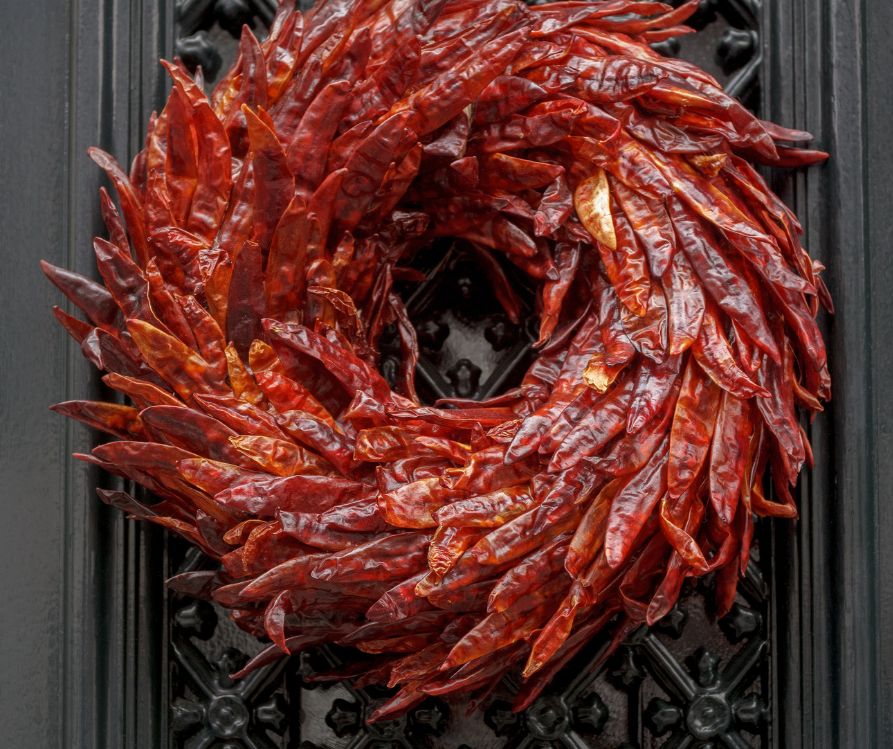
Creating your own Southwest fall wreath lets you customize the size, colors, and elements to perfectly match your space. Here’s a simple approach that celebrates regional materials:
Materials needed:
- Grapevine or twig wreath base (18-24 inches)
- Assorted mini pumpkins and gourds
- Dried chili strings or individual chilies
- Corn husks or dried grasses
- Faux Cactus Pads
- Hot glue gun and floral wire
- Natural twine or raffia
Steps:
Start by securing your largest elements to the wreath base using floral wire. Attach small pumpkins and gourds at varying points around the circle, creating visual weight in three or four key spots rather than spacing them evenly.
Next, weave dried corn husks or grasses through the base, allowing some pieces to extend beyond the wreath’s edge for a more natural, flowing appearance. Secure these with small dabs of hot glue placed strategically where they won’t be visible.
Add your chili elements last. These bright red accents should draw the eye without overwhelming the other materials. You can drape short ristra sections across portions of the wreath or wire individual chiles into small clusters.
Finish by wrapping sections with natural twine, leaving the ends loose for a casual, handmade feel. The entire process takes about an hour and creates a wreath that will last throughout the fall season.
Rustic Branch Door Hanger
For a more minimalist approach, try creating a rustic door hanger using foraged branches and seasonal berries. This project celebrates the Southwest’s wild beauty while requiring minimal materials.
Hunt for interesting branches during your next desert hike. Look for pieces with character, such as gentle curves or multiple smaller branches extending from a main stem. Manzanita, oak, or even large tumblewood pieces work wonderfully.
Clean your branches gently with a soft brush to remove loose dirt while preserving their natural patina. Create your arrangement by binding several branches together with hidden wire, then wrapping the connection point with leather cord or thick twine.
Add seasonal interest with clusters of bittersweet berries, rose hips, or even small pinecones if you live in higher elevation areas. These natural accents provide pops of color while maintaining the organic, foraged aesthetic.
Southwestern Cultural Accents
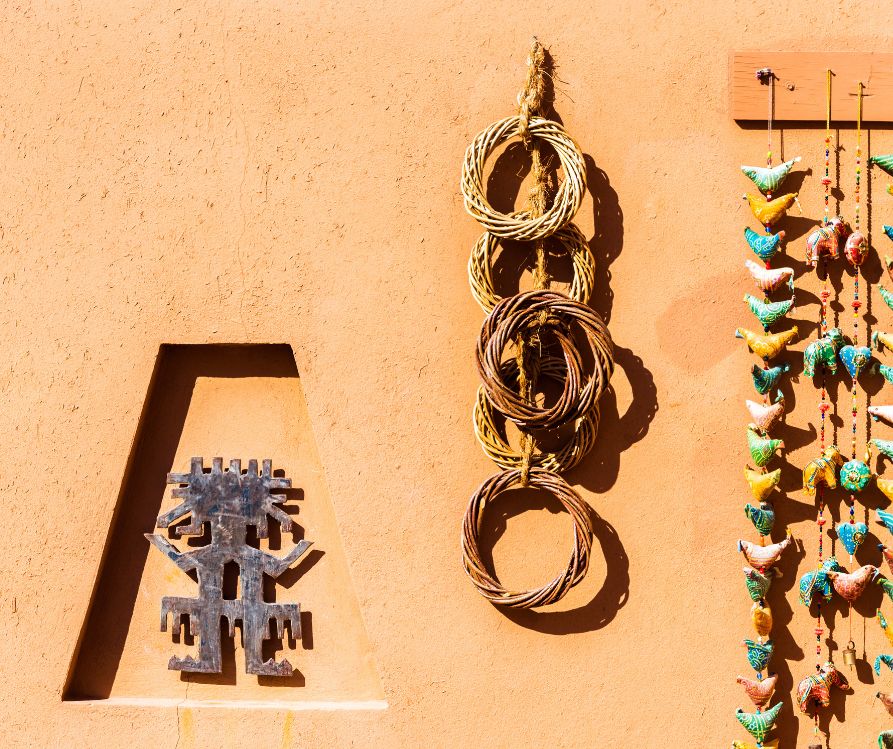
Incorporating authentic Southwestern cultural elements adds depth and meaning to your fall door decorations. Dried chiles represent more than just decoration. They’re deeply woven into the region’s culinary and cultural history. When you include them in your display, you’re celebrating generations of families who have grown, dried, and stored these essential ingredients.
Consider adding small pottery pieces to your arrangement. Southwestern pottery, whether Native American, Hispanic, or contemporary, brings artistic heritage to your décor. Small pots can hold dried grasses or serve as bases for candles (use battery-operated ones outdoors for safety).
Woven elements like small baskets or textile strips in traditional patterns can tie your display to the region’s rich weaving traditions. Look for pieces at local artisan markets or craft fairs where you can learn about their cultural significance while supporting regional artists.
Remember that incorporating cultural elements requires respect and understanding. Take time to learn about the traditions behind decorative choices, and always purchase authentic items from reputable sources that support the communities that created these art forms.
Sustainable Decorating Practices
Creating beautiful fall door decorations doesn’t require purchasing everything new. Start by taking inventory of what you already have. Perhaps last year’s artificial pumpkins can be refreshed with a coat of chalk paint in Southwestern colors, or old pottery pieces can find new life as part of your display.
Source materials locally whenever possible. Many Southwest communities have farmers markets where you can purchase fresh gourds and pumpkins directly from growers. This supports your local economy while reducing transportation impacts.
Consider the lifecycle of your decorations. Choose natural materials that can be composted after the season ends, or select items durable enough to store and reuse year after year. Artificial elements aren’t automatically problematic if they last for many seasons and replace multiple single-use purchases.
Forage responsibly when gathering natural elements. Take only what you need from abundant sources, and never harvest from protected areas or private property without permission. This ensures these natural resources remain available for wildlife and future generations to enjoy.
Bringing It All Together
Natural Southwest fall door decorations offer a beautiful way to celebrate both the season and your region’s unique character. By choosing materials that reflect the desert landscape and honoring cultural traditions, you create displays that feel authentically rooted in place.
Start small if this is your first attempt at Southwestern fall decorating. Even a simple arrangement of varied gourds with a single ristra can make a striking statement. As you become more comfortable with the style and materials, you can expand your displays to include more elements and complex arrangements.
Remember that the best door decorations reflect your personal style while celebrating the season. Don’t worry about creating magazine-perfect displays. Focus on arrangements that make you smile each time you come home and that welcome others into your space with warmth and regional pride.
Visit the Garden Resources page for supplies and inspiration. Don’t forget to subscribe to the Calendula’s Garden Newsletter for more gardening tips.
Calendula’s Garden is reader supported. When you buy through links on our site, we may earn an affiliate commission. As an Amazon Associate, I earn from qualifying purchases. For more information, view our Disclaimer page. Thank you!