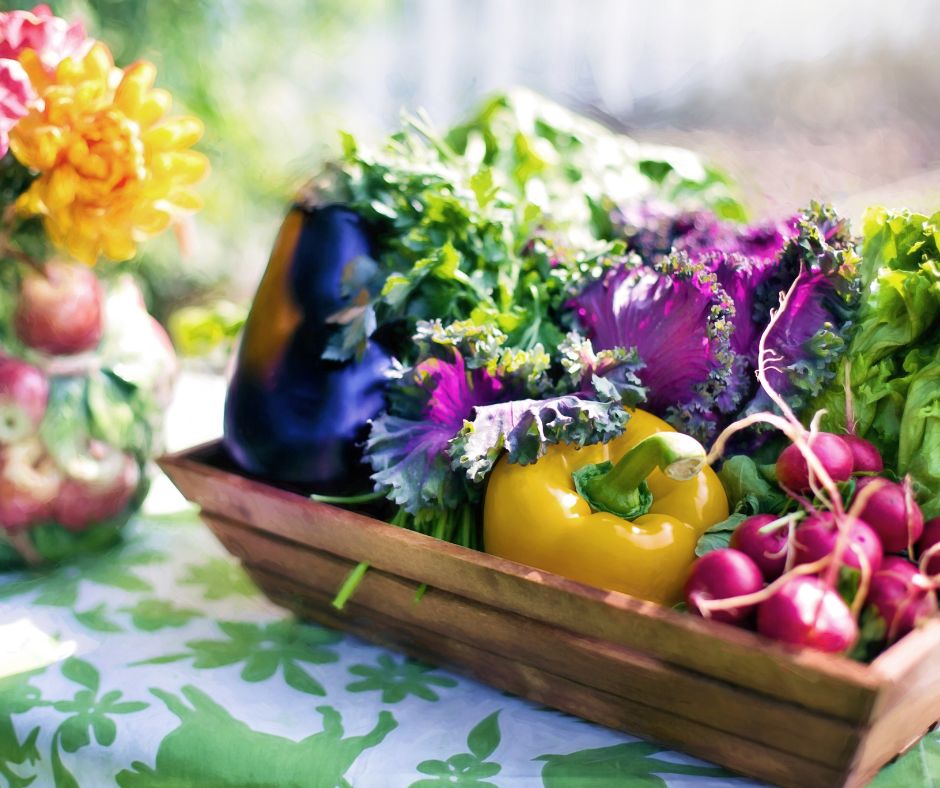
Small Vegetable Garden Ideas to Transform Any Space for Abundant Harvests
Calendula's Garden is reader suported This post may contain affiliate links, more on our Disclaimer page. Thank you!
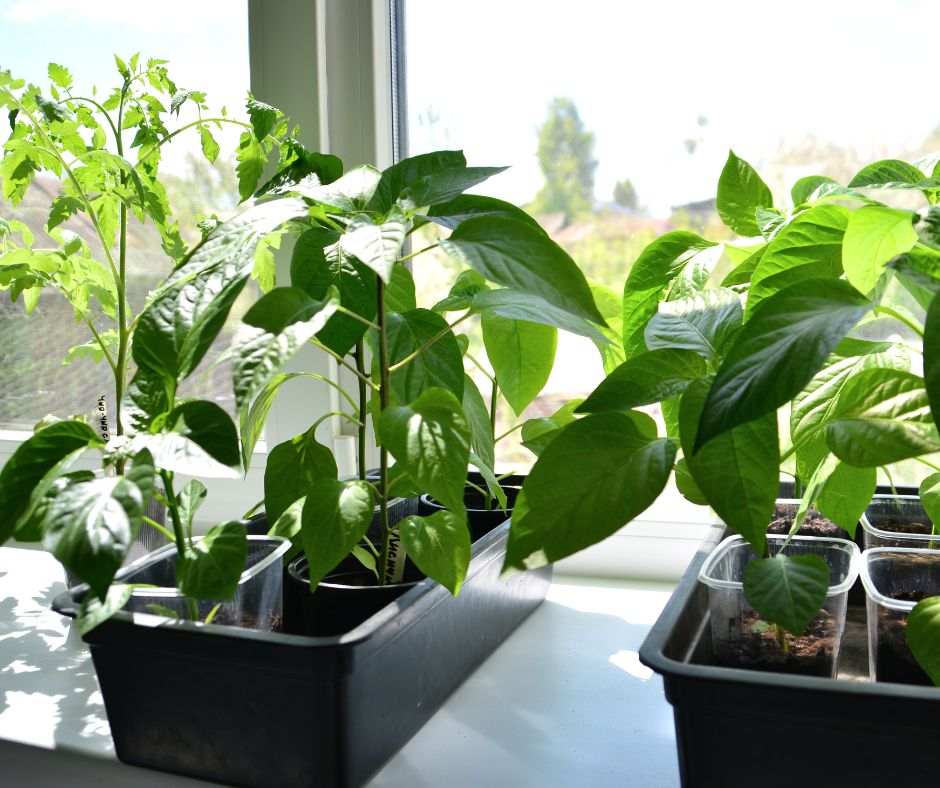
Growing your own vegetables may sound daunting if you don’t have a lot of yard space, but a thriving vegetable garden can fit anywhere, even on a sunny balcony or a patio corner. More and more people are discovering the joy (and tastier salads) that come with cultivating a small vegetable patch.
Gardening is great for relaxing after work, saving on grocery bills, or just wanting your tomatoes to taste like tomatoes. This guide will walk you through simple, effective small vegetable garden ideas that anyone can try.
Why Start a Small Vegetable Garden?
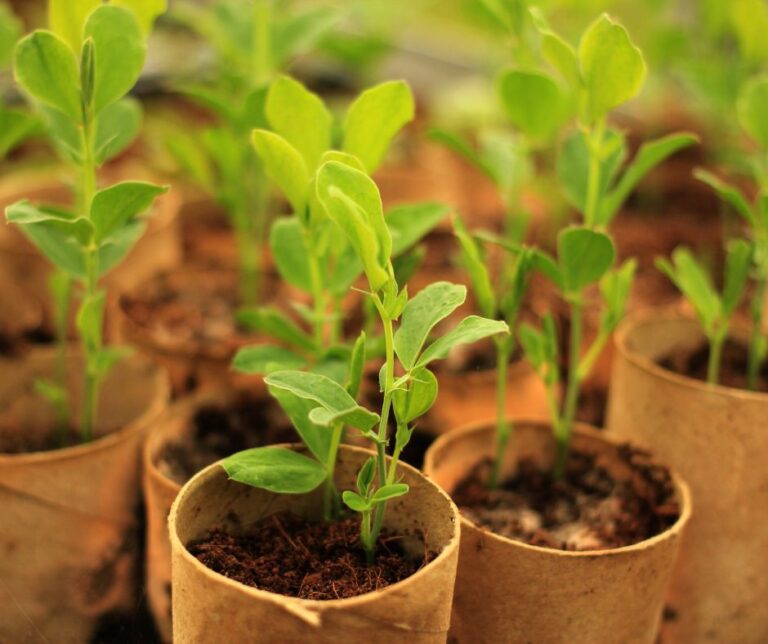
A small garden brings big rewards. Homegrown veggies taste incredible, and gardening itself offers a stress-busting connection to nature. Even if your “garden” is a cluster of pots on a windowsill, nurturing plants from seeds to harvest is deeply satisfying.
Benefits You’ll Enjoy:
- Fresh, flavorful produce right at your fingertips.
- Physical and mental health boosts from gentle exercise and time outdoors.
- A sustainable lifestyle with reduced food miles and less plastic packaging.
- Family fun and education as kids (and grownups!) marvel at sprouting seeds and ripening tomatoes.
Don’t be surprised if your garden quickly becomes your favorite “room” in the house.
Where to find seeds, plants, and supplies:
Planning Your Small Vegetable Garden Space
Where you grow is just as important as what you grow. Before you buy seeds or supplies, take a good look at your space.
Are you working with a balcony, a corner of the yard, or a sunny windowsill? The good news is, you can make almost any spot work with a little creativity.
Assessing Sunlight
Vegetables crave sunlight. Most crops need at least six hours of direct sun per day, so notice which parts of your space are sunniest.
If your area is mostly shaded, don’t worry; many leafy greens and some herbs thrive with less light.
Understanding Your Soil
If you’re using backyard soil, scoop up a handful and give it a squeeze. Good garden soil feels crumbly and rich. Sandy or heavy clay soil can be improved with compost and organic matter.
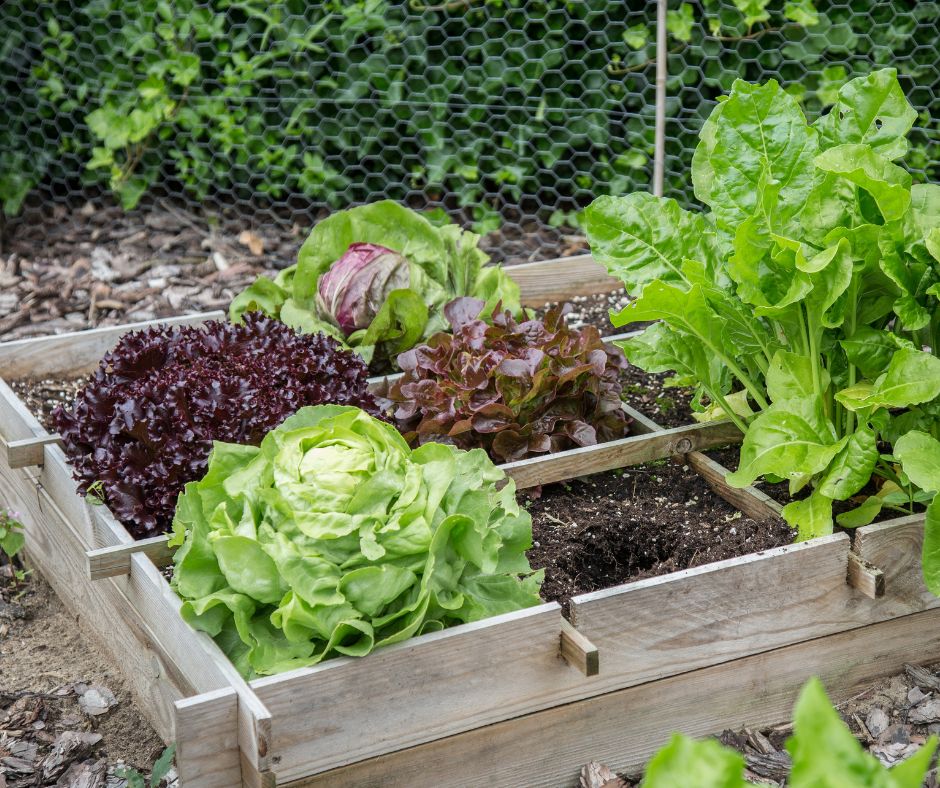
If you’re short on space or stuck with poor soil, raised beds and containers filled with quality potting mix are a perfect alternative.
Deciding On Layout
Small spaces call for smart layouts. Here are a few ideas:
- Raised Beds: Great for better soil, fewer weeds, and easy maintenance. Try out this small metal raised garden bed: Best Choice Products 4x2x2ft
- Container Gardens: Perfect for patios or balconies. Most veggies grow well in pots as long as they have room for root growth.
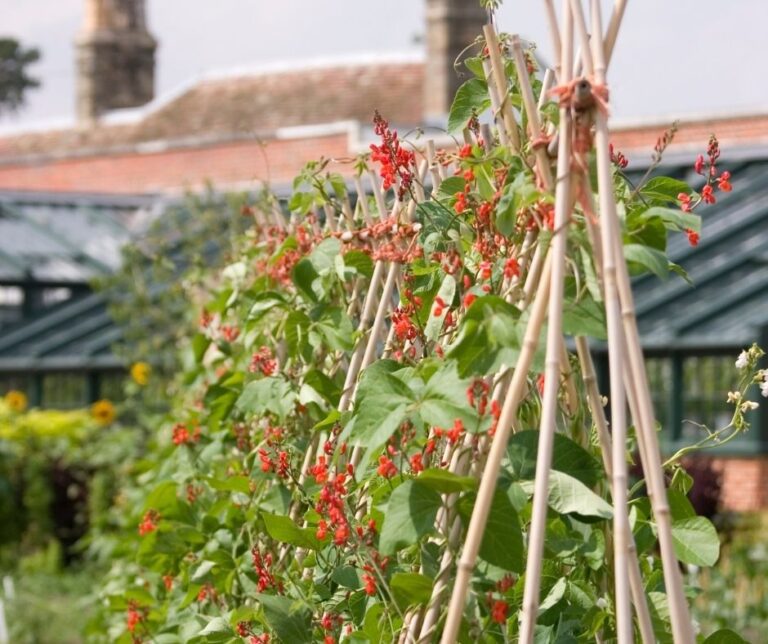
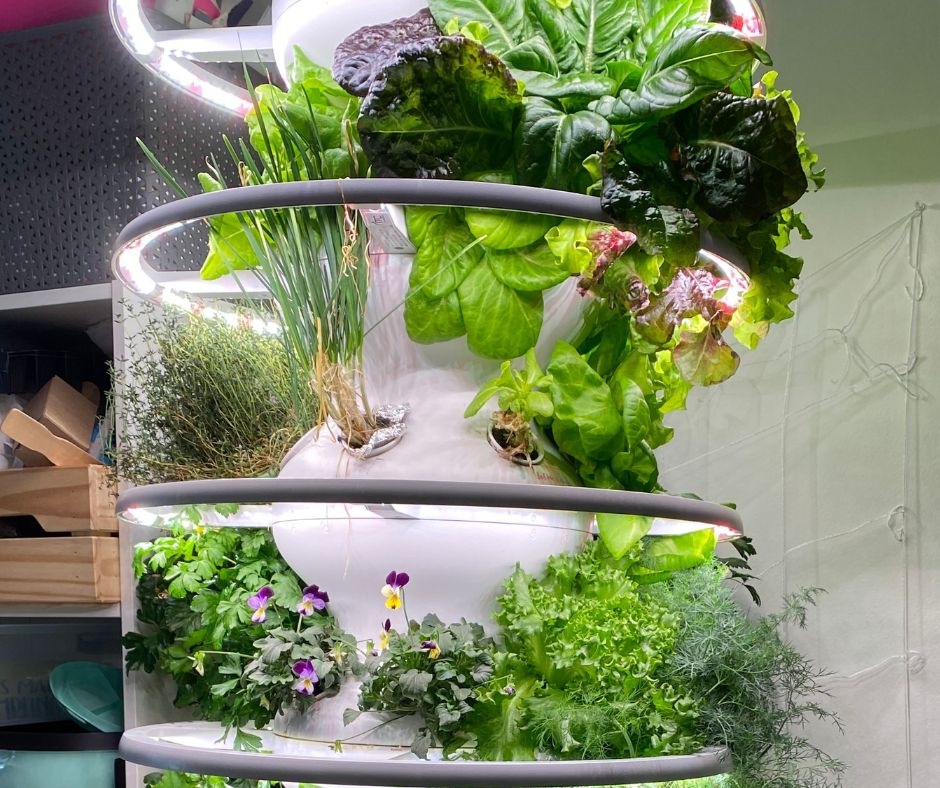
- Vertical Gardening: Stack planters or use trellises for climbing crops like beans, peas, or cucumbers.
- Square Foot Gardening: Intense planting in a grid system maximizes yield per square foot.
Have fun sketching your garden plan. Use whatever containers or beds fit your space; mismatched pots add charm and personality.
The Best Vegetables for Small Gardens
Some crops are born to flourish in small spaces and give you the most delicious return for your effort. Here’s a list to inspire your grocery (or seed catalog) wishlist:
Herbs
Herbs pack maximum flavor into the smallest footprint. Try basil, chives, parsley, thyme, cilantro, mint (keep it in a pot), and oregano.
They’ll thrive on a windowsill, patio table, or tucked into corners between larger plants.
Leafy Greens
Lettuce, spinach, arugula, kale, and Swiss chard provide quick, continuous harvests. You can cut baby leaves for salads, and they’ll grow right back.
If you have space indoors you can set up a succession of delicious and nutritious microgreens.
Tomatoes
Cherry tomato varieties do especially well in hanging baskets or pots. A single plant can give you dozens of sweet fruits all summer.
Radishes
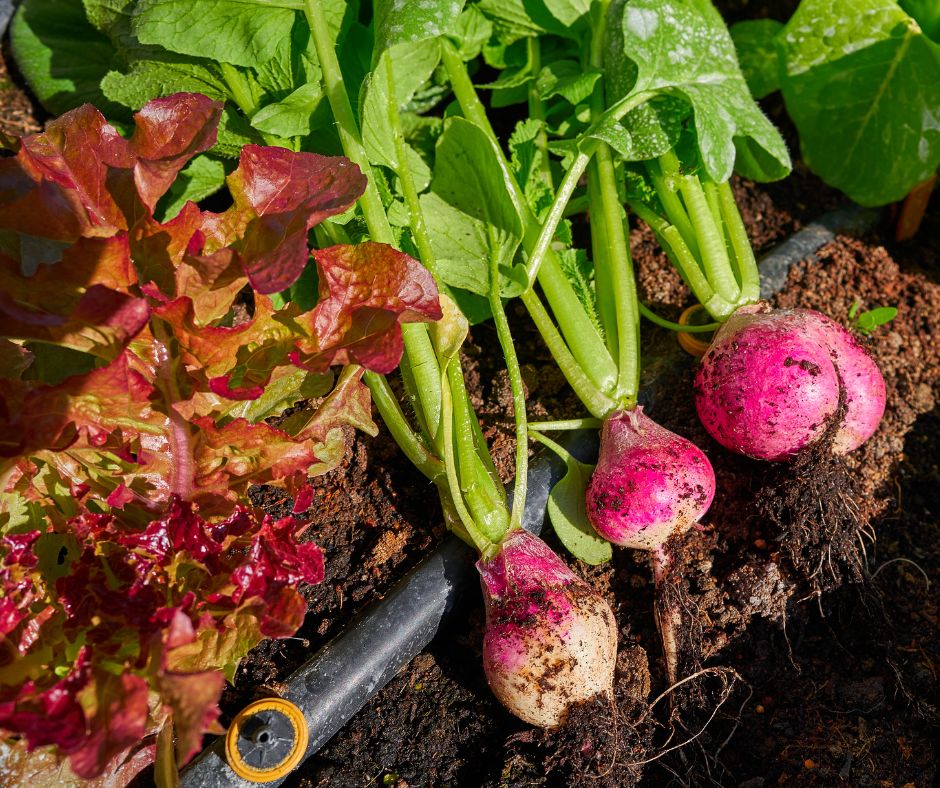
Radishes grow fast and take up little space. They’re ready to harvest in just a few weeks, perfect for impatient gardeners, and a joy to harvest.
Peppers
Mini bell peppers and chili plants are compact and love containers. They add color and excitement to your harvest.
Snap Peas and Beans
Climbing varieties need a trellis and minimal ground space, making them fantastic for vertical gardening.
Bonus Picks
- Carrots (choose short or round varieties for pots)
- Zucchini (pick compact “bush” types)
- Baby beets (can be eaten young for both roots and greens)
Plant what you love to eat, and you’ll always be excited to tend your garden.
Essential Tools & Supplies for the Small Vegetable Gardener
You don’t need a shed full of fancy gadgets, but a few essentials will make your gardening experience smoother:
- Trowel: For digging, planting, and moving soil
- Hand fork: Loosens packed soil and handles weeds
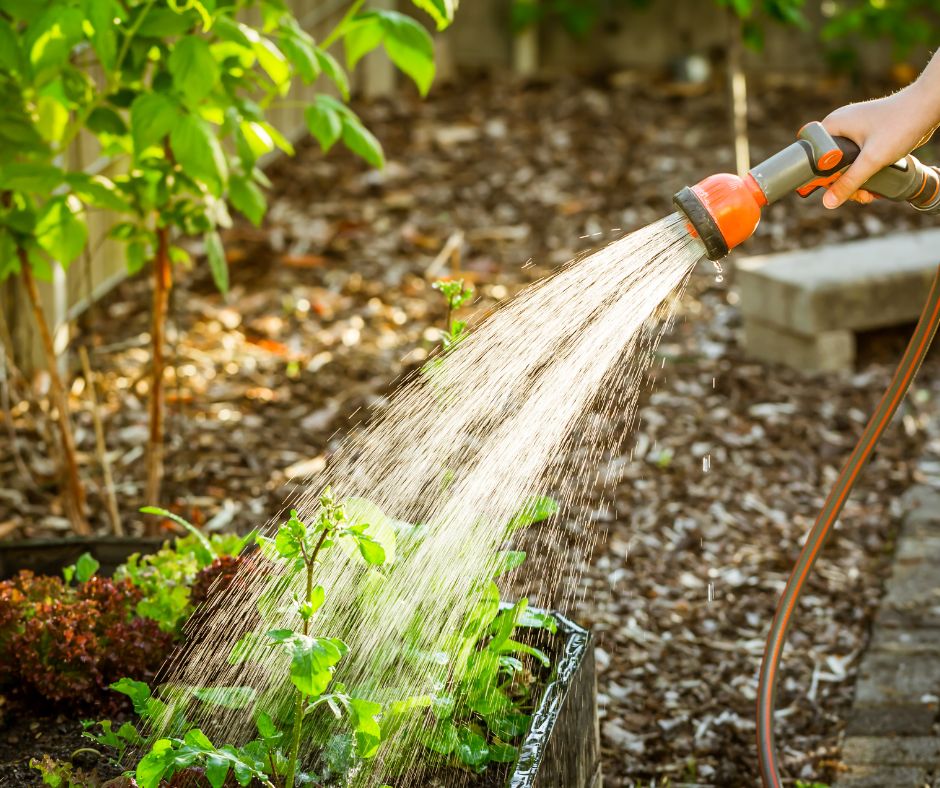
- Watering can or hose with a gentle spray attachment
- Pruners or scissors: For harvesting herbs and veggies
- Quality potting mix: Crucial for containers or raised beds
- Compost: Adds vital nutrients to keep plants healthy
- Containers or raised beds: Choose sizes to fit your space and crop needs
- Plant supports: Trellises, stakes, or cages for upward growers
Optional but handy:
- Gardening gloves: If you don’t like dirty nails
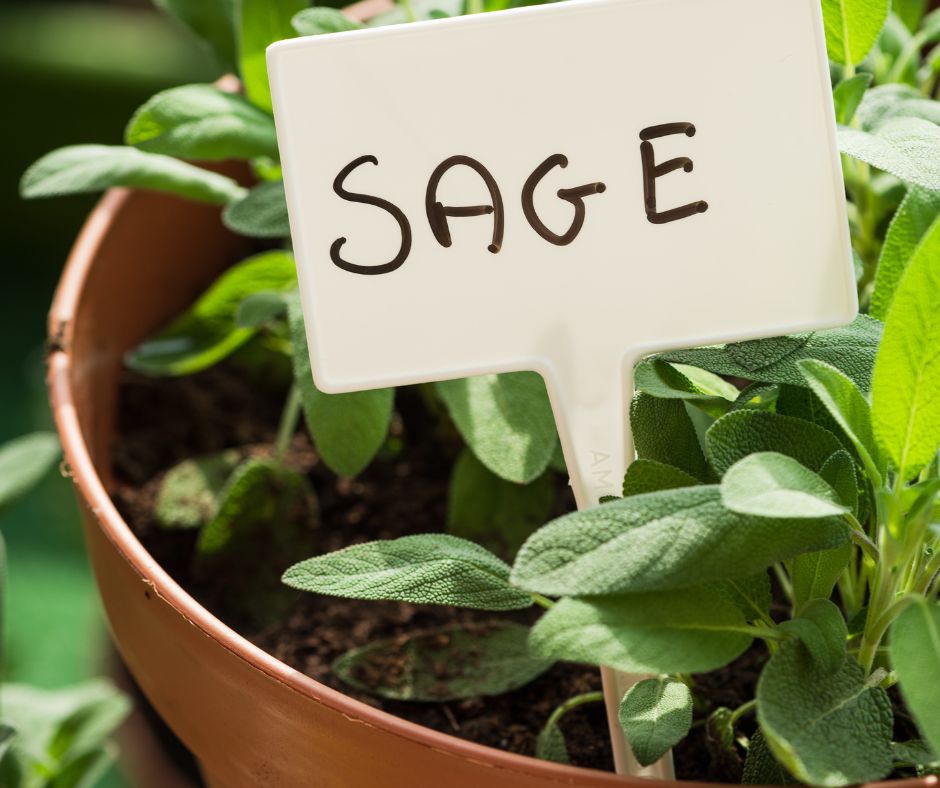
- Plant labels: You will be surprised how quickly you can forget what you planted!
Planting and Maintaining Your Small Garden
Here’s where the magic happens. Once your space is ready and seeds or seedlings are in hand, it’s time to plant.
Sowing Seeds vs. Planting Starts
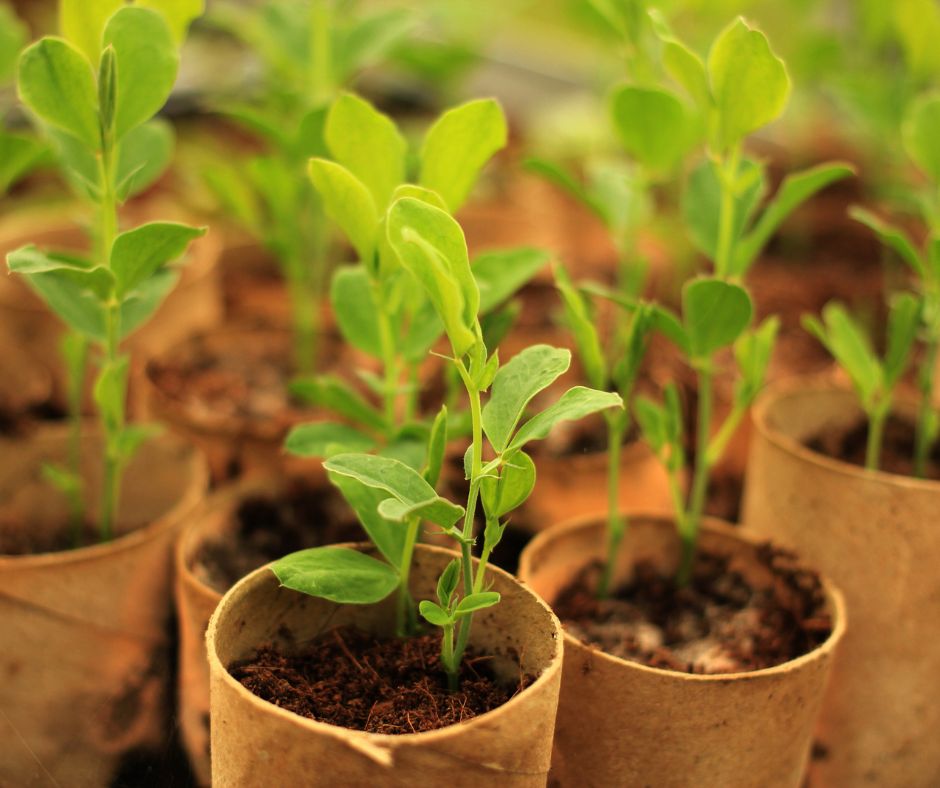
Beginners often have more success starting with young plants from a nursery, but if you’re feeling bold, experiment with seeds.
They’re usually less expensive, and watching sprouts emerge is unbeatable.
Watering Wisely
Small spaces can dry out quickly, especially containers on sunny balconies.
- Check soil moisture daily, especially in hot weather.
- Water in the early morning for best results.
- Try a moisture meter if you’re not sure when to water.
Feeding & Fertilizing
Feed your plants about every 4-6 weeks with an organic fertilizer, or enrich the soil with compost. Most potting mixes provide nutrients for the first month or two.
Pest & Disease Control
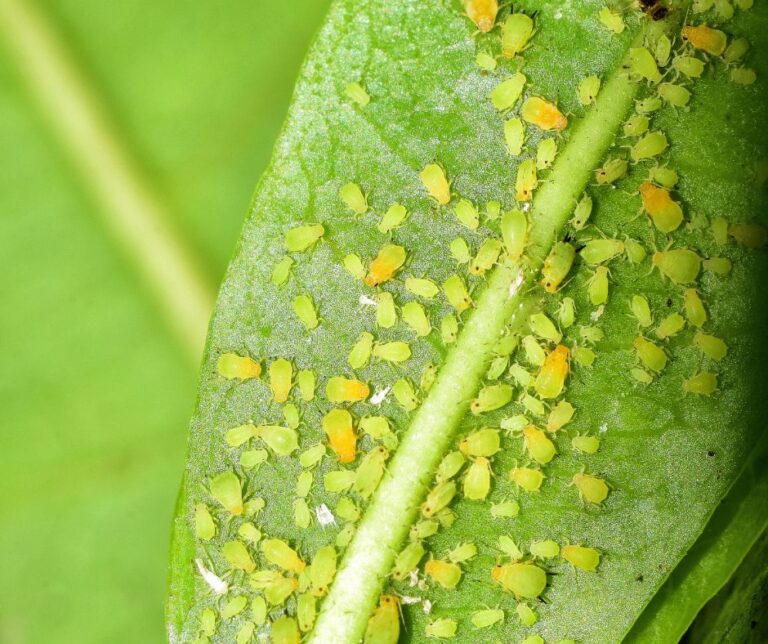
Aphids, slugs, and fungal diseases can sneak into any garden. Organic controls are usually just as effective as chemical sprays and gentler for you and the planet.
- Manual removal: Rinse off aphids or pick off larger pests by hand.
- Barriers: Use copper tape or crushed eggshells to deter slugs.
- Companion planting: Marigolds and nasturtiums attract pollinators and distract pests.
- Neem oil or insecticidal soap: Safe, effective sprays for persistent bug problems.
Keep an eye on your plants. Healthy, vigorous veggies and herbs are naturally more resilient.
Troubleshooting Common Garden Problems
No garden is entirely problem-free, especially in the learning curve of the first season. Here are a few frequent issues and solutions:
Leggy Seedlings
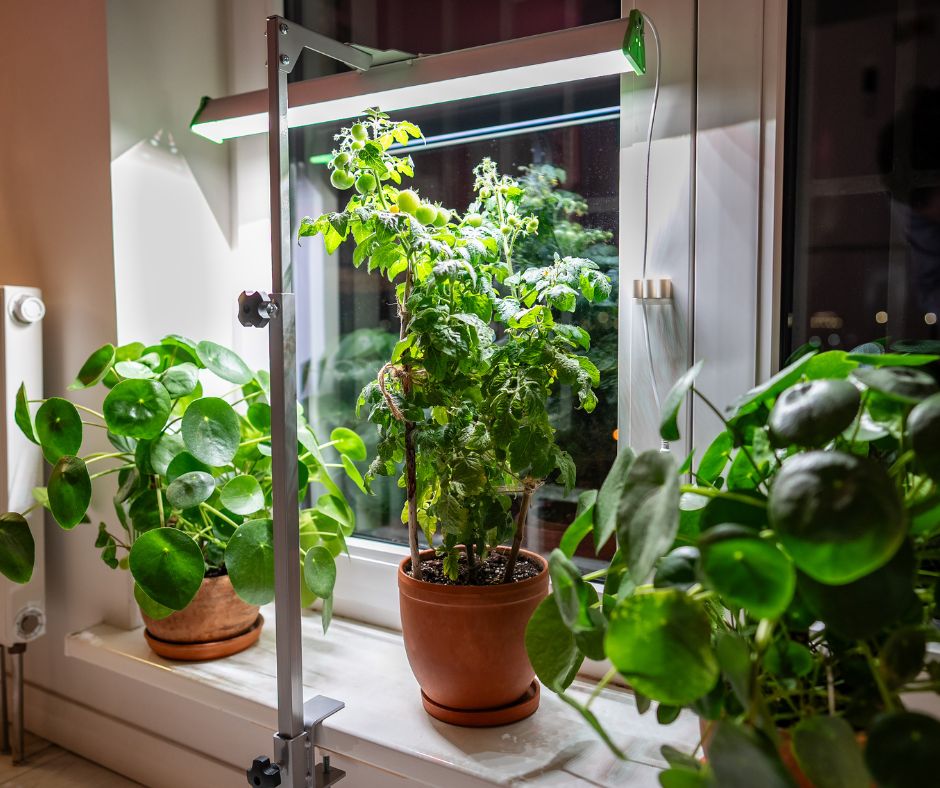
Usually, a sign that they aren’t getting enough sunlight. Move them to a brighter spot or supplement with a grow light.
Yellowing Leaves
Often a sign of overwatering, nutrient deficiency, or pest damage. Check soil moisture, and consider a diluted liquid fertilizer.
Poor Fruit Set
Tomatoes and peppers sometimes flower but don’t fruit. This can be due to extreme temperatures or insufficient pollination. Encourage bees with flowering herbs and avoid crowding.
Wilting in Heat
Some droop in the hot sun is normal, but consistent wilting needs prompt attention. Water deeply and consider light shade during the hottest hours.
Remember, every gardener faces setbacks. Each challenge is a step toward a greener thumb!
Savoring Your Homegrown Bounty
Harvesting your first bowl of salad or topping pasta with hand-picked basil is a reason to celebrate.
Growing even a small fraction of your veggies brings immense satisfaction, not to mention unbeatable taste.
Share your harvest with friends and neighbors. Swap recipes or trade spare herbs. You’ll find that a small vegetable garden often grows into a community experience, connecting you with others who share your love for homegrown flavor.
Take the First Step Toward Your Dream Garden
A small vegetable garden is more than just a source of food; it’s an invitation to reconnect with the rhythms of nature, even in the heart of the city.
You don’t need a big backyard or years of experience to grow delicious, healthy produce at home. With a little planning and some well-chosen crops, a lush and productive garden can be yours—no matter your starting point.
Curious about your own space’s potential? Grab your notebook, sketch out a plan, and hop into a local gardening group for inspiration and support.
With patience and a dash of experimentation, you’ll soon be savoring the fresh flavors of your very own vegetable patch.
Visit the Garden Resources page for supplies and inspiration. Don’t forget to subscribe to the Calendula’s Garden Newsletter for more gardening tips.
Calendula’s Garden is reader supported. When you buy through links on our site, we may earn an affiliate commission. As an Amazon Associate, I earn from qualifying purchases. For more information, view our Disclaimer page. Thank you!