Small Home Garden Ideas to Attract Birds and Butterflies
Calendula's Garden is reader suported This post may contain affiliate links, more on our Disclaimer page. Thank you!
There is something deeply grounding about sipping your morning coffee while watching a hummingbird flit between flowers or seeing a splash of color as a butterfly lands on a nearby leaf.
Even in a small space, a garden can be more than just a collection of plants; it can be a thriving ecosystem.
For many of us leading busy lives, connecting with nature often feels like a luxury we can’t afford. But you don’t need acres of land or hours of free time to create a sanctuary.
A small patio, a balcony, or a modest backyard patch is enough to invite nature in. By making a few strategic choices, you can transform a tiny footprint into a vibrant habitat for birds and butterflies.
This guide will walk you through simple, sustainable steps to create a wildlife-friendly garden that fits your lifestyle. You’ll learn how to support local biodiversity while creating a peaceful retreat right outside your window.
Why Invite Wildlife In?
Creating a space for birds and butterflies isn’t just about aesthetics, though the visual appeal is undeniable. It’s a small but powerful act of environmental stewardship.
Pollination Power
Butterflies, along with bees and hummingbirds, are essential pollinators. By attracting them, you aren’t just helping them survive; you are boosting the health of your own garden and the surrounding ecosystem. If you grow herbs or vegetables, increased pollination often leads to better yields.
Natural Stress Relief
Studies consistently show that spending time in green spaces reduces cortisol levels and lowers blood pressure. Watching the gentle activity of wildlife offers a mental break from screens and schedules.
BJPsych Int. – The importance of greenspace for mental health
It’s a form of passive mindfulness. A moment of quiet observation that recharges your battery without requiring effort.
Ecological Balance
Birds are fantastic natural pest controllers. Chickadees and wrens, for example, consume hundreds of insects daily, including aphids and mosquitoes. By inviting them in, you create a balanced system where nature handles the pest control for you.
Choosing the Right Plants
The foundation of any wildlife garden is plant selection. The goal is to provide food sources. Nectar for butterflies and hummingbirds, and seeds or berries for other birds.
Native plants are always the best choice because local wildlife has evolved alongside them, but many non-invasive ornamentals work well too.
Where to find seeds, plants, and supplies:
For Spring Blooms
Early-season food is critical for pollinators waking up from hibernation or migrating back north.
- Columbine: These unique, bell-shaped flowers are magnets for hummingbirds. They tolerate shade well, making them perfect for small corners.
- Lilac: While not native to North America, lilacs provide early nectar for butterflies and offer dense cover for nesting birds.
For Summer Color
This is peak activity time in the garden.
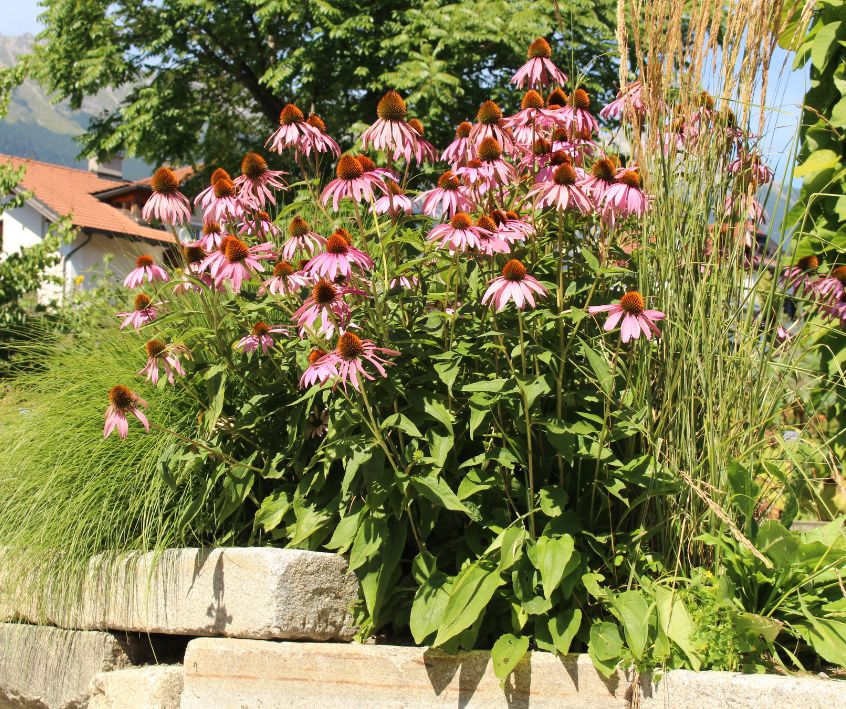
- Coneflower (Echinacea): A powerhouse plant. Butterflies love the nectar in the summer, and if you leave the flower heads on, goldfinches will feast on the seeds in autumn.
- Bee Balm (Monarda): As the name suggests, bees love it, but so do butterflies and hummingbirds. It adds a vibrant pop of red, pink, or purple to containers or borders.
- Milkweed: This is non-negotiable for Monarch lovers. It is the only plant Monarch caterpillars eat. Swamp milkweed or Butterfly Weed are excellent, well-behaved varieties for smaller spaces.
For Autumn Sustenance
Late bloomers provide the fuel migrating species need for their long journeys.
- Asters: These purple or blue flowers bloom late into the season when other plants are fading, providing a crucial last-minute energy source.
- Sedum (Stonecrop): Specifically, the ‘Autumn Joy’ variety. Its flat flower heads act like landing pads for butterflies.
Designing for Small Spaces
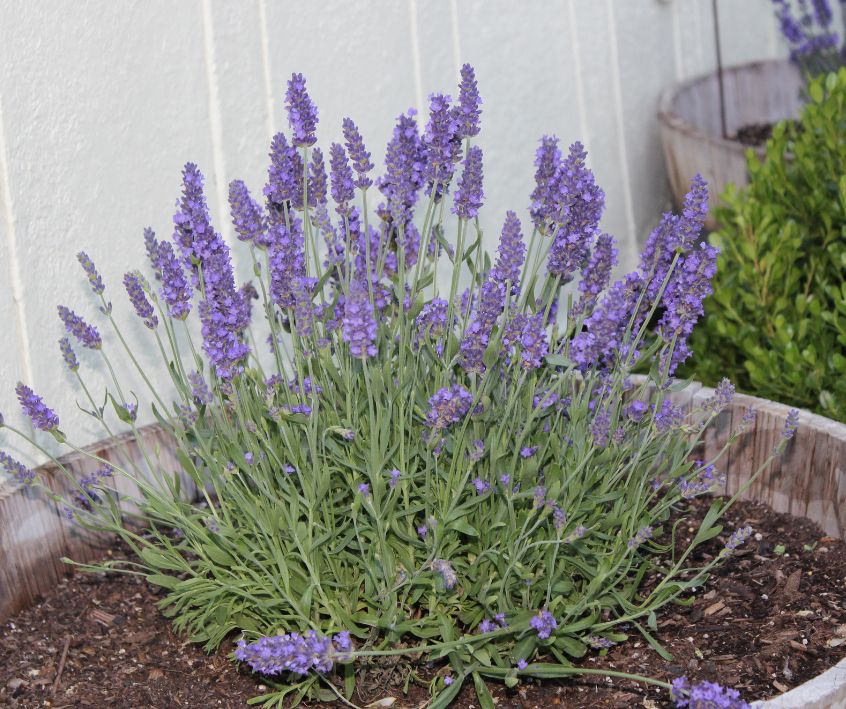
You don’t need a landscape architect to design a functional wildlife garden. The key is thinking about vertical layers, just like a forest.
Vertical Gardening
In a small footprint, grow up. Use trellises for climbing vines like Honeysuckle or Trumpet Vine (keep these in pots if you are worried about them spreading). Hanging baskets filled with Fuchsia or Petunias can attract hummingbirds right to your eye level.
13 inch Large Hanging Planters
Clustering for Impact
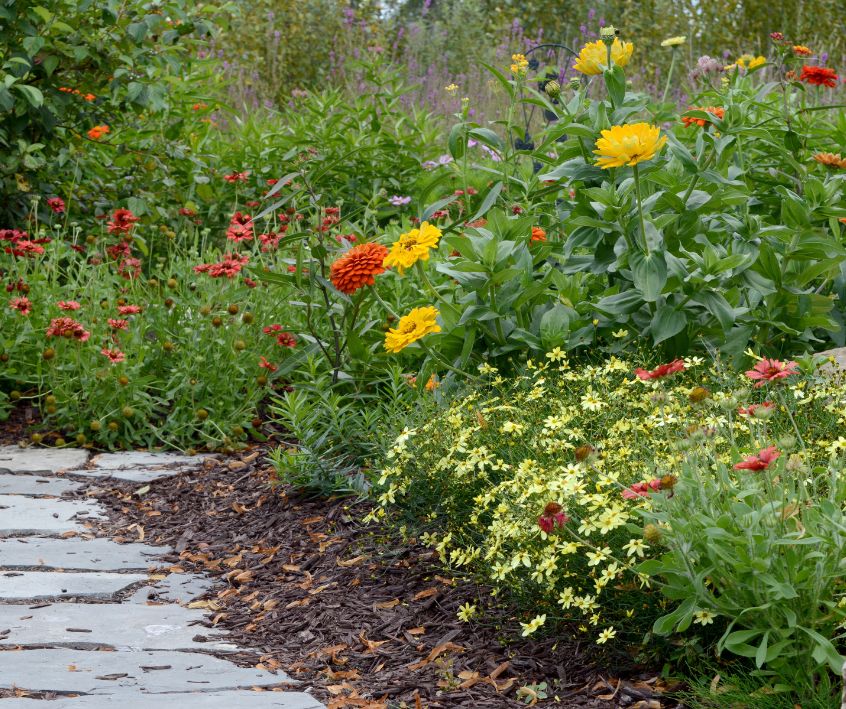
Butterflies are nearsighted and attracted to large swathes of color. Instead of planting one of everything, plant clumps of three or five of the same species. This “drift” of color acts like a beacon, making it easier for pollinators to spot your garden from the air.
The “Messy” Corner
If you have space, leave a small corner a little wild. A tiny pile of brush or leaves provides shelter for ground-feeding birds and overwintering spots for butterfly chrysalises. It’s less work for you and a luxury hotel for them.
The Importance of Water
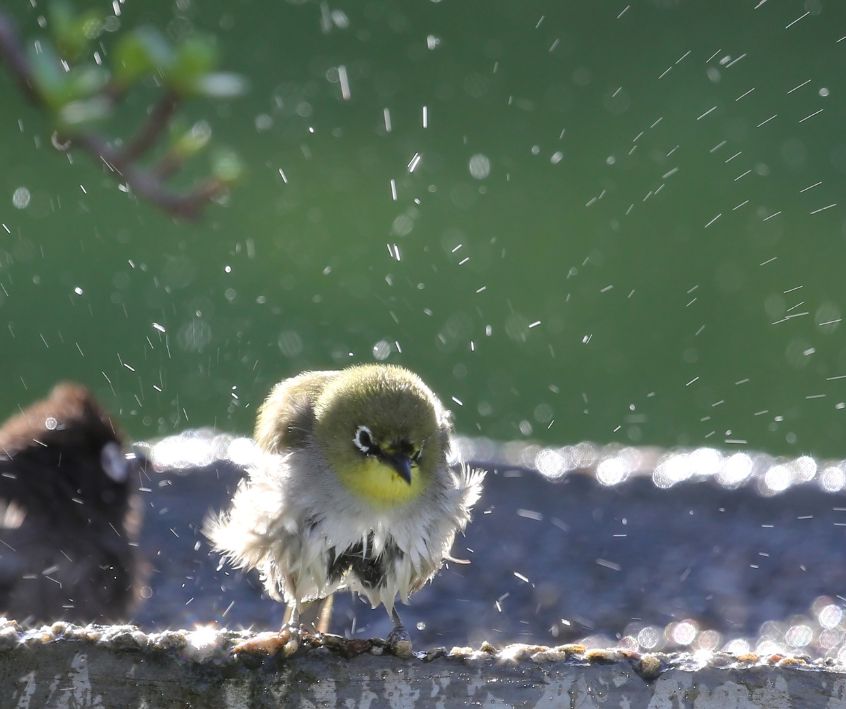
Water is often the missing ingredient in home gardens. Birds need it for drinking and bathing, and butterflies need it for minerals.
Birdbaths
A simple, shallow basin is all you need. Place it near a shrub or tree so birds have a quick escape route if a predator approaches.
Small Metal Bird Bath for Outdoors, 10″ Dia Bowl with Stake
The sound of moving water is highly attractive to birds, so consider adding a small solar-powered fountain or a “wiggler” to keep the water moving (which also prevents mosquitoes from breeding).
Mademax 1W Solar Bird Bath Fountain Pump
Puddling Stations for Butterflies
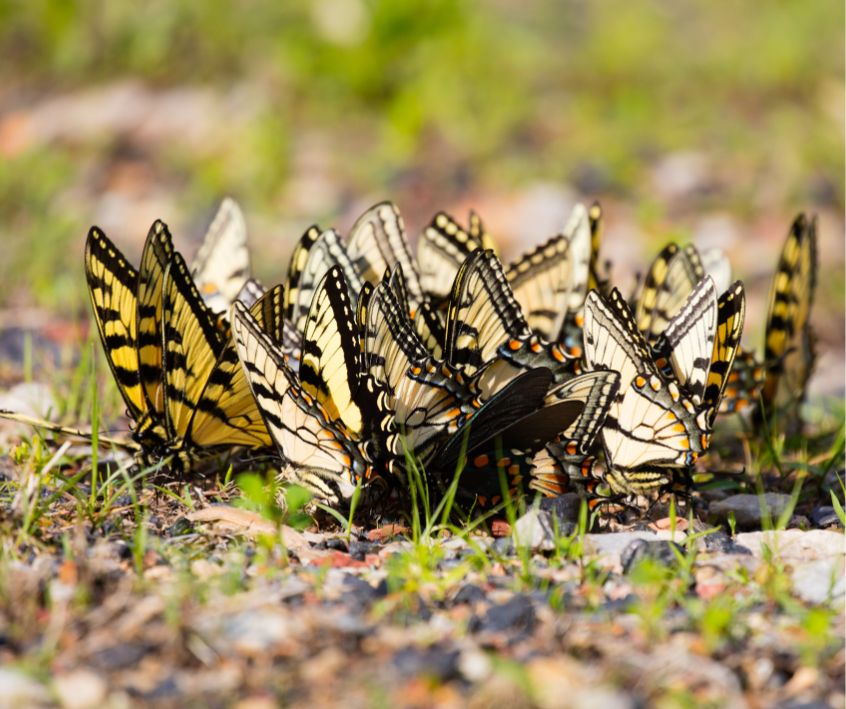
Butterflies can’t drink from deep water. They engage in “puddling”, sipping moisture from muddy soil to get essential salts and minerals. You can recreate this easily:
- Take a shallow saucer (like a plant pot base).
- Fill it with sand or gravel.
- Add enough water to keep the sand moist, but not submerged.
- Place it in a sunny spot.
Low-Maintenance Tips for Busy Gardeners
Sustainability applies to your energy levels, too. A garden shouldn’t become a second job.
- Mulch Heavily: A layer of organic mulch keeps moisture in the soil (meaning less watering for you) and suppresses weeds. As it breaks down, it improves the soil.
- Choose Perennials: Annuals need to be replanted every year. Perennials like the Coneflower and Bee Balm mentioned above come back year after year, saving you time and money.
- Native Plants: Because they are adapted to your local climate, native plants generally require less watering and fertilizing once established.
Xerces Society Pollinator Conservation Program Pollinator Friendly Native Plant Lists
Going Pesticide-Free
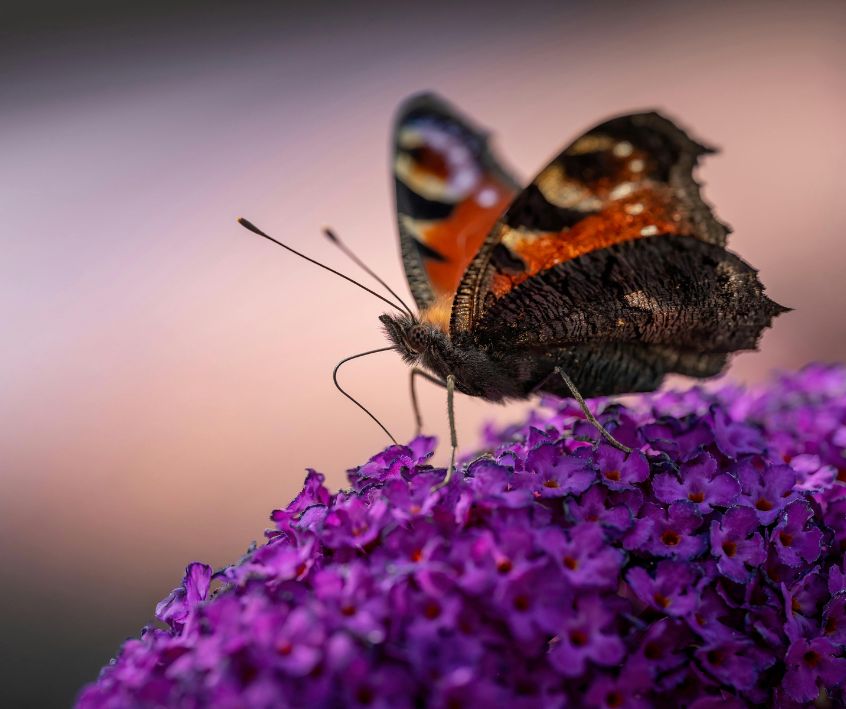
This is the most critical rule of a wildlife garden: avoid chemical pesticides and herbicides.
If you spray to kill aphids, you risk killing the ladybugs that eat them and the butterflies visiting your flowers. Worse, birds that eat poisoned insects can become sick themselves.
Focus on “Integrated Pest Management.” If you see a pest, wash it off with a strong blast of water from the hose. Encourage natural predators. Accept that a few holes in leaves are a sign of a healthy ecosystem. It means something is eating, which means something else will eat that.
Creating Year-Round Appeal
Your garden can support life even in the depths of winter.
- Leave the Leaves: In autumn, avoid scrubbing the garden too clean. Fallen leaves provide insulation for insects.
- Seed Heads: Don’t deadhead all your flowers in late fall. Leave the dried heads of sunflowers, coneflowers, and black-eyed Susans standing. They provide essential winter food for non-migratory birds.
- Evergreens: Even a small potted evergreen or holly bush provides crucial shelter from winter winds and summer storms.
Start Small, Grow Wild
Creating a habitat for birds and butterflies is a journey, not a weekend renovation project. Start with a birdbath and a few pots of native flowers. Observe who shows up.
As you see the first swallowtail butterfly resting on a bloom you planted, or a cardinal taking a bath in water you provided, you’ll find that the garden gives back just as much as you put in.
It is a simple, tangible way to make your corner of the world a little greener, a little wilder, and a lot more joyful.
Visit the Garden Resources page for supplies and inspiration. Don’t forget to subscribe to the Calendula’s Garden Newsletter for more gardening tips.
Calendula’s Garden is reader supported. When you buy through links on our site, we may earn an affiliate commission. As an Amazon Associate, I earn from qualifying purchases. For more information, view our Disclaimer page. Thank you!