Sip the Serenity of Homegrown Brews with Your Own Herbal Tea Garden
Calendula's Garden is reader suported This post may contain affiliate links, more on our Disclaimer page. Thank you!
Imagine stepping into your garden, picking fresh herbs, and brewing a cup of tea that not only tastes delightful but also offers myriad health benefits. Creating an herbal tea garden can transform this dream into reality.
We will guide you through every step of making your own herbal tea garden, from choosing the right location to harvesting your herbs.
Why Start an Herbal Tea Garden?
Benefits of Growing Your Own Herbs
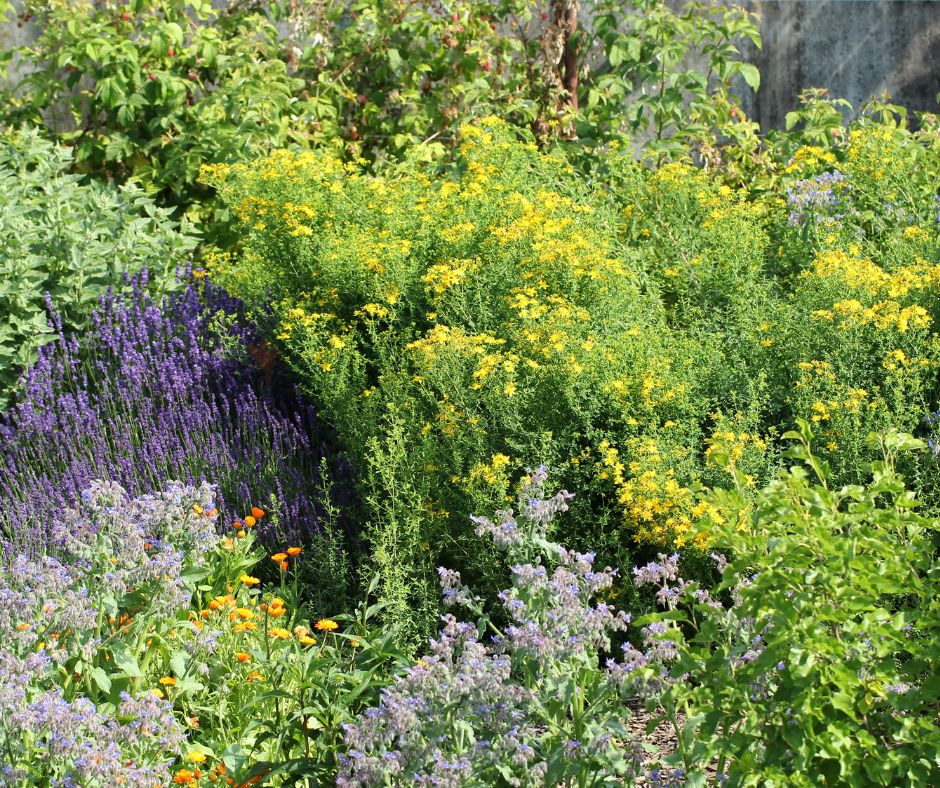
Herbal tea gardens are more than just a collection of plants; they are a sanctuary of well-being. Growing your own herbs ensures that you have access to the freshest ingredients, free from pesticides and chemicals.
This natural approach allows you to enjoy the full spectrum of flavors and health benefits these herbs offer.
Health Benefits of Herbal Teas
Herbal teas are renowned for their therapeutic properties. Chamomile is known for its calming effects, peppermint aids digestion, and lemon balm can help alleviate stress.
By cultivating these herbs, you have a personal pharmacy right in your backyard, ready to offer comfort and relief.
Nerd out on more herbal tea benefits: Nutrients – Role of Herbal Teas in Regulating Cellular Homeostasis and Autophagy and Their Implications in Regulating Overall Health
Economic and Environmental Impact
Growing your own herbs also has economic and environmental benefits. It reduces the need to buy packaged herbal teas, thereby cutting down on waste and saving money. Plus, it lowers your carbon footprint since the herbs are grown locally and sustainably.
Where to find seeds, plants, and supplies:
Choosing the Right Location
Sunlight Requirements
The first step in creating your herbal tea garden is selecting the right location. Most herbs require plenty of sunlight—about six to eight hours a day. Choose a spot in your garden that receives ample sunlight to ensure robust growth.
Space Considerations
Space is another crucial factor. While herbs don’t require a lot of room to grow, they do need space to spread their roots.
Raised beds or large pots can be excellent options if you’re limited on space. Ensure that each plant has enough room to thrive without overcrowding.
Choosing the Best Raised Garden Bed
Drainage and Soil Quality
Proper drainage is essential for a successful herbal tea garden. Herbs dislike waterlogged soil, which can lead to root rot. Opt for a well-draining soil mix and consider adding organic matter like compost to improve soil structure and fertility.
Selecting Herb Varieties
Popular Herbs for Tea
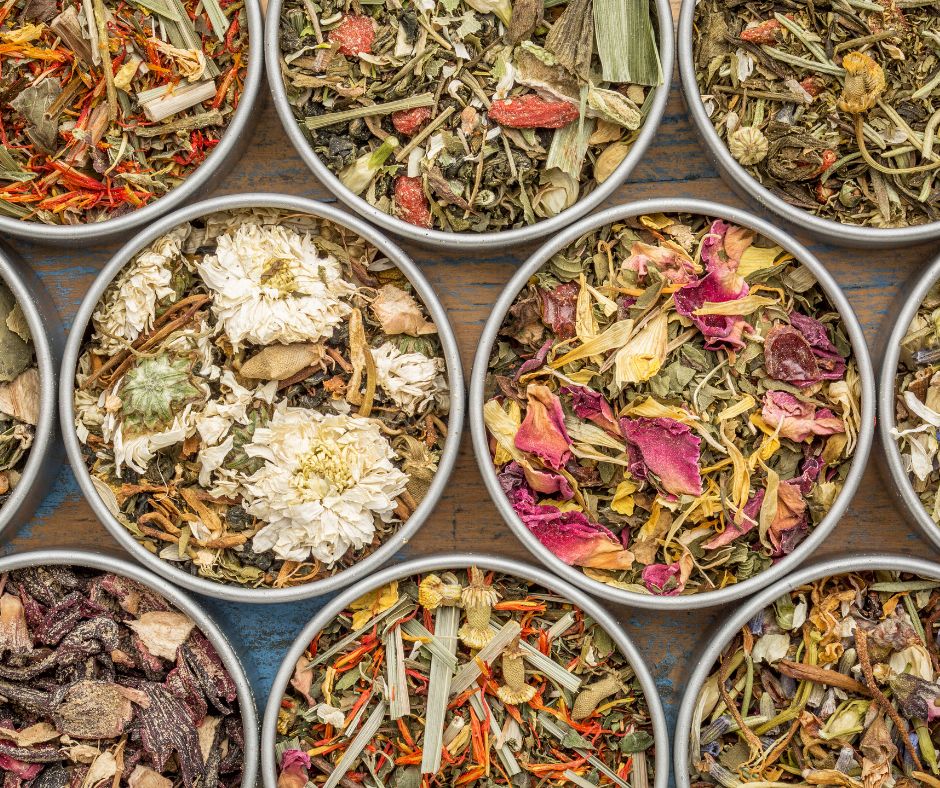
When it comes to selecting herbs, the possibilities are endless. Some popular choices for herbal teas include:
- Chamomile: Known for its calming effects and delicate apple-like flavor.
- Peppermint: Offers a refreshing taste and aids in digestion.
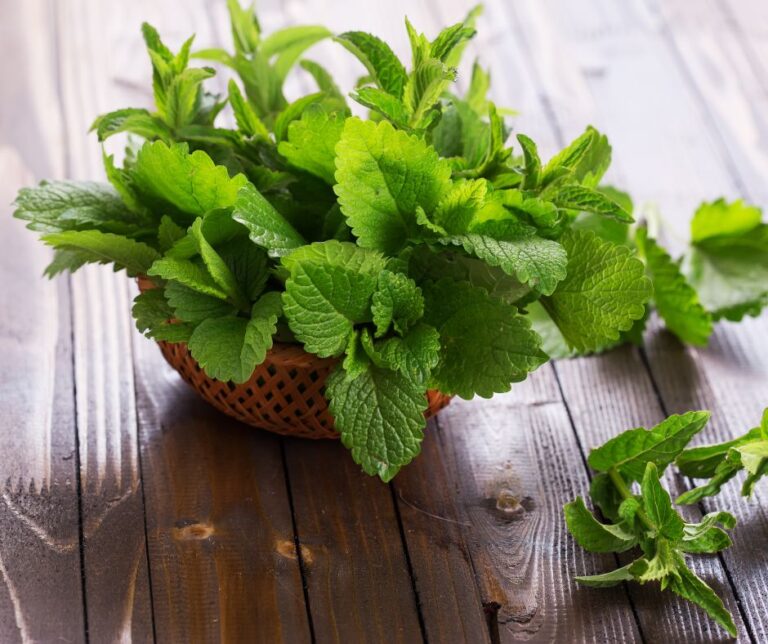
- Lemon Balm: A citrusy herb that helps reduce stress and anxiety.
- Lavender: Provides a floral aroma and can help with relaxation.
Flavor Profiles and Health Benefits
Each herb brings its unique flavor and health benefits to the table. Chamomile and lavender are excellent for winding down after a long day, while peppermint and lemon balm can be invigorating and refreshing. Understanding these profiles helps in creating a balanced and beneficial tea blend.
Companion Planting
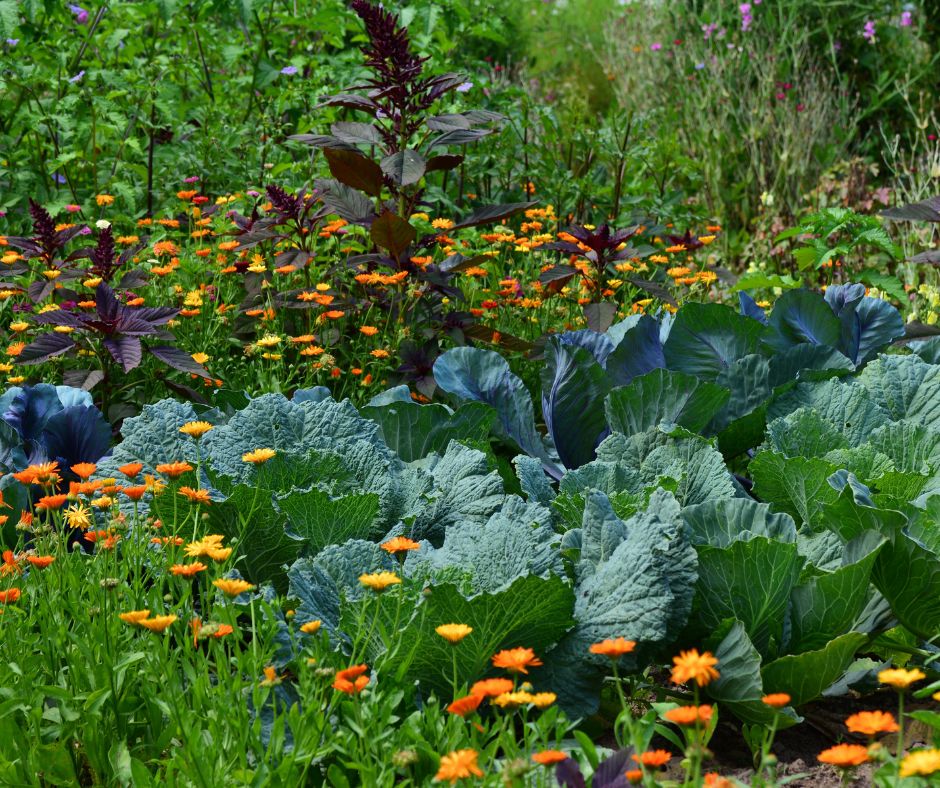
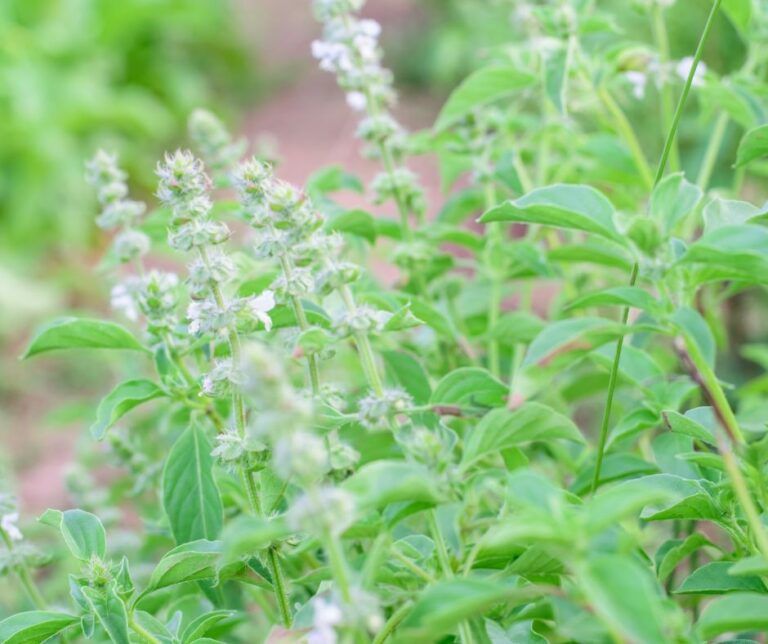
Consider companion planting to enhance the growth of your herbs. For instance, planting basil alongside chamomile can improve the flavor and health of both plants.
Companion planting can also help in natural pest control, reducing the need for chemical interventions.
Preparing the Garden Bed
Soil Preparation
Preparing your garden bed is a critical step. Herbs thrive in well-drained soil rich in organic matter.
Test your soil’s pH level; most herbs prefer a slightly acidic to neutral pH (6.0 to 7.0). Amend your soil with compost or aged manure to improve its fertility and structure.
Organic Matter and Nutrients
Incorporate organic matter like compost, which provides essential nutrients and improves soil texture. This organic approach not only feeds your plants but also promotes a healthy soil ecosystem, benefiting your garden in the long run.
7 Best Garden Soil Amendments and Fertilizers
Layout and Spacing
Plan the layout of your garden bed to ensure each herb has enough space to grow. Grouping herbs with similar light and water requirements can make maintenance easier.
Raised beds or containers can be excellent choices for those with limited space or poor soil quality.
Planting and Caring for Herbs
Planting Techniques
Planting herbs is straightforward but requires attention to detail. Dig a hole twice the size of the root ball, place the herb in, and cover with soil.
Water thoroughly to help the plant establish its roots. For seeds, follow the specific planting depth and spacing guidelines provided on the seed packet.
Watering and Fertilizing
Herbs need consistent but not excessive watering. Overwatering can lead to root rot, while underwatering can stress the plants.
A good rule of thumb is to water when the top inch of soil feels dry. Use organic fertilizers to provide necessary nutrients without harming the plants or soil.
Pruning and Maintenance
Regular pruning encourages bushier growth and prevents herbs from becoming leggy. Remove any dead or yellowing leaves to maintain plant health.
Keep an eye out for pests and diseases, and address any issues promptly to prevent them from spreading.
Harvesting and Drying Herbs
When to Harvest
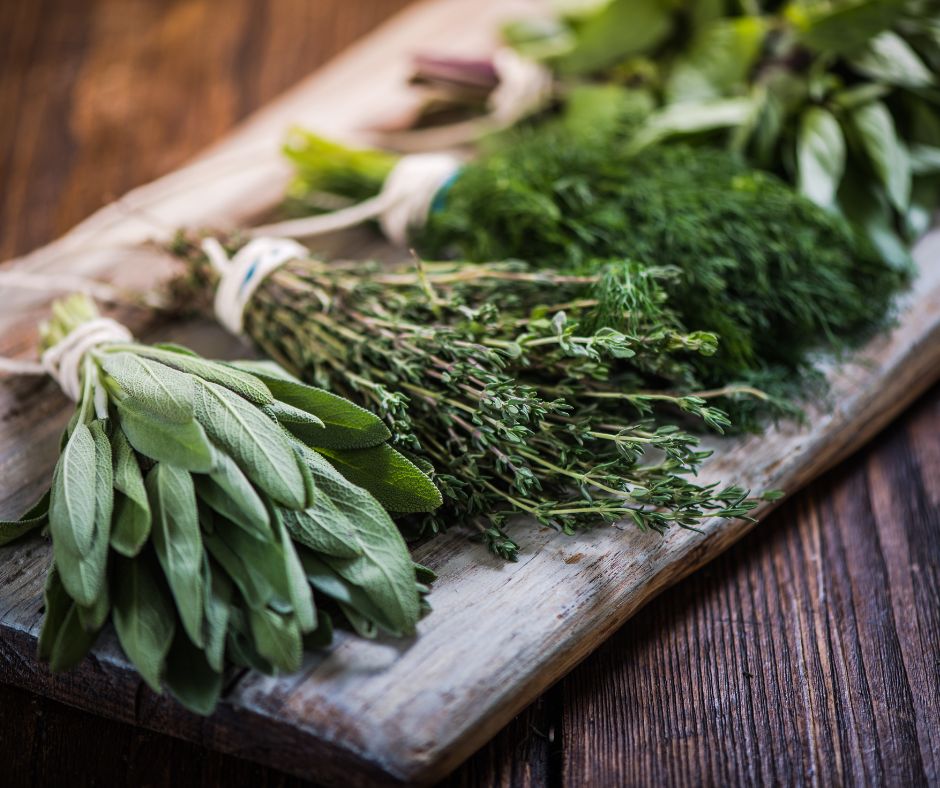
Timing is crucial when harvesting herbs. Most herbs are best harvested in the morning after the dew has dried but before the sun becomes too intense. This ensures the highest concentration of essential oils, giving your tea the best flavor and benefits.
Drying Techniques
Drying herbs preserves their flavor and medicinal properties. Air drying is a simple method; bundle small bunches of herbs and hang them upside down in a warm, dry place. Alternatively, use a dehydrator or oven set to low heat for quicker results.
Storing Dried Herbs
Store dried herbs in airtight containers away from light and moisture to maintain their potency. Glass jars with tight-fitting lids are an excellent choice.
Label each jar with the herb’s name and the date it was harvested to keep track of freshness.
Creating Your Custom Herbal Tea Blends
Experimenting with Flavors
One of the joys of having an herbal tea garden is experimenting with different blends. Mix and match herbs to create unique flavors.
For example, combine chamomile, peppermint, and lavender for a relaxing evening tea, or mix lemon balm and raspberry leaf for a refreshing daytime brew.
Understanding Herbal Properties
Understanding the properties of each herb helps in creating blends that are not only tasty but also beneficial.
For instance, a blend of chamomile and lavender can promote relaxation, while peppermint and ginger can aid digestion. Keep a journal of your experiments to refine your favorite blends.
Sharing Your Creations
Share your custom tea blends with friends and family. Not only does it make for a thoughtful gift, but it also spreads the joy and benefits of homegrown herbal teas. You might even consider hosting a tea-tasting party to showcase your creations.
Additional Tips and Troubleshooting
Pest Control
Pests can be a challenge, but there are natural ways to keep them at bay. Introduce beneficial insects like ladybugs and lacewings to your garden.
Use neem oil or insecticidal soap for more persistent pests. Companion planting with pest-repelling herbs like basil and marigold can also help.
Common Issues and Solutions
Herbs are generally hardy, but they can still face issues. Yellowing leaves may indicate overwatering, while stunted growth could be a sign of poor soil quality. Regularly check your plants for signs of stress and address any issues promptly to keep your garden thriving.
Seasonal Care
Adjust your care routine with the changing seasons. In colder months, protect your herbs with mulch or bring potted plants indoors. During the growing season, ensure they receive adequate water and nutrients to support robust growth.

Creating an herbal tea garden is not only a rewarding hobby but also a step towards a healthier lifestyle. The benefits of growing your own herbs extend beyond the kitchen, offering economic and environmental advantages as well. Start your herbal tea garden today and enjoy the serenity and satisfaction it brings.
Happy gardening!
Visit the Garden Resources page for supplies and inspiration. Don’t forget to subscribe to the Calendula’s Garden Newsletter for more gardening tips.
Calendula’s Garden is reader supported. When you buy through links on our site, we may earn an affiliate commission. As an Amazon Associate, I earn from qualifying purchases. For more information, view our Disclaimer page. Thank you!