Simple Rainwater Harvesting Tips Smart Water Solutions
Calendula's Garden is reader suported This post may contain affiliate links, more on our Disclaimer page. Thank you!
Ever wondered just how much water goes wasted during a downpour? What if you could make every drop count, improving plant health, and saving both the planet and your wallet? This is where rainwater harvesting comes in.
Rainwater collection isn’t just about being eco-friendly it’s also a smart, cost-effective way to water your garden, reduce your utility bills, and even safeguard your home during dry spells.
With the right strategies and setup, you can turn rainy days into golden opportunities for sustainability.
This guide takes you through all you need to know about rainwater harvesting—its benefits, collection methods, and how to get started with your system.
Whether you’re a green thumb, a sustainability enthusiast, or just someone intrigued by the idea of reducing water waste, there’s something here for you.
Why Choose Rainwater Harvesting? Exploring the Benefits

Rainwater harvesting combines environmental savvy with practical savings—it’s a win-win for homeowners and the planet. But why should you start collecting rainwater? Here are some compelling reasons:
1. Saves Money
Watering a garden, cleaning outdoor spaces, or filling a backyard pond can run your water meter up fast. By using stored rainwater for these tasks, you cut down on utilities and see significant savings over time.
2. Supports Eco-Friendly Living
Harvesting rainwater reduces our collective dependence on municipal water supplies, preserving valuable resources. It’s particularly important in areas facing water shortages or droughts.
3. Prevents Water Runoff Problems
When heavy rains hit, stormwater runoff can overwhelm drainage systems and erode soil. Collecting rainwater helps reduce these effects, keeping your landscape healthier and your local environment cleaner.
4. Improves Plant Health
Unlike tap water, which usually contains chemicals like chlorine and fluorine, rainwater is naturally pure. For example, the tap water here in central Arizona is high in chlorine, and salts, with a high pH.
Rainwater is a gift that is ideal for hydrating plants and moving salt buildup through the soil. They’ll thank you with healthier blooms and foliage.
5. Provides Backup in Emergencies
Rainwater systems can act as a backup during dry spells or minor water supply disruptions. While it might not be potable without special treatment, it’s still useful for plenty of non-drinking purposes.
With benefits this wide-ranging, it’s no wonder homeowners across the country are incorporating rainwater harvesting into their daily lives.
Rain Collection Supplies For A Quick Setup
FCMP Outdoor Raincatcher, Flat-Back Rain Barrel with Spigots, 50-Gallon, Brown
4 Pcs Mesh Cover for Rain Barrels for Repurposed Food Grade Barrels
Oatey Mystic Rainwater Collection Gutter Adapter System
VINGLI 50 Gallon Collapsible Rain Barrel
Rainwater Harvesting Methods to Fit Every Home
Rainwater harvesting isn’t a one-size-fits-all solution. Depending on your space, budget, and goals, there are various ways to collect and store that precious rainwater. Here are the most popular methods:
1. Barrel Collection
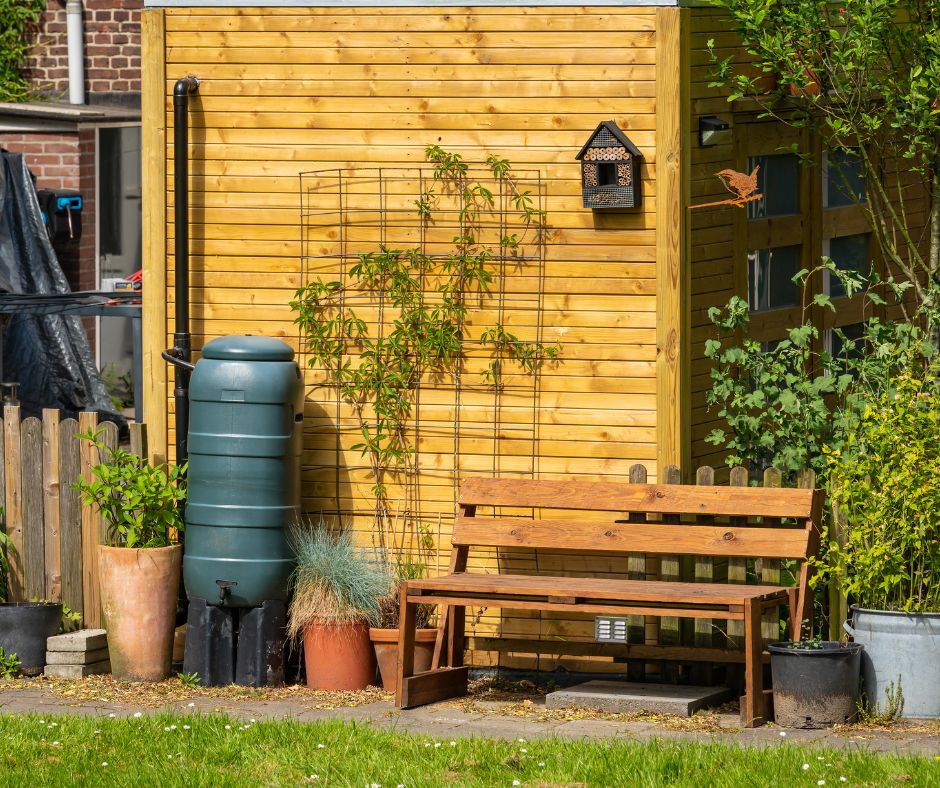
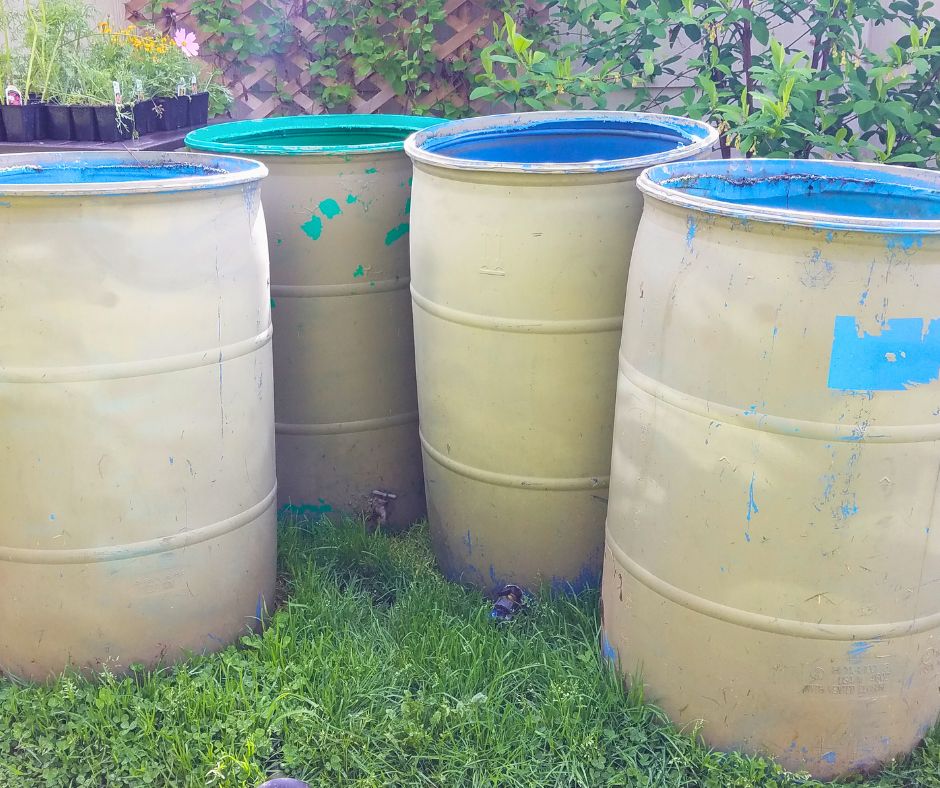
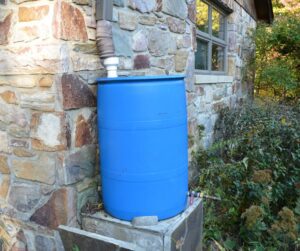
One of the simplest and most affordable methods, rain barrels attach to downspouts from your gutter system. When it rains, water flows straight into the barrel, keeping it ready for tasks like watering your garden or washing your car.
- Ideal for: Small gardens or budget-conscious beginners.
- Tip: Use a barrel with a secure lid and mosquito guard to avoid pests breeding inside.
2. Dry Systems
A dry system uses large storage tanks placed at a distance from your downspout. When it rains, water flows quickly into the tank and stays there, ready for irrigation or household chores.
- Ideal for: Homes with limited space but moderate water needs.
- Tip: Look for food-grade tanks that are UV-resistant to prevent algae growth.
3. Wet Systems
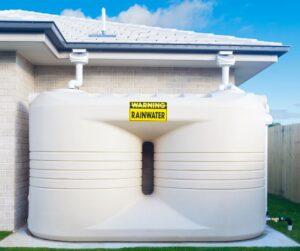
A wet system involves underground pipes that carry rainwater from multiple downspouts to one central storage tank. This setup is designed for larger properties and collects water more efficiently.
- Ideal for: Larger homes and ambitious landscapers.
- Tip: Installing a first-flush diverter will help keep the stored water clean by directing initial debris-laden rainwater away from your tank.
4. Green Roofs
A green roof is exactly what it sounds like—a layer of vegetation planted over a waterproofing membrane on your roof. This method is both aesthetically pleasing and functional, as the roof absorbs some rainwater while diverting excess into a tank.
- Ideal for: Urban homes with flat rooftops.
- Tip: Partner with a professional to ensure proper waterproof layers and drainage systems are in place.
5. Comprehensive Systems
For those who are all-in on water conservation, comprehensive systems integrate rainwater collection with filtration and even purification mechanisms, making water usable for indoor needs.
- Ideal for: Passionate eco-conscious homeowners with a bigger budget.
- Tip: Research local codes and permits if you plan to use rainwater indoors.
How to Set Up A Home Rainwater Harvesting System
Getting started with rainwater harvesting might feel overwhelming, but it’s simpler than you think. Here are some easy steps to design and install a system that works for you:
Step 1: Evaluate Your Needs
Think about how much water you require, the purpose it will serve (e.g., gardening, cleaning), and the space you have available for storage tanks or barrels.
Step 2: Assess Your Roof
Your roof is your rainwater collection starting point. Make sure it’s clean, free of debris, and made of rain-friendly materials. Avoid roofs treated with chemicals, as these can contaminate water.
Step 3: Choose the Right System
Based on your needs and space, decide whether a simple rain barrel or a more advanced tank-and-piping system makes sense. This will also guide your budget.
Step 4: Install Gutters and Downspouts
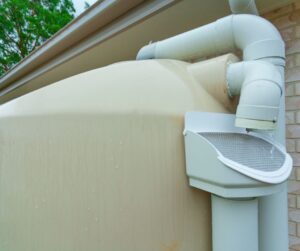
Ensure your gutters are clear of debris and that downspouts are properly aligned to direct water into the collection system.
Step 5: Purchase a Storage Solution
Invest in good-quality storage containers, such as rain barrels or tanks. Look for UV-resistant, food-grade materials to preserve water quality.
Step 6: Inspect Regularly
Rainwater systems benefit from regular maintenance. Clean your gutters and tanks at least twice a year and keep an eye out for leaks or dirt buildup.
After completing these steps, you’ll have a functional rainwater harvesting system that’s ready to help you conserve water and meet your sustainability goals.
Why It’s Time to Start Harvesting Rainwater
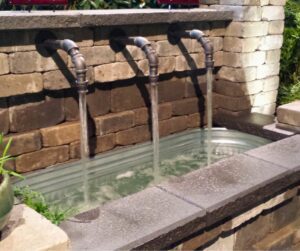
Rainwater harvesting is an easy way to make your home more sustainable, your garden more beautiful, and your life a little more eco-friendly. Whether you’re looking for a simple rain barrel setup or a comprehensive system, there’s a rainwater harvesting option to fit every budget and lifestyle.
Still unsure where to begin? Start small—a single rain barrel is all it takes to start making a positive impact on your environment.
By taking the plunge into rainwater harvesting, you’ll be contributing to a more sustainable future while reaping benefits for your home and garden. Isn’t it amazing how a single drop of rain can spark such a transformation?
Visit the Garden Resources page for supplies and inspiration. Don’t forget to subscribe to the Calendula’s Garden Newsletter for more gardening tips.
Calendula’s Garden is reader supported. When you buy through links on our site, we may earn an affiliate commission. As an Amazon Associate, I earn from qualifying purchases. For more information, view our Disclaimer page. Thank you!