Simple Home Improvements That Save Energy and Money
Calendula's Garden is reader suported This post may contain affiliate links, more on our Disclaimer page. Thank you!
Rising utility bills got you feeling stressed? You’re not alone. The average American household spends over $2,000 annually on energy costs, but here’s the good news: many of these expenses are within your control.
Making your home more energy efficient doesn’t just shrink those monthly bills; it also creates a more comfortable living space while reducing your environmental impact.
Whether you’re dealing with drafty windows that make winter unbearable or you’re simply tired of watching your hard-earned money disappear into high energy costs, this guide will walk you through practical steps to transform your home into an energy-efficient sanctuary.
From quick fixes you can tackle this weekend to smart long-term investments that pay for themselves, we’ll cover everything you need to know to start saving money and energy right away.
First, Assess Your Current Energy Usage
Before diving into improvements, you’ll want to understand where your energy dollars are actually going. Think of this as your home’s energy report card. Once you know the weak spots, you can focus your efforts where they’ll make the biggest difference.
Start with a simple walkthrough of your home on a particularly hot or cold day. Feel around windows and doors for drafts, check if rooms feel significantly warmer or cooler than others, and notice which appliances seem to run constantly.
Your monthly utility bills can also reveal patterns. Do you see spikes during certain seasons that seem higher than your neighbors’?
Many utility companies offer free or low-cost energy audits where professionals use specialized equipment to identify energy waste.
They’ll use tools like thermal imaging cameras to spot insulation gaps and blower door tests to measure air leakage.
If a professional audit isn’t in your budget, you can conduct your own using simple tools like an incense stick to detect drafts or an infrared thermometer to find temperature variations.
Pay special attention to your heating and cooling systems, which typically account for about 48% of your energy use.
Water heating comes in second at around 18%, followed by lighting and appliances. Understanding these proportions helps you prioritize where to invest your time and money first.
Quick Fixes That Make an Immediate Impact

Sometimes the smallest changes create the most noticeable results. These simple swaps and adjustments can start cutting your energy bills within the first month, and most cost less than $50 to implement.
Switch to LED Lighting
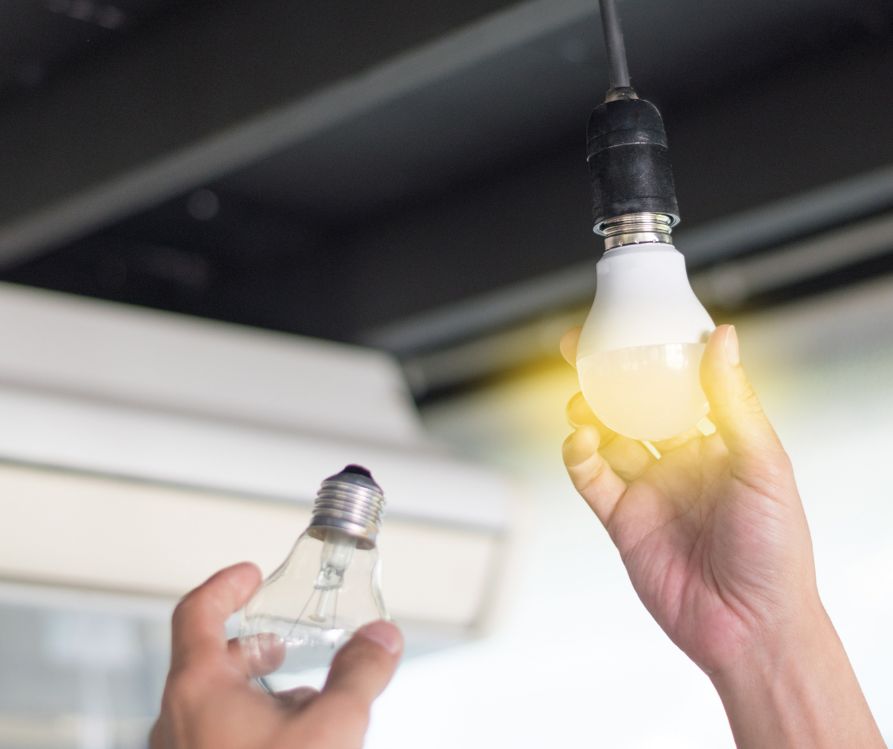
If you’re still using incandescent bulbs, you’re essentially heating your rooms instead of just lighting them. LED bulbs use up to 75% less energy and last 25 times longer than traditional incandescent bulbs.
Yes, they cost more upfront, but a single LED bulb can save you $80 in electricity costs over its lifetime.
Master Your Thermostat
Here’s a simple rule that can save you 10% on heating and cooling costs: adjust your thermostat by 7-10 degrees when you’re away from home for eight hours or more.
Even better, invest in a programmable or smart thermostat that does this automatically. Your family won’t notice the difference when nobody’s home, but your wallet certainly will.
Seal Air Leaks
Grab some weatherstripping and caulk from your local hardware store. This $20 investment can eliminate drafts around windows, doors, and other openings.
Focus on areas where you feel air movement, and don’t forget about less obvious spots like electrical outlets on exterior walls and where pipes enter your home.
Unplug Energy Vampires
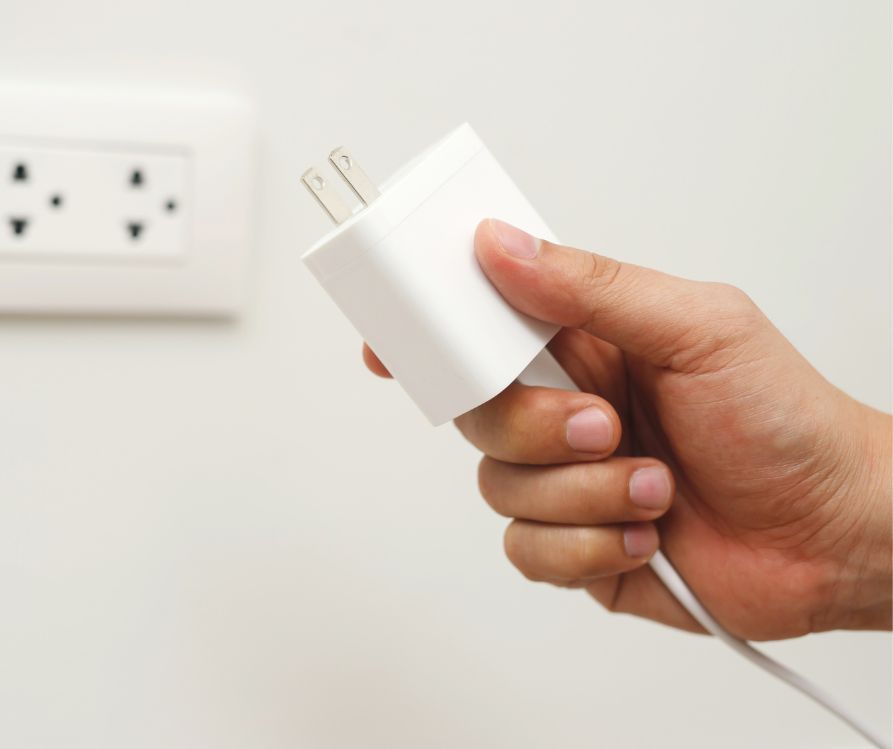
Many electronics continue drawing power even when turned off. These “phantom loads” can account for 5-10% of your home’s energy use.
Unplug devices like TVs, coffee makers, and phone chargers when not in use, or use power strips that make it easy to cut power to multiple devices at once.
Smart Investments for Long-Term Savings
While quick fixes provide immediate relief, strategic upgrades offer the most significant long-term impact on your energy bills and home comfort.
Upgrade Your Appliances
When it’s time to replace major appliances, choosing ENERGY STAR certified models can cut your energy use by 10-20%. Focus first on your refrigerator, washing machine, and dishwasher.
These workhorses run frequently, and energy-efficient versions pay for themselves through lower utility bills.
Modern refrigerators, for instance, use about half the energy of models from 15 years ago. If your refrigerator is older than 10 years and you notice it running constantly, replacement might make more financial sense than you’d expect.
Improve Your Insulation
Proper insulation acts like a cozy blanket for your home, keeping conditioned air where it belongs. Attic insulation offers the best return on investment since heat naturally rises.
Most homes benefit from 12-15 inches of insulation in the attic, but many have far less.
Don’t overlook your basement or crawl space either. Insulating these areas prevents cold air from seeping up through your floors, making your main living areas more comfortable while reducing the workload on your heating system.
Upgrade Windows and Doors
While window replacement represents a significant investment, it can reduce energy loss by up to 15%. If full replacement isn’t in your budget right now, storm doors and windows provide many of the same benefits at a fraction of the cost.
Look for windows with low-E coatings and double or triple-pane glass filled with argon gas.
These features might sound fancy, but they’re standard in quality energy-efficient windows and make a real difference in both comfort and energy savings.
Renewable Energy Options for Your Home
Solar power has become surprisingly accessible for average homeowners, with costs dropping by more than 70% over the past decade. But solar panels aren’t your only renewable energy option.
Solar Panel Systems
A typical residential solar system costs between $15,000-$25,000 before incentives, but federal tax credits and local rebates can reduce this by 30% or more.
Most systems pay for themselves within 8-12 years and can add value to your home while eliminating or significantly reducing your electricity bills.
Consider starting small with solar water heating, which costs less than full solar panels but can handle 50-80% of your water heating needs. This option works well even in cooler climates and offers a faster payback period.
Wind Power Options
While large wind turbines aren’t practical for most residential lots, small wind systems can supplement your energy needs if you have adequate space and consistent wind.
These work best in rural areas with few obstructions and average wind speeds of at least 10 mph.
Geothermal Systems
Geothermal heat pumps use the earth’s constant underground temperature to heat and cool your home with remarkable efficiency.
Though installation requires significant upfront investment, these systems can reduce your heating and cooling costs by 30-60% while providing decades of reliable service.
Government Incentives and Rebates
The good news about energy-efficient upgrades? You don’t have to pay for them alone. Federal, state, and local governments offer various incentives to encourage homeowners to reduce energy consumption.
Federal Tax Credits
The federal government offers tax credits for solar panels, geothermal systems, small wind turbines, and other renewable energy installations. These credits can cover 30% of your costs, though the percentage may change in future years.
Energy efficient appliances, windows, doors, and HVAC systems may also qualify for federal credits, typically ranging from $50-$300 per item. Keep your receipts and manufacturer certification statements. You’ll need them when filing your taxes.
State and Local Programs
Many states offer additional rebates and incentives that stack with federal credits. Some utility companies provide rebates for energy-efficient appliances or offer free LED bulbs and programmable thermostats to customers.
Check with your state energy office and local utility company to discover available programs in your area. Some offer low-interest loans for energy improvements, making major upgrades more affordable by spreading costs over several years.
Start Your Energy-Efficient Journey Today
Transforming your home into an energy-efficient space doesn’t happen overnight, but every step you take brings you closer to lower bills and greater comfort.
Start with the quick fixes that fit your budget. Switching to LED bulbs, sealing air leaks, and adjusting your thermostat settings can provide immediate results without breaking the bank.
As you see the savings add up, you can tackle bigger projects like insulation upgrades or appliance replacements.
Remember, the best energy-efficient improvement is the one you’ll actually complete, so choose projects that match your timeline and budget.
Your future self will thank you for taking action today. Not only will you enjoy lower utility bills and a more comfortable home, but you’ll also have the satisfaction of reducing your environmental impact.
Ready to get started? Pick one improvement from this guide and commit to completing it within the next two weeks. Your journey toward an energy-efficient home begins with that first step.
Visit the Garden Resources page for supplies and inspiration. Don’t forget to subscribe to the Calendula’s Garden Newsletter for more gardening tips.
Calendula’s Garden is reader supported. When you buy through links on our site, we may earn an affiliate commission. As an Amazon Associate, I earn from qualifying purchases. For more information, view our Disclaimer page. Thank you!