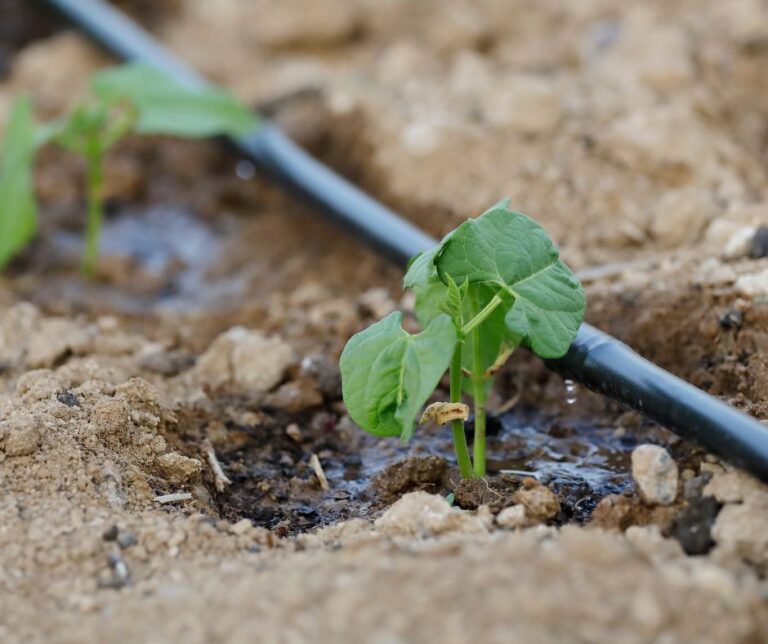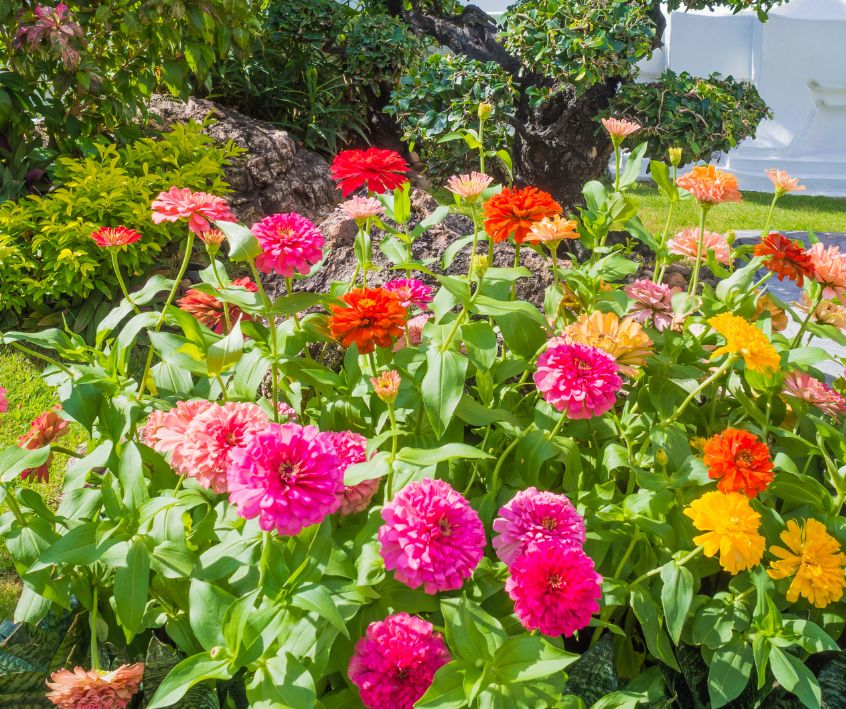
Seasonal Small Home Garden Ideas to Keep Your Space Beautiful Year Round
Calendula's Garden is reader suported This post may contain affiliate links, more on our Disclaimer page. Thank you!
Gardening often feels like a hobby reserved for those with sprawling backyards and endless free time.
But even if you’re squeezed into a small urban apartment or a townhouse with a tiny patio, you can still cultivate a thriving green space.
For busy, health-conscious beginners, a small garden offers a sanctuary. A place to disconnect from screens, grow your own organic produce, and contribute to a more sustainable planet.
The secret to a successful small garden isn’t having a green thumb; it’s understanding the rhythm of the seasons.
By syncing your efforts with nature’s calendar, you can ensure your limited space remains productive and beautiful all year long.
This guide breaks down manageable, eco-friendly projects for every season, proving that you don’t need acres of land to make a big impact.
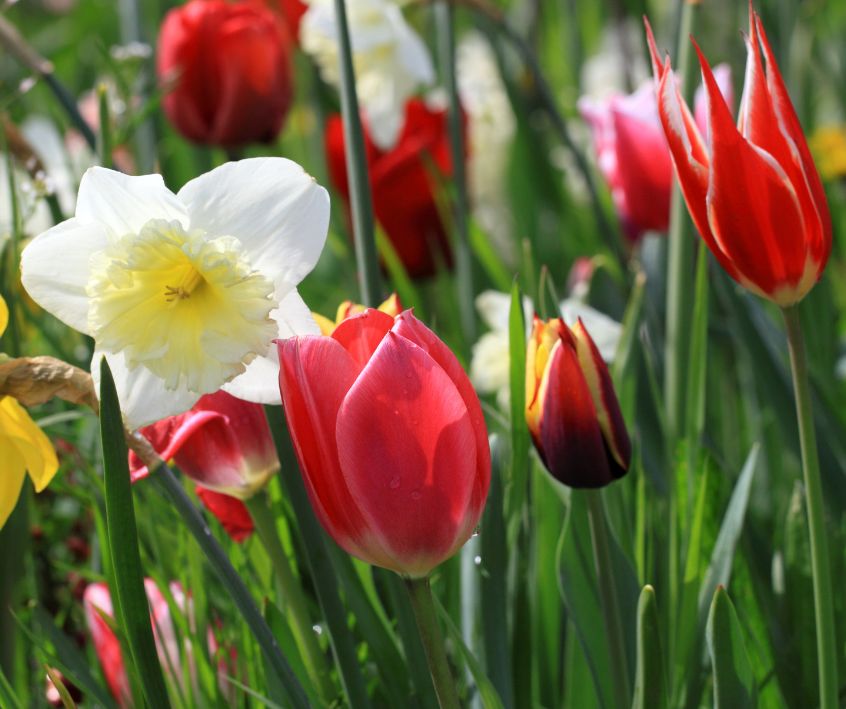
Spring: Awakening Your Green Space
As frost recedes and days lengthen, spring brings a burst of energy to the garden. This is the time for new beginnings, perfect for establishing the foundation of your year-round oasis.
Easy Flowering Plants and Herbs
For beginners, instant gratification is key to staying motivated. Start with hard to kill flowering plants that attract pollinators, which are vital for a healthy ecosystem.
Marigolds and nasturtiums are excellent choices; they are colorful, edible, and help deter pests naturally.
Herbs are the small gardener’s best friend. They require little space and offer high returns in flavor and nutrition.
Consider planting perennials like rosemary, thyme, and sage. These tough plants will return year after year, saving you time and money.
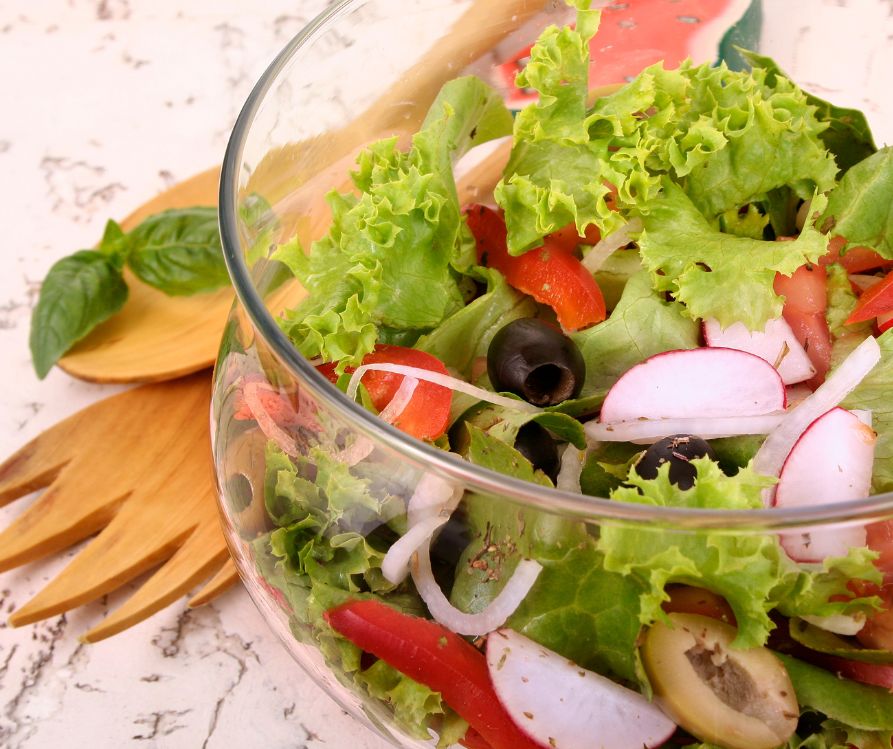
Basil and cilantro grow quickly from seeds or starter plants, providing fresh flavors for your spring salads and teas.
Mastering Container Gardening
When ground space is limited, look up or look down at your pots. Container gardening allows you to control soil quality and move plants to chase the sun.
- Drainage is non-negotiable: Ensure every pot has holes at the bottom. Without drainage, roots will rot in soggy soil.
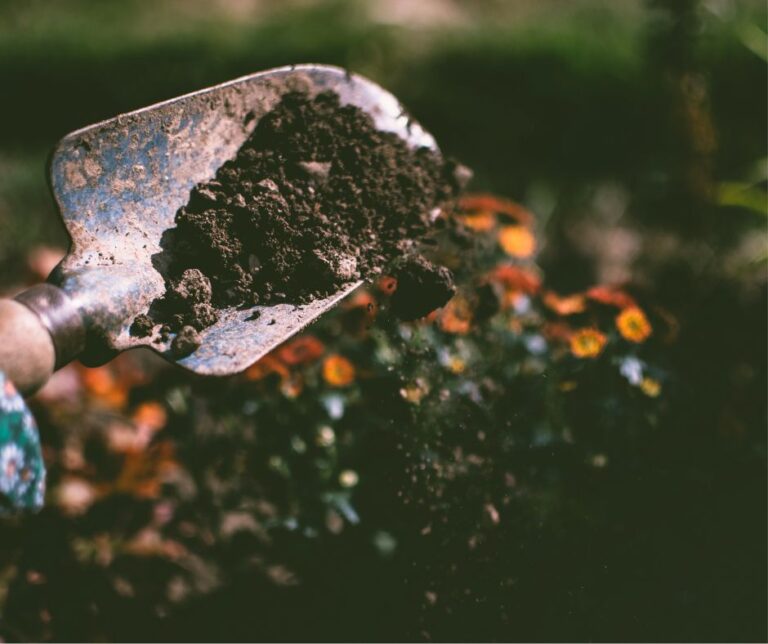
- Choose the right soil: Don’t use dirt from the ground, which can be too heavy and compact for pots. Opt for an organic potting mix that retains moisture while allowing air to reach the roots.
- Vertical growing: Utilize hanging baskets, wall-mounted planters, or tiered plant stands to maximize your square footage. This not only saves floor space but also adds visual interest to walls and fences.
Summer: Abundance in Small Spaces
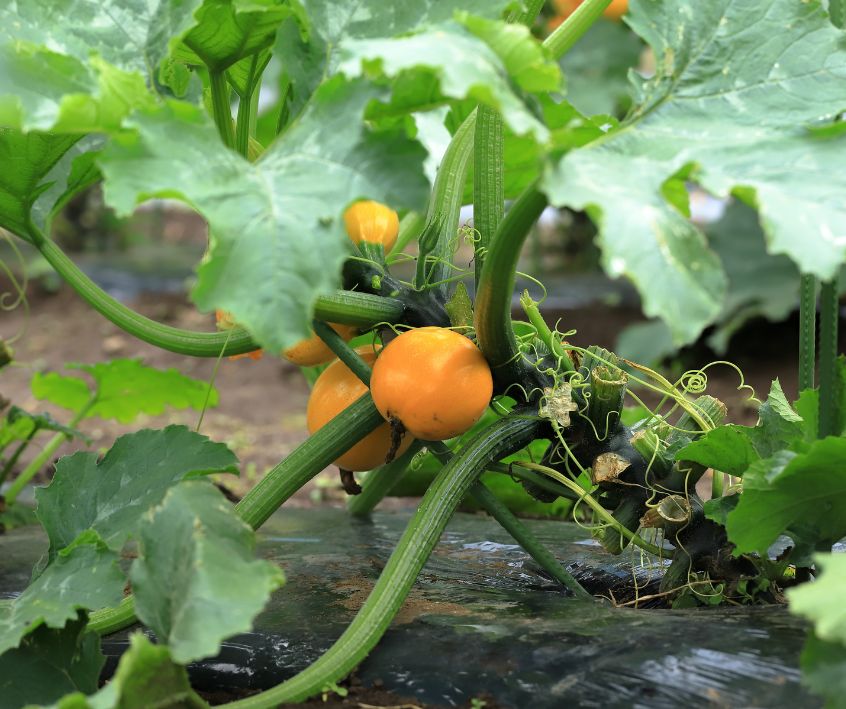
Summer is the season of growth and harvest. It’s when your garden works hardest, but it also requires vigilant care as temperatures rise.
Vegetables for Compact Areas
You don’t need rows of farmland to grow food. Focus on “high-yield” crops that produce a lot of food per square foot.
- Tomatoes: Cherry tomatoes thrive in pots. Look for “determinate” or “bush” varieties that stay compact rather than sprawling vines.
- Leafy Greens: Swiss chard and kale are cut-and-come-again crops. You can harvest the outer leaves for a smoothie or stir-fry, and the plant will keep growing new ones from the center.
- Peppers and Chilies: These heat-lovers do exceptionally well in containers and add a spicy kick to your healthy meals.
Watering and Sun Management
Summer heat can dehydrate pots quickly. Small volumes of soil dry out faster than the ground, so you may need to water daily. The best time to water is early morning or late evening to minimize evaporation.
Pay attention to how the sun moves across your space. Most vegetables need 6-8 hours of direct sunlight.
However, in the peak of summer, intense afternoon sun can scorch delicate leaves. If your plants look wilted despite being watered, try moving your containers to a spot with afternoon shade or set up a simple shade cloth.
Autumn: Preparation and Preservation
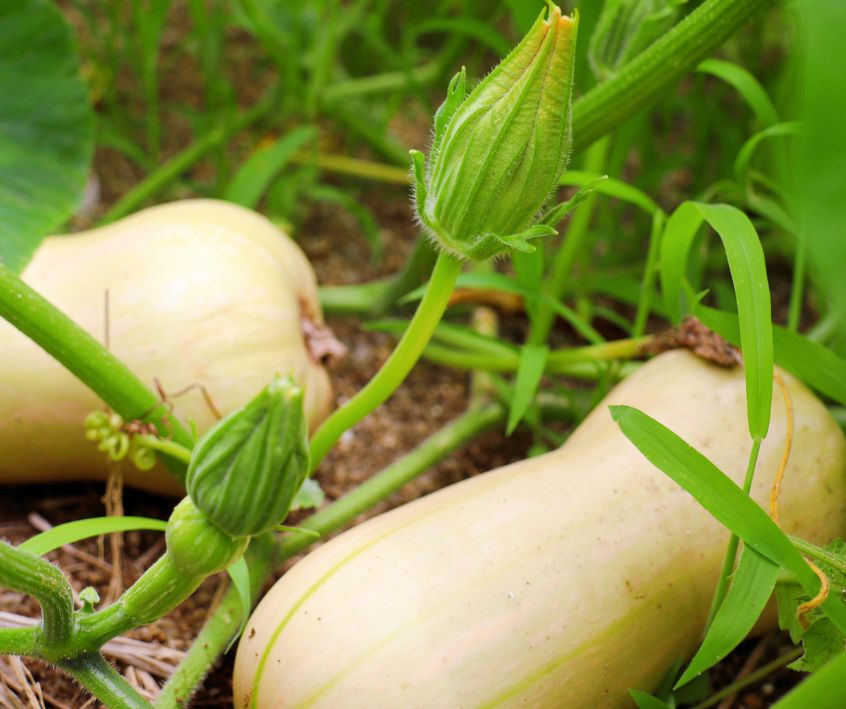
As the air cools, the garden’s pace slows. Autumn isn’t just about cleaning up; it’s about setting the stage for next year’s success.
Planting Bulbs for Spring Surprises
If you want color the moment winter breaks, autumn is the time to act. Planting bulbs now requires patience, but the payoff is worth it.
Tulips, daffodils, and crocuses need a period of cold dormancy underground to bloom.
Planting bulbs in layers within a single large pot, a technique known as “lasagna planting,” maximizes space.
Place late-blooming bulbs like tulips at the bottom, cover with soil, add mid-season bloomers like daffodils, cover again, and top with early bloomers like crocuses.
This creates a continuous succession of flowers in one pot throughout spring.
The Gold in the Leaves
Fallen leaves are often treated as trash, but for the eco-minded gardener, they are free fertilizer. Instead of bagging them for the curb, collect them.
If you have a compost bin, add them as “brown” carbon-rich material to balance out “green” nitrogen-rich kitchen scraps.
No compost bin? No problem. You can make “leaf mold.” Simply pile damp leaves in a corner or a dedicated bag with a few air holes.
Over time, they will decompose into a dark, crumbly soil conditioner that retains moisture perfectly. It’s a passive, sustainable way to improve your soil for free.
Winter: The Indoor Sanctuary
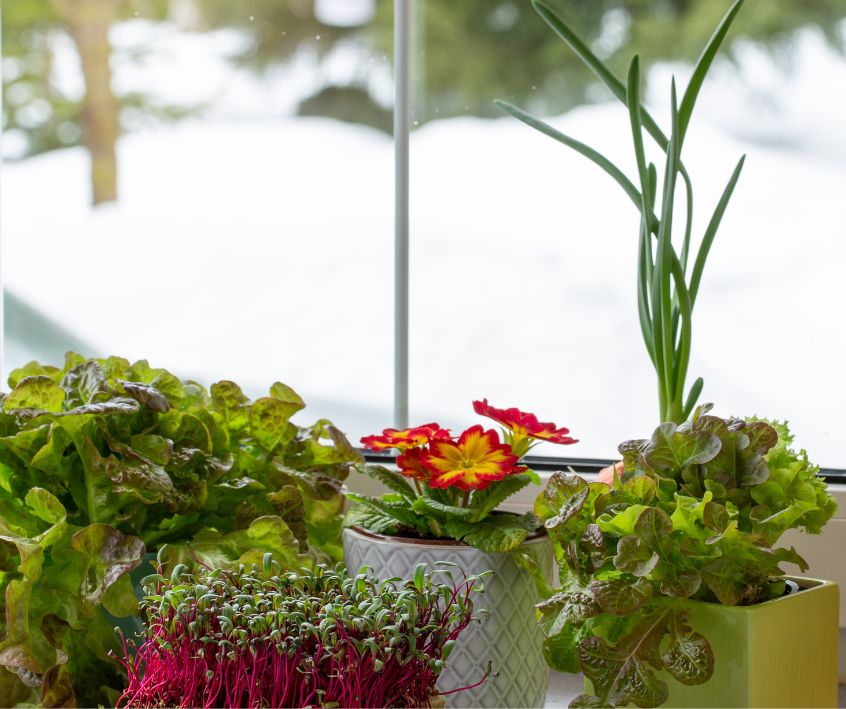
When the outdoor world goes dormant, bring the greenery inside. Winter is a time for planning, maintenance, and enjoying the health benefits of indoor plants.
Cultivating an Indoor Herb Garden
Just because it’s cold outside doesn’t mean fresh flavors are off the menu. A sunny windowsill is prime real estate for winter gardening.
- Light needs: South-facing windows offer the best light. If your home is dark, affordable LED grow lights can keep herbs like mint, chives, and parsley happy.
- Humidity: Indoor heating can dry out the air. Grouping plants together creates a microclimate with higher humidity, or you can place pots on a tray filled with pebbles and water (ensure the pot sits on the pebbles, not in the water).
Planning and Dreaming
Winter is the ideal time to reflect on what worked and what didn’t. Did the tomatoes take over the balcony? Did the basil die of thirst?
Use a garden journal to jot down these observations.
Browse seed catalogs or sustainable gardening websites to plan your spring layout. Ordering seeds in winter ensures you get the varieties you want before the spring rush.
It’s a hopeful, calming activity that reconnects you with nature’s cycle even when the ground is frozen.
Embracing the Cycle
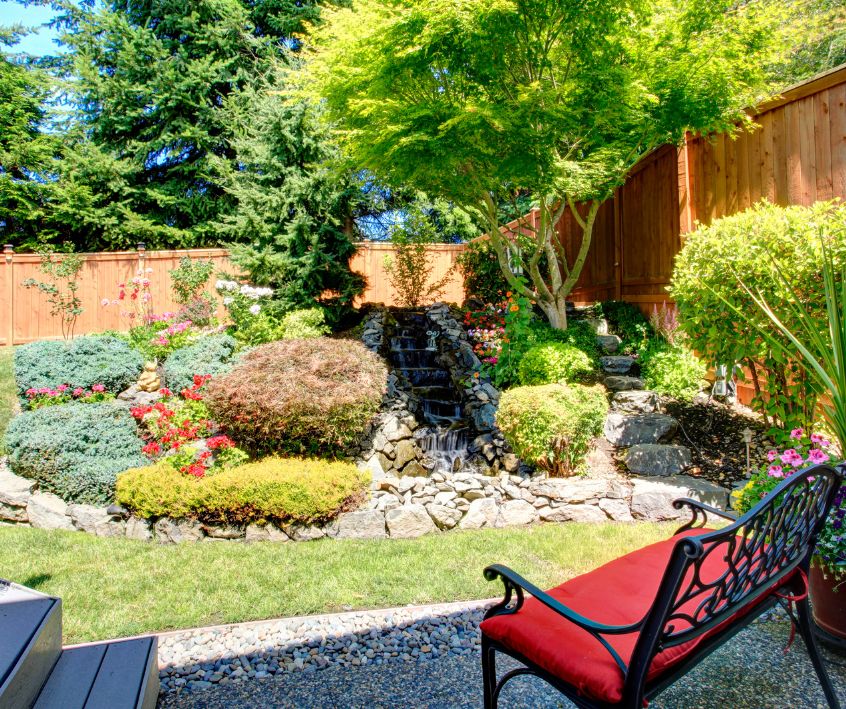
A small garden is a powerful teacher. It shows us that growth is a cycle, not a straight line. By adapting your tasks to the seasons, you create a sustainable rhythm that fits into a busy lifestyle rather than adding stress to it.
Whether it’s the first green shoot of spring or the quiet composting of autumn leaves, every stage has its own beauty and reward.
Keep learning, keep experimenting, and share your harvest, however small, with those around you. Your tiny patch of green is a significant step toward a healthier, more sustainable life.
Visit the Garden Resources page for supplies and inspiration. Don’t forget to subscribe to the Calendula’s Garden Newsletter for more gardening tips.
Calendula’s Garden is reader supported. When you buy through links on our site, we may earn an affiliate commission. As an Amazon Associate, I earn from qualifying purchases. For more information, view our Disclaimer page. Thank you!