Seasonal Fairy Garden Ideas: How to Keep Your Enchanted Forest Magical Year Round
Calendula's Garden is reader suported This post may contain affiliate links, more on our Disclaimer page. Thank you!
The charm of miniature worlds is undeniably enchanting. Whether it’s the tiny, moss-covered furniture or the delicate succulents masquerading as ancient trees, fairy gardens invite us to pause and look a little closer at nature.
For beginner gardeners and families alike, creating a fairy garden is more than just a craft project. It’s a way to connect with the earth on a manageable, whimsical scale.
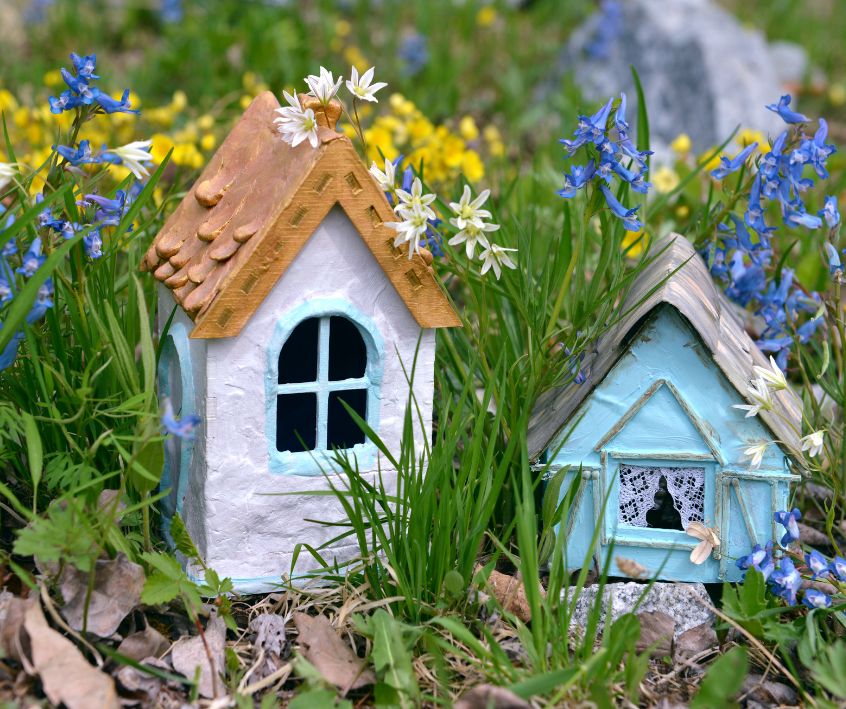
A fairy garden is essentially a small container garden or a dedicated patch of earth, arranged with miniature plants and accessories to look like a tiny landscape inhabited by fairies.
While many people set them up once and leave them be, treating your fairy garden as a seasonal living project can deepen your engagement with the natural cycles of your backyard.
Just as your full-sized garden changes with the weather, your miniature landscape can evolve too.
By adapting your fairy garden to the seasons, you not only keep the magic alive year-round but also learn valuable lessons about seasonal planting and sustainable maintenance.
Let’s explore how to transition your enchanted forest through spring, summer, autumn, and winter.
Spring: A Fresh Awakening
Spring is the season of rebirth, and in a fairy garden, this means a burst of color and new growth. After a long winter, your miniature landscape might look a bit tired, making this the perfect time for a refresh.
Focus on Ephemeral Blooms
For a true spring feel, incorporate small-scale bulbs and early bloomers. Crocus and Grape Hyacinth (Muscari) are excellent choices; their tiny stature fits perfectly into a fairy landscape.
If you are gardening in a container, you can force these bulbs to bloom indoors or plant them directly into the soil outside.
Violas and pansies are another staple for spring. Their “faces” add personality to the garden, and they are edible, which aligns perfectly if you are teaching children about organic gardening.
Just ensure you are using organic soil and seeds so everything remains safe for beneficial insects and curious little hands.
Seasonal Accessories
As the weather warms, swap out heavy winter décor for items that celebrate new life.
- Pastel Accents: Use small stones painted in soft pinks, yellows, and blues to create pathways.
- Miniature Wildlife: Add tiny figurines of bunnies, chicks, or even ladybugs.
- Water Features: If you use a blue glass marble “pond,” give it a good polish or replace it with a shallow dish of water for thirsty pollinators (bees need a drink too!).
Pro Tip: Spring is also the time to check for winter damage. Prune back any dead leaves from your perennial groundcovers like Creeping Thyme or Irish Moss to encourage fresh green growth.
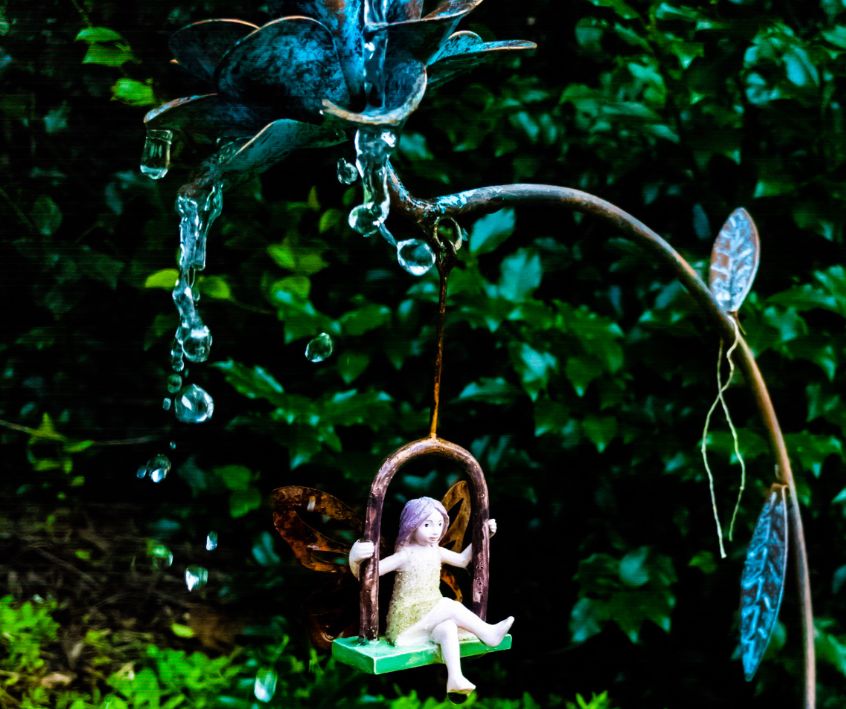
Summer: Lush Greenery and Playful Vibes
Summer is when your fairy garden will likely be at its peak. The plants will fill out, creating a dense, jungle-like canopy for your fairy residents.
This season is all about managing growth and enjoying the vibrant energy of the garden.
Heat-Tolerant Plants
In the heat of summer, miniature plants need to be resilient. Succulents are fantastic for sunny fairy gardens because they mimic the look of exotic flora while requiring minimal water.
Varieties like Hens and Chicks (Sempervivum) or Stonecrop (Sedum) are incredibly hardy and drought-tolerant.
If your fairy garden is in the shade, ferns are your best friend. A small Button Fern (Pellaea rotundifolia) looks prehistoric and magical tucked into a corner.
Remember to mulch your miniature garden with fine gravel or moss to retain moisture during the hot days. A great sustainability practice that applies to large gardens too!
Summer Magic
Summer themes can be fun and vibrant. Think about what a fairy might do on a vacation.
- Beach Themes: Create a “shoreline” using sand and tiny seashells.
- Campfire Scenes: A small pile of twigs with red and orange stones can mimic a campfire.
- Hammocks: Craft a tiny hammock from a piece of fabric and twine, strung between two sturdy plant stems.
Pollinator Paradise: Consider planting dwarf varieties of pollinator-friendly plants like Sweet Alyssum. Its honey-scented blooms will attract real-life winged visitors, adding an extra layer of enchantment.
Autumn: Warm Tones and Harvest Themes
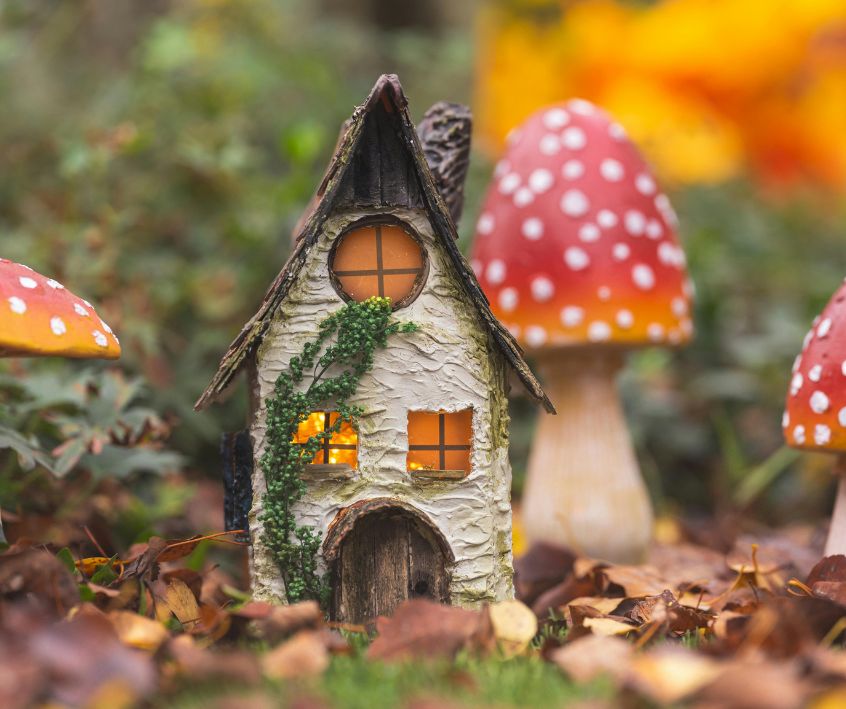
As the air turns crisp, the fairy garden can transition into a cozy retreat. Autumn offers a rich palette of oranges, reds, and browns, providing a stark but beautiful contrast to the bright greens of summer.
Foliage Transitions
While you might not have miniature maple trees to drop leaves, you can use plants that change color or have interesting textures.
Wire Vine (Muehlenbeckia) has a sparse, tangled look that fits the spooky season well. Ajuga (Bugleweed) often darkens to a deep bronze or purple as temperatures drop, adding moodiness to the landscape.
You can also incorporate dried elements from nature. Seed pods, acorn caps, and small pinecones make excellent structural additions. An acorn cap can become a tiny bowl or a birdbath for the fairies.
Harvest Décor
Autumn is the time for harvest festivals, even for fairies.
- Pumpkins: Use the fruit of the “Pumpkin on a Stick” plant (Solanum aethiopicum) or simply paint small round stones orange.
- Hay Bales: Small bundles of dried grass or straw tied with twine make perfect miniature hay bales.
- Leaf Piles: Collect small, colorful leaves from your yard and pile them up in the fairy garden corners. It adds realism and feeds the soil as they break down.
This is also a great time to talk about the cycle of decay and regeneration in nature. Leaving some dried leaves provides shelter for overwintering insects, making your fairy garden an eco-friendly habitat.
Winter: A Cozy, Snow-Dusted Wonderland

Winter doesn’t mean the end of the fairy garden; it just means a change of pace. If you live in a very cold climate, you might move your container garden indoors.
If it stays outside, or if you live in a milder zone, you can lean into the stark beauty of the season.
Evergreens and Structure
Structure is key in winter. Miniature conifers, such as Dwarf Alberta Spruce or tiny Junipers, become the stars of the show. They keep their green color and provide a backbone when other plants have died back.
If your garden is indoors, Cyclamen offers beautiful, swept-back blooms in winter shades of white, red, and pink, resembling tiny fires in the snow.
Winter Whimsy
Winter décor should feel warm and inviting against the cold backdrop.
- Faux Snow: A dusting of white sand or fine white gravel can simulate snow. Avoid using salt, as it damages plants!
- Evergreen Wreaths: Make tiny wreaths out of real pine needles or rosemary sprigs to hang on fairy doors.
- Lighting: This is the most important element for winter. Small LED string lights (battery operated) draped over miniature trees create a magical glow during the long nights.
If your fairy garden is outdoors and covered in real snow, simply brush off the hardscaping elements so the fairies can “get in and out” of their homes. It’s a charming activity for kids to go out and “shovel” the fairy paths.
Maintenance Tips for Every Season
Keeping a fairy garden magical requires a little bit of upkeep, but it doesn’t have to be a chore. Here are some quick tips to ensure success year-round:
- Pruning is Key: In a miniature world, an overgrown plant looks like a giant monster. Snip back plants regularly to keep them in scale with your accessories.
- Water Wise: Container fairy gardens dry out faster than the ground. Check moisture levels daily in summer. However, ensure drainage is excellent to prevent root rot, especially in winter.
- Hardscaping Hygiene: Clean your accessories periodically. A soft toothbrush and warm water can scrub algae off tiny houses and benches.
- Soil Health: Once a year, usually in spring, top-dress your garden with a little organic compost or worm castings to feed the plants without using harsh chemical fertilizers.
Cultivate Magic Every Day
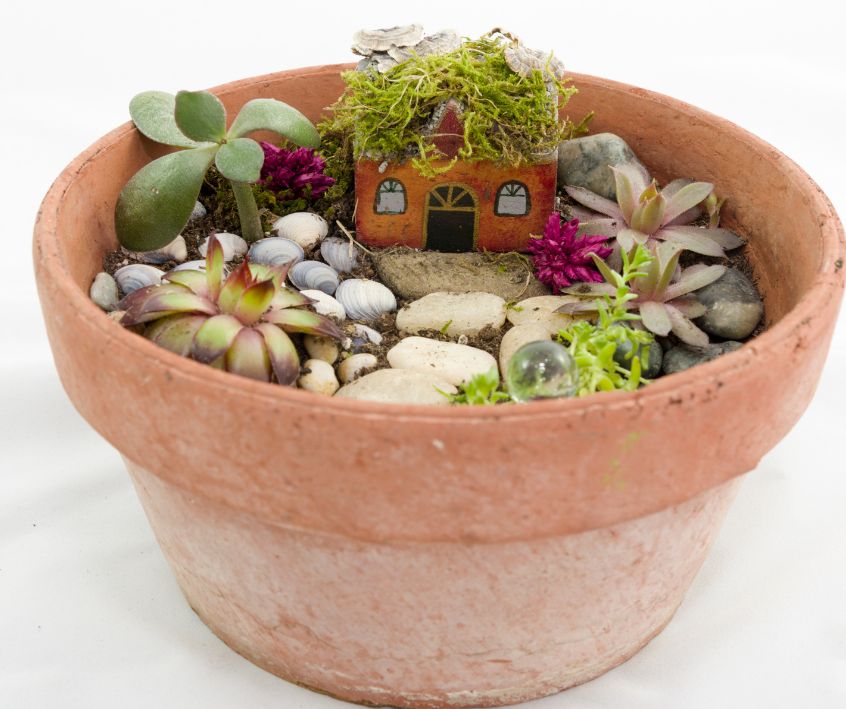
A seasonal fairy garden is a delightful way to stay connected to nature’s rhythm. It encourages us to observe the small changes. The unfurling of a new leaf, the fading of a bloom, the way light hits a mossy rock.
For beginner gardeners, it is a low stakes, high reward project that teaches the fundamentals of plant care and design.
Whether you are crafting a beachside retreat for summer sprites or a cozy winter cabin for hibernating pixies, remember that the goal is joy.
There is no “wrong” way to build a fairy garden. So, gather your materials, involve the family, and let your imagination take root.
Visit the Garden Resources page for supplies and inspiration. Don’t forget to subscribe to the Calendula’s Garden Newsletter for more gardening tips.
Calendula’s Garden is reader supported. When you buy through links on our site, we may earn an affiliate commission. As an Amazon Associate, I earn from qualifying purchases. For more information, view our Disclaimer page. Thank you!