Say Goodbye to Crabgrass in Your Garden
Calendula's Garden is reader suported This post may contain affiliate links, more on our Disclaimer page. Thank you!
If you’ve spent time nurturing your garden, you know how frustrating it can be to see it overrun by weeds. One of the most persistent culprits is crabgrass. It’s a common invader that can quickly take over if not managed properly.
This guide will walk you through the essentials of identifying, understanding, and effectively removing crabgrass so you can reclaim your garden’s beauty.
What Crabgrass Looks Like and How It Takes Over
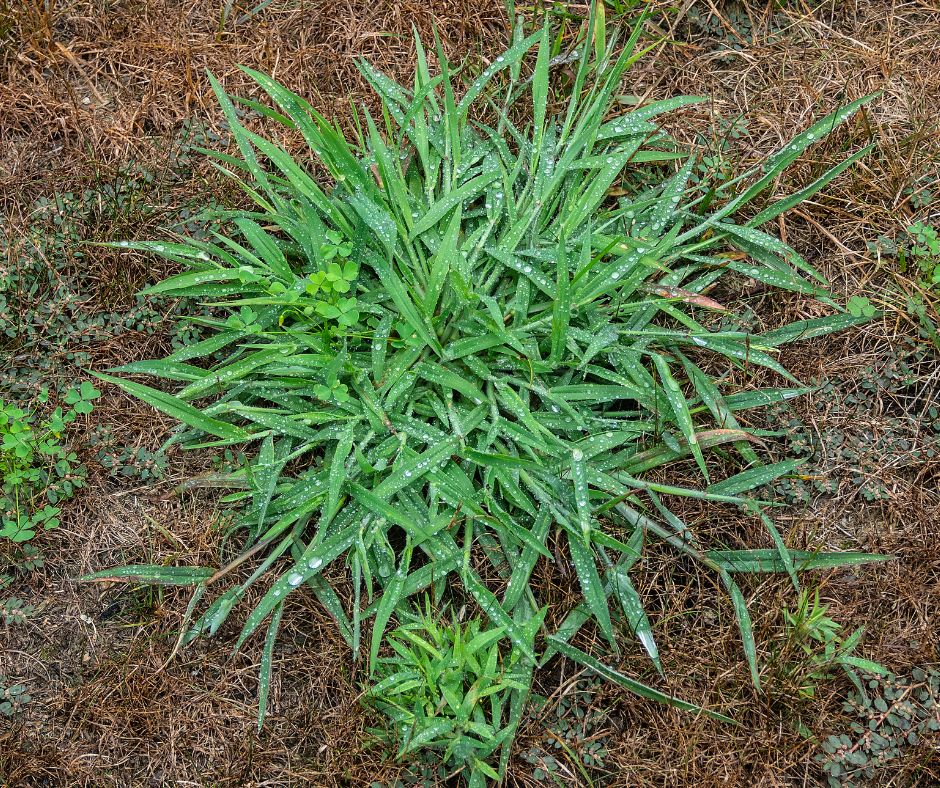
Crabgrass is an annual weed that gardeners worldwide struggle with. Recognizable by its wide, flat blades and sprawling growth pattern, crabgrass thrives in sunny areas and can quickly crowd out desired plants.
Its seeds germinate in the warm soil of late spring, and by summer, it’s actively competing with your plants for nutrients and water.
Crabgrass can easily take over due to its rapid growth and ability to produce thousands of seeds. Once established, it spreads aggressively, especially in lawns and garden beds where the soil is bare or disturbed.
Crabgrass’s remarkable ability to spread swiftly is largely due to its efficient branching and rooting strategies. As the plant grows, it produces long, horizontal stems called stolons that extend across the ground.
At various points along these stolons, new root systems develop, anchoring the plant firmly into the soil. This enables crabgrass to cover large areas in a short period, as each newly rooted section can further branch out and establish additional growth points.
This cycle of spreading and rooting not only allows crabgrass to dominate garden spaces rapidly but also makes it challenging to eliminate once it has taken hold. By understanding its growth pattern, gardeners can better strategize their efforts in controlling this tenacious weed.
The Natural History of Crabgrass: Understanding Its Growth Cycle
Understanding crabgrass’s life cycle is crucial to controlling it. Crabgrass is a warm-season annual grass, which means it completes its life cycle in one growing season.
It germinates in spring, grows throughout summer, and produces seeds before the first frost. These seeds remain dormant over winter and germinate when the soil warms again.
The key to managing crabgrass is breaking this cycle. By preventing seed production and germination, you can significantly reduce its presence in your garden over time.
Is It Dallisgrass? Recognizing and Differentiating from Crabgrass
Dallisgrass is a perennial grass native to South America, which has become a widespread weed in lawns and gardens across warmer climates. Unlike crabgrass, which completes its life cycle in a single season, Dallisgrass is a perennial that persists year after year.
It grows in clumps and features coarse, hairless leaves and robust stems that can reach heights of up to 1 meter. This grass thrives in moist, fertile soils and quickly establishes itself in disturbed areas, much like crabgrass.
However, its tendency to grow in patches and its taller stature distinguish it from the sprawling, low-growing nature of crabgrass.
To differentiate between Dallisgrass and crabgrass, gardeners should note several key characteristics.
Dallisgrass has broader leaves and thicker stems, and its seed heads are arranged in finger-like branches, whereas crabgrass typically has flatter and thinner leaves with seed heads that appear more branched (like a chicken foot) and dispersed.
Recognition of these differences is crucial for effective weed management, as strategies that prove effective for crabgrass may not work as well for a perennial like Dallisgrass.
Identifying and understanding these traits can aid gardeners in selecting the most appropriate control measures for each type of weed, ensuring the health and vitality of their gardens.
Bermuda Grass: Distinguishing It from Crabgrass
Bermuda Grass, Cynodon dactylon, is a warm-season perennial grass native to Africa, which is now cultivated and revered in lawns and sports fields globally due to its adaptability and dense growth pattern.
Unlike annual crabgrass, Bermuda Grass persists from year to year, often going dormant in cooler climates only to re-emerge with vigor as temperatures rise. It spreads through stolons and rhizomes—underground stems that produce roots and new shoots—allowing it to cover ground rapidly and form a robust turf that is both drought-resistant and heat-tolerant.
To differentiate Bermuda Grass from crabgrass, gardeners should observe its finer texture and a more consistent growth pattern, as opposed to the coarse, flat blades and sprawling appearance of crabgrass.
Bermuda’s leaves tend to be finer and the stolons are shorter compared to the lengthy, branching stolons of crabgrass. Additionally, Bermuda Grass has a distinctive light green color and produces a network of above-ground runners, creating a carpet-like effect.
Preventing Grassy Weeds in Your Garden: Tips for Maintenance and Prevention
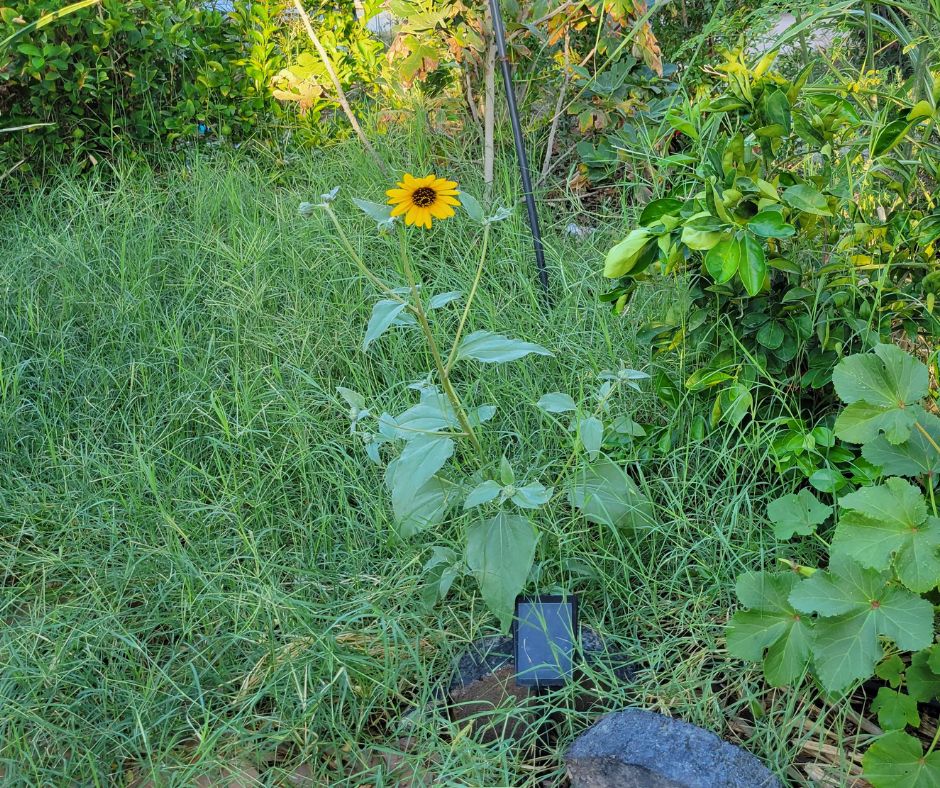
Proactive prevention is your best defense against crabgrass. Here are some strategies to keep this and other weeds at bay:
Maintain Healthy Soil
Healthy, dense soil supports your plants better and leaves less room for weeds like crabgrass to take root. Regularly test your soil and amend it as needed to maintain the right pH and nutrient levels.
Thicken Your Lawn
A dense lawn is a natural barrier to crabgrass. Overseed thin patches to encourage thick growth that will crowd out potential invaders.
Proper Watering Techniques
Water deeply and infrequently to promote deep root growth in your garden plants. This also discourages shallow-rooted weeds like crabgrass.
Edge Your Garden Beds
Use physical barriers to separate your garden beds from your lawn to prevent crabgrass from spreading. Gardzen Garden Landscape Edging Border
Organic Methods of Weed Removal: Step-by-Step Guide
If crabgrass has already taken hold, don’t worry. There are effective organic methods to remove it without resorting to harsh chemicals.
Manual Removal
- Hand Pulling: The most straightforward method is to pull crabgrass by hand. Ensure you remove the entire root system to prevent regrowth. This is easiest when the soil is moist.
- Using Tools: For larger infestations, tools like a garden hoe or fork can help loosen the soil, making it easier to pull out crabgrass roots. BLACK+DECKER 20V MAX* String Trimmer
Mulching and Fertilizing Strategies
- Mulching: Apply a layer of organic mulch at least three inches deep, such as wood chips or straw, around your plants. This suppresses weed growth by blocking sunlight and conserving moisture.
- Fertilization: Use organic fertilizers to feed your plants, strengthening them against crabgrass competition. Make sure the fertilizer is well placed and doesn’t spill onto unintended areas that will feed weeds. A well-fed garden is a resilient garden.
Natural Herbicides
Corn Gluten Weed Suppressant
This natural pre-emergent herbicide prevents weed seeds from germinating. Apply it in early spring before the crabgrass seeds sprout.
- “It works by inhibiting the root formation of germinating plants and must be applied before the germination of the weed. The weed will germinate and form a shoot, but the corn gluten meal will keep roots from forming, and the seedling will die.” MissouriBotanical Garden
Vinegar Solutions
Use vinegar as a natural post-emergent herbicide. Be cautious, as vinegar can affect other plants too. Apply directly onto the crabgrass on a sunny day for best results.
DIY Vinegar Solution Recipe for Killing Crabgrass
Creating your own vinegar solution to combat crabgrass is an easy and cost effective method. Here’s a simple recipe:
Ingredients:
- 1 gallon of white vinegar (preferably with 20% acetic acid concentration for maximum effectiveness)
- 1 tablespoon of liquid dish soap
- 1 tablespoon of salt (optional for persistent weeds)
Instructions:
- Mix Ingredients: In a large spray bottle or garden sprayer, combine the vinegar, liquid dish soap, and salt, if using. Ensure they are well mixed. The dish soap acts as a surfactant, helping the solution adhere to the crabgrass leaves.
- Application Timing: Choose a warm, sunny day to apply the vinegar solution, as the heat will enhance the vinegar’s effectiveness. Morning or mid-afternoon are ideal times.
- Target Application: Spray the vinegar solution directly onto the crabgrass, soaking the leaves thoroughly while avoiding surrounding plants. Vinegar is non-selective and can harm other vegetation it contacts.
- Repeat as Needed: Check the treated area in a few days. Reapply the solution to any areas where crabgrass is surviving or has regrown. Persistent applications will ensure the crabgrass is effectively killed.
By following this recipe, you can tackle crabgrass naturally and maintain a healthier garden environment.
Final Tips and Recommendations for a Crabgrass Free Garden
Keeping crabgrass at bay requires a mix of prevention, vigilance, and timely action. Here are some final recommendations to ensure a crabgrass-free garden:
- Regular Monitoring: Frequently inspect your garden and lawn for signs of crabgrass, especially during the growing season.
- Seasonal Care: Adjust your gardening practices to the seasons, taking advantage of cooler months to prepare and strengthen your garden’s defenses.
- Community Support: Join gardening groups or forums for additional tips and support from fellow gardeners who face the same challenges.
By following these strategies, you can keep crabgrass out of your garden and enjoy a lush, healthy landscape. Happy gardening!
Visit the Garden Resources page for supplies and inspiration. Don’t forget to subscribe to the Calendula’s Garden Newsletter for more gardening tips.
Calendula’s Garden is reader supported. When you buy through links on our site, we may earn an affiliate commission. As an Amazon Associate, I earn from qualifying purchases. For more information, view our Disclaimer page. Thank you!