Say Bye Bye to Garden Ants! How to Get Rid of Ants in Your Yard
Calendula's Garden is reader suported This post may contain affiliate links, more on our Disclaimer page. Thank you!
If you’ve found yourself tiptoeing around mysterious anthills or spotting lines of tiny invaders marching through your garden beds, you’re not alone. I have jumped higher than I thought possible when bitten by ants in the garden while trying to water the garden.
Ants are common backyard visitors, and while some can be helpful, others may overstay their welcome, disrupt your plants, or even farm aphids like tiny ranchers. Wondering how to get rid of ants in the garden without turning your oasis into a battleground?
This guide will walk you through recognizing the different types of garden ants, exploring eco-friendly solutions, and sharing easy DIY remedies that actually work.
Why Ants Love Your Garden (and What Problems They Cause)
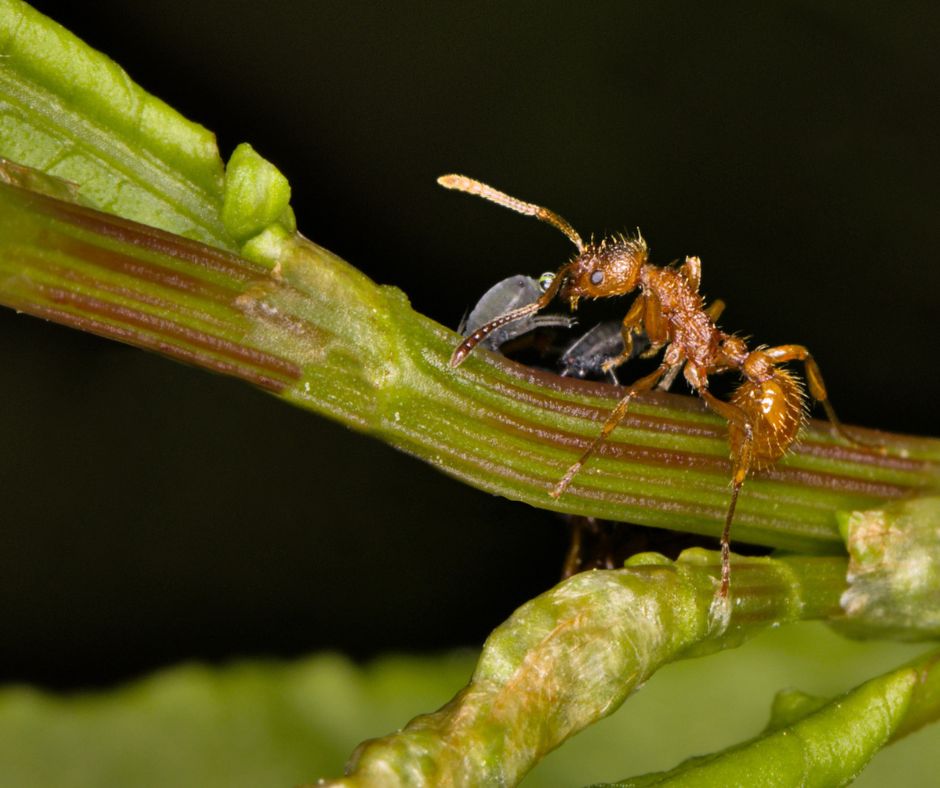
Ants are master opportunists. Gardens offer them food, water, shelter, and more than a few exciting ways to expand their colony.
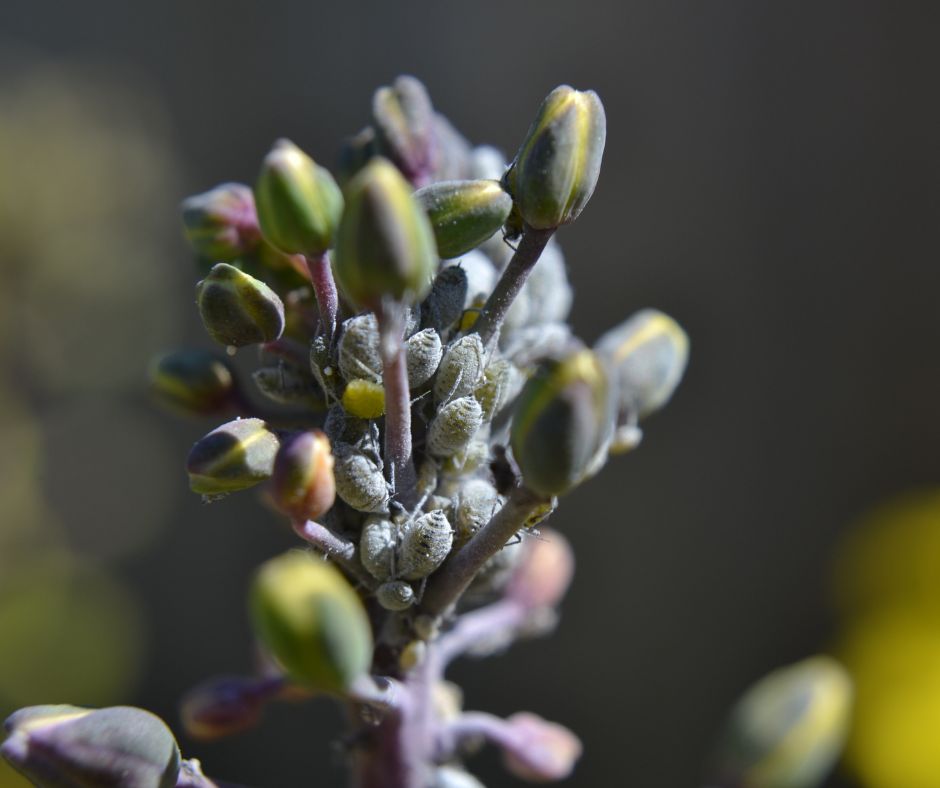
Their favorite treats? Sweet sap, decaying organic matter, and, most famously, the honeydew excreted by aphids and scale insects.
That’s right—ants and aphids have a little partnership going, and your rose bushes are often the playground.
But are ants always a problem? Not necessarily. Some ants aerate soil and control certain pests. Others, though, can:
- Encourage a surge in plant-damaging aphids, mealybugs, or scale insects,
- Build nests under paving or flowerpots, causing root disturbance.
- Find their way indoors, searching for snacks.
If you’re noticing patchy plants, bustling ant highways, or anthills just where you don’t want them, it’s time to take action.
Spotting Your Garden Guests: Common Ant Species and Their Behaviors
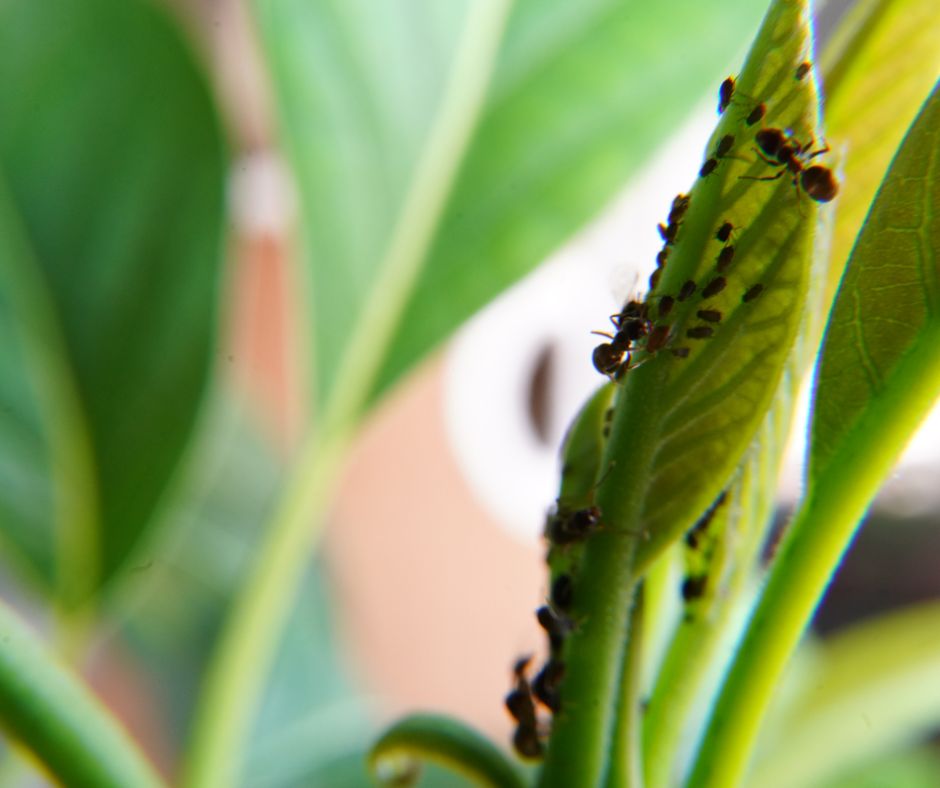
Not all ants are created equal, and knowing your opponent can really help. Here are the most common garden ants:
1. Black Garden Ant (Lasius niger)
- Appearance: Shiny black, around 3-5mm long.
- Habits: Nest in soil, under stones, or pavement cracks. Attracted to sweetness, especially honeydew from aphids.
2. Argentine Ant (Linepithema humile)
- Appearance: Light to dark brown, about 2-3mm.
- Habits: Form large colonies; highly invasive. Known for herding aphids and being a stubborn guest.
3. Pavement Ant (Tetramorium caespitum)
- Appearance: Brownish-black with lighter legs; 2.5-4mm.
- Habits: Settle under pavements, driveways, or garden stones.
4. Red Imported Fire Ant (Solenopsis invicta)
- Appearance: Coppery-brown head with a darker body; 2-6mm.
- Habits: Aggressive, builds prominent mounds, and delivers a sting best avoided.
Knowing which ant you’re dealing with helps tailor your approach. (Fire ants, for example, call for extra care.)
Natural Solutions for Ant Control (No Harsh Chemicals Needed!)
You don’t need to turn your garden into a fortress of chemicals to keep ants away. There are plenty of gentler routes that protect your plants, pets, and pollinators.
Vinegar Solution
Ants dislike vinegar’s strong scent. To use:
- Mix equal parts white vinegar and water in a spray bottle.
- Target ant trails, anthills, and entry points.
- Avoid direct contact with delicate plants, as vinegar can harm foliage.
- Breaks up the chemical trail ants create and follow to food sources.
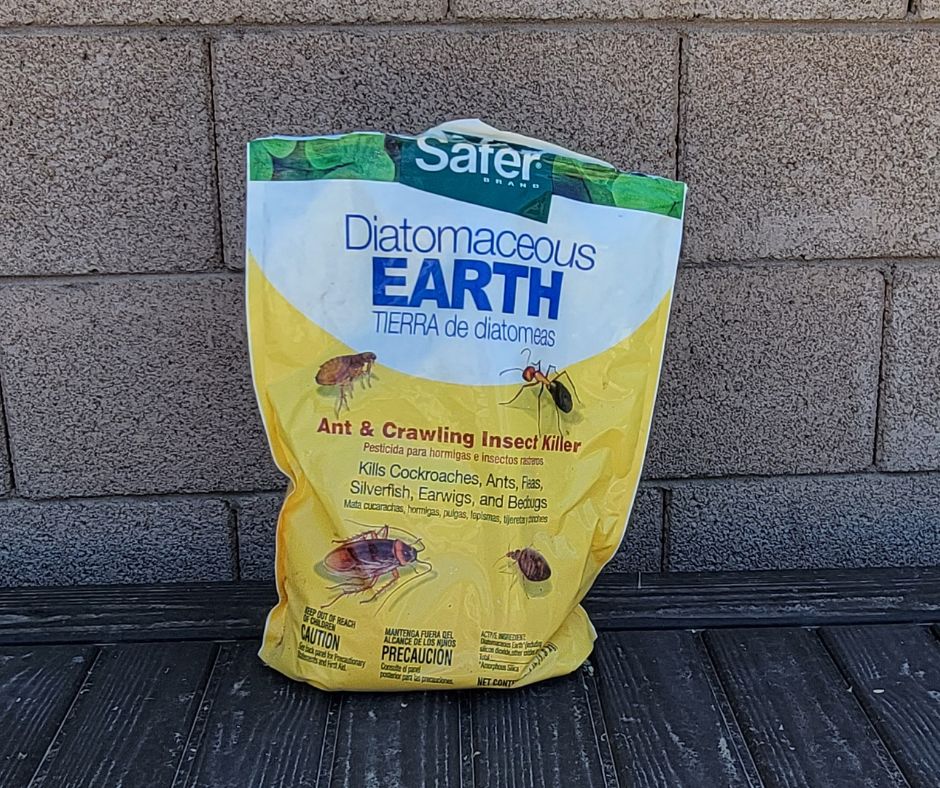
Diatomaceous Earth (DE)
This powder, made from fossilized algae, works wonders by dehydrating ants.
- Sprinkle food-grade diatomaceous earth in a thin line around beds, pots, or where you see ant activity.
- Reapply after rain or heavy watering.
- Safe for pets, but avoid inhaling the dust.
- Safe for plants.
- Can affect beneficial insects, so careful application is necessary.
Safer Home Diatomaceous Earth 4 lb Organic OMRI DE
Essential Oils
Certain scents deter ants without harming your garden.
- Peppermint, citrus, clove, and tea tree oil are all effective.
- Add 10–15 drops to a cup of water; spray along ant trails or affected areas.
- Not just for ants! You might notice fewer mosquitoes near peppermint, too.
Like the idea of using essential oils, but don’t want to buy a bunch of supplies? We found that Wondercide – Outdoor Pest Control Spray with Natural Essential Oils is an effective premixed solution that attaches to a garden hose for easy application. It smells wonderful and is safe for pets.
Boiling Water (For Anthills, Not Plants)
- Pouring boiling water directly onto anthills will collapse small nests.
- Use caution and avoid pouring near plant roots.
A combined approach works best. Try different solutions and see which ones your local ant population dislikes most.
DIY Ant Baits: Homemade Recipes that Actually Get Rid of Ants
If you want to tackle the core of the problem (the queen and entire colony), baits are the way to go. I prefer traps since they only target ants. Here’s how you can make your own:
Sugar & Borax Bait
- Mix 1/2 cup sugar with 1.5 tablespoons borax and 1 cup warm water.
- Soak cotton balls in the mixture.
- Place in shallow lids near ant trails, out of reach of pets and children.
The sugar attracts ants, the borax disrupts digestion, and ants carry it back to the colony.
Harris Borax Powder Laundry Booster and Multipurpose Cleaner, 1.5lb (Unscented)
Peanut Butter & Borax Bait (For Protein-Loving Ants)
- Blend 1 tablespoon peanut butter with 1 teaspoon borax.
- Place a small amount on wax paper or inside a bottle cap.
Tip: Always supervise pets around these baits, as borax isn’t pet-safe.
Don’t have time to make ant bait? We have had great success with: TERRO Outdoor Ready-to-Use Liquid Ant Bait Killer and Traps
DIY baits take a week or two to work, but can make a big difference over time.
Prevention Tips for an Ant-Free Garden
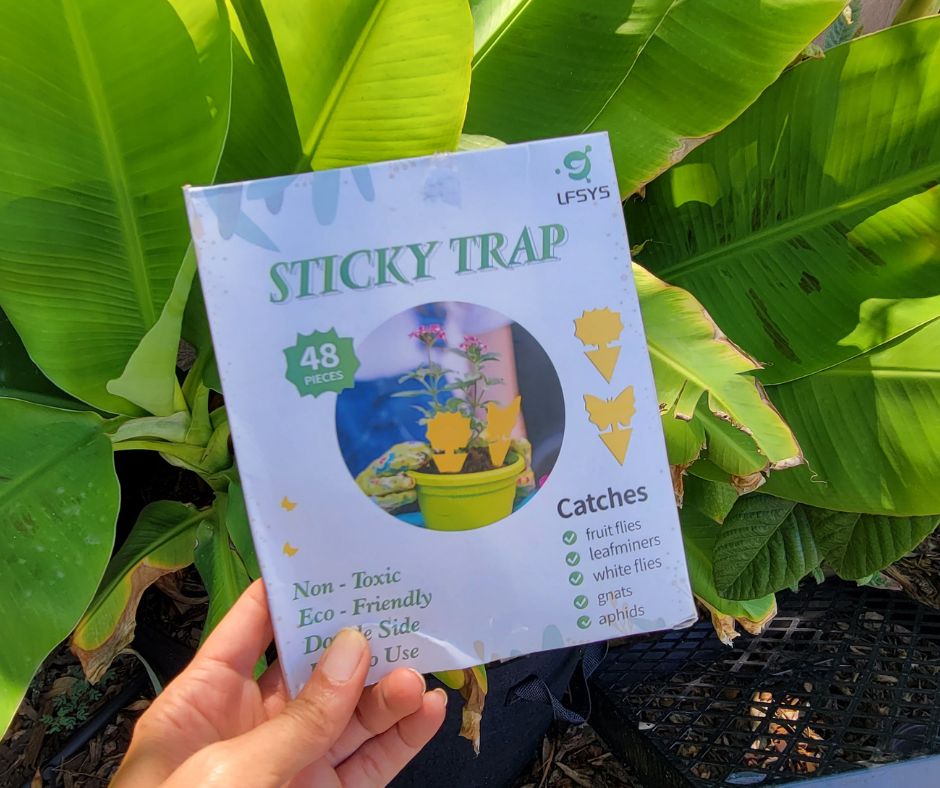
They say an ounce of prevention is worth a pound of cure. Here’s how to keep ants from coming back:
1. Control Aphids and Other Sap-Suckers
- Regularly check plants for aphids.
- Use insecticidal soap or introduce beneficial insects like ladybugs.
2. Limit Food Sources
- Clean up fallen fruit, compost scraps, and leftover pet food.
- Store garden waste in sealed bins.
3. Maintain Garden Beds and Borders
- Remove debris and decaying wood.
- Trim plants regularly to reduce moist hiding spots.
4. Seal Entry Points
- Fill small cracks in patios, paving stones, and foundations.
5. Mulch Carefully
- Avoid thick, damp layers of mulch near the base of vulnerable plants, as these can attract ants and their aphid friends.
- Make sure mulch does not touch the stem of the plant where it grows out of the ground.
- Spread mulch over the root zone to cool plants and conserve moisture.
Think of prevention as ongoing garden “housekeeping”—a little effort adds up to fewer unwanted guests.
Long-Term Harmony: Living (Mostly) Ant-Free
Getting rid of ants in the garden doesn’t have to be daunting or destructive. By understanding why ants are there, identifying which species you’re cultivating (or battling!), and choosing natural removal methods, you set the scene for a healthier, more vibrant garden.
Focus on combining quick fixes (like vinegar sprays or boiling water) with longer-term strategies (controlling aphids, using baits, and good garden hygiene) to get rid of ants in your garden. And don’t stress about eradicating every ant.
With time, you’ll strike a balance, keeping your plants happy and your ant guests where they belong.
If you’re struggling with a particularly tough infestation or if you want more personalized advice tailored to your backyard, consider reaching out to a professional pest control adviser or your local garden club.
There’s a whole community ready to help you create the garden of your dreams!
Happy gardening!
Visit the Garden Resources page for supplies and inspiration. Don’t forget to subscribe to the Calendula’s Garden Newsletter for more gardening tips.
Calendula’s Garden is reader supported. When you buy through links on our site, we may earn an affiliate commission. As an Amazon Associate, I earn from qualifying purchases. For more information, view our Disclaimer page. Thank you!