Saving Every Drop: A Beginner’s Guide to Water-Wise Landscaping
Calendula's Garden is reader suported This post may contain affiliate links, more on our Disclaimer page. Thank you!
Water is precious. We all know this deep down, whether we’re thinking about the environment or just glancing at our monthly utility bills. But sometimes, when we look out at our thirsty lawns and drooping flowerbeds in the heat of summer, it feels like we’re fighting a losing battle. How do you keep a garden lush and vibrant without turning on the hose every single day?
The answer might be simpler than you think: natural landscaping.
It’s not about paving over your green space or settling for a barren yard of rocks and cacti (unless that’s your vibe!). It’s about working with nature rather than against it.
By designing your garden to absorb, divert, and hold onto water, you can create a stunning oasis that thrives even when the rain stops falling. Plus, you’ll be doing your part for the planet while saving time and money.
Ready to transform your yard into a water-wise sanctuary? Let’s dig in.
Understanding Water Conservation Through Landscaping
Before we grab our shovels, let’s talk about why traditional landscaping can be such a water guzzler. The standard suburban lawn, that perfectly manicured carpet of green grass, is often non-native to the local environment.
It has shallow roots and demands constant moisture to stay green. In many regions, keeping a traditional lawn alive consumes a huge percentage of household water usage.
Natural landscaping flips the script. Instead of forcing thirsty plants to survive in conditions they weren’t built for, we look to nature for guidance.
The Magic of Native Plants
Native plants are the superheroes of the gardening world. These are the species that have evolved in your specific region over thousands of years.
They know the local soil, they understand the climate, and most importantly, they are adapted to the local rainfall patterns.
When you plant natives, you are essentially planting a self-sufficient garden. Once established, deep-rooted native prairie grasses, wildflowers, and shrubs often require little to no supplemental watering.
They simply wait for the rain, just like they do in the wild. This resilience makes them the backbone of any water-wise landscape. By swapping out thirsty exotic species for local favorites, you instantly reduce your garden’s thirst.
Designing Your Water-Wise Garden
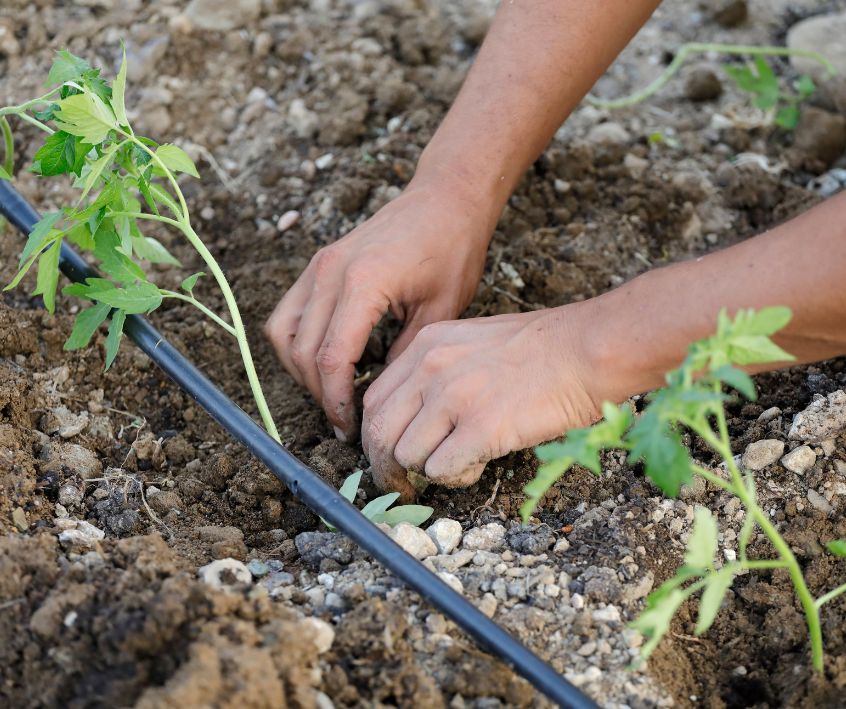
Creating a water-efficient garden starts with good design. Don’t worry, you don’t need a degree in landscape architecture. You just need to understand three key concepts: soil health, hydrozoning, and plant selection.
It All Starts with Soil
Healthy soil is like a sponge. It absorbs water quickly and holds onto it for a long time. Poor soil, on the other hand, is like a brick; water just runs right off the surface or drains away before plants can drink it.
To prepare your soil for water conservation, you need to boost its organic matter. This is where compost becomes your best friend. Mixing compost, leaf mold, or aged manure into your garden beds improves the soil structure.
- For sandy soil: Organic matter helps glue particles together, slowing down drainage so roots have time to drink.
- For clay soil: It breaks up heavy clumps, allowing water to penetrate deeper rather than pooling on top and evaporating.
Aim to mix in organic matter at least 6 to 12 inches deep if you can. Your plants will thank you with deeper, stronger root systems.
The Art of Hydrozoning
“Hydrozoning” sounds technical, but it’s actually a very simple organizing principle. It means grouping plants with similar water needs together.
Think about it: if you plant a thirsty hydrangea next to a drought-tolerant lavender, you have a problem.
If you water enough for the hydrangea, you’ll rot the lavender. If you water for the lavender, the hydrangea wilts. By grouping them separately, you can water efficiently without waste.
- Zone 1 (High Water): Keep thirsty plants near the house or hose spigot where they are easy to reach. This might be your vegetable garden or potted plants.
- Zone 2 (Moderate Water): Plants that need occasional watering during dry spells.
- Zone 3 (Low Water): Drought-tolerant natives at the perimeter of the yard that can survive on rainfall alone once established.
Choosing the Right Plants
Research is key here. Look for plants labeled “drought-resistant” or “drought-tolerant.” These plants have developed clever mechanisms to survive dry spells, such as:
- Silver or gray foliage: Reflects sunlight to keep the plant cool (like Sage or Lamb’s Ear).
- Hairy leaves: Trap moisture and reduce evaporation.
- Waxy coatings: Seal moisture inside the leaf (like succulents).
- Deep taproots: Reach moisture deep underground.
Visit a local nursery and ask for recommendations on native plants that thrive in your specific hardiness zone. They’ll be able to point you toward beautiful options that won’t demand a daily drink.
Where to find seeds, plants, and supplies:
Water Absorption Techniques
Now that we have the plants and soil sorted, let’s talk about the water itself. When it rains, where does the water go?
In a typical yard, a lot of it runs off driveways and compacted lawns, heading straight for the storm drains, taking fertilizers and pollutants with it.
The goal of natural landscaping is to keep that rainwater on your property, allowing it to soak back into the earth. This recharges groundwater supplies and keeps your soil moist.
Plant a Rain Garden
A rain garden is a shallow depression in your landscape, planted with deep-rooted native plants and grasses. It’s designed to capture runoff from roofs, driveways, and walkways.
Instead of rushing into the street, rainwater pools in the garden for a few hours, slowly filtering into the ground. It effectively acts as a bio-filter, cleaning the water while watering the plants.
Plus, rain gardens are incredibly beautiful and attract butterflies and birds! They are not ponds; they should drain within 24 hours to prevent mosquito breeding.
Permeable Paving
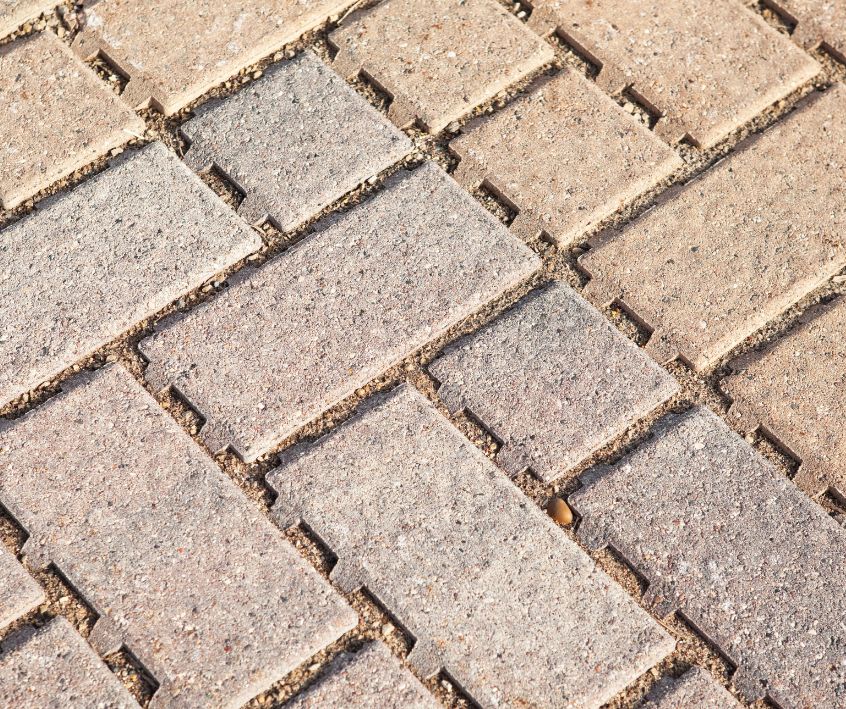
Hard surfaces like concrete patios and asphalt driveways are water barriers. Permeable paving is a fantastic alternative. These materials allow water to pass through them and seep into the ground below.
You have several options here:
- Permeable pavers: Interlocking concrete blocks with gaps filled with gravel or grass.
- Gravel or crushed stone: A simple, budget-friendly path material that drains instantly.
- Porous asphalt or concrete: Special mixes that allow water to flow through.
By switching to permeable surfaces, you reduce runoff and keep the soil under your hardscaping hydrated.
Creating Swales
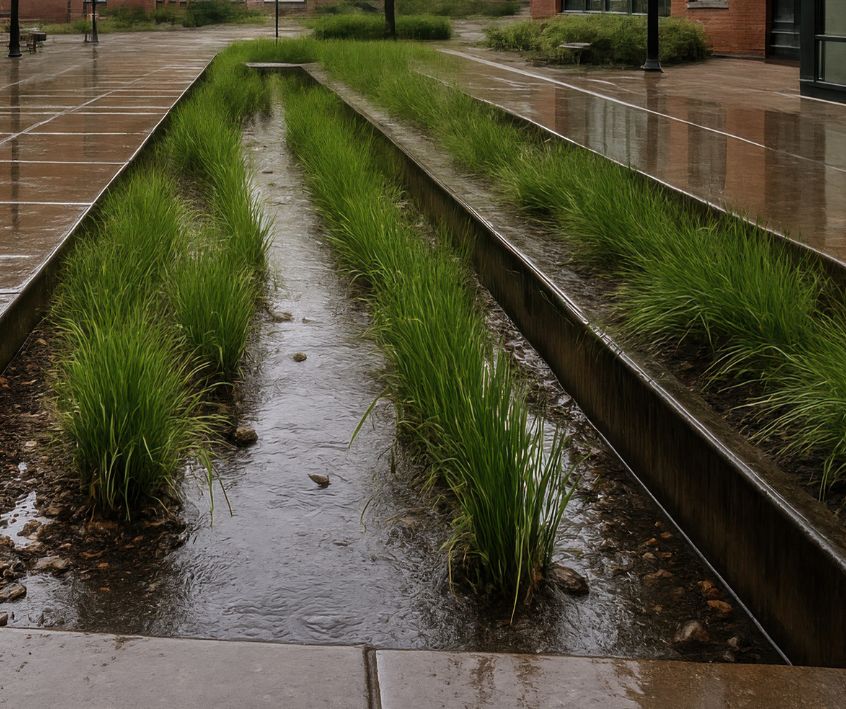
A swale is essentially a ditch on a contour—a shallow, broad channel designed to catch and direct water. Unlike a drainage ditch meant to move water away quickly, a swale is often meant to slow water down so it can sink in.
You can plant grass or water-loving plants along the bottom of the swale. When it rains, water flows into the swale and spreads out, hydrating the plants along its path. It’s a passive irrigation system that works brilliantly on sloped properties.
Water Diversion Strategies
Sometimes, water lands where we don’t want it (like right against the foundation) and needs to be moved to where we do want it (the flower beds). This is where diversion comes in.
Rain Barrels: Free Water on Tap
One of the easiest entry points for beginner water conservationists is the humble rain barrel. By placing a barrel under a gutter downspout, you can capture gallons of fresh, chlorine-free rainwater every time a storm rolls through.
This water is perfect for your garden. It’s usually softer than tap water and at ambient temperature, which plants prefer.
You can connect a hose to the spigot at the bottom or just fill up watering cans. It’s deeply satisfying to water your hanging baskets in July using rain that fell in June.
Redirecting Downspouts
Take a walk around your house the next time it rains. Where are your downspouts pointing? If they are dumping water onto the driveway, that’s wasted potential.
Extend your downspouts so they direct water into your planting beds, rain gardens, or swales. You can use flexible plastic extenders or even decorative splash blocks.
Just ensure the water is moved at least 5-10 feet away from your home’s foundation to prevent basement issues. This simple tweak turns a waste product (runoff) into a resource.
Dry Creek Beds
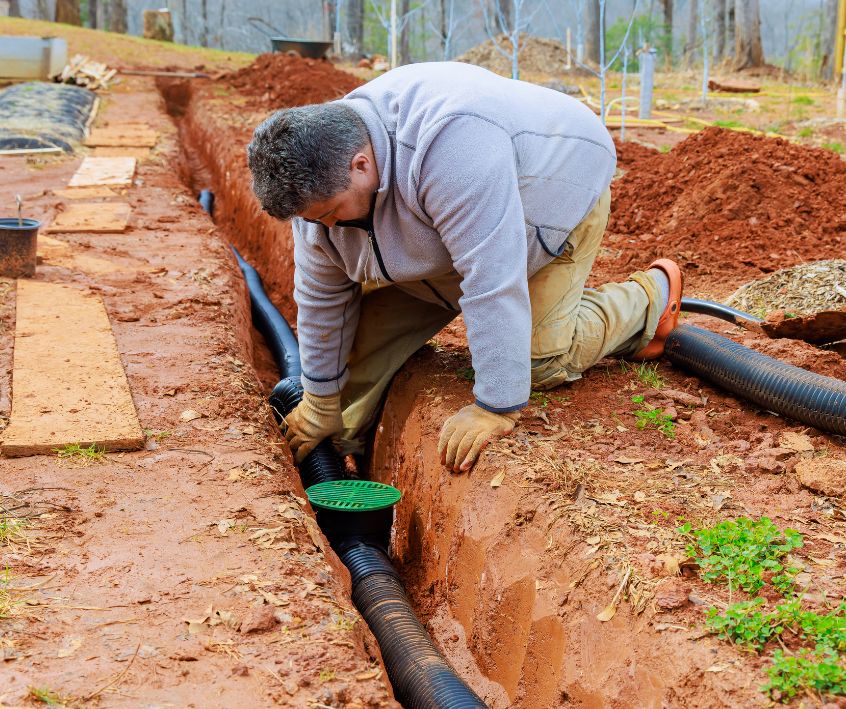
A dry creek bed is both a functional drainage solution and a stunning aesthetic feature. It’s a trench lined with landscape fabric and filled with river rocks and boulders of various sizes.
It mimics the look of a natural stream. During dry weather, it adds texture and visual interest to your yard.
When it rains, it acts as a channel to guide excess water away from structures or low spots and toward your rain garden or other absorption areas. It solves drainage problems without looking like a utilitarian ditch.
Maintaining Your Water-Efficient Landscape
Once your water-wise garden is installed, maintenance is all about keeping that moisture where it belongs: in the soil.
The Miracle of Mulch
If you do only one thing from this list, let it be mulching. A 2-to-3-inch layer of organic mulch (like wood chips, shredded bark, or straw) acts as a protective blanket over your soil.
- It reduces evaporation: The sun can’t hit the soil directly, keeping it cool and moist.
- It suppresses weeds: Weeds compete with your plants for water. No weeds means more water for the plants you actually want.
- It builds soil: As mulch breaks down, it adds organic matter back into the ground.
Apply mulch in the spring, and check it again in the fall. Just remember the “donut rule”: leave a little space around the base of trees and shrubs (don’t pile mulch against the trunk like a volcano) to prevent rot.
Water Deeply and Infrequently
How you water is just as important as how much. Shallow, frequent watering encourages roots to stay near the surface, where they dry out quickly.
Instead, water deeply and less often. This trains roots to grow down deep into the cool earth to find moisture.
- The Screwdriver Test: Not sure if you’ve watered enough? Push a long screwdriver into the soil. It should slide in easily to a depth of at least 6 inches. If it hits hard, dry dirt 2 inches down, keep watering.
Monitor and Adjust
Gardening is a relationship. You have to pay attention to your partner. Walk through your garden regularly.
Look for signs of water stress, such as wilting leaves in the evening (wilting at midday can just be heat stress, but evening wilting usually means the soil is dry).
Check your soil moisture regularly, don’t just rely on a timer. If it rained yesterday, turn the irrigation off! Installing a simple rain sensor on your automatic sprinkler system can save thousands of gallons a year.
Native Plant Lists and More Landscaping Inspiration
Lady Bird Johnson Wildflower Center
The Arizona Native Plant Society
Embracing a Greener Future
Transitioning to a natural, water-wise landscape is a journey, not a sprint. You don’t have to rip up your entire yard this weekend.
Start small. Maybe install a rain barrel, or plant a small pollinator garden with native flowers.
Every step you take toward water conservation creates a more resilient ecosystem right outside your door. You’ll create a habitat for birds and butterflies, reduce your environmental footprint, and eventually, you’ll spend less time dragging hoses around and more time enjoying the beauty of nature.
Water is life. By designing our gardens to respect and conserve it, we ensure that our little patches of earth can flourish for seasons to come.
Visit the Garden Resources page for supplies and inspiration. Don’t forget to subscribe to the Calendula’s Garden Newsletter for more gardening tips.
Calendula’s Garden is reader supported. When you buy through links on our site, we may earn an affiliate commission. As an Amazon Associate, I earn from qualifying purchases. For more information, view our Disclaimer page. Thank you!