Rosemary: From Garden to Kitchen
Calendula's Garden is reader suported This post may contain affiliate links, more on our Disclaimer page. Thank you!
Rosemary (Salvia rosmarinus) is an aromatic, evergreen herb that has been cherished for centuries, both for its culinary and medicinal properties.
Its fragrant, evergreen leaves lend a distinctive flavor to various dishes, while its oils offer numerous health benefits. In this guide, we’ll explore how to successfully grow Rosemary in your garden or containers.
Rosemary Characteristics Table
| Characteristic | Description |
| Common Name | Rosemary |
| Botanical Name | Salvia rosmarinus (formerly Rosmarinus officinalis) |
| Plant Type | Woody perennial evergreen shrub |
| USDA Hardiness Zones | Zones 8–10 (some cultivars like ‘Arp’ are hardy to Zone 6 or 7 with protection) |
| Mature Height | 2 to 6 feet (upright varieties); 6 to 12 inches (creeping/prostrate varieties) |
| Mature Spread | 2 to 5 feet (upright); 4 to 8 feet (creeping) |
| Light Requirements | Full sun (needs at least 6–8 hours of direct sunlight daily for dense growth and preventing fungal issues) |
| Moisture Requirements | Low to moderate; extremely drought-tolerant once established. Requires excellent drainage and should dry out between waterings. Intolerant of wet, heavy soil. |
| Soil Preference | Sandy, rocky, well-draining soil; neutral to slightly alkaline pH (6.0–8.0). Thrives in poor soil. |
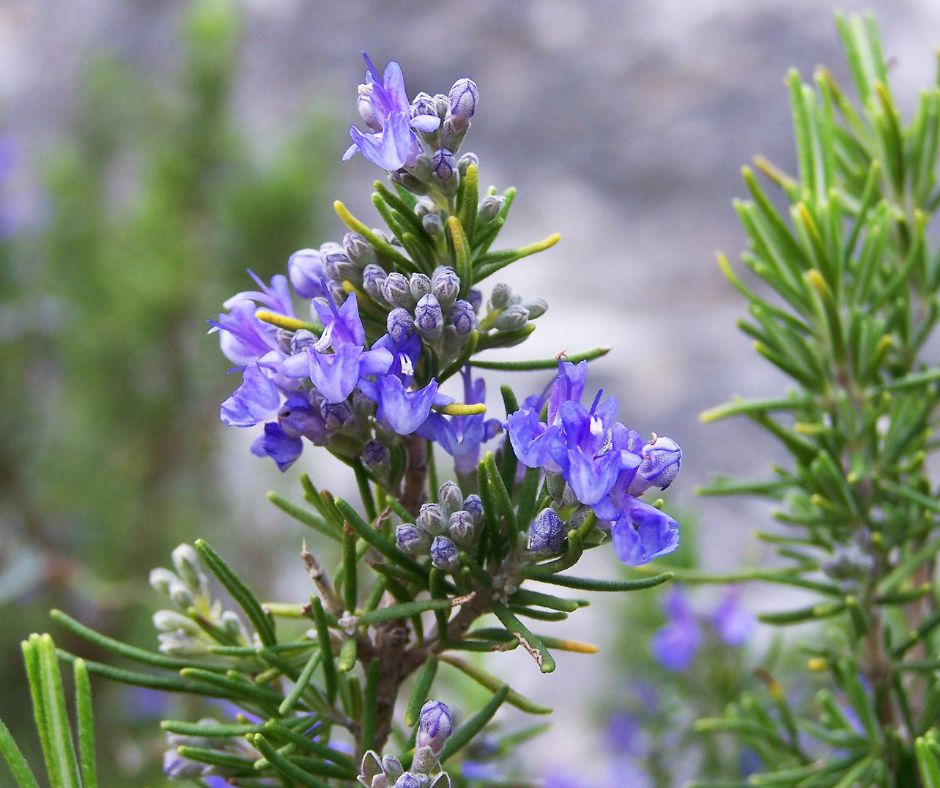
| Bloom Time | late winter to spring; can bloom year-round in warm climates. Flowers are small and blue, purple, white, or pink. |
| Harvest Time | Fresh sprigs can be harvested year-round in evergreen zones. For drying, harvest just before the plant blooms for maximum oil content. |
Where to find seeds, plants, and supplies:
Growing Rosemary in the Garden
To cultivate Rosemary in your garden, follow these steps:
- Choose a Sunny Location: Rosemary thrives in full sun, requiring at least 6-8 hours of direct sunlight daily. Select a spot with well-draining soil to prevent root rot.
- Prepare the Soil: Rosemary prefers slightly alkaline soil (pH 6.0-7.0). Amend the soil with organic matter, such as compost or aged manure, to improve fertility and drainage.
- Plant: If growing from seed, start indoors 8-10 weeks before the last spring frost. Transplant seedlings or nursery-bought plants outdoors after the risk of frost has passed. Space plants 2-3 feet apart to allow for growth.
- Water and Mulch: Water Rosemary deeply but infrequently, allowing the soil to dry between watering. Apply a layer of organic mulch around the plants to retain moisture and suppress weeds.
- Prune Regularly: Trim Rosemary plants after flowering to maintain their shape and encourage new growth. Avoid pruning more than one-third of the plant at a time.
Growing Rosemary in Containers

Rosemary is an excellent herb for container gardening. Here’s how to grow it successfully:
- Select the Right Pot: Choose a container at least 12 inches deep and wide, with adequate drainage holes. Terracotta pots are ideal as they allow excess moisture to evaporate.
- Use Well-Draining Soil: Fill the pot with a well-draining potting mix specifically formulated for herbs, or make your own by combining equal parts potting soil, perlite, and coarse sand.
- Plant and Water: Place your Rosemary plant in the pot and water it thoroughly. Ensure the soil is moist but not soggy. Water when the top inch of soil feels dry to the touch.
- Provide Sunlight: Position your Rosemary container in a spot that receives at least 6 hours of direct sunlight daily.
- Feed and Overwinter: Feed container-grown Rosemary monthly during the growing season with a balanced, water-soluble fertilizer. In colder climates, bring pots indoors or to a protected area during winter.
Create A Patio Oasis Using Potted Plants For Privacy
Companion Planting with Rosemary
Rosemary is a fantastic companion plant that offers numerous benefits to many herbs and vegetables. It is particularly effective at repelling pests, thanks to its strong scent, which deters unwanted visitors like aphids, cabbage moths, and carrot flies.
As a result, it makes an excellent partner for a variety of vegetables and herbs, helping to protect them from common garden pests.
Additionally, Rosemary enhances the flavor of cruciferous vegetables such as broccoli, cauliflower, and cabbage, making it a valuable addition to any garden focused on culinary excellence.
The Many Benefits of Companion Gardening: What You Need to Know
Another noteworthy benefit of Rosemary in companion planting is its ability to attract pollinators. Its beautiful blue flowers are not just visually appealing, but they also draw in bees and other pollinating insects.
This activity promotes better pollination and can lead to increased yields in your garden. By incorporating Rosemary into your planting scheme, you create a more resilient and bountiful garden ecosystem that capitalizes on the herb’s natural properties.
Foods That Pair Well with Rosemary

Rosemary’s piney, aromatic flavor makes it a versatile herb that complements a range of dishes. Here are some foods that pair exceptionally well with rosemary:
- Roast Meats: Rosemary is a classic match for roasted lamb, chicken, and pork. Its robust flavour stands up well to the hearty, savory profiles of these meats, adding depth and a fragrant note.
- Potatoes: Tossing potatoes with rosemary and olive oil before roasting brings out an irresistible aroma and flavor. Whether it’s simple roast potatoes, wedges, or mashed potatoes, the herb pairs perfectly.
- Vegetables: Rosemary enhances the taste of roasted or grilled vegetables, such as carrots, zucchini, bell peppers, and mushrooms. It complements the natural sweetness of the vegetables.
- Bread: Incorporating rosemary into bread dough, focaccia, or breadsticks provides a delightful herbaceous twist. The aroma of freshly baked rosemary bread is simply mouth-watering.
- Soups and Stews: Adding a sprig of rosemary to soups, stews, and broth during the cooking process imparts a rich, earthy flavour. It pairs particularly well with tomato-based or hearty bean soups.
- Cheeses: Rosemary can be used to infuse olive oil for drizzling over cheeses, or its fresh leaves can be sprinkled on cheese boards. It particularly pairs well with soft cheeses like brie and goat cheese.
- Lemon: The fresh, citrusy flavor of lemon and the herbal notes of rosemary make a fantastic combination, perfect for marinades, dressings, and even desserts like lemon-rosemary shortbread cookies.
Ditch the Store-Bought Herbs: How to Grow Your Own Flavorful Herbs de Provence
Incorporating rosemary into these dishes will not only enhance their flavors but also add an appealing aromatic element that elevates the entire culinary experience.
Health Benefits of Rosemary

Beyond its culinary uses, Rosemary offers numerous health benefits:
- Rich in Antioxidants: Rosemary is a rich source of antioxidants, which help protect cells from damage caused by free radicals.
- May Improve Cognitive Function: The aroma of Rosemary has been linked to improved memory, concentration, and mental clarity.
- Supports Digestive Health: Rosemary’s essential oils stimulate the production of bile, aiding in digestion and relieving digestive discomfort.
- Potential Anti-Inflammatory Properties: Compounds in Rosemary, such as rosmarinic acid, may help reduce inflammation in the body.
25 Mosquito Repellent Plants for a Bug-Free Haven
Craft Projects with Rosemary
Rosemary is not only a culinary and medicinal herb but also an excellent material for a variety of craft projects. Here are some creative and enjoyable crafts you can make using rosemary:
Rosemary Wreaths
Create a fragrant and decorative wreath using fresh rosemary sprigs. Simply bind the sprigs together using floral wire or a grapevine wreath base. This makes a beautiful addition to any door or wall, providing a pleasant scent while drying naturally.
Interesting rosemary history and lore – Herbs in History: Rosemary
Rosemary Soap
Homemade rosemary soap is a delightfully aromatic and soothing addition to your skincare routine. Combine melted soap base with dried rosemary leaves and rosemary essential oil, then pour the mixture into molds. Allow it to set, and enjoy a luxurious, herb-infused cleanse.
Herbal Sachets
Rosemary sachets are perfect for freshening up drawers, closets, or even your car. Fill small fabric bags with dried rosemary leaves and sew them shut. You can mix rosemary with lavender or other herbs for an added aromatic blend.
Rosemary Candles
Infuse your homemade candles with the refreshing scent of rosemary. Use rosemary essential oil in your wax mixture or embed dried rosemary sprigs within the wax for a visually appealing and aromatic candle.
Potpourri
Create a natural potpourri by combining dried rosemary with other herbs, flowers, and spices. Display it in decorative bowls or sachets around your home to enjoy its delightful fragrance.
Rosemary-infused Vinegar
Craft a gourmet gift by infusing vinegar with rosemary. Simply place fresh rosemary sprigs in a bottle of your favorite vinegar and let it steep for a few weeks. The infused vinegar can be used for cooking or as a delightful herbal dressing.
Smudge Sticks
Make your own smudge sticks by bundling together rosemary with other aromatic herbs such as sage or lavender. Secure the bundles with twine and allow them to dry. Once dry, they can be burned to release their cleansing and purifying aroma.
These rosemary craft projects are not only enjoyable to create but also make excellent gifts and aromatic additions to your home.
Growing Rosemary is a rewarding experience for gardeners. Following the steps outlined in this guide, you can successfully cultivate this fragrant, versatile herb in your garden or containers.
Embrace the benefits of companion planting and explore the many ways Rosemary can contribute to your well-being. Start your Rosemary growing journey today and enjoy the aromatic, flavorful, and healthful bounty it provides.
Happy Gardening!
Visit the Garden Resources page for supplies and inspiration. Don’t forget to subscribe to the Calendula’s Garden Newsletter for more gardening tips.
Calendula’s Garden is reader supported. When you buy through links on our site, we may earn an affiliate commission. As an Amazon Associate, I earn from qualifying purchases. For more information, view our Disclaimer page. Thank you!