Protect Yourself from Heatstroke and Sunburn this Summer
Calendula's Garden is reader suported This post may contain affiliate links, more on our Disclaimer page. Thank you!
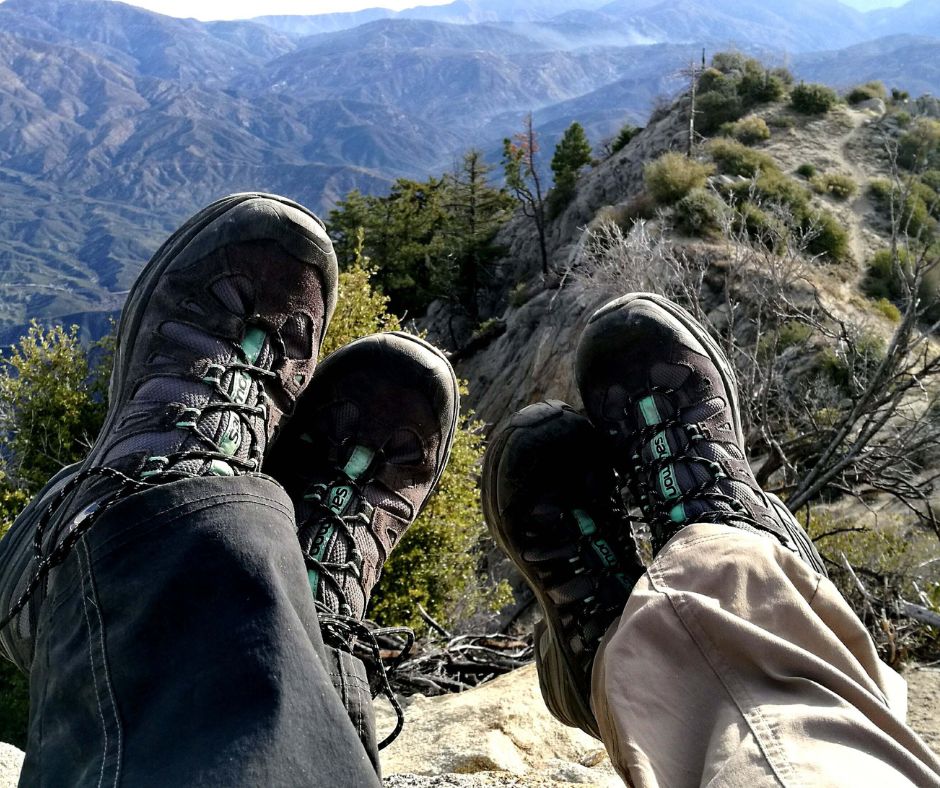
Summer is a season of sunshine, vibrant gardens, and outdoor adventures. But as temperatures rise, so does the risk of heat-related illnesses like heatstroke and sunburn.
Whether you’re tending to your plants, hiking in the mountains, or enjoying a day at the beach, it’s essential to know how to recognize and treat these conditions.
This guide will equip you with the knowledge to handle heatstroke and sunburn effectively, ensuring you stay safe and healthy while making the most of the summer.
Spotting the Warning Signs of Heatstroke and Sunburn

Understanding the symptoms of heatstroke and sunburn is the first step in addressing them promptly. Both conditions can escalate without timely intervention.
Recognizing Heatstroke
Heatstroke occurs when the body overheats and can no longer cool itself effectively. It’s a medical emergency that requires immediate attention. Here are the key symptoms to watch for:
- High body temperature: A core temperature of 103°F (39.4°C) or higher.
- Altered mental state or behavior: Confusion, irritability, or slurred speech.
- Flushed skin: The skin may turn red and feel hot to the touch.
- Rapid breathing or heart rate
- Headache, nausea, or vomiting
If these symptoms manifest while you’re out in the sun, it’s crucial to act fast.
Recognizing Sunburn
Sunburn is caused by prolonged exposure to UV rays, leading to skin damage. Symptoms of sunburn include:
- Redness and tenderness of the skin: The affected area feels warm and painful.
- Blisters: Severe cases may cause blistering.
- Swelling and peeling: Typically occurs as the skin begins to heal.
- Itching or a burning sensation
While sunburn may seem less urgent than heatstroke, it still requires proper care to prevent long-term skin damage.
Essential Summer Gear
First Aid Only Heat Stress Kit
Extra Instant Ice Cold Packs No Freezer Needed
CamelBak Hydrobak Hydration Pack 50oz
UPF 50+ Breathable Wide Brim Bucket Hat
Immediate Actions to Take for Heatstroke and Sunburn
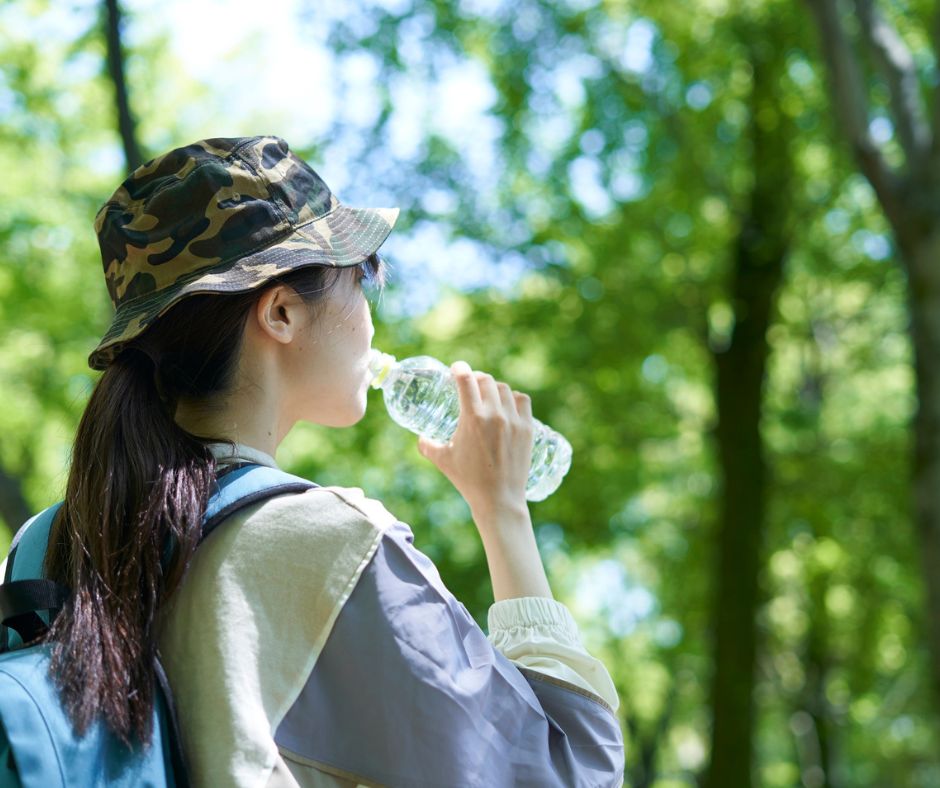
When heat-related illnesses strike, knowing how to respond can make all the difference. Here’s a step-by-step guide for handling both conditions:
Responding to Heatstroke
Move to a cooler space
Get the affected person out of the sun and into a shaded, air-conditioned, or cool location. Every second counts.
Lower body temperature
Remove excess clothing and apply cold, wet towels to the skin. You can also use a fan to enhance cooling.
Instant Ice Cold Packs No Freezer Needed
Hydrate immediately
If the person is conscious, provide cool (but not ice-cold) water. Avoid caffeinated or sugary drinks.
Call for emergency help
Heatstroke is a life-threatening condition. Dial emergency services if symptoms worsen or do not improve quickly.
Treating Sunburn
Get out of the sun
Head indoors or to a shaded area to prevent further skin damage.
Cool the skin
Apply a cold, damp cloth to the sunburn or take a cool bath to reduce heat in the skin. Avoid using ice directly.
Soothe with aloe vera or lotion
Products containing aloe vera or hydrocortisone can alleviate pain and inflammation. Avoid greasy or oil-based lotions.
Stay hydrated
Drinking water helps replenish fluids and support the skin’s healing process.
Don’t pop blisters
Blisters serve as a protective layer for healing skin. If they break, clean the area gently to avoid infection.
Long Term Care and Prevention Strategies

Once immediate concerns are addressed, focus on recovery and preventing future incidents. Here are some practical strategies:
Heatstroke Prevention Tips
Stay hydrated
Drink plenty of water throughout the day, especially during outdoor activities. Add a pinch of salt or electrolyte drinks to replenish lost minerals.
Dress smart
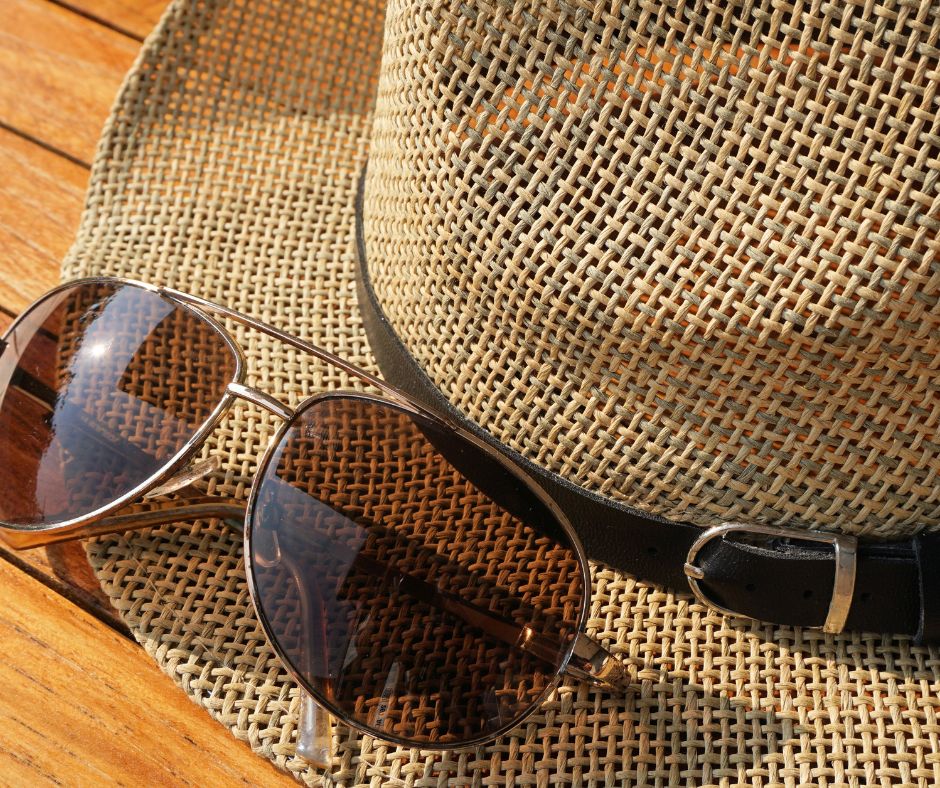
Opt for loose, light-colored clothing and a wide-brimmed hat to stay cool. Here’s my go to hat: UPF 50+ Breathable Wide Brim Bucket Hat
Avoid peak sun hours
Schedule outdoor work or recreation in the early morning or late evening when temperatures are lower.
Take breaks
Rest in the shade or indoors frequently, especially if you’re gardening, hiking, or doing other physical outdoor activities.
Sunburn Prevention Tips
Use sunscreen
Apply a broad-spectrum sunscreen with SPF 30 or higher, and reapply every two hours or after swimming or sweating.
Wear protective clothing
Long sleeves, pants, and UV-blocking sunglasses can shield your skin from harmful rays. Try a Long Sleeve UV Sun Hoodie
Seek shade
Set up your gardening station or outdoor seating in a shaded area whenever possible.
Know your limits
Be aware of the UV index for the day and limit your time in direct sunlight during high-risk hours.
Be Summer Ready for Any Situation
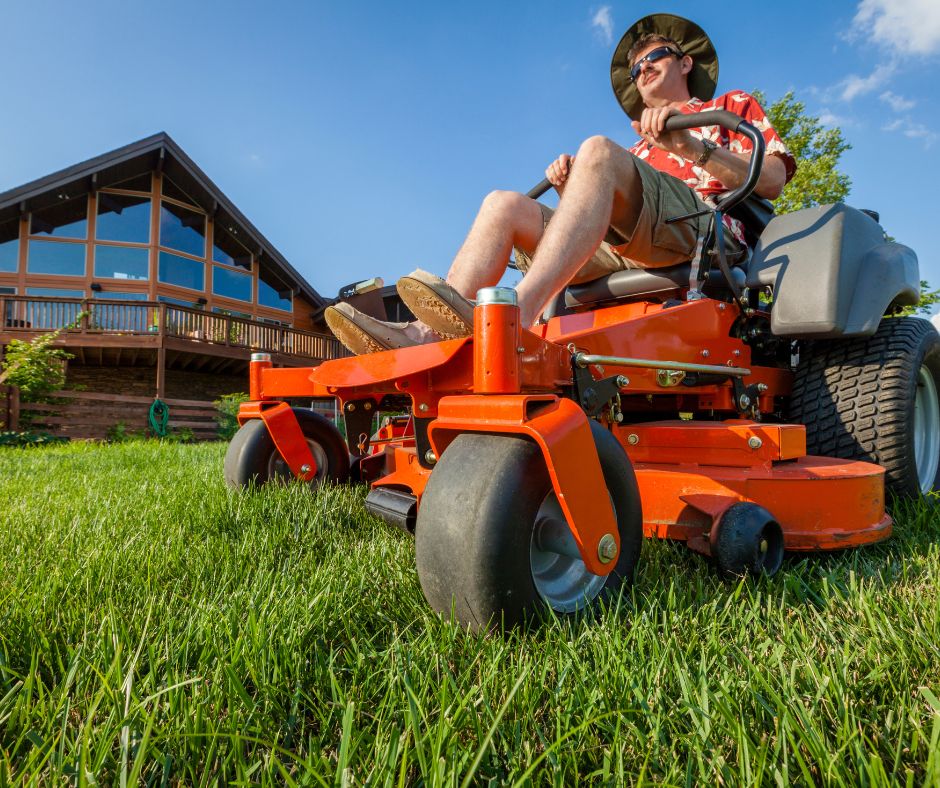
Summertime offers endless opportunities to enjoy the outdoors, but it’s crucial to stay prepared for the challenges that come with higher temperatures.
By understanding the signs of heatstroke and sunburn, acting quickly when they occur, and implementing long-term preventive measures, you can protect yourself and your loved ones from the worst of heat-related illness.
More from Johns Hopkins Medicine – Sun safety for the entire family.
This summer, don’t just prepare for your garden, prepare for your health, too. Stock up on essentials like sunscreen, aloe vera gel, and a trusty water bottle. Remember, staying safe under the sun ensures you can enjoy all the beauty and vibrancy the season brings!
Visit the Garden Resources page for supplies and inspiration. Don’t forget to subscribe to the Calendula’s Garden Newsletter for more gardening tips.
Calendula’s Garden is reader supported. When you buy through links on our site, we may earn an affiliate commission. As an Amazon Associate, I earn from qualifying purchases. For more information, view our Disclaimer page. Thank you!