Preparing for the Unexpected Crafting Your Home Emergency Plan
Calendula's Garden is reader suported This post may contain affiliate links, more on our Disclaimer page. Thank you!
Life is unpredictable. Despite our best intentions, emergencies can arise without warning, leaving us scrambling for solutions.
Whether it’s a natural disaster, a sudden medical incident, or an unexpected power outage, having a solid home emergency plan in place can make all the difference.
In this comprehensive guide, we’ll walk you through the essential steps to create a robust home emergency plan. This isn’t just about ticking off a checklist—it’s about securing the safety and well-being of your family.
From understanding local hazards to crafting a communication strategy, we’ll cover it all. Ready to gain some peace of mind? Let’s get started.
Understanding Your Local Hazards
The first step in creating an effective home emergency plan is understanding the risks you face. Every region has its own set of challenges, be it hurricanes, earthquakes, wildfires, or severe weather conditions.
Knowing what’s possible in your area allows you to tailor your plan effectively.
Begin by researching historical data and local government resources. This information offers a glimpse into past emergencies and helps predict future risks. Websites like Ready.gov provide detailed information on common hazards across various locations.
Once you’ve identified local hazards, take a moment to assess your home’s vulnerabilities. Is your area prone to flooding? Do nearby trees present a fire risk?
These insights will inform how you prepare, from installing storm shutters to reinforcing your roof’s structure.
Gathering Essential Information
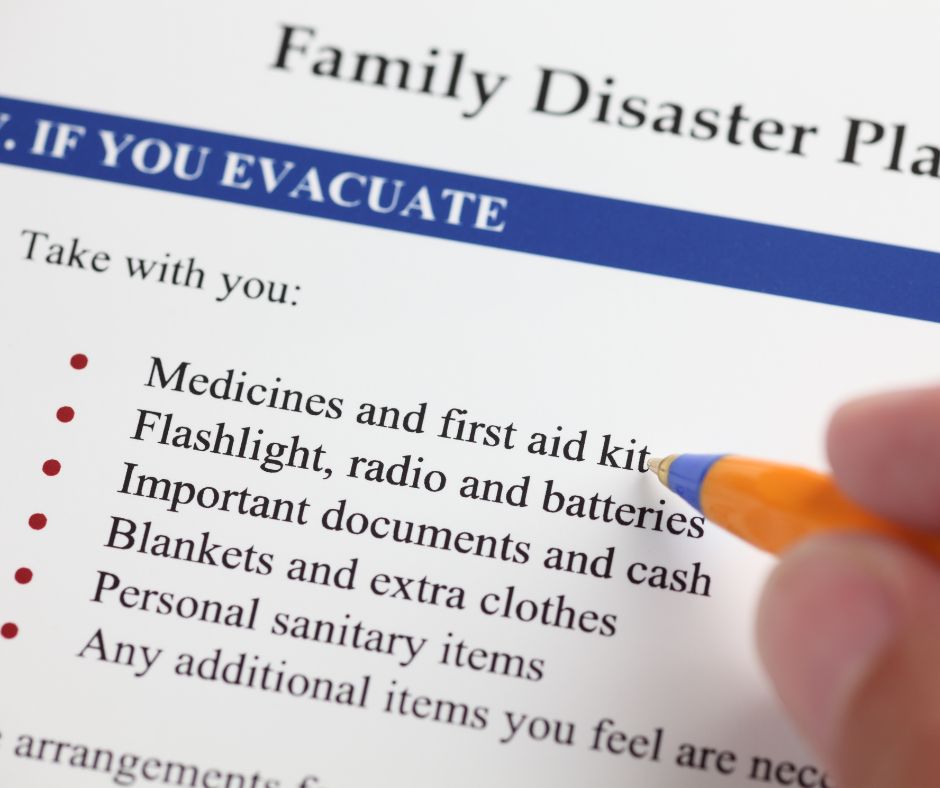
With risks in mind, it’s time to gather key information that will be vital during an emergency. Start with contact details. Compile a list of important phone numbers, including family members, neighbors, and local emergency services.
Ensure everyone in your household can easily access this list.
Next, focus on insurance and medical records. Secure copies of important documents, storing them both digitally and physically. Having quick access to insurance policies and medical histories can ease stress if you need to file claims or seek medical assistance.
Don’t forget to gather details about your utility providers. Knowing how to contact them can expedite restoring services during outages. And if you have a garden that needs tending, set up automated systems to keep it thriving.
Crafting Your Plan
Creating your home emergency plan is where things start to come together. Begin by establishing evacuation routes. Identify multiple exits from your home and ensure everyone is familiar with them.
Practice these routes to make them second nature.
Designate a meeting point outside your home. This ensures everyone knows where to go after evacuating, preventing confusion and panic.
Choose a location that’s safe and easily accessible, such as a nearby park or landmark.
Communication is key during any emergency. Develop a strategy for staying in touch. Consider using walkie-talkies or designated chat groups to ensure everyone can communicate, even if phone lines are down.
Building Your Emergency Kit
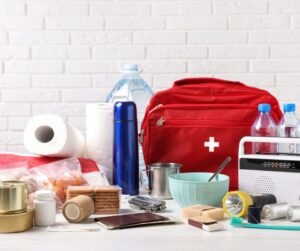
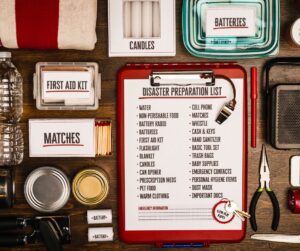
An emergency kit is your lifeline during a crisis, providing essential supplies to sustain you for at least 72 hours. Start by assembling basic items like water, non-perishable food, and a flashlight with extra batteries.
Aim for at least one gallon of water per person per day.
Add a first-aid kit stocked with bandages, antiseptics, and any necessary medications. Don’t forget personal hygiene items like toothpaste and soap, as well as clothing and blankets to keep warm.
Include important tools like a multi-tool, duct tape, and a whistle. These can be invaluable in various situations.
Lastly, consider including comfort items, especially for children or pets, like toys or treats to keep spirits up during challenging times.
Implementing the Plan
Having a plan is only the first step—implementing it requires regular practice and updates. Conduct regular drills with your family to ensure everyone knows what to do in case of an emergency.
Make these drills engaging and educational, turning them into a family activity.
Keep your emergency kits and supplies updated. Check expiration dates on food and medications, replacing them as needed.
Ensure batteries in flashlights and other devices are fresh and functioning.
Review and revise your plan periodically. Life changes, and so do potential risks.
Keep your plan relevant by updating it to reflect new circumstances, such as a new family member or a change in local risks.
Additional Tips for Specific Groups
Different household dynamics can present unique challenges during emergencies. Families with young children should focus on teaching kids what to do and ensuring they feel safe during drills.
Explain the importance of staying calm and following the plan.
For homes with elderly members, consider their mobility and health needs. Ensure they have easy access to necessary medications and medical equipment.
Designate a family member or neighbor to assist them during evacuations if needed.
Pet owners should include supplies like pet food, water, and carriers in their emergency kits. Familiarize your pets with the carriers to make evacuation less stressful.
Also, ensure pets have identification tags and consider microchipping them for added security.
Taking Action
By now, you should have a comprehensive understanding of how to create a robust home emergency plan tailored to your specific needs. The peace of mind this brings is invaluable, knowing you’re prepared for whatever comes your way.
Remember, preparation is an ongoing process. Regularly review and update your plan, engage your family in drills, and stay informed about local hazards.
Encourage friends and neighbors to create their plans too, fostering a community of preparedness.
If you’re looking to go deeper into emergency preparedness, consider reaching out to local experts or organizations.
Many offer workshops and resources to help you further refine your plan.
Ultimately, a well-thought-out emergency plan is more than a precaution—it’s a testament to your commitment to protecting your family and home. Take the first step today and start building your plan. Your future self will thank you.
Visit the Garden Resources page for supplies and inspiration. Don’t forget to subscribe to the Calendula’s Garden Newsletter for more gardening tips.
Calendula’s Garden is reader supported. When you buy through links on our site, we may earn an affiliate commission. As an Amazon Associate, I earn from qualifying purchases. For more information, view our Disclaimer page. Thank you!