Planning and Planting Your Autumn Garden
Calendula's Garden is reader suported This post may contain affiliate links, more on our Disclaimer page. Thank you!
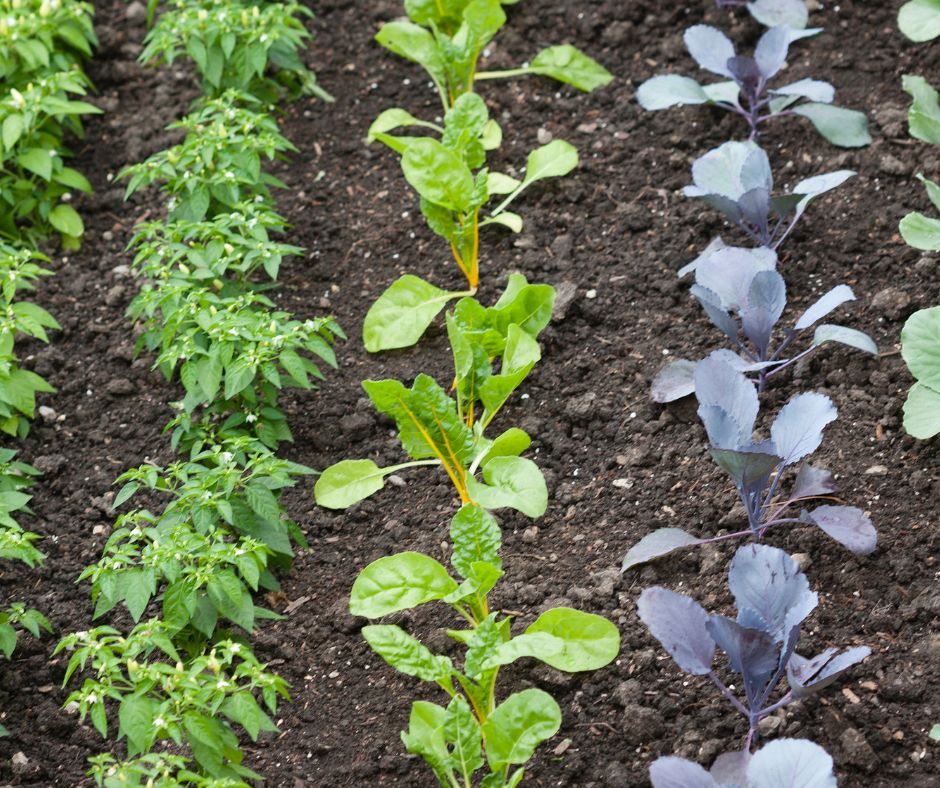
With the crisp air of fall just around the corner, it’s time to think about transitioning your garden from the heat loving plants of summer splendor to cool, hardy veggies that autumn abundance is known for.
Planting a fall garden is one of the most rewarding activities for gardeners, offering extended harvests, enriched soil, and the joy of freshly harvested produce into the cooler months.
Whether you’re an experienced gardener or planting your first seed, this guide will walk you through everything you need to know about creating a thriving fall garden.
Why Plant a Fall Garden?
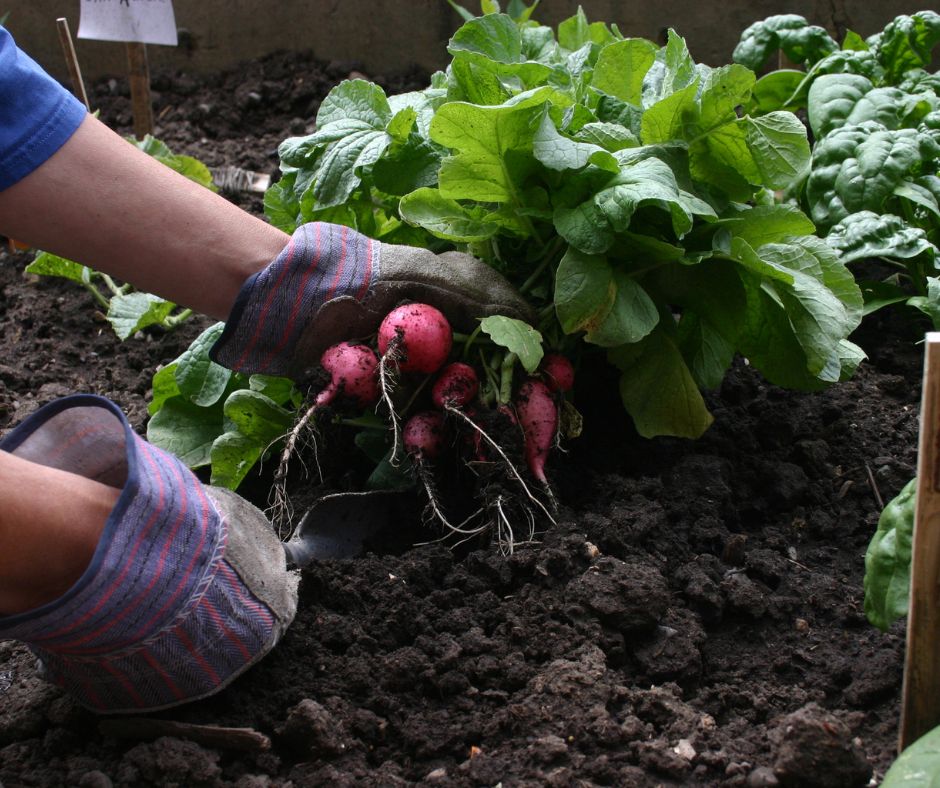
Planting a fall garden has countless benefits that go beyond just growing vegetables. Here are some compelling reasons to get started:
Extend Your Growing Season
Warm summer days might be waning, but fall extends the gardening season well into the cooler months.
Many crops thrive in the reduced heat, allowing you to enjoy fresh veggies even when most gardens are winding down.
Improve Soil Health
Fall gardening provides an opportunity to prepare your soil for the next growing season. Cover crops planted in the fall can enrich the soil with nutrients, improve its structure, and prevent erosion.
Savor Seasonal Flavors
There’s something truly satisfying about harvesting hearty, cool-weather crops like carrots, kale, and Brussels sprouts. They taste sweeter and more vibrant when grown in the crisp autumn air.
Now that you’re inspired, let’s explore how to make your fall garden a success.
Choosing the Right Plants for Your Fall Garden
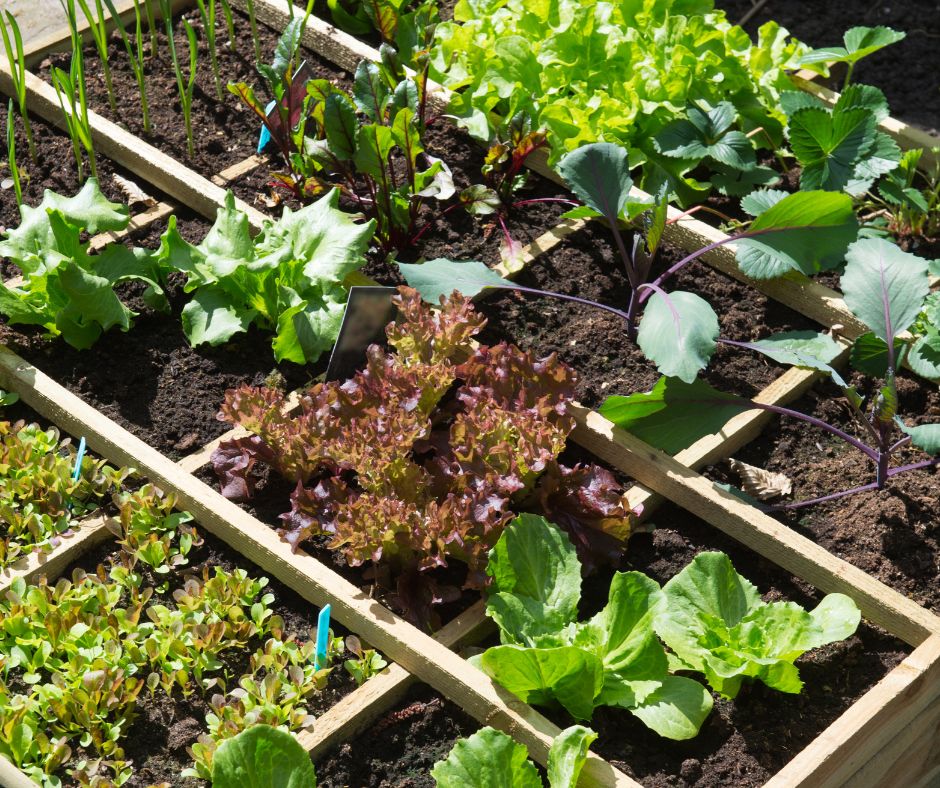
The foundation of a productive fall garden starts with selecting the right plants for your region and climate. Here are some tips to guide you:
Consider Your Local Frost Dates
Knowing your area’s average frost date is crucial for selecting fall crops. Check the USDA Plant Hardiness Zone Map or consult local gardening resources to understand how much time you have before frost arrives.
Opt for Cool-Season Crops
Crops that thrive in cooler temperatures are the stars of fall gardening. Consider planting these favorites:
- Root Vegetables: Carrots, radishes, turnips, and parsnips.
- Leafy Greens: Kale, spinach, lettuce, and Swiss chard.
- Brassicas: Broccoli, cabbage, cauliflower, and Brussels sprouts.
- Alliums: Green onions and garlic.
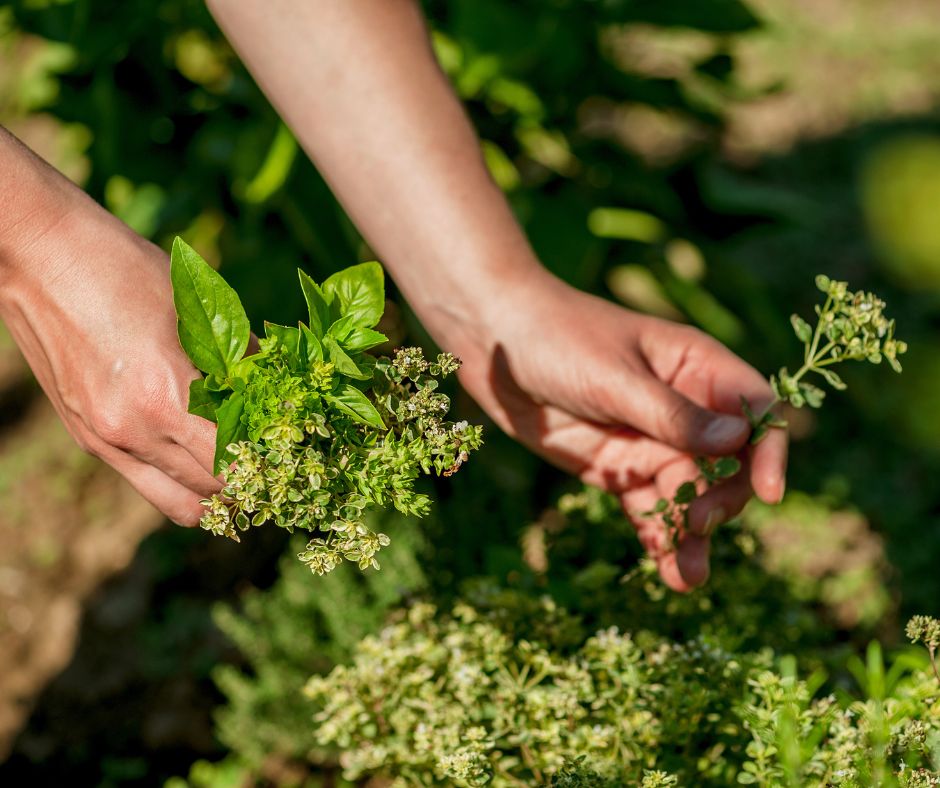
- Herbs: Parsley and cilantro often flourish in the fall.
Where to find seeds, plants, and supplies:
Start with Quick-Maturing Plants
For regions with shorter fall seasons, opt for vegetables with quicker growing cycles. For instance, radishes and arugula are ready to harvest in as little as three weeks.
Preparing the Garden Bed for Fall Planting
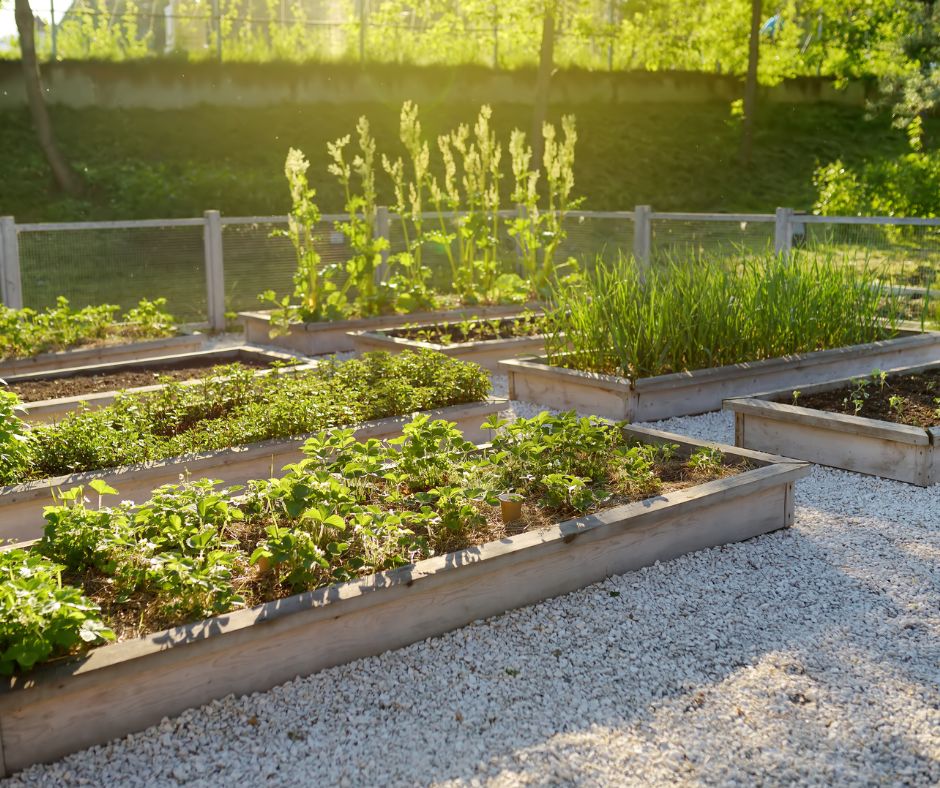
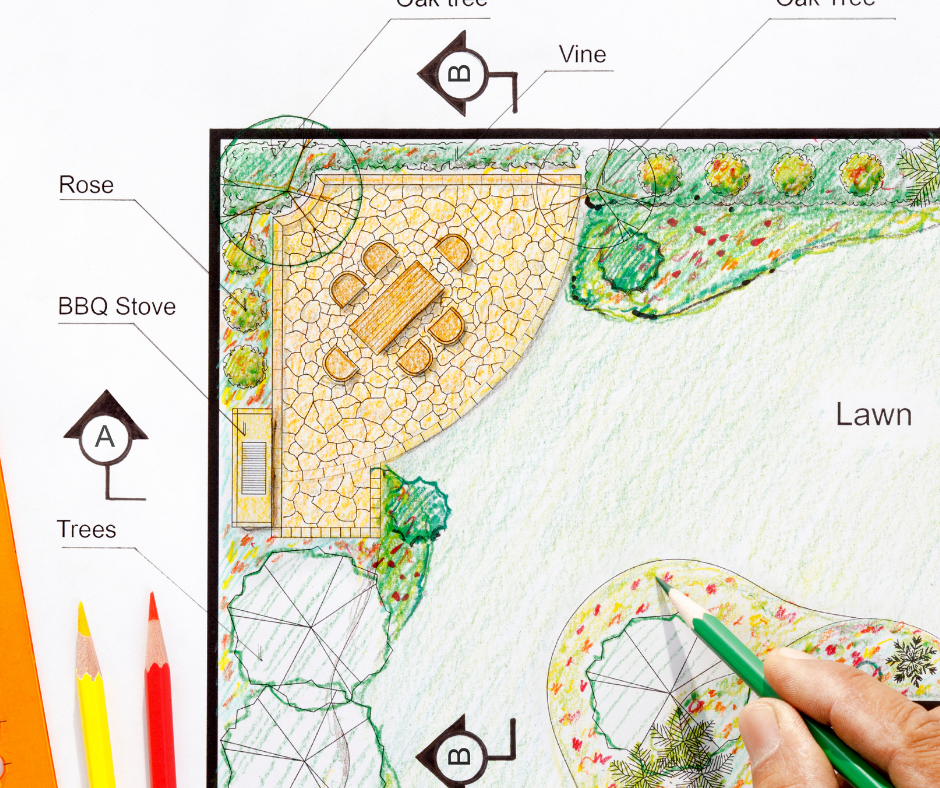
Healthy soil is the bedrock of any successful garden. Prepping your garden bed for fall planting is essential to ensure optimal growing conditions. Here’s how to do it:
Clear Out Summer Crops
Remove remnants of summer crops, including dead plants and weeds. This reduces pests and diseases that could linger into fall.
Compost healthy plant material to recycle nutrients back into the soil.
Amend Your Soil
Enrich your soil by adding organic matter like compost, aged manure, or well-decomposed leaf mulch. Use a garden fork to break up compacted soil and ensure it’s loose and airy for new roots.
Adjust pH Levels if Necessary
If your soil’s pH is off-balance, consider adding lime to raise pH or sulfur to lower it. Fall is a good time to make soil amendments that take longer to break down.
Planting Techniques for Fall Crops
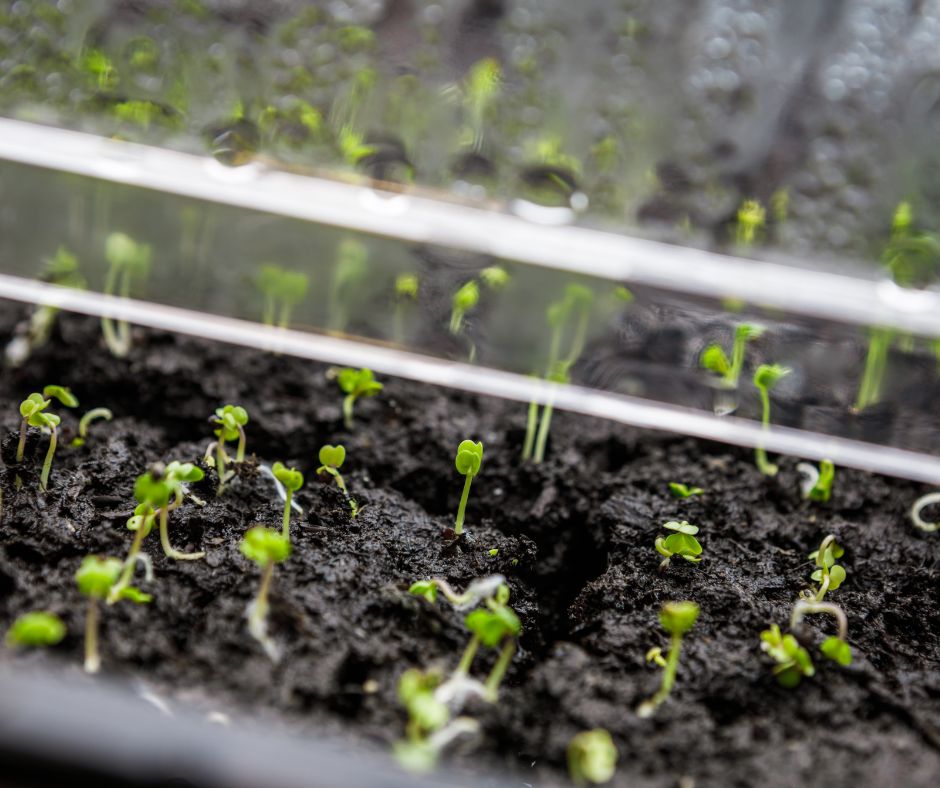
Here’s how to give your fall crops the best possible start:
Sow Seeds or Use Transplants?
- Direct Seeds: Root vegetables like carrots and beets perform best when sown directly into the soil.
- Transplants: For leafy greens and brassicas, using starter plants gives you a head start, particularly in areas where frost comes early.
Space Matters
Maintain proper spacing between plants to ensure good airflow, which helps reduce disease risks.
Utilize Row Covers
Protect seedlings from insects and fluctuating temperatures with lightweight row covers. These can give your crops a warmer microclimate for optimal growth.
Tips for Maintaining a Healthy Fall Garden
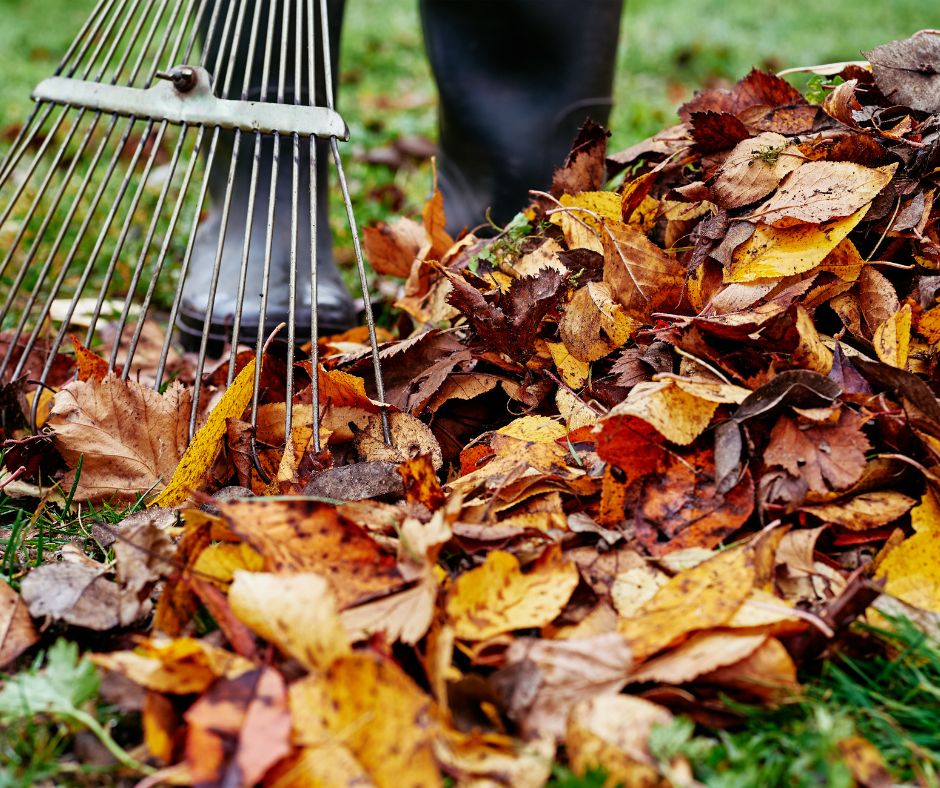
A little extra care goes a long way in ensuring your garden thrives through the season:
Watering
Although cooler weather reduces evaporation, your fall crops still need consistent moisture. Water deeply and less frequently to encourage strong root growth.
Mulching
Apply a layer of mulch, such as straw or shredded leaves, to keep the soil temperature stable and retain moisture. Mulching also helps prevent weeds.
Protect from Frost
For regions with early frost, safeguard your plants by investing in frost blankets.
Some hardy vegetables like kale and carrots can survive light frost, but covering them during freezing nights ensures better yields.
Harvesting and Enjoying Your Fall Produce
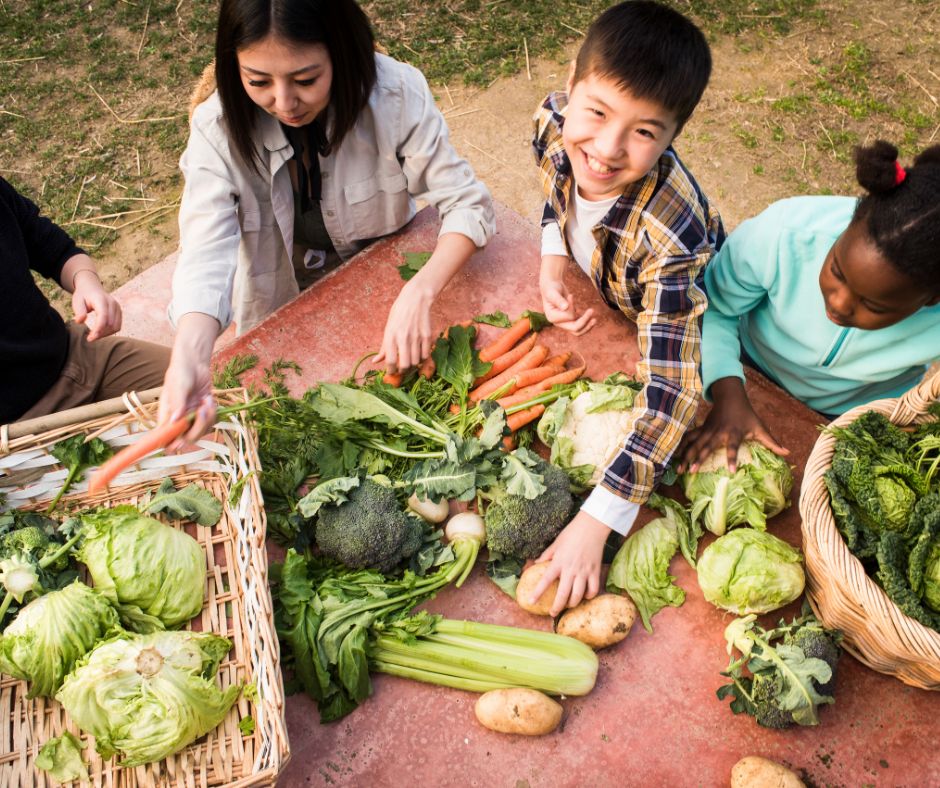
Timing is everything when it comes to harvesting fall crops. Here’s how to make the most of your harvest:
Harvest at the Right Time
For the best flavor and texture, pick your produce when it’s in its prime. For example, harvest root vegetables like carrots when they’re slightly smaller for a sweeter taste, and gather leafy greens before they bolt.
Store Your Vegetables Properly
Not all fall crops are meant to be eaten right away. Store root vegetables like potatoes, carrots, and turnips in a cool, dark spot to enjoy them for longer.
Experiment with Recipes
Celebrate your harvest with hearty soups, salads, and roasted vegetable dishes. Fall produce pairs wonderfully with warm spices like cinnamon, nutmeg, and turmeric.
Make Fall Gardening Your Next Adventure
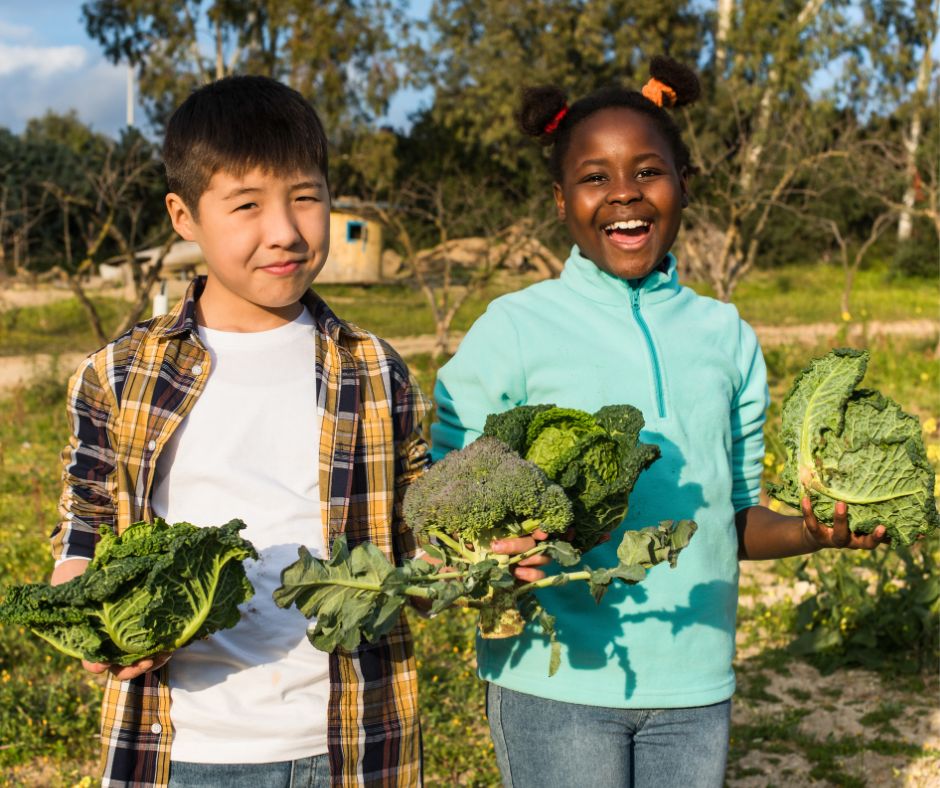
Planting your fall garden is a rewarding way to transition into the cooler months while making the most of your outdoor space. It’s an opportunity to showcase your gardening expertise, foster sustainability, and enjoy the flavors of the season.
More about the benefits of Fall planting from the Tualatin Soil and Water
Conservation District
Already have a thriving fall garden? We’d love to hear your tips, favorite crops, and moments of gardening joy! Share your experiences in the comments below—and inspire others to embrace the beauty of autumn gardening.
Visit the Garden Resources page for supplies and inspiration. Don’t forget to subscribe to the Calendula’s Garden Newsletter for more gardening tips.
Calendula’s Garden is reader supported. When you buy through links on our site, we may earn an affiliate commission. As an Amazon Associate, I earn from qualifying purchases. For more information, view our Disclaimer page. Thank you!