Pet Safe Low Maintenance Indoor Plants
Calendula's Garden is reader suported This post may contain affiliate links, more on our Disclaimer page. Thank you!
Creating a lush indoor garden while keeping your furry friends safe doesn’t have to be an impossible balancing act. Many plant lovers assume they must choose between having pets and having plants, but that’s simply not true.
With the right knowledge and careful selection, you can enjoy both the calming presence of greenery and the joy of pet ownership under one roof.
Your pets deserve a safe environment, and you deserve to enjoy the mental health benefits that come with nurturing plants.
The key lies in understanding which plants pose no threat to curious cats, playful puppies, or any other beloved pets who might decide your leafy friends look like an interesting snack.
Whether you’re a seasoned plant parent looking to expand your collection or someone just starting their indoor gardening journey, this guide will help you make informed choices.
We’ll explore beautiful, low-maintenance options that won’t send you into a panic if your pet takes an unexpected nibble.
Why Pet-Safe Plant Selection Matters
Pet poisoning from plants is more common than many people realize. The ASPCA Animal Poison Control Center receives thousands of calls each year about pets that have ingested potentially toxic plants.
Symptoms can range from mild stomach upset to severe complications requiring immediate veterinary attention.
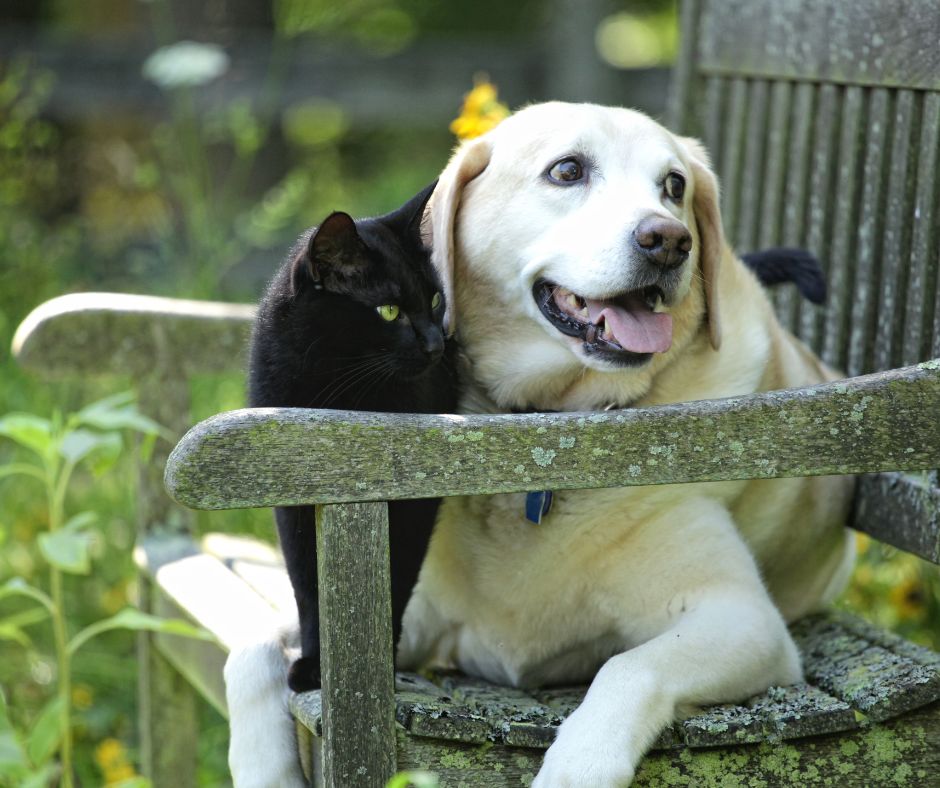
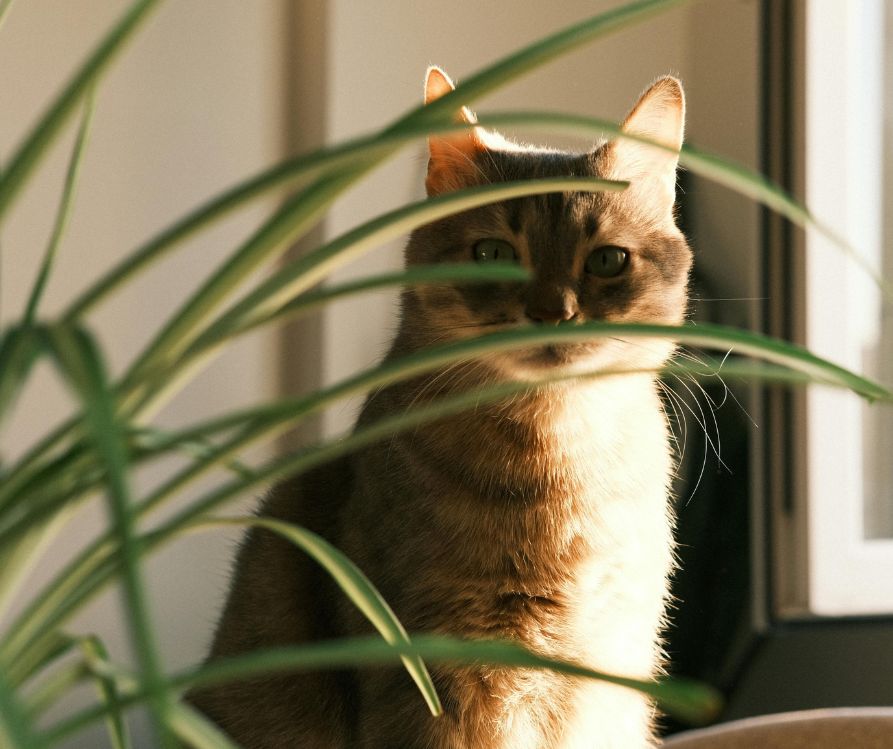
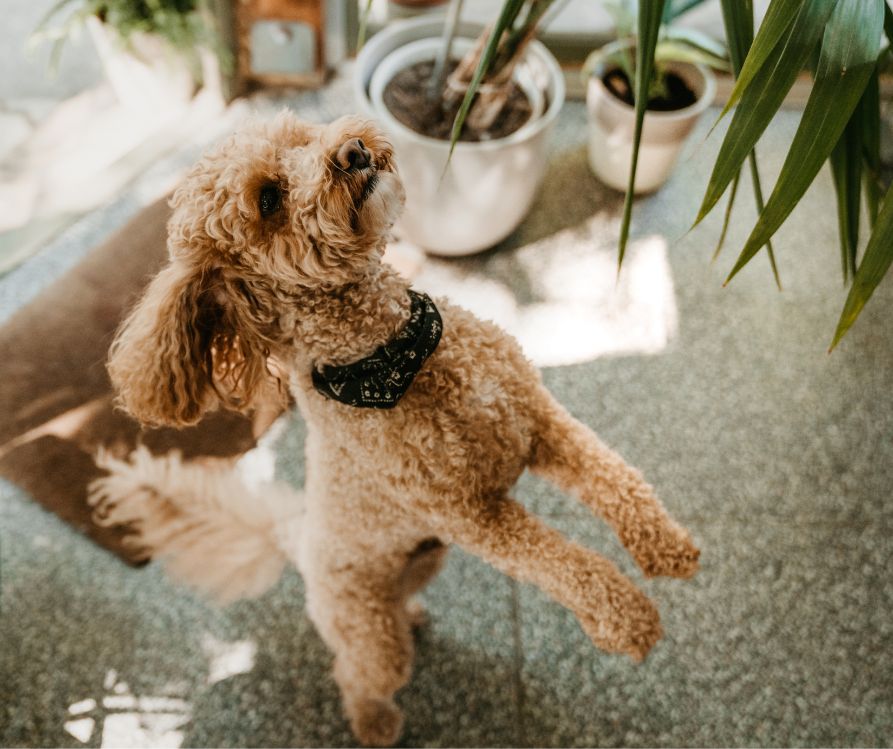
Cats are particularly vulnerable because they’re natural climbers and curious explorers. They might knock over hanging plants or chew on trailing vines. Dogs, especially puppies, often explore their world through their mouths and may view your beautiful houseplants as chew toys.
The Cat Ladies Organic Cat Grass for Indoor Cats
The good news? You don’t have to live in a plant-free home to keep your pets safe. Many gorgeous plants are completely non-toxic to both cats and dogs, allowing you to create the green oasis you’ve been dreaming of.
Top 5 Pet-Friendly Indoor Plants
Spider Plant (Chlorophytum comosum)
Spider plants are the ultimate beginner-friendly choice for pet owners. These cheerful plants produce long, arching leaves with green and white stripes, plus adorable baby plantlets that dangle like little spiders on a web.
Why pets love them: The trailing baby plants are irresistible to cats, who often bat at them like natural cat toys. Fortunately, spider plants are completely safe if nibbled.
Care tips: Place them in bright, indirect light and water when the soil feels dry to the touch. They’re incredibly forgiving and will bounce back from occasional neglect. Trim brown leaf tips with clean scissors to keep them looking fresh.
Boston Fern (Nephrolepis exaltata)
Boston ferns bring a touch of woodland magic to any room with their delicate, feathery fronds.
These classic houseplants have been gracing homes for generations, and their pet-safe status makes them perfect for modern families.
Care tips: Boston ferns thrive in humid environments, making them ideal for bathrooms with good light. Mist them regularly or place them on a pebble tray filled with water. Keep the soil consistently moist but not waterlogged, and provide bright, indirect light.
Parlor Palm (Chamaedorea elegans)
Add tropical vibes to your space with a parlor palm. These elegant plants grow slowly and maintain a manageable size, making them perfect for corners or as statement pieces.
Their graceful fronds create beautiful shadows and add instant sophistication to any room.
Care tips: Parlor palms prefer low to medium light and infrequent watering. Allow the soil to dry slightly between waterings, and don’t worry if growth seems slow—that’s perfectly normal. Wipe the leaves occasionally with a damp cloth to remove dust.
Peperomia (Peperomia varieties)
Peperomias come in dozens of varieties, from the heart-shaped leaves of Peperomia obtusifolia to the striking patterns of Peperomia argyreia (watermelon peperomia). These compact plants are perfect for small spaces and add personality without taking over.
Care tips: These little powerhouses prefer bright, indirect light and well-draining soil. Water when the top inch of soil feels dry, and be careful not to overwater—peperomias are succulent-like and store water in their thick leaves.
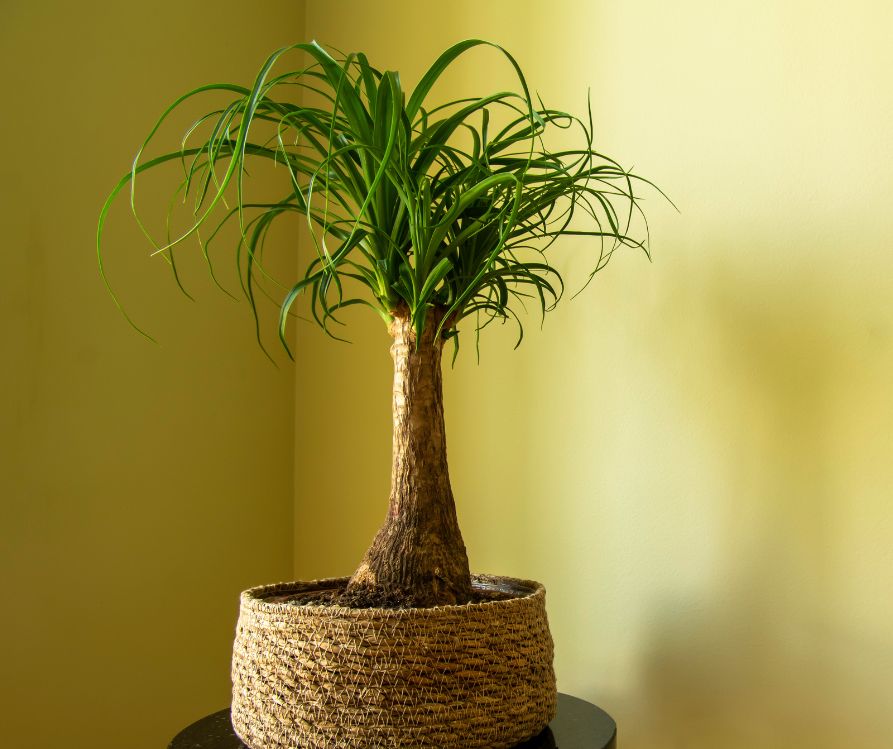
Ponytail Palm (Beaucarnea recurvata)
Despite its name, the ponytail palm isn’t actually a palm at all. This unique plant features a swollen trunk base that stores water and long, thin leaves that cascade like a ponytail. It’s a conversation starter that’s virtually indestructible.
Care tips: Ponytail palms love bright light and infrequent watering. Let the soil dry completely between waterings—this plant would rather be too dry than too wet. Its water-storing trunk means it can handle vacation neglect better than most houseplants.
Plants to Avoid: Common Toxic Varieties
While we’re focusing on safe options, it’s important to know which popular houseplants should stay off your shopping list if you have pets.
Highly toxic plants include:
- Pothos (all varieties)
- Philodendrons
- Peace lilies
- Snake plants
- Fiddle leaf figs
- Rubber trees
- Monstera deliciosa
These plants can cause symptoms ranging from mouth irritation and drooling to more serious digestive issues. When in doubt, always research a plant’s toxicity before bringing it home, and keep the ASPCA’s plant database bookmarked for quick reference.
Keeping Pets and Plants Happy Together
Even with pet-safe plants, some strategies can help maintain harmony between your green friends and furry family members:
Create designated plant zones: Use plant stands, hanging planters, or high shelves to create spaces that are naturally less accessible to pets. This works especially well for cats who might be tempted to dig in soil.
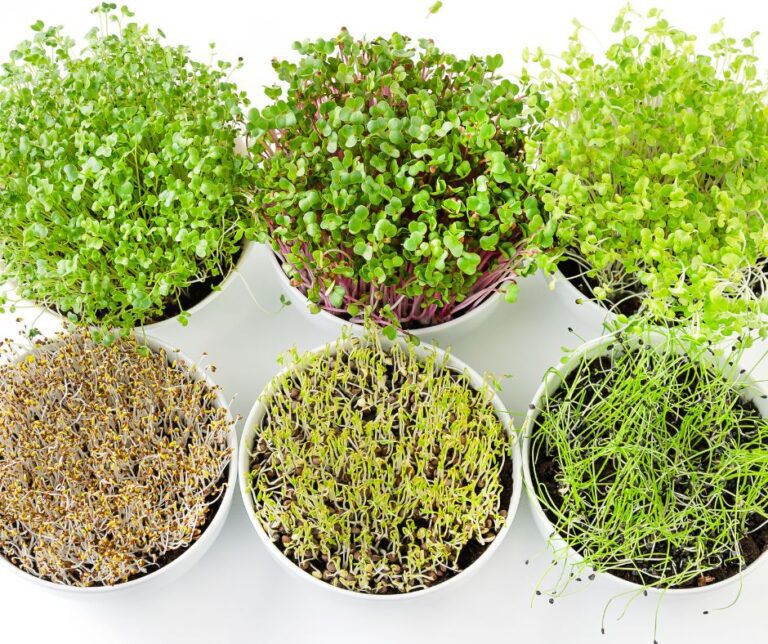
Provide alternatives: If your cat loves to chew on plants, consider growing cat grass or catnip in a designated pot. This gives them a safe outlet for their plant-nibbling instincts.
The Cat Ladies Organic Cat Grass for Indoor Cats
Use deterrents sparingly: Citrus peels around plant bases can discourage many cats, while a light sprinkle of cinnamon on soil may deter digging. Always research pet-safe deterrents before using them.
Monitor new additions: When you bring home a new plant, watch how your pets interact with it. Some animals show no interest in plants, while others seem drawn to anything green and leafy.
Creating Your Pet-Safe Plant Paradise
Start small and build your collection gradually. Choose one or two plants from our safe list and see how they fit into your home’s ecosystem. Pay attention to your pets’ behavior and your own care routine. The best plants are ones that thrive with your lifestyle.
Consider the specific needs of your space. A bright, sunny window might be perfect for a ponytail palm, while a bathroom with good light could become a Boston fern’s favorite spot. Match your plants to your environment for the best chance of success.
Remember that even pet-safe plants benefit from being treated with respect. While these plants won’t harm your pets if occasionally sampled, they’ll look better and last longer if they’re not used as regular snacks or chew toys.
Your home can absolutely be both pet-friendly and plant-filled. With thoughtful selection and a bit of planning, you’ll create a space that nurtures both your green thumb and your beloved animals. Start with one pet-safe plant today, and begin building the peaceful, natural sanctuary you and your pets deserve.
Visit the Garden Resources page for supplies and inspiration. Don’t forget to subscribe to the Calendula’s Garden Newsletter for more gardening tips.
Calendula’s Garden is reader supported. When you buy through links on our site, we may earn an affiliate commission. As an Amazon Associate, I earn from qualifying purchases. For more information, view our Disclaimer page. Thank you!