Navigating Winter Composting
Calendula's Garden is reader suported This post may contain affiliate links, more on our Disclaimer page. Thank you!
Winter doesn’t have to be a dormant time for your composting activities. In fact, it’s an excellent opportunity to enrich your soil for the upcoming spring.
By composting during the colder months, you not only cut down on waste but also lay the groundwork for a fruitful gardening season. This guide will delve into the methods of winter composting to make your garden more sustainable and fertile.
Choosing Winter Composting Ingredients
A successful winter compost largely depends on selecting the right composting ingredients. During this season, it’s crucial to maintain a balance of green and brown materials to support decomposition.
Green Ingredients
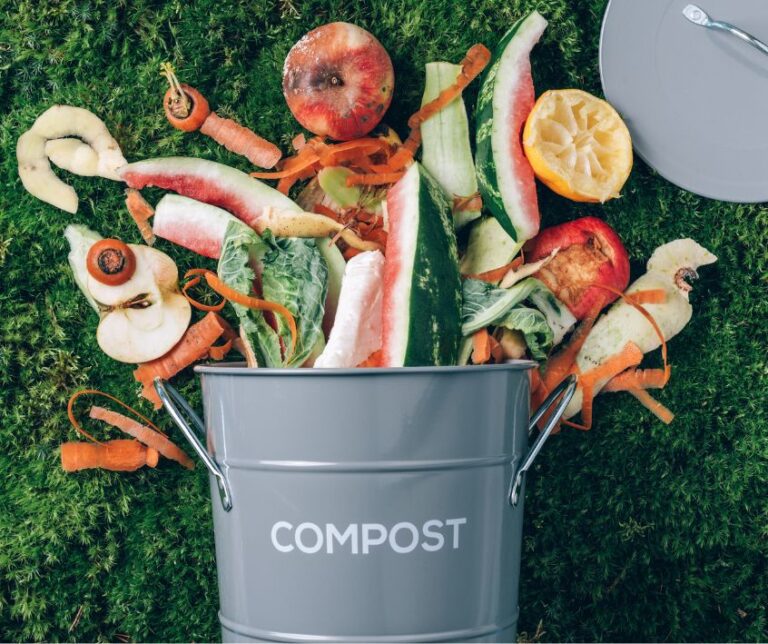
Green materials, rich in nitrogen, are vital for composting. Include kitchen waste such as vegetable scraps, fruit residues, and coffee grounds to keep your compost active.
Brown Ingredients
Brown materials supply essential carbon. Items like dry leaves, straw, and small branches help retain structure and air in the pile, crucial for preventing compacting and maintaining aeration.
Practical Advice
Cut larger pieces into smaller bits to enhance the surface area for microbial action, accelerating decomposition even at lower temperatures.
Winter Compost Bin Configuration
Setting up your compost bin to withstand winter conditions is key. Your aim is to maximize heat retention while shielding the compost from severe weather.
Insulation Techniques
Wrap your compost bin with straw bales, old blankets, or bubble wrap as insulation to preserve heat, vital for microbial life.
Optimal Placement
Position your bin in a sunny location to harness heat. Protect it from wind and excess moisture by situating it near a wall or under a cover.
Coverage
Safeguard your compost with a lid or tarp to fend off heavy snow or rain, which can reduce internal heat and slow down decomposition.
Techniques for Maintaining and Turning Compost
Microbial processes decelerate during the winter due to the cold. Yet, you can promote decomposition by properly maintaining and turning your compost.
Aeration
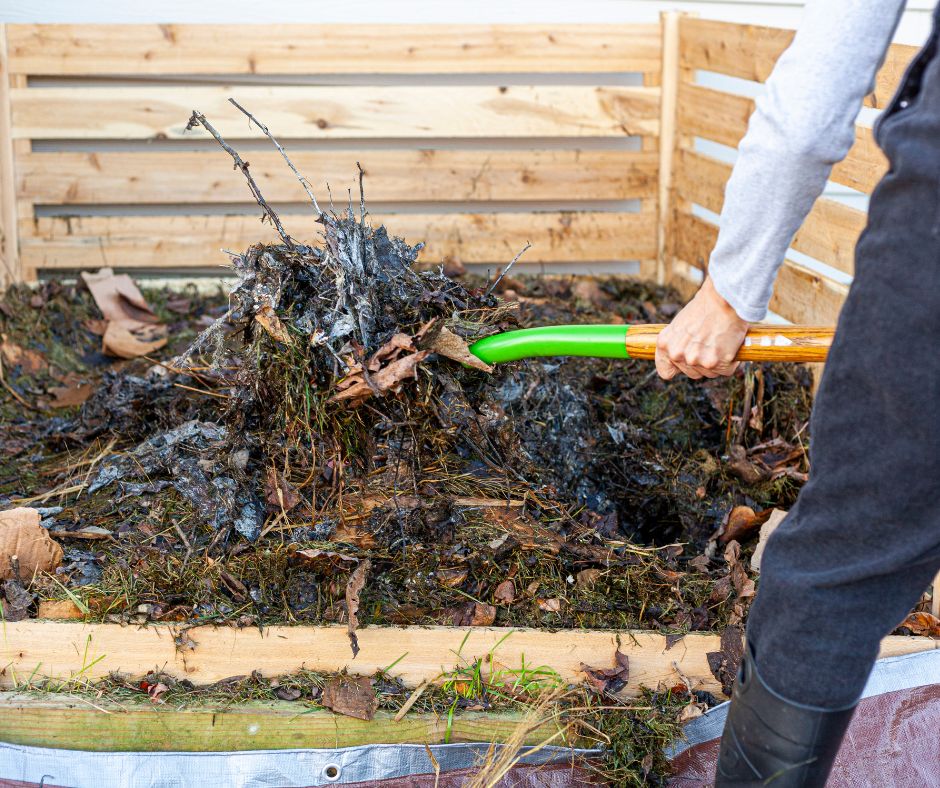
Turn your compost every two to three weeks to introduce oxygen, essential for microbial function, even in winter.
Moisture Management
Ensure your pile isn’t overly wet. A handful should feel like a damp sponge. If too wet, add brown materials; if too dry, sprinkle water.
Strategic Layering
Construct your compost by alternating layers of green and brown materials. This method balances nutrient distribution and boosts effective decomposition.
If it is just too cold in your area for effective composting, you can start composting indoors with a Lomi Electric Composter. Run batches all winter long and store your compost in bins with air holes for spring planting.
Advantages of Winter Composting
Composting in winter offers several benefits that transcend personal gardening.
Soil Improvement
Continuous winter composting creates rich organic matter ready to enhance your soil by springtime.
7 Best Garden Soil Amendments and Fertilizers
Reduction in Waste
By composting, you recycle household waste, significantly lowering your overall waste output.
Environmental Benefits
Composting aids in reducing landfill waste, thereby decreasing methane emissions, a major contributor to climate change.
Final Thoughts
Rather than halting your composting endeavors during winter, use these strategies to keep your compost active, bolstering your soil’s richness and promoting ecological well-being all year long. Initiating or continuing your composting efforts now makes a positive impact on both your garden and the environment. Begin today, because every bit of organic matter makes a difference!
Visit the Garden Resources page for supplies and inspiration. Don’t forget to subscribe to the Calendula’s Garden Newsletter for more gardening tips.
Calendula’s Garden is reader supported. When you buy through links on our site, we may earn an affiliate commission. As an Amazon Associate, I earn from qualifying purchases. For more information, view our Disclaimer page. Thank you!